Sustainable Livestock Practices: Boosting Efficiency & Cutting Emissions by 2026
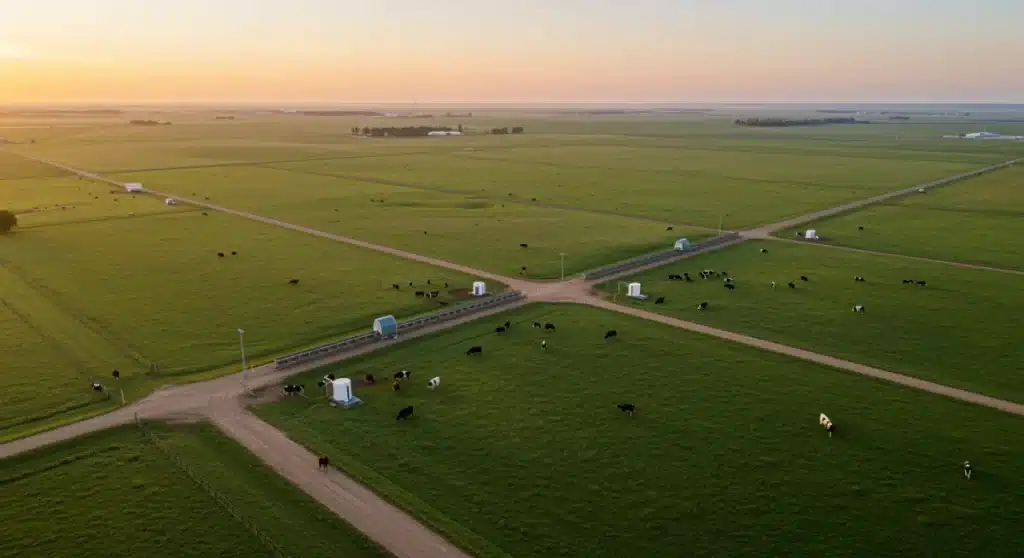
Implementing sustainable livestock practices by 2026 is critical for improving feed conversion ratios by 5% and reducing methane emissions by 10%, directly impacting agricultural profitability and environmental resilience.
The agricultural landscape is rapidly evolving, and the imperative for sustainable livestock practices has never been clearer. Farmers are increasingly seeking innovative ways to enhance efficiency while minimizing their environmental footprint. Our focus today is on actionable strategies to improve feed conversion ratios by 5% and reduce methane emissions by 10% by 2026, ensuring a more resilient and profitable future for American livestock producers.
Understanding Feed Conversion Ratios and Their Impact
Feed conversion ratio (FCR) is a fundamental metric in livestock production, representing the efficiency with which animals convert feed into product, whether it’s meat, milk, or eggs. A lower FCR indicates better efficiency, meaning less feed is required to achieve desired output. Improving this ratio by 5% by 2026 is an ambitious yet achievable goal with significant economic and environmental benefits for farmers.
Optimizing FCR directly translates to reduced feed costs, which often constitute the largest operational expense in livestock farming. Beyond economics, enhanced FCR means fewer resources are consumed per unit of product, leading to a smaller environmental footprint. This includes reductions in land use, water consumption, and greenhouse gas emissions associated with feed production and animal waste. Achieving this target requires a multi-faceted approach, integrating nutritional science with advanced management techniques.
Precision Nutrition: Tailoring Diets for Optimal Performance
One of the most effective ways to improve FCR is through precision nutrition. This involves formulating diets that exactly meet the animals’ requirements at different life stages, avoiding over- or under-feeding. Advanced feed analysis and software can help create highly customized diets.
- Nutrient-dense ingredients: Utilizing feeds with higher digestibility and nutrient profiles reduces waste.
- Amino acid balancing: Ensuring optimal amino acid profiles minimizes excess protein excretion and improves growth.
- Enzyme supplementation: Adding enzymes to feed can break down anti-nutritional factors, enhancing nutrient absorption.
- Probiotics and prebiotics: These can improve gut health, leading to better digestion and nutrient utilization.
The continuous structure approach emphasizes the interconnectedness of these nutritional strategies. For example, balancing amino acids works synergistically with enzyme supplementation to maximize the nutritional value extracted from each bite of feed. This holistic view ensures that every component of the diet contributes to the overall goal of improved feed conversion, making the animals more efficient processors of nutrients. The integration of data from smart sensors can further refine these diets in real-time, adapting to environmental conditions and individual animal needs.
In conclusion, enhancing feed conversion ratios is not merely about feeding less, but about feeding smarter. By focusing on precision nutrition and incorporating innovative feed additives, livestock producers can significantly improve their FCR, leading to substantial economic savings and a reduced environmental impact, putting them on track for the 2026 targets.
Strategies for Methane Emission Reduction
Reducing methane emissions by 10% by 2026 from livestock operations is a critical component of sustainable agriculture, directly addressing climate change concerns. Methane, a potent greenhouse gas, is primarily produced during enteric fermentation in ruminants. While eliminating it entirely is not feasible, significant reductions are attainable through a combination of dietary modifications, genetic selection, and advanced manure management.
The challenge lies in implementing these strategies economically and effectively across diverse farming systems. However, the benefits extend beyond environmental stewardship, often leading to improved animal health and productivity. The focus must be on practical, scalable solutions that farmers can adopt without compromising their livelihoods. Innovation in this area is constant, with new research continually uncovering more effective methods for mitigating methane production.
Dietary Adjustments to Curb Methane Production
Modifying animal diets is one of the most promising avenues for reducing enteric methane. Certain feed additives and changes in forage quality can significantly alter the microbial activity in the rumen, leading to less methane output.
- High-quality forages: Feeding highly digestible forages can reduce the time feed spends in the rumen, lowering methane.
- Lipid supplementation: Adding fats and oils to diets can directly inhibit methanogenic bacteria.
- Novel feed additives: Compounds like 3-nitrooxypropanol (3-NOP) have shown considerable success in reducing methane.
- Ionophores: These can alter rumen microbial populations, favoring less methane-producing pathways.
Beyond these specific additives, a continuous structure approach to dietary management involves ensuring consistent access to fresh, clean water and optimizing feeding schedules to minimize stress and maximize nutrient uptake. This holistic view of the animal’s digestive environment contributes to a healthier rumen, which in turn can lead to more efficient digestion and reduced methane. For instance, ensuring cattle have access to balanced mineral supplements can also support overall gut health and efficiency. These practices, when combined, create a powerful synergy that pushes towards the 10% methane reduction goal.
Ultimately, a strategic combination of dietary interventions provides a robust pathway to significantly reduce methane emissions. These methods not only contribute to environmental goals but often enhance animal welfare and productivity, making them a win-win for sustainable livestock farming.
The Role of Genetics and Breeding Programs
Genetic selection offers a long-term, sustainable solution for improving both feed conversion ratios and reducing methane emissions in livestock. By breeding animals that are inherently more efficient at converting feed and naturally produce less methane, farmers can make sustained progress towards their 2026 targets. This approach requires careful data collection and sophisticated breeding programs, leveraging genomics and advanced analytics to identify desirable traits.
The beauty of genetic improvement is its cumulative effect; each generation builds on the progress of the last, leading to continuous enhancement in efficiency and reduced environmental impact. While the initial investment in genetic programs can be significant, the long-term returns in terms of feed savings and environmental compliance are substantial. This strategy is particularly powerful because it integrates directly into existing farming practices, making it a natural fit for progressive producers.
Selecting for Efficiency and Low Emissions
Advanced breeding techniques now allow for the identification of animals with superior genetic markers for traits related to efficiency and reduced methane output. This moves beyond traditional selection based solely on production metrics.
- Residual feed intake (RFI): Selecting for lower RFI identifies animals that eat less for the same amount of gain, directly improving FCR.
- Methane emission traits: Research is ongoing to identify genetic markers linked to lower methane production in individual animals.
- Genomic selection: Using DNA information to predict breeding values with greater accuracy and speed.
- Crossbreeding programs: Utilizing hybrid vigor to combine desirable traits from different breeds, enhancing overall efficiency.
The continuous structure approach highlights how these genetic strategies are interwoven. For instance, genomic selection accelerates the identification of animals with both low RFI and reduced methane output, creating a synergistic effect. This integrated approach ensures that breeding decisions are based on the most comprehensive data available, leading to faster progress towards the 2026 goals. Moreover, the long-term benefits of genetic improvements mean that these changes are permanent and passed down through generations, providing a foundational shift in livestock sustainability.
In summary, integrating genetic selection and advanced breeding programs into livestock management is a powerful, enduring strategy. It enables producers to cultivate herds that are inherently more efficient and environmentally friendly, paving the way for significant improvements in feed conversion and methane reduction.
Advanced Manure Management Technologies
Effective manure management is crucial for reducing greenhouse gas emissions, particularly methane and nitrous oxide, from livestock operations. While enteric fermentation is a major source of methane, manure storage and handling also contribute significantly. Implementing advanced manure management technologies by 2026 can play a vital role in achieving the 10% methane reduction target, transforming a waste product into a valuable resource.
These technologies move beyond traditional open-air lagoons, offering solutions that capture gases, produce energy, and create nutrient-rich fertilizers. The upfront investment can be substantial, but the long-term benefits include reduced environmental impact, potential revenue generation from biogas, and improved soil health. This area represents a significant opportunity for innovation and sustainable practice in the livestock sector.
Innovative Manure Handling and Treatment
Modern manure management systems focus on capturing methane and processing waste to minimize its environmental impact while maximizing its value. This involves a shift from simple storage to active treatment.
- Anaerobic digesters: These systems capture methane from manure, converting it into biogas for energy production.
- Composting: Aerobic composting reduces methane and nitrogen losses, producing a stable, nutrient-rich soil amendment.
- Solid-liquid separation: Separating manure components allows for targeted treatment and nutrient recovery.
- Biofilters and scrubbers: Used to treat air emissions from housing and storage, reducing odors and GHG.
The continuous structure approach emphasizes how these technologies can be integrated into a comprehensive farm waste management plan. For example, solid-liquid separation can precede anaerobic digestion for the liquid fraction, while the solid fraction is composted. This layered approach maximizes emission reduction and resource recovery. Furthermore, the resulting digestate from anaerobic digestion can be a superior fertilizer, reducing the need for synthetic inputs. These integrated systems not only mitigate emissions but also create new revenue streams and improve overall farm sustainability, aligning perfectly with the 2026 objectives.
In conclusion, adopting advanced manure management technologies is an essential step towards reducing methane emissions and fostering a circular economy on livestock farms. These innovations transform waste into valuable resources, contributing significantly to environmental goals and operational efficiency.
Integrating Technology for Precision Livestock Farming
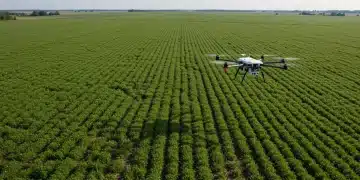
The advent of precision livestock farming (PLF) technologies is revolutionizing how producers manage their herds, offering unprecedented opportunities to optimize feed conversion and reduce emissions. By 2026, the widespread adoption of these tools will be instrumental in achieving the ambitious targets of a 5% FCR improvement and a 10% methane reduction. PLF leverages data, automation, and real-time monitoring to make informed decisions at the individual animal level, moving away from generalized herd management.
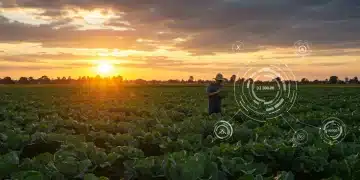
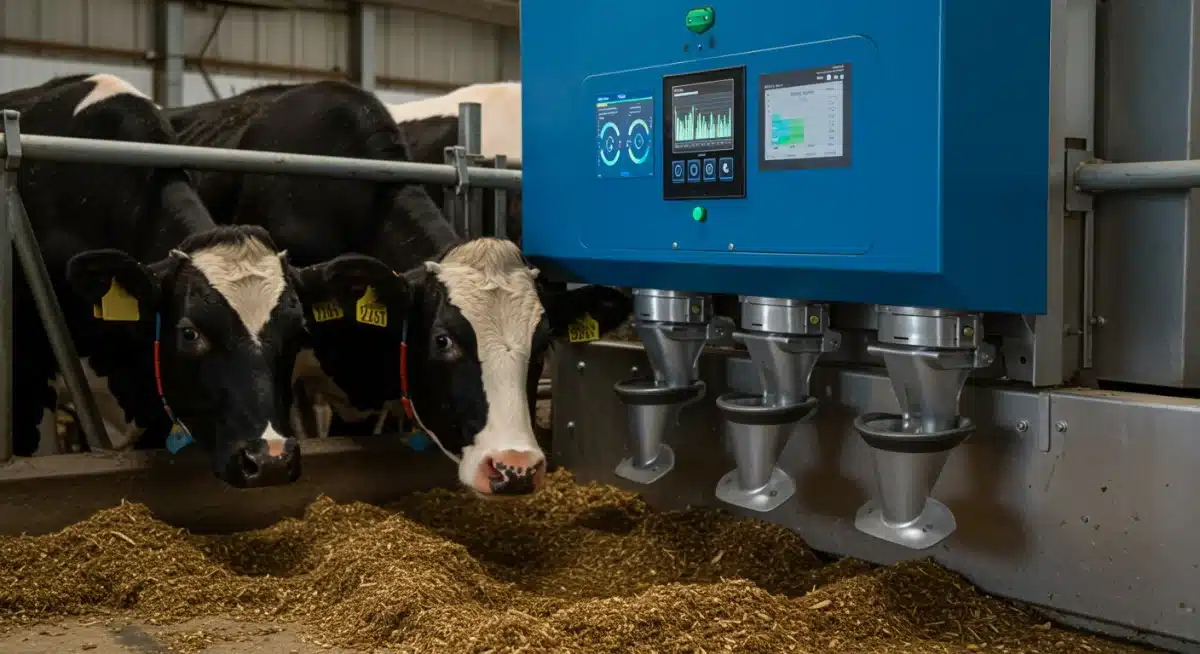
From smart sensors and automated feeding systems to advanced data analytics platforms, technology empowers farmers to fine-tune every aspect of livestock production. This not only enhances efficiency and sustainability but also improves animal welfare by detecting health issues early and providing tailored care. The integration of these technologies creates a dynamic and responsive farming environment, essential for meeting the evolving demands of modern agriculture.

Digital Tools for Enhanced Efficiency and Monitoring
A suite of digital tools is available to help farmers monitor, analyze, and optimize their livestock operations, directly contributing to sustainability goals.
- Individual animal monitoring: Wearable sensors track activity, health, and feeding patterns, allowing for customized interventions.
- Automated feeding systems: Deliver precise amounts of feed based on individual animal needs, reducing waste and improving FCR.
- Environmental control systems: Optimize barn conditions to reduce stress, improve health, and minimize energy consumption.
- Data analytics platforms: Aggregate and interpret data from various sources, providing actionable insights for management decisions.
The continuous structure approach emphasizes how these technologies work in concert. For example, data from individual animal monitoring can be fed directly into automated feeding systems, allowing for dynamic adjustments to diet based on real-time health and performance metrics. This integrated data flow creates a feedback loop that continuously optimizes feed delivery and animal well-being, leading to significant improvements in FCR. Furthermore, by monitoring environmental conditions, farmers can reduce energy consumption for heating and ventilation, further contributing to the overall sustainability of the operation. The ability to track and analyze trends over time also helps in identifying areas for further improvement, making the 2026 targets more attainable.
In conclusion, the strategic adoption of precision livestock farming technologies is indispensable for achieving ambitious sustainability goals. These digital tools enable a level of optimization and efficiency previously unimaginable, positioning livestock producers at the forefront of agricultural innovation.
Economic Benefits and Market Demand for Sustainable Practices
Beyond the environmental imperative, there are significant economic benefits and growing market demand driving the adoption of sustainable livestock practices. Improving feed conversion ratios by 5% and reducing methane emissions by 10% by 2026 isn’t just about compliance; it’s about enhancing profitability, securing market access, and building a resilient business model. Consumers are increasingly valuing transparency and sustainability in their food choices, creating a powerful market signal for producers.
Farms that embrace these practices can often command premium prices for their products, differentiate themselves in competitive markets, and attract investment. Furthermore, operational efficiencies gained through better FCR and reduced waste directly impact the bottom line. Government incentives and emerging carbon credit markets also present new revenue streams for environmentally conscious producers, making sustainability a sound business strategy.
Financial Incentives and Consumer Preferences
The economic landscape is shifting to favor sustainable operations, offering various financial advantages and responding to changing consumer behaviors.
- Reduced input costs: Improved FCR directly lowers feed expenses, a major cost center.
- Premium pricing: Sustainable products often fetch higher prices from environmentally conscious consumers.
- Access to new markets: Retailers and food service providers are increasingly seeking sustainably sourced products.
- Grants and subsidies: Government programs often reward farms for adopting eco-friendly practices.
- Carbon credits: Opportunities to generate revenue by reducing greenhouse gas emissions.
The continuous structure approach emphasizes how these financial and market drivers reinforce each other. For example, reduced input costs due to improved FCR make sustainable practices more economically viable, which in turn allows producers to meet the demand for premium, sustainably produced goods. This creates a virtuous cycle where environmental stewardship and economic prosperity are mutually reinforcing. Moreover, the long-term resilience built through sustainable practices helps farms weather market fluctuations and regulatory changes more effectively, ensuring stability and growth. Understanding these interconnected benefits is key to motivating widespread adoption of the 2026 goals.
In conclusion, investing in sustainable livestock practices is a strategic business decision that yields substantial economic returns. By aligning with consumer values and leveraging available incentives, producers can enhance their profitability and secure a competitive advantage in the evolving agricultural market, making the 2026 targets financially attractive.
Overcoming Challenges and Future Outlook
While the path to achieving a 5% improvement in feed conversion ratios and a 10% reduction in methane emissions by 2026 is clear, it is not without its challenges. Farmers face hurdles such as the initial investment costs for new technologies, the complexity of integrating diverse systems, and the need for ongoing education and training. However, these challenges are increasingly being met with innovative solutions, supportive policies, and collaborative efforts across the agricultural sector. The future outlook for sustainable livestock farming is optimistic, driven by a collective commitment to environmental stewardship and economic viability.
Overcoming these obstacles requires a combination of robust research and development, accessible financing options, and effective knowledge transfer programs. The agricultural community, from producers to policymakers and researchers, must work together to accelerate the adoption of proven sustainable practices. The momentum towards greater sustainability is undeniable, promising a healthier planet and a more prosperous future for livestock producers.
Key Hurdles and Pathways to Success
Addressing the common barriers to adoption is essential for widespread implementation of sustainable livestock practices.
- Capital investment: High upfront costs can be mitigated through government grants, low-interest loans, and innovative financing models.
- Knowledge transfer: Effective extension services and farmer-to-farmer learning networks are crucial for sharing best practices.
- Data management: Developing user-friendly platforms to integrate and interpret complex data from PLF technologies.
- Regulatory support: Clear and consistent policies that incentivize sustainable practices and provide a stable operating environment.
The continuous structure approach emphasizes the importance of a coordinated effort. For instance, robust research into new feed additives for methane reduction must be accompanied by accessible financial incentives for farmers to adopt them. Similarly, the development of advanced PLF technologies needs to be paired with effective training programs to ensure producers can fully leverage their benefits. Collaboration between academic institutions, industry partners, and government agencies is paramount. This holistic approach ensures that innovation is not only developed but also effectively deployed on farms, accelerating progress towards the 2026 goals and beyond. The ongoing evolution of agricultural technology, coupled with a growing awareness of environmental responsibilities, paints a promising picture for the future of sustainable livestock.
In conclusion, while significant challenges remain, the commitment to sustainable livestock practices, supported by technological advancements and collaborative efforts, ensures a positive trajectory. By proactively addressing these hurdles, the industry can confidently move towards a more efficient, environmentally responsible, and economically stable future, firmly on track to meet the 2026 targets.
| Key Practice Area | Impact on 2026 Goals |
|---|---|
| Precision Nutrition | Directly improves FCR by optimizing nutrient delivery, reducing feed waste. |
| Dietary Additives | Significantly reduces enteric methane production in ruminants. |
| Genetic Selection | Breeds animals with inherent efficiency and lower methane output for long-term gains. |
| Manure Management | Captures methane and converts waste into resources, lowering emissions. |
Frequently Asked Questions About Sustainable Livestock Practices
The primary goal is to improve feed conversion ratios (FCR) by 5% by 2026. This means livestock will convert feed into product more efficiently, reducing overall feed consumption and associated environmental impacts and costs for producers.
Methane emissions are targeted for a 10% reduction by 2026 through a combination of dietary adjustments (e.g., feed additives, high-quality forages), genetic selection for low-emission animals, and advanced manure management technologies like anaerobic digesters.
Precision livestock farming (PLF) uses technologies like smart sensors, automated feeding, and data analytics to monitor individual animals. This allows for tailored interventions to optimize feed intake, health, and productivity, directly contributing to FCR improvements and emission reductions.
Yes, significant economic benefits exist, including reduced feed costs, potential for premium pricing on sustainable products, access to new markets, government grants, and opportunities in carbon credit markets, making sustainability profitable for farmers.
Challenges include initial investment costs for new technologies, the complexity of integrating diverse systems, and the need for farmer education. These are being addressed through financial incentives, knowledge transfer programs, and collaborative industry efforts.
Conclusion
The journey towards enhancing sustainable livestock practices, with ambitious goals of improving feed conversion ratios by 5% and reducing methane emissions by 10% by 2026, represents a pivotal moment for the agricultural sector. Through the strategic integration of precision nutrition, advanced genetics, innovative manure management, and cutting-edge precision livestock farming technologies, producers can achieve both economic prosperity and environmental stewardship. While challenges exist, the collective commitment to research, policy support, and farmer adoption ensures a resilient, efficient, and environmentally responsible future for livestock production in the United States.