Mitigating Farm Input Costs: Strategies for US Growers in 2026
Anúncios
Strategies for US Growers: Mitigating Farm Input Costs by 5% in 2026
The agricultural landscape in the United States is perennially dynamic, subject to a myriad of influences from weather patterns to global trade policies. However, one challenge consistently looms large for US growers: the escalating farm input costs. As we look towards 2026, the specter of inflationary pressures continues to cast a long shadow, demanding proactive and innovative strategies to maintain profitability and sustainability. This comprehensive guide delves into actionable methods designed to help US growers mitigate these rising costs, aiming for a significant 5% reduction in overall input expenses.
Understanding the intricate web of factors contributing to increased farm input costs is the first step. Fuel, fertilizer, seeds, pesticides, labor, and machinery are the primary components that drive operational expenses. Recent global events, supply chain disruptions, and evolving environmental regulations have exacerbated these costs, making efficient management more critical than ever. Achieving a 5% reduction isn’t merely about cutting corners; it’s about adopting smarter, more resilient, and often, more sustainable practices.
Anúncios
This article will explore various avenues, from leveraging cutting-edge technology and embracing sustainable agriculture to optimizing supply chain relationships and implementing robust financial planning. The goal is to provide US growers with a roadmap to navigate the economic complexities of modern farming, ensuring their operations remain viable and prosperous in the face of ongoing inflationary pressures.
The Current Landscape: Understanding Inflationary Pressures on Farm Input Costs
Before diving into solutions, it’s crucial to acknowledge the multifaceted nature of the challenge. Inflationary pressures aren’t uniform across all inputs, nor are they static. Fuel prices, for instance, are highly susceptible to geopolitical events and global demand. Fertilizer costs have been particularly volatile due to natural gas prices (a key component in nitrogen fertilizer production) and international trade dynamics. Seed costs reflect advancements in genetic engineering and intellectual property, while pesticide prices can fluctuate based on raw material availability and regulatory approvals.
Anúncios
Labor, a foundational input, continues to see upward pressure due to demographic shifts, immigration policies, and minimum wage adjustments. Machinery and equipment, essential for modern large-scale farming, are also impacted by global manufacturing costs, raw material prices (like steel), and technological advancements. Understanding these underlying drivers helps growers anticipate future trends and tailor their mitigation strategies accordingly.
Moreover, the interconnectedness of these inputs means that a rise in one area can have ripple effects across others. For example, higher fuel costs increase transportation expenses for all other inputs, from seeds to machinery parts. This holistic view is vital for developing effective, integrated strategies to manage overall farm input costs.
Leveraging Technology for Cost Efficiency
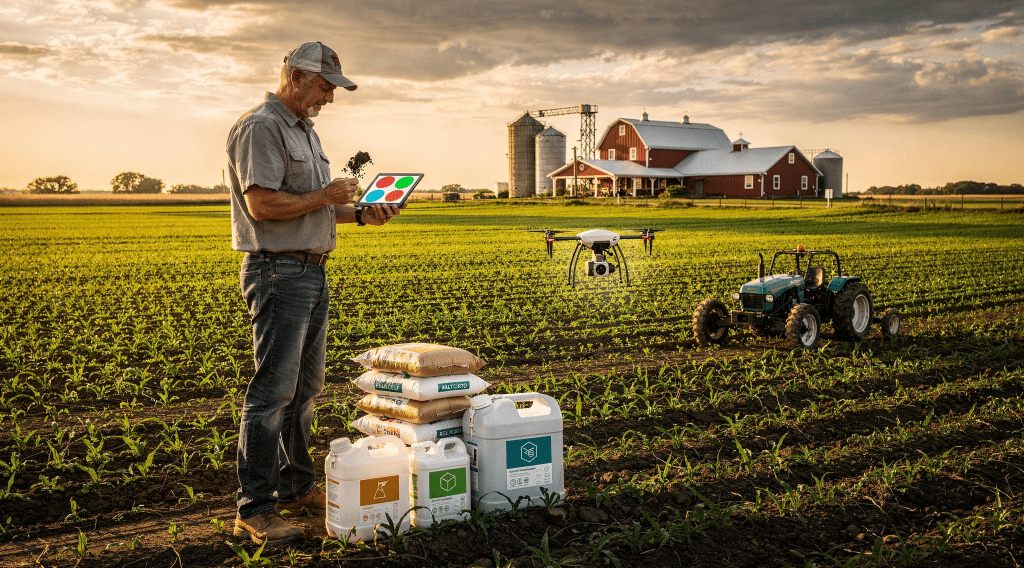
Technology offers some of the most promising avenues for mitigating farm input costs. Precision agriculture, once a niche concept, is now a mainstream necessity. By optimizing the application of inputs, growers can achieve significant savings.
Precision Agriculture and Data Analytics
Variable Rate Application (VRA): This technology allows for the precise application of fertilizers, pesticides, and water based on real-time field data. Instead of blanket application, VRA systems use GPS, sensors, and historical yield data to apply inputs only where and when they are needed. This can lead to substantial reductions in fertilizer and pesticide use without compromising yields. For instance, soil sampling combined with VRA can identify specific nutrient deficiencies in different zones of a field, preventing over-application in areas that don’t require it.
GPS-Guided Equipment: Autosteer and GPS-guided planters, sprayers, and harvesters reduce overlap, minimize fuel consumption, and optimize field efficiency. By ensuring precise passes, growers can save on fuel, reduce wear and tear on equipment, and make more efficient use of their time. The reduction in overlap directly translates to less wasted seed, fertilizer, and chemicals.
Remote Sensing and Drones: Drones equipped with multispectral cameras can provide high-resolution imagery to identify crop stress, pest infestations, and nutrient deficiencies long before they are visible to the naked eye. This early detection allows for targeted intervention, reducing the overall need for broad-spectrum pesticides or fertilizers. Satellite imagery offers a broader perspective, aiding in large-scale field monitoring and yield prediction, which in turn informs input purchasing decisions.
Farm Management Software (FMS): Integrated FMS platforms allow growers to track every aspect of their operation, from planting to harvest. By analyzing data on input usage, labor hours, yield per acre, and equipment maintenance, growers can identify inefficiencies and make data-driven decisions to optimize resource allocation. This software can also help in forecasting future input needs, enabling more strategic purchasing.
IoT Sensors: Sensors deployed in fields can monitor soil moisture, temperature, and nutrient levels in real-time. This data is invaluable for optimizing irrigation schedules and fertilizer applications, preventing over-watering or nutrient leaching, and ultimately conserving resources. Smart irrigation systems, for example, can adjust water delivery based on actual plant needs and weather forecasts.
Advanced Machinery and Automation
Investing in newer, more fuel-efficient machinery can provide long-term savings despite the initial capital outlay. Modern tractors and implements are designed with advanced engines and hydraulic systems that consume less fuel per hour of operation. Furthermore, automation in tasks like planting, harvesting, and even weeding (e.g., robotic weeders) can significantly reduce labor costs and improve operational efficiency.
Embracing Sustainable Agricultural Practices
Sustainable farming practices are not just environmentally responsible; they are increasingly economically viable, offering significant opportunities to reduce farm input costs.
Soil Health Management
No-Till and Minimum Tillage: Reducing or eliminating tillage can dramatically decrease fuel consumption for fieldwork, as fewer passes are required. It also improves soil structure, increases organic matter, and enhances water infiltration, leading to healthier soil that is less reliant on synthetic fertilizers and irrigation. Healthier soil also has a greater capacity to retain nutrients, reducing leaching and the need for frequent reapplication.
Cover Cropping: Planting cover crops between cash crop cycles helps prevent soil erosion, suppress weeds, and add organic matter and nitrogen back into the soil. This reduces the need for herbicides and synthetic nitrogen fertilizers, directly lowering input costs. Cover crops also improve soil biodiversity and water retention, making the land more resilient to drought and extreme weather events.
Crop Rotation: A well-planned crop rotation system can break pest and disease cycles, reduce weed pressure, and improve soil fertility. By rotating crops with different nutrient requirements and growth habits, growers can minimize the need for pesticides and fertilizers, leading to healthier crops and reduced input expenses.
Integrated Pest Management (IPM)
IPM is a holistic approach to pest control that prioritizes prevention and uses chemical interventions only when necessary. This involves monitoring pest populations, using beneficial insects, crop rotation, and resistant varieties. By reducing reliance on broad-spectrum pesticides, growers can save money and protect beneficial insects crucial for pollination and natural pest control.
Water Conservation
Efficient irrigation systems, such as drip irrigation or subsurface drip irrigation (SDI), deliver water directly to the plant roots, minimizing evaporation and runoff. Combined with soil moisture sensors and weather monitoring, these systems can significantly reduce water consumption and associated pumping costs. In regions facing water scarcity, these technologies are not just cost-saving but essential for continued operation.
Optimizing Supply Chain and Purchasing Strategies
The way growers procure their inputs can have a substantial impact on overall farm input costs. Strategic purchasing and strong supplier relationships are key.
Bulk Purchasing and Forward Contracts
When feasible, purchasing inputs like fertilizer, fuel, and seeds in bulk can often secure better per-unit prices. Forward contracts, where growers agree to purchase inputs at a predetermined price for future delivery, can hedge against price volatility, especially for commodities like fuel and fertilizer. This requires careful market analysis and risk assessment.
Cooperative Buying and Group Purchasing
Joining or forming a cooperative allows growers to pool their purchasing power, negotiating better prices with suppliers due to larger order volumes. This is particularly effective for smaller and medium-sized farms that may not have the individual volume to secure significant discounts.
Diversifying Suppliers
Relying on a single supplier can leave growers vulnerable to price increases or supply disruptions. Cultivating relationships with multiple suppliers for critical inputs creates competition and provides alternatives if one supplier faces issues. Regularly soliciting quotes from different vendors can also ensure competitive pricing.
Local Sourcing
Where possible, sourcing inputs locally can reduce transportation costs and support local economies. While not always feasible for all inputs, exploring local options for certain supplies can offer unexpected savings and strengthen community ties.
Labor Management and Efficiency
Labor is a significant and often rising farm input cost. Optimizing labor use without compromising quality or worker welfare is crucial.
Training and Skill Development
Investing in training for farm workers can increase efficiency, reduce errors, and improve the longevity of equipment. Skilled workers are more productive and can perform tasks more effectively, leading to time and resource savings. Cross-training employees can also create a more flexible workforce, better able to adapt to varying demands.
Mechanization and Automation
As mentioned earlier, mechanization and automation can reduce the reliance on manual labor for repetitive or strenuous tasks. While the initial investment can be substantial, the long-term savings in labor costs and increased efficiency can provide a strong return on investment, especially as labor wages continue to rise.
Seasonal Labor Optimization
For operations relying on seasonal labor, optimizing scheduling and task management can minimize idle time and maximize productivity. Advanced scheduling software and clear communication can ensure that workers are deployed effectively during peak seasons.
Financial Planning and Risk Management
Sound financial planning is the bedrock of mitigating farm input costs and ensuring long-term farm viability.
Budgeting and Cost Tracking
A detailed budget that tracks all expenses, especially input costs, is indispensable. Regularly comparing actual costs against budgeted figures helps identify areas of overspending and allows for timely adjustments. Utilizing farm accounting software can automate much of this process, providing granular insights into where money is being spent.
Cash Flow Management
Effective cash flow management ensures that funds are available when needed for input purchases, preventing reliance on high-interest short-term loans. This includes managing receivables, optimizing payment terms with suppliers, and maintaining adequate operating capital.
Insurance and Hedging Strategies
Crop insurance can protect against yield losses due to weather or disease, indirectly mitigating the impact of wasted input costs on failed crops. For larger operations, hedging strategies in commodity markets (e.g., for fuel or grain prices) can buffer against extreme price volatility, providing more predictable cost structures. While complex, these tools can be powerful risk management instruments.
Government Programs and Subsidies
US growers should actively explore and utilize available government programs, subsidies, and grants. These can include conservation programs that offer financial assistance for adopting sustainable practices, disaster relief, or commodity support programs. Staying informed about these opportunities can provide significant financial relief and support for cost-saving initiatives.
Energy Efficiency and Renewable Energy
Energy is a pervasive farm input cost, from powering irrigation pumps to heating barns and drying grain. Reducing energy consumption and exploring alternative sources can lead to substantial savings.
Energy Audits and Upgrades
Conducting an energy audit can identify areas of inefficiency in farm operations. Upgrading to more energy-efficient equipment, such as LED lighting, high-efficiency motors, and insulated structures, can significantly reduce electricity and heating costs. For irrigation, optimizing pump efficiency and reducing friction losses in pipes can lead to substantial power savings.
On-Farm Renewable Energy
Investing in on-farm renewable energy sources like solar panels or wind turbines can offset electricity costs and even generate income through net metering. While requiring an initial investment, the long-term savings and potential for energy independence can be very attractive, especially with various tax incentives and grants often available for renewable energy projects.
Biofuels and Alternative Fuels
Exploring the use of biofuels or alternative fuels for farm machinery, where viable, can reduce reliance on volatile fossil fuel markets. Research and development in this area are ongoing, and staying abreast of advancements can open new cost-saving opportunities.
Education, Collaboration, and Continuous Improvement
The agricultural sector is constantly evolving. Staying informed and open to new ideas is paramount for managing farm input costs effectively.
Continuous Learning
Attending workshops, webinars, and agricultural conferences allows growers to learn about the latest technologies, best practices, and market trends. Engaging with extension services and university research programs provides access to cutting-edge information and localized expertise. The knowledge gained can directly translate into more efficient operations and reduced expenses.
Networking and Peer-to-Peer Learning
Connecting with other growers, sharing experiences, and discussing challenges can lead to innovative solutions. Peer networks can offer practical advice, introduce new strategies, and even facilitate cooperative purchasing agreements. The collective wisdom of the farming community is an invaluable resource.
Adopting a Mindset of Continuous Improvement
Cost mitigation is not a one-time event but an ongoing process. Regularly reviewing operational data, evaluating the effectiveness of implemented strategies, and being willing to adapt to new information are crucial. The goal is to foster a culture of efficiency and innovation across the entire farm operation.
Conclusion: A Resilient Future for US Growers
The challenge of rising farm input costs is significant, but it is not insurmountable. By strategically embracing technology, adopting sustainable practices, optimizing supply chains, managing labor efficiently, and engaging in sound financial planning, US growers can not only mitigate inflationary pressures but also enhance the overall resilience and profitability of their operations. Aiming for a 5% reduction in input costs by 2026 is an ambitious yet achievable goal, one that requires a holistic and proactive approach.
The strategies outlined in this article are interconnected; implementing one often reinforces the benefits of another. For example, precision agriculture (technology) supports sustainable practices by reducing input use, which in turn improves soil health and lowers overall costs. Financial planning ties everything together, ensuring that investments in new technologies or practices are sound and yield positive returns.
As the agricultural sector continues to navigate an uncertain economic climate, the growers who are most adaptable, informed, and committed to continuous improvement will be the ones who thrive. By taking decisive action now, US growers can build a more secure, sustainable, and profitable future for their farms, ensuring food security and economic vitality for the nation.