Robotic Harvesting Technologies: Boosting Labor Efficiency by 25% in Specialty Crops by 2026
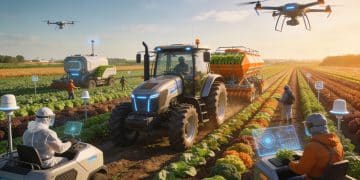
The agricultural landscape is on the cusp of a profound transformation, driven by an urgent need for increased efficiency, reduced labor dependency, and enhanced sustainability. Nowhere is this more evident than in the realm of specialty crops, where manual labor has historically been the cornerstone of harvesting operations. However, this reliance comes with significant challenges, including rising labor costs, scarcity of skilled workers, and the inherent variability of human performance. Enter robotic harvesting technologies – a game-changer poised to redefine how we cultivate and collect our most delicate and valuable produce. The promise is not merely incremental improvement but a revolutionary leap: a projected 25% boost in labor efficiency in specialty crops by 2026, spearheading a new era of precision agriculture.
This ambitious target is more than just a bold prediction; it’s a strategic imperative fueled by rapid advancements in artificial intelligence, computer vision, and sophisticated mechatronics. Robotic harvesting is no longer a distant dream but a tangible reality, with innovative solutions emerging for everything from strawberries and tomatoes to apples and peppers. These intelligent machines are designed to mimic the dexterity and discernment of human pickers, but with unparalleled consistency, speed, and tireless operation, promising to alleviate some of the most pressing issues faced by growers today. Let’s delve into the intricate world of robotic harvesting efficiency, exploring the underlying technologies, the benefits they bring, the challenges they must overcome, and the exciting future they herald for specialty crop production.
Anúncios
The Imperative for Robotic Harvesting Efficiency in Specialty Crops
Specialty crops, encompassing fruits, vegetables, nuts, and horticultural products, are vital components of global food systems and economies. However, their production is notoriously labor-intensive. Unlike commodity crops that can often be harvested mechanically with relative ease, specialty crops frequently require careful handling, selective picking based on ripeness, and intricate post-harvest processing. This makes them highly susceptible to labor shortages and escalating wage costs, which directly impact profitability and, ultimately, food prices.
The agricultural sector worldwide has been grappling with a shrinking labor pool for years. Factors such as aging farm populations, stricter immigration policies, and a general decline in interest in manual farm labor have exacerbated this issue. For specialty crop growers, this means higher operational costs, potential crop losses due to unharvested produce, and increased pressure to find sustainable, long-term solutions. The COVID-19 pandemic further highlighted the fragility of manual labor supply chains, underscoring the urgent need for automation.
Beyond labor challenges, there’s also the drive for greater consistency and reduced waste. Human harvesters, despite their skill, are prone to fatigue, variability in picking quality, and occasional damage to delicate produce. Robots, on the other hand, can operate with consistent precision, 24/7, under varying environmental conditions, ensuring optimal ripeness selection and minimal bruising. This not only enhances product quality but also reduces food waste, contributing to a more sustainable agricultural model. Achieving enhanced robotic harvesting efficiency is thus not merely an option but a strategic necessity for the continued viability and growth of the specialty crop sector.
Anúncios
Core Technologies Driving Robotic Harvesting
The remarkable progress in robotic harvesting efficiency is underpinned by a convergence of several cutting-edge technologies. These innovations work in concert to empower robots to perceive, analyze, decide, and act in complex agricultural environments.
Advanced Computer Vision and AI
At the heart of any successful harvesting robot lies its ability to ‘see’ and ‘understand’ its environment. This is where advanced computer vision systems, often powered by artificial intelligence (AI) and machine learning (ML), play a crucial role. High-resolution cameras, sometimes coupled with multispectral or hyperspectral imaging, capture detailed visual data of crops. AI algorithms are then trained on vast datasets of images to identify fruits or vegetables, distinguish between ripe and unripe produce, detect anomalies or diseases, and even estimate the optimal picking point and trajectory.
For instance, for delicate crops like strawberries, AI can differentiate between various stages of ripeness based on color, size, and even subtle textural cues. For tree fruits such as apples, computer vision can locate fruits amidst dense foliage, estimate their 3D position, and guide the robotic arm to approach them without damaging surrounding branches or other fruits. The accuracy and speed of these vision systems are continuously improving, making robotic harvesting more reliable and efficient.
Sophisticated Robotic Arms and End-Effectors
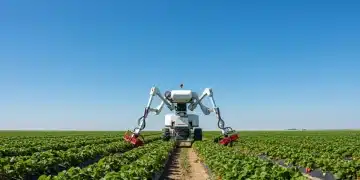
Once a target fruit or vegetable is identified, a robotic arm must execute the picking action with precision and gentleness. Modern robotic arms designed for agriculture are characterized by multiple degrees of freedom, allowing for flexible movements that mimic human dexterity. These arms are often lightweight yet robust, capable of operating in challenging outdoor or greenhouse conditions.
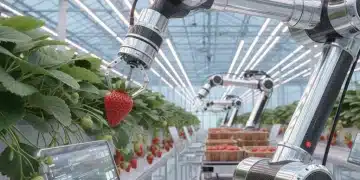
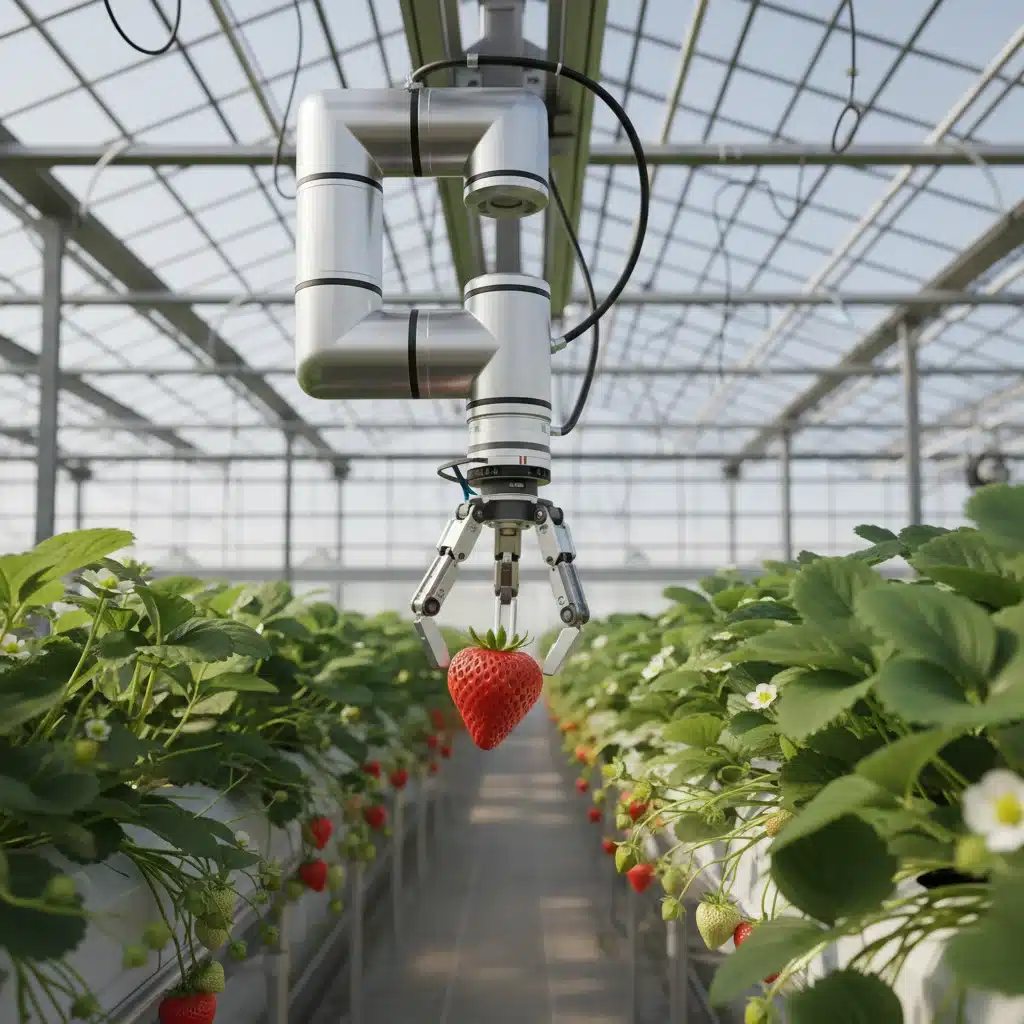
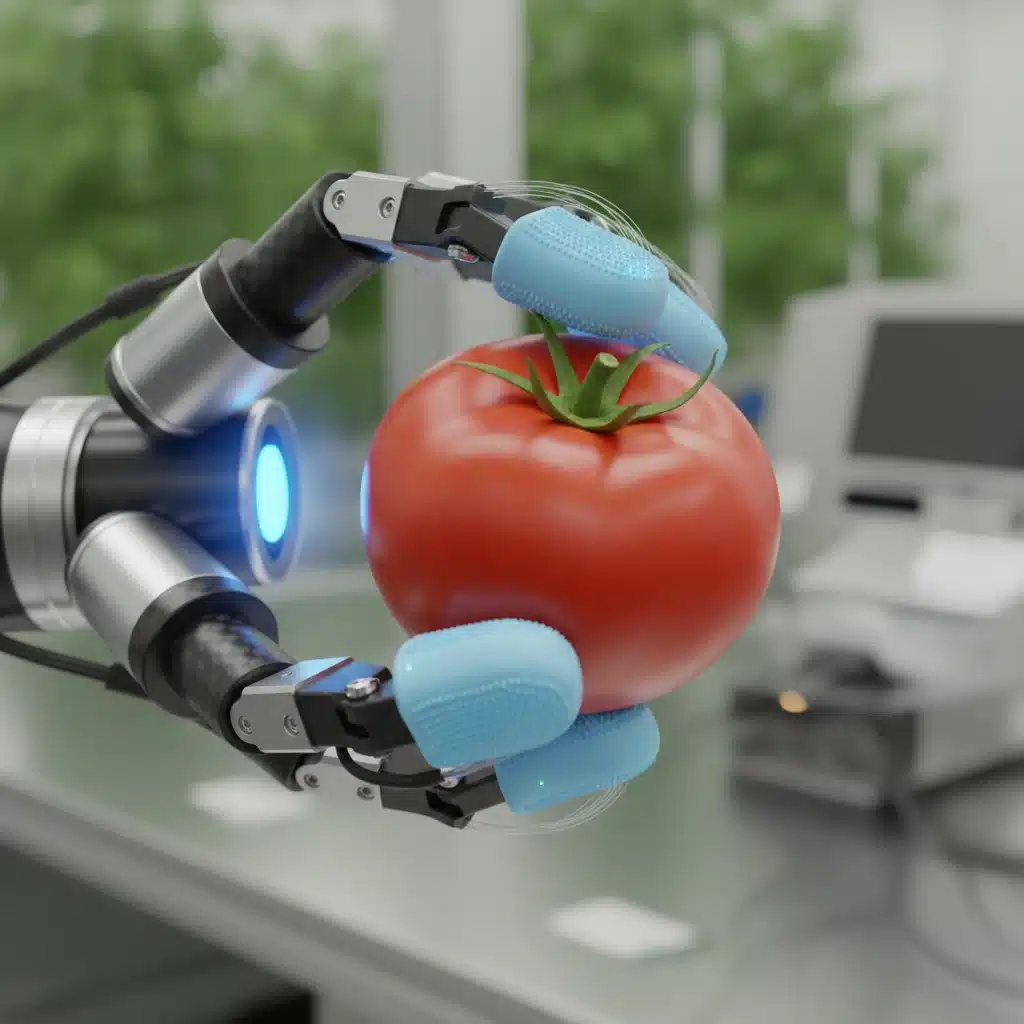
The ‘hand’ of the robot, known as the end-effector or gripper, is perhaps the most critical component for handling delicate produce. Traditional robotic grippers might be too harsh for soft fruits. Therefore, specialized soft robotics and compliant mechanisms have been developed. These grippers often incorporate pneumatic systems, suction cups, or soft, deformable materials that can gently grasp and detach produce without bruising or tearing. Some advanced grippers even integrate force sensors to adjust their grip pressure in real-time, ensuring optimal handling for different crop types and ripeness levels. This meticulous design of end-effectors is paramount to achieving high robotic harvesting efficiency without compromising product quality.
Autonomous Navigation and Mobility
For robots to operate effectively in large fields or complex greenhouse layouts, they need robust autonomous navigation capabilities. This involves a combination of GPS, LiDAR (Light Detection and Ranging), ultrasonic sensors, and inertial measurement units (IMUs) to map the environment, track their own position, and plan efficient paths. SLAM (Simultaneous Localization and Mapping) algorithms enable robots to build maps of their surroundings while simultaneously locating themselves within those maps, even in dynamic agricultural settings.
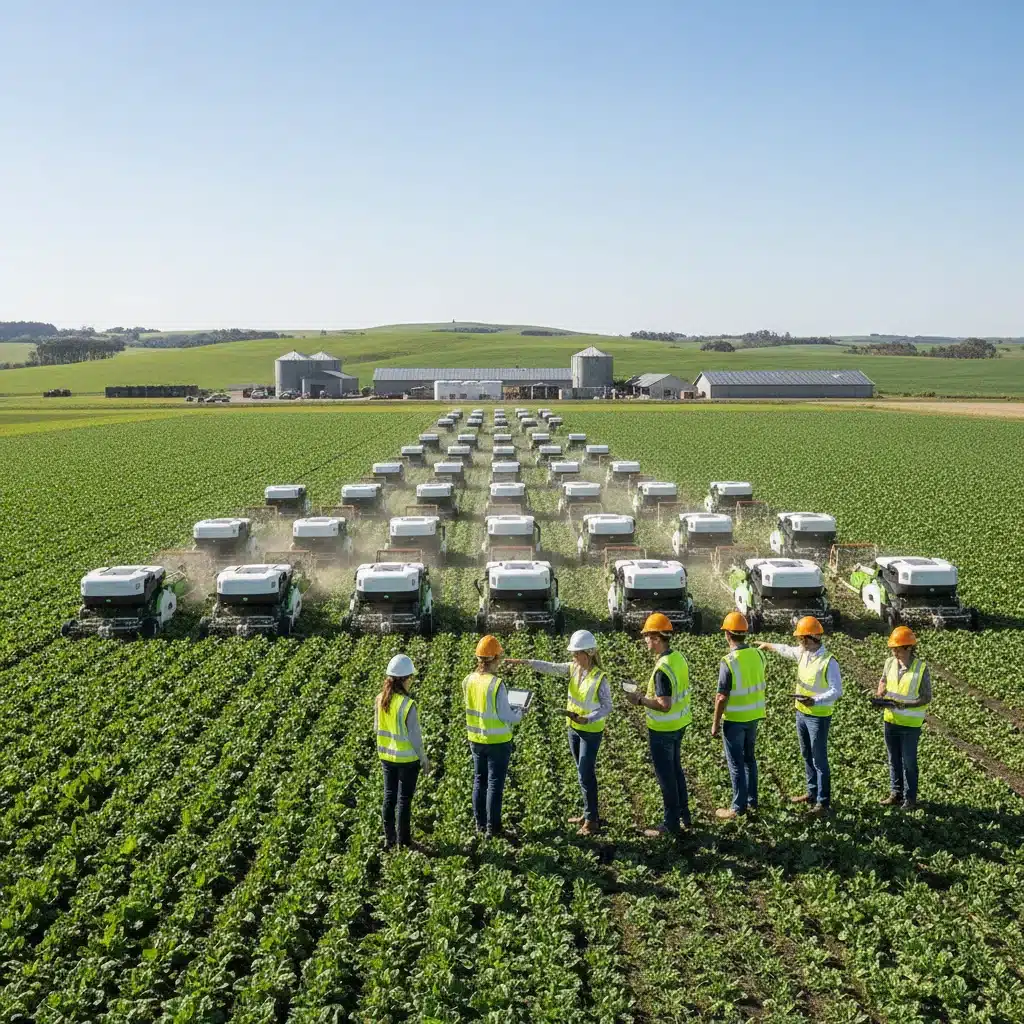
The mobility platforms vary depending on the crop and terrain. For ground-level crops like strawberries or leafy greens, robots might use wheeled or tracked chassis. For tree fruits, more complex platforms, sometimes with articulated legs or telescopic lifts, are required to reach higher branches. The ability of these robots to navigate autonomously, avoid obstacles, and seamlessly move between rows or plants significantly contributes to overall robotic harvesting efficiency, minimizing downtime and maximizing operational coverage.
Economic and Operational Benefits of Increased Robotic Harvesting Efficiency
The projected 25% boost in labor efficiency by 2026 through robotic harvesting is not merely an abstract figure; it translates into tangible economic and operational benefits for specialty crop growers.
Reduced Labor Costs and Dependency
The most immediate and significant benefit is the reduction in reliance on manual labor, which directly impacts labor costs. Robots can operate for extended hours without breaks, sick days, or wage increases, providing a predictable and stable harvesting force. While the initial investment in robotic systems can be substantial, the long-term operational savings often outweigh these costs, particularly in regions with high minimum wages or chronic labor shortages. This allows growers to allocate human labor to more complex, supervisory, or value-added tasks, optimizing their workforce.
Increased Yield and Reduced Waste
Robots can be programmed to pick at optimal ripeness, ensuring that every harvested item meets quality standards. Their consistent operation minimizes damage to crops that might occur with human variability. Furthermore, robots can potentially perform multiple passes over a field, picking only the ripe produce each time, which can lead to higher overall yields compared to a single, less selective human harvest. By reducing bruising, mishandling, and selective picking errors, robotic harvesting directly contributes to less post-harvest waste, increasing the marketable yield and improving profitability.
Enhanced Quality and Market Access
The consistency and gentleness of robotic picking lead to a higher quality product. Uniformly ripe, undamaged produce commands better prices and enhances a grower’s reputation. This improved quality can open doors to new markets, including premium segments or export opportunities that demand stringent quality control. Moreover, the ability to harvest crops at their peak ripeness ensures better flavor and shelf life, benefiting both producers and consumers.
Improved Data Collection and Farm Management
Robotic harvesters are not just picking machines; they are also sophisticated data collection platforms. As they move through fields, they can gather invaluable data on individual plant health, ripeness levels, yield estimates per plant, and even detect early signs of disease or pest infestation. This real-time, granular data can be integrated into broader farm management systems, enabling growers to make more informed decisions regarding irrigation, fertilization, pest control, and future crop planning. This data-driven approach leads to optimized resource utilization and further boosts overall farm efficiency.
Challenges and Limitations in Achieving Widespread Robotic Harvesting Efficiency
Despite the immense potential, the path to widespread robotic harvesting efficiency is not without its hurdles. Several challenges need to be addressed for these technologies to become ubiquitous in specialty crop farming.
High Initial Investment Costs
One of the most significant barriers to adoption is the high upfront cost of robotic systems. Developing and manufacturing sophisticated robots with advanced AI, vision systems, and delicate grippers is expensive. For many small to medium-sized specialty crop farms, this initial investment can be prohibitive, even with the promise of long-term savings. Manufacturers are working to reduce costs through mass production and modular designs, but affordability remains a key concern.
Adaptability to Crop Variability and Environment
Agricultural environments are inherently unstructured and unpredictable. Crops vary in size, shape, color, and density, even within the same variety. Weather conditions, lighting changes, terrain irregularities, and the presence of weeds or pests all add complexity. Designing robots that can adapt seamlessly to this high degree of variability – from distinguishing a ripe blueberry from an unripe one amidst leaves to navigating a muddy field after rain – is a monumental engineering challenge. While significant progress has been made, perfect adaptability across all specialty crops and conditions is still an ongoing research area.
Speed and Throughput
While robots offer consistency, their picking speed often lags behind skilled human pickers, especially for very dense or complex crops. For robotic harvesting to be truly competitive and achieve the desired 25% efficiency boost, the throughput (amount of produce harvested per unit of time) must increase significantly while maintaining quality. This requires faster vision systems, more agile robotic arms, and optimized path planning algorithms. Balancing speed with the delicate handling required for specialty crops is a fine line.
Integration with Existing Farm Infrastructure
Introducing robotic systems often requires modifications to existing farm infrastructure. This could include changes to planting patterns, trellising systems, or even the layout of greenhouses to facilitate robot movement and operation. Furthermore, integrating robotic data with existing farm management software and ensuring interoperability between different robotic platforms can be complex. Seamless integration is crucial for maximizing the benefits of automation.
Maintenance and Technical Expertise
Robotic systems, like any advanced machinery, require regular maintenance and occasional repairs. Farmers need access to skilled technicians and spare parts, which might not always be readily available in remote agricultural areas. There’s also a need for training farm personnel to operate, monitor, and troubleshoot these complex machines, representing a new skill set for the agricultural workforce.
Case Studies and Promising Developments
Despite the challenges, numerous success stories and promising developments illustrate the rapid progression towards achieving significant robotic harvesting efficiency.
Strawberry Harvesting Robots
Strawberries, being delicate and requiring precise ripeness detection, have long been a focal point for robotic harvesting research. Companies like Harvest CROO Robotics in Florida have developed machines capable of autonomously navigating strawberry fields, identifying ripe berries, and picking them with specialized grippers. These robots are already demonstrating capabilities of harvesting a field faster than human crews, with comparable or even superior quality, significantly contributing to labor efficiency in strawberry production.
Tomato and Pepper Picking Robots
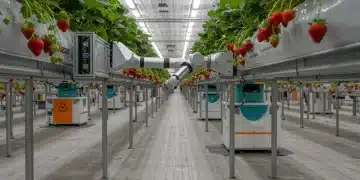
For greenhouse-grown crops like tomatoes and peppers, robots are proving particularly effective in controlled environments. Israeli company MetoMotion has developed a robotic system for harvesting greenhouse tomatoes that can identify ripe fruit, detach it, and place it into a collection bin. Similarly, robots are being designed for bell pepper harvesting, using 3D vision to locate peppers and carefully cut their stems. The controlled conditions of greenhouses reduce environmental variability, making these applications more straightforward and immediately impactful for robotic harvesting efficiency.
Orchard and Vine Robots
Harvesting tree fruits like apples and grapes presents unique challenges due to height, branch density, and fruit distribution. However, significant strides are being made. Companies are developing robotic platforms equipped with multiple arms and advanced vision systems to pick apples, cherries, and even prune grapevines. These systems often employ suction-based grippers or gentle cutting mechanisms to harvest fruits without damage, promising to revolutionize labor-intensive orchard operations and boost overall robotic harvesting efficiency in these sectors.
Soft Robotics and AI Integration
The field of soft robotics is particularly exciting for specialty crops. These robots use flexible, compliant materials that can adapt to the shape of an object, providing a gentle yet firm grip. When combined with advanced AI, these soft robotic grippers can learn to handle an even wider variety of delicate produce, from mushrooms to leafy greens, with unprecedented care. The continuous integration of more sophisticated AI algorithms is enabling robots to learn faster, adapt better to new environments, and perform more complex tasks autonomously.
The Future Outlook: Achieving the 25% Efficiency Boost by 2026
The target of a 25% boost in labor efficiency in specialty crops by 2026 through robotic harvesting is ambitious but increasingly attainable. Several trends and developments are paving the way for this transformative shift.
Continued Technological Refinement
Ongoing research and development will lead to even more accurate vision systems, faster and more agile robotic arms, and highly specialized end-effectors tailored for specific crops. Miniaturization of components, improved battery life, and enhanced durability will make robots more practical and robust for agricultural use. The integration of edge computing will allow robots to process data faster on-site, reducing reliance on cloud connectivity and improving real-time decision-making.
Increased Affordability and Accessibility
As robotic harvesting technologies mature and production scales up, unit costs are expected to decrease. Business models like Robotics-as-a-Service (RaaS) are emerging, allowing farmers to lease robotic equipment rather than making large upfront purchases. This will make robotic solutions more accessible to a broader range of growers, including smaller farms, accelerating adoption and contributing to the overall increase in robotic harvesting efficiency across the sector.
Hybrid Labor Models
The future of agricultural labor is unlikely to be entirely robotic. Instead, a hybrid model is anticipated, where robots handle the repetitive, high-volume, and physically demanding tasks, while human workers focus on supervision, maintenance, quality control, and more nuanced tasks that still require human judgment. This synergy will optimize the strengths of both humans and machines, leading to unprecedented levels of labor efficiency and job satisfaction in agriculture.
Policy Support and Investment
Governments and agricultural organizations worldwide are recognizing the strategic importance of automation in farming. Increased funding for research, grants for technology adoption, and supportive policies will play a crucial role in accelerating the deployment of robotic harvesting solutions. This institutional support will help overcome financial barriers and foster innovation, driving the industry towards its efficiency goals.
Standardization and Interoperability
As more robotic systems enter the market, there will be a growing need for standardization in communication protocols, data formats, and operational interfaces. This will enable different robots and farm management systems to communicate seamlessly, creating a more integrated and efficient farm ecosystem. Interoperability will reduce complexity for farmers and further enhance the overall robotic harvesting efficiency of automated operations.
Conclusion
The journey towards achieving a 25% boost in labor efficiency in specialty crops by 2026 through robotic harvesting technologies is an exciting and complex one. It represents a paradigm shift from traditional, labor-intensive farming practices to a highly automated, data-driven, and sustainable agricultural future. While challenges related to cost, adaptability, and speed persist, the rapid advancements in AI, computer vision, and robotics are consistently overcoming these hurdles.
The economic benefits – including reduced labor costs, increased yields, enhanced product quality, and superior data insights – provide compelling reasons for growers to embrace these innovations. As robotic systems become more sophisticated, affordable, and integrated into farm operations, they will not replace human labor entirely but rather augment it, allowing agricultural workers to focus on higher-value tasks. The collaboration between humans and intelligent machines will create a more resilient, productive, and sustainable specialty crop sector capable of meeting the growing global demand for high-quality food. The future of farming is here, and it’s being harvested by robots, ushering in an era of unparalleled robotic harvesting efficiency.