AI in Agriculture: Cutting Crop Losses by 20% by 2026
Anúncios
AI in Agriculture: Cutting Crop Losses by 20% by 2026
The global agricultural landscape is constantly evolving, facing myriad challenges ranging from climate change and resource scarcity to the persistent threat of pests and diseases. These challenges not only impact food security but also significantly affect farmers’ livelihoods and national economies. Traditional methods of pest and disease detection, often relying on manual inspection, are labor-intensive, time-consuming, and frequently reactive rather than proactive. This delay in identification and intervention often leads to substantial crop losses, estimated to be between 20% and 40% globally each year. However, a revolutionary shift is underway, driven by the rapid advancements in Artificial Intelligence (AI). AI is emerging as a game-changer, promising to transform how we monitor, detect, and manage threats to crop health. The integration of AI into agricultural practices is not just an incremental improvement; it’s a paradigm shift with the potential to dramatically reduce crop losses. Industry experts and researchers are projecting that by 2026, AI-powered solutions will contribute to a remarkable 20% reduction in crop losses. This ambitious goal is within reach, thanks to AI’s unparalleled ability to process vast amounts of data, identify subtle patterns, and provide actionable insights with unprecedented speed and accuracy. The implications of this transformation are profound, promising a more sustainable, efficient, and resilient agricultural future.
Anúncios
This article delves into the transformative power of AI in agriculture, focusing specifically on its role in pest and disease detection. We will explore the various AI technologies being deployed, the mechanisms through which they operate, and the tangible benefits they offer. Furthermore, we will examine the challenges that need to be addressed for widespread adoption and the exciting future prospects that AI holds for ensuring food security and bolstering agricultural productivity worldwide. The journey towards a 20% reduction in crop losses by 2026 is an ambitious yet achievable one, paved by innovation and intelligent technological integration.
The Critical Need for Advanced Pest and Disease Detection
Pests and diseases represent an insidious and relentless threat to global agriculture. From microscopic fungi to invasive insect species, these biological agents can devastate entire harvests, leading to economic ruin for farmers and contributing to food scarcity. The sheer scale of the problem is staggering; annual crop losses due to pests and diseases amount to hundreds of billions of dollars globally. Beyond the immediate economic impact, these losses exacerbate food insecurity, particularly in developing regions where agricultural output is critical for survival. The traditional approaches to managing these threats have inherent limitations. Manual scouting, while foundational, is inherently inefficient. Farmers or agricultural experts must visually inspect fields, a process that is time-consuming, labor-intensive, and prone to human error. Early signs of infestation or infection can be easily missed, allowing the problem to escalate before intervention. By the time symptoms become overtly visible, the damage might already be extensive, requiring more aggressive and often more costly treatments. Moreover, traditional methods often rely on broad-spectrum pesticides or fungicides, which can have detrimental environmental impacts, affecting beneficial insects, soil health, and water quality. The overuse of these chemicals also contributes to the development of resistance in pest populations, creating a vicious cycle that demands ever-stronger interventions. The challenges extend to the speed of response. Once a problem is identified, there’s a critical window for effective intervention. Delays can mean the difference between saving a crop and losing it entirely. Furthermore, identifying the specific pathogen or pest accurately often requires laboratory analysis, which can take days or even weeks, by which time the spread may be irreversible. This combination of inefficiency, environmental concerns, and delayed response underscores the urgent need for more sophisticated, precise, and proactive detection systems. This is precisely where AI steps in, offering a transformative solution to these long-standing agricultural dilemmas, paving the way for significantly improved crop health management and the ambitious goal of AI crop loss prevention.
How AI is Revolutionizing Pest and Disease Detection
Artificial Intelligence brings a suite of powerful capabilities to the agricultural sector, fundamentally altering how pests and diseases are identified and managed. Its ability to process and analyze vast datasets at speeds impossible for humans is at the core of this revolution. Let’s delve into the specific AI-driven technologies and methodologies that are driving this change.
Anúncios
Machine Learning and Deep Learning for Image Recognition
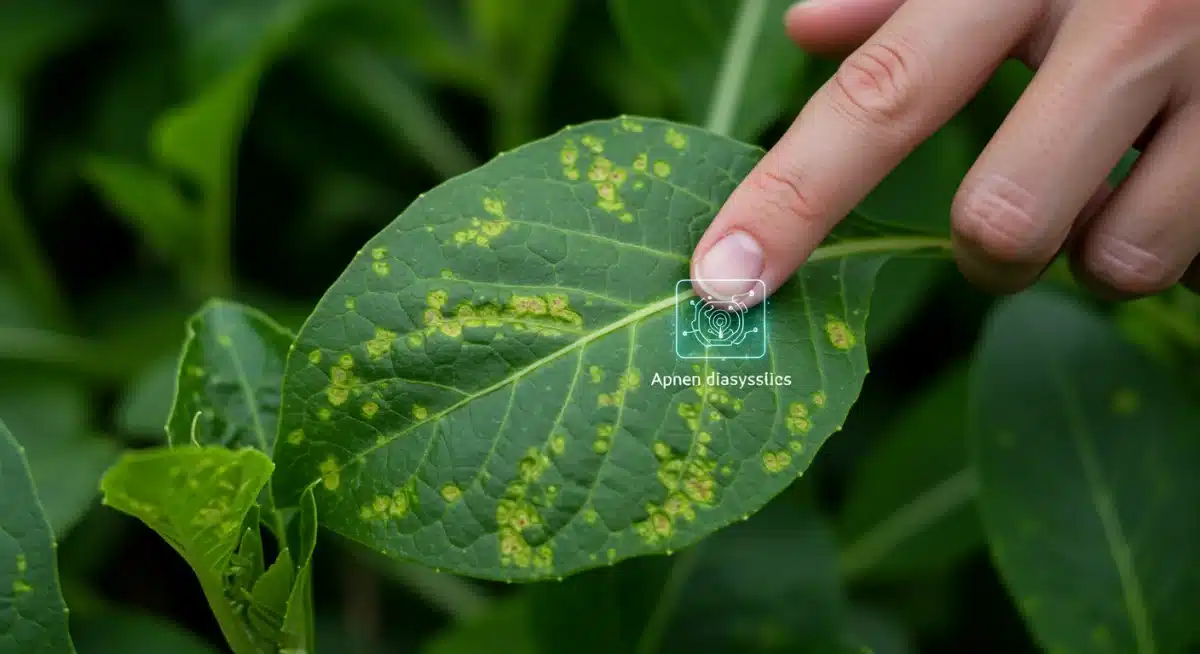
At the forefront of AI-powered detection are machine learning (ML) and deep learning (DL) algorithms, particularly convolutional neural networks (CNNs). These sophisticated algorithms are trained on massive datasets of images and videos of crops, encompassing healthy plants, different stages of pest infestations, and various disease symptoms. Once trained, these models can accurately classify and identify anomalies in real-time. For instance, a CNN can be trained to distinguish between a healthy tomato leaf and one showing early signs of blight, or to identify specific insect species based on their body shape and movement patterns. This capability is crucial for early detection, as it allows for intervention before widespread damage occurs. The more data these models are fed, the more accurate and robust they become, continuously improving their detection capabilities over time. This continuous learning is a key advantage of AI crop loss prevention.
Computer Vision and Drones
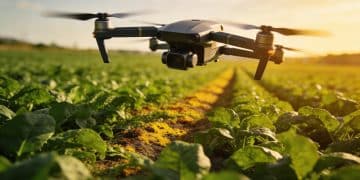
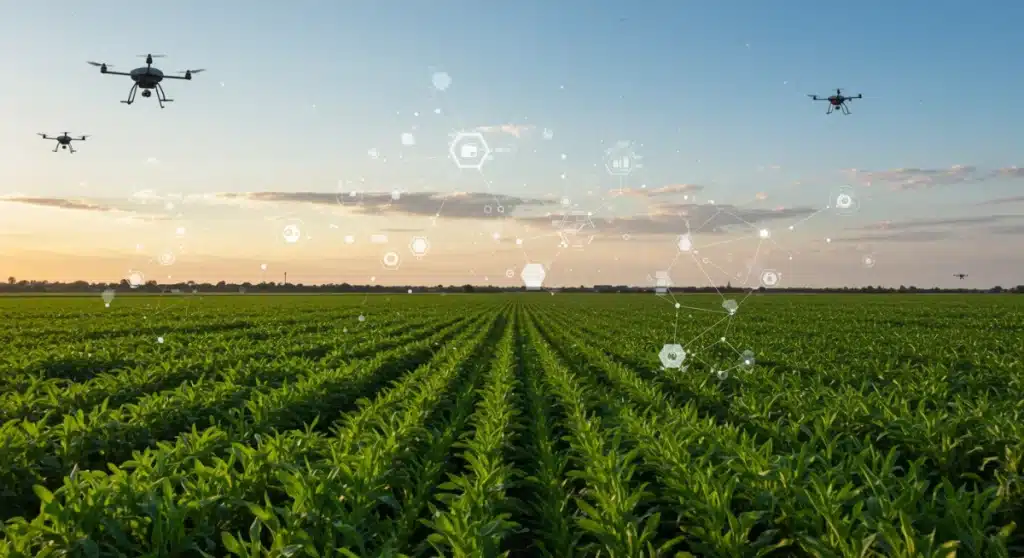
The integration of computer vision with drone technology has created an unparalleled surveillance system for agricultural fields. Drones equipped with high-resolution cameras, multispectral, hyperspectral, and thermal sensors can autonomously fly over vast areas, capturing detailed images and data. Computer vision algorithms then analyze this imagery to detect subtle changes in plant color, texture, temperature, and growth patterns that may indicate stress from pests or diseases. For example, multispectral imagery can reveal changes in chlorophyll content long before visible symptoms appear, signaling early stages of nutrient deficiency or pathogen infection. Thermal cameras can detect localized increases in temperature, which can be an indicator of certain fungal infections or pest activity. This aerial perspective allows for comprehensive field monitoring, identifying localized outbreaks that might be missed during ground-based inspections, and enabling precise, targeted interventions.
AI-Powered Sensors and IoT Devices
Beyond aerial surveillance, AI is also integrated into ground-based sensor networks and Internet of Things (IoT) devices. These sensors can be deployed directly within fields, constantly monitoring environmental conditions such as soil moisture, temperature, humidity, and nutrient levels. AI algorithms analyze this real-time data to identify conditions favorable for pest proliferation or disease development. For example, certain fungal diseases thrive in high humidity and specific temperature ranges. AI can predict the likelihood of an outbreak based on these environmental parameters, providing proactive alerts to farmers. Furthermore, some advanced sensors can even detect volatile organic compounds (VOCs) emitted by plants under stress, offering another layer of early detection for AI crop loss prevention.
Predictive Analytics and Early Warning Systems
AI’s strength lies not just in detection but also in prediction. By combining historical data on weather patterns, pest cycles, disease outbreaks, and crop growth, AI models can develop sophisticated predictive analytics. These systems can forecast the risk of specific pest infestations or disease epidemics based on current and projected environmental conditions. For example, if a region experiences a particular sequence of temperature and rainfall, AI can predict an increased likelihood of a certain fungal disease appearing in the coming weeks. This allows farmers to implement preventative measures, such as applying biological controls or resistant crop varieties, well before an outbreak occurs, thereby minimizing the need for reactive and often more damaging interventions. These early warning systems are pivotal for proactive AI crop loss prevention strategies.
Robotics and Automated Intervention
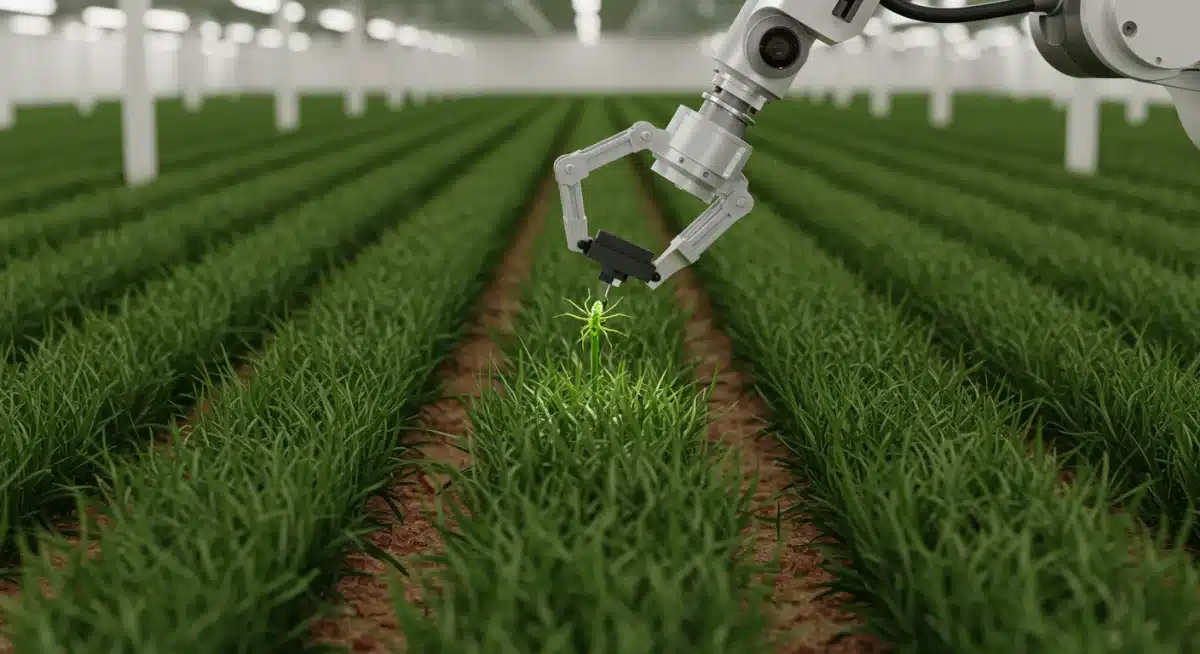
The application of AI extends beyond detection and prediction to automated intervention. AI-powered robots are being developed to perform precise tasks in the field. These robots, guided by AI algorithms, can identify individual diseased plants or specific pests and apply targeted treatments, whether it’s a micro-dose of pesticide, a biological agent, or even mechanical removal. This precision agriculture approach significantly reduces the overall use of chemicals, minimizes environmental impact, and ensures that treatments are applied only where and when they are needed. For example, a robot might use computer vision to spot a specific weed and then precisely spray it with herbicide, avoiding damage to the surrounding crop. This level of automation and precision is a testament to AI’s transformative potential in agriculture, directly contributing to the goal of AI crop loss prevention.
In summary, AI is not just a single technology but a suite of interconnected tools that provide a comprehensive solution for pest and disease management. From image recognition and drone surveillance to sensor networks, predictive analytics, and robotic intervention, AI is empowering farmers with unprecedented capabilities to protect their crops, reduce losses, and cultivate a more sustainable and productive agricultural future. The synergy of these technologies is what makes the 20% crop loss reduction target by 2026 a realistic and achievable goal.
Tangible Benefits: Towards a 20% Reduction in Crop Losses by 2026
The integration of AI into pest and disease detection is not merely an academic exercise; it promises significant, measurable benefits that directly contribute to the ambitious goal of reducing crop losses by 20% by 2026. These benefits ripple across the entire agricultural ecosystem, impacting farmers, consumers, and the environment.
Early and Accurate Detection
Perhaps the most critical benefit of AI is its ability to detect issues at their nascent stages. Traditional methods often catch problems when they are already advanced, making effective remediation difficult and costly. AI, through its sophisticated image analysis, sensor data interpretation, and predictive modeling, can identify subtle indicators of stress, infestation, or infection long before they become visible to the human eye. This early detection is paramount. For example, AI can spot a few individual pests before they multiply into a full-blown infestation, or identify the very first signs of a fungal infection on a single leaf before it spreads throughout the field. This accuracy and speed are fundamental to effective AI crop loss prevention.
Precision and Targeted Intervention
Once a threat is identified, AI enables highly precise and targeted interventions. Instead of broad-acre spraying, which can be wasteful and environmentally damaging, AI-driven systems can pinpoint the exact affected areas or even individual plants. This means pesticides or fungicides are applied only where needed, in the correct dosage, minimizing chemical usage. This precision not only reduces costs for farmers but also significantly lessens the environmental footprint of agriculture, protecting biodiversity, soil health, and water quality. It also reduces the risk of chemical residues on crops, making food safer for consumers. Robotic systems, guided by AI, can even perform localized tasks such as removing diseased plants or applying biological controls to specific pests, further enhancing precision.
Reduced Chemical Usage and Environmental Impact
The shift from reactive, blanket spraying to proactive, targeted intervention driven by AI has profound environmental implications. By reducing the overall volume of pesticides and fungicides used, AI helps mitigate the negative impacts associated with these chemicals. This includes protecting pollinators, beneficial insects, and other wildlife, preventing soil and water contamination, and reducing greenhouse gas emissions associated with chemical production and application. This aspect of AI crop loss prevention aligns perfectly with sustainable farming practices and consumer demand for environmentally friendly produce.
Optimized Resource Allocation and Cost Savings
For farmers, AI translates directly into significant cost savings. Reduced chemical usage is a major factor, but the benefits extend further. Early detection prevents widespread damage, saving crops that would otherwise be lost. Optimized irrigation and nutrient management, often integrated with AI pest and disease detection systems, lead to more efficient use of water and fertilizers. Furthermore, by automating monitoring and detection, AI reduces the need for extensive manual labor, freeing up human resources for more complex or strategic tasks. The ability to predict outbreaks allows farmers to plan resources more effectively, ensuring they have the necessary treatments or preventative measures in place, avoiding last-minute, expensive emergency interventions. These efficiencies contribute directly to the economic viability of farms and the overall goal of AI crop loss prevention.
Increased Yields and Food Security
Ultimately, the culmination of early detection, precision intervention, reduced chemical use, and optimized resource allocation leads to a substantial increase in crop yields. Healthier plants produce more, and fewer plants are lost to pests and diseases. This increase in agricultural output directly addresses global food security challenges, ensuring a more stable and abundant food supply for a growing world population. The 20% reduction in crop losses by 2026, driven by AI, would represent a massive step forward in feeding the planet sustainably and efficiently. It strengthens the entire food chain from farm to table.
Challenges and the Path Forward for AI Crop Loss Prevention
While the promise of AI in agriculture is immense, its widespread adoption and the realization of the 20% crop loss reduction target by 2026 are not without challenges. Addressing these hurdles is crucial for unlocking the full potential of AI crop loss prevention.
Data Collection and Quality
AI models are only as good as the data they are trained on. High-quality, diverse, and extensive datasets of healthy and diseased crops, various pest species, and environmental conditions are essential. This data needs to be accurately labeled and representative of different crop varieties, climates, and farming practices. Collecting such vast amounts of data, especially for rare diseases or less common pests, can be a significant undertaking. Standardized data collection protocols and collaborative efforts among research institutions, agricultural companies, and farmers are vital to build robust datasets.
Computational Resources and Infrastructure
Training advanced deep learning models requires substantial computational power. While cloud computing services make this more accessible, reliable internet connectivity and sufficient local processing capabilities are still necessary, particularly in remote agricultural areas. Furthermore, the deployment of AI-powered sensors, drones, and robotic systems requires robust infrastructure, including charging stations, maintenance facilities, and connectivity solutions. Investment in rural broadband and agricultural technology infrastructure is paramount.
Cost of Implementation
The initial investment in AI technologies, including specialized sensors, drones, robots, and software subscriptions, can be high. This can be a barrier for small and medium-sized farms, which constitute a significant portion of the global agricultural sector. Developing affordable, scalable, and user-friendly AI solutions, along with financial incentives, subsidies, and accessible financing options, will be critical for broader adoption. Demonstrating a clear return on investment (ROI) is also key to convincing farmers to make the transition.
Technical Expertise and Training
Operating and maintaining AI systems requires a certain level of technical literacy. Farmers and agricultural workers need training to understand how to use these new tools, interpret the data they provide, and integrate them into their existing farming practices. Educational programs, workshops, and user-friendly interfaces are necessary to bridge this knowledge gap. The development of AI tools that are intuitive and require minimal technical expertise will also accelerate adoption.
Integration with Existing Farming Practices
AI solutions need to seamlessly integrate with current farming operations and management systems. Farmers often have established routines and preferred equipment. New AI tools must complement these rather than disrupt them entirely. Interoperability between different AI systems and existing farm management software is also important to create a cohesive and efficient technological ecosystem.
Regulatory and Ethical Considerations
As AI becomes more pervasive, regulatory frameworks will need to evolve to address issues such as data privacy, the use of autonomous systems, and the potential impact on agricultural labor. Ethical considerations, such as ensuring equitable access to technology and preventing the concentration of power among a few large tech providers, also need careful consideration. Transparent development and deployment of AI are essential.
Trust and Acceptance by Farmers
Ultimately, the success of AI in agriculture hinges on its acceptance by the farming community. Farmers are often pragmatic and risk-averse; they need to see tangible benefits and reliable performance before fully embracing new technologies. Pilot programs, successful case studies, and peer-to-peer knowledge sharing can help build trust and demonstrate the value proposition of AI crop loss prevention.
Despite these challenges, the trajectory for AI in agriculture is overwhelmingly positive. Continued research and development, collaborative partnerships, supportive policies, and a focus on farmer-centric design will pave the way for overcoming these obstacles. The potential for AI to dramatically enhance food security, improve environmental sustainability, and bolster the economic resilience of farming communities makes these efforts not just worthwhile, but absolutely essential. The journey to a 20% reduction in crop losses by 2026 is a collective one, requiring innovation, collaboration, and a shared vision for a more intelligent and sustainable agricultural future.
The Future of Farming: A Vision for 2026 and Beyond
The projection of a 20% reduction in crop losses by 2026 due to AI-powered pest and disease detection is not merely an optimistic forecast; it represents a significant milestone in the ongoing agricultural revolution. This achievement will be a testament to the transformative power of technology when applied to one of humanity’s most fundamental needs: food production. Looking beyond this immediate goal, the future of farming, deeply intertwined with AI, promises even more profound changes.
Hyper-Precision Agriculture
The current advancements are just the beginning of hyper-precision agriculture. In the future, AI systems will not only detect problems but will also precisely quantify the extent of damage, identify the specific strain of pathogen, and recommend the most effective, localized, and minimal intervention down to the individual plant level. This could involve micro-spraying, targeted nutrient delivery, or even gene-editing applications guided by AI to enhance plant resistance. The aim is zero waste and maximum efficiency, taking AI crop loss prevention to its ultimate conclusion.
Autonomous Farms and Robotics
The progression from AI-assisted farming to increasingly autonomous farms is inevitable. Swarms of intelligent drones will continuously monitor fields, while robotic tractors and harvesters will perform tasks with minimal human intervention. Robotic arms will precisely plant, prune, and harvest, optimizing every stage of the crop lifecycle. Human roles will shift from manual labor to overseeing, managing, and optimizing these sophisticated AI systems, demanding new skill sets in agricultural technology and data science.
Integrated Data Ecosystems
The future farm will be a complex, interconnected data ecosystem. AI platforms will integrate data from a multitude of sources: weather forecasts, soil sensors, satellite imagery, market prices, supply chain logistics, and even consumer demand. This holistic data approach will enable farmers to make highly informed decisions, from optimal planting times and crop rotation strategies to predicting market fluctuations and managing inventory. Such integration will create a highly resilient and responsive agricultural system, further enhancing AI crop loss prevention.
AI-Driven Crop Breeding and Genetic Enhancement
AI’s role will extend to the very genetic makeup of crops. Machine learning algorithms can analyze vast genomic datasets to identify desirable traits, accelerate breeding programs, and even predict how different crop varieties will perform under various environmental stressors. This will lead to the development of crops that are inherently more resistant to pests and diseases, more resilient to climate change, and more nutritious, further reducing the vulnerability of crops to loss.
Sustainable and Regenerative Agriculture
AI is a powerful ally in the push towards sustainable and regenerative agricultural practices. By minimizing chemical inputs, optimizing resource use, and promoting soil health through precise monitoring and intervention, AI helps farmers cultivate land in a way that protects and enhances natural ecosystems. Predictive analytics can guide decisions on cover cropping, crop rotation, and nutrient cycling, leading to healthier soils, reduced erosion, and increased biodiversity. This directly contributes to the long-term viability of farming and the planet.
Global Food Security and Equity
Ultimately, the widespread adoption of AI in agriculture has the potential to significantly bolster global food security. By reducing losses, increasing yields, and making farming more efficient, AI can help ensure that there is enough nutritious food to feed a growing global population. Efforts must also focus on ensuring equitable access to these technologies, particularly for smallholder farmers in developing countries, to ensure that the benefits of AI are distributed widely and contribute to reducing global inequalities. This is a critical component of achieving sustainable AI crop loss prevention on a global scale.
The journey to 2026 is a critical stepping stone towards a future where AI is not just an ancillary tool but an intrinsic component of agricultural operations. The promise of dramatically reduced crop losses, coupled with enhanced sustainability and efficiency, paints a compelling picture of the future of farming. It is a future where technology and nature work in harmony, guided by intelligence, to nourish the world.
Conclusion: The Dawn of an AI-Powered Agricultural Era
The agricultural sector stands at the precipice of a profound transformation, spearheaded by the relentless advancements in Artificial Intelligence. The ambitious target of reducing crop losses by 20% by 2026, primarily through enhanced pest and disease detection, is not merely a hopeful aspiration but a tangible goal supported by an array of cutting-edge AI technologies. From the sophisticated image recognition capabilities of deep learning algorithms and the expansive surveillance provided by AI-equipped drones to the predictive power of sensor networks and the precision of robotic interventions, AI is fundamentally reshaping how we safeguard our food supply.
The benefits of this AI-powered agricultural era are multifaceted and far-reaching. Farmers stand to gain immensely from early and accurate detection, leading to more targeted interventions, significant reductions in chemical usage, optimized resource allocation, and ultimately, substantial cost savings. Environmentally, the shift towards precision agriculture promises a healthier planet, with reduced pollution, preserved biodiversity, and a smaller carbon footprint. Most importantly, these advancements collectively contribute to increased crop yields and enhanced food security, addressing one of humanity’s most pressing global challenges.
While challenges such as data availability, infrastructure development, cost of implementation, and the need for technical training remain, these are surmountable obstacles. Continued investment in research and development, collaborative efforts across industries and governments, and a commitment to farmer education and accessible technology will pave the way for widespread adoption. The integration of AI into farming is not just about technological advancement; it’s about building a more resilient, sustainable, and productive agricultural system for generations to come. The journey to a 20% reduction in crop losses by 2026 marks the dawn of an intelligent agricultural era, promising a future where our food systems are stronger, more efficient, and better equipped to feed a growing world population. The era of proactive AI crop loss prevention is here, and its impact will be felt globally.