Precision Planters 2026: Achieving 98% Singulation for Corn & Soybeans
Anúncios
The agricultural landscape is continuously evolving, driven by the imperative to feed a growing global population more efficiently and sustainably. At the forefront of this evolution is precision agriculture, a revolutionary approach that leverages technology to optimize every aspect of crop production. Among the myriad innovations, precision planters stand out as critical tools for maximizing yield potential. By 2026, the industry is poised to achieve an unprecedented milestone: 98% singulation for corn and soybeans. This article delves into the technological advancements, benefits, and future implications of this remarkable achievement, focusing on how precision planter singulation is reshaping modern farming.
Anúncios
The Quest for Perfect Singulation: What is it and Why 98%?
Singulation in precision planting refers to the accurate placement of individual seeds at precise intervals and depths within a row. Essentially, it’s about ensuring that each seed meter picks up and drops only one seed at a time, avoiding skips (missing seeds) and doubles (two seeds dropped in the same spot). While 100% singulation is the theoretical ideal, practical limitations and environmental variables make it challenging. Historically, singulation rates in the 80-90% range were considered good. However, with continuous innovation, the agricultural sector is now targeting 98% singulation for corn and soybeans by 2026, a figure that represents a near-perfect planting operation.
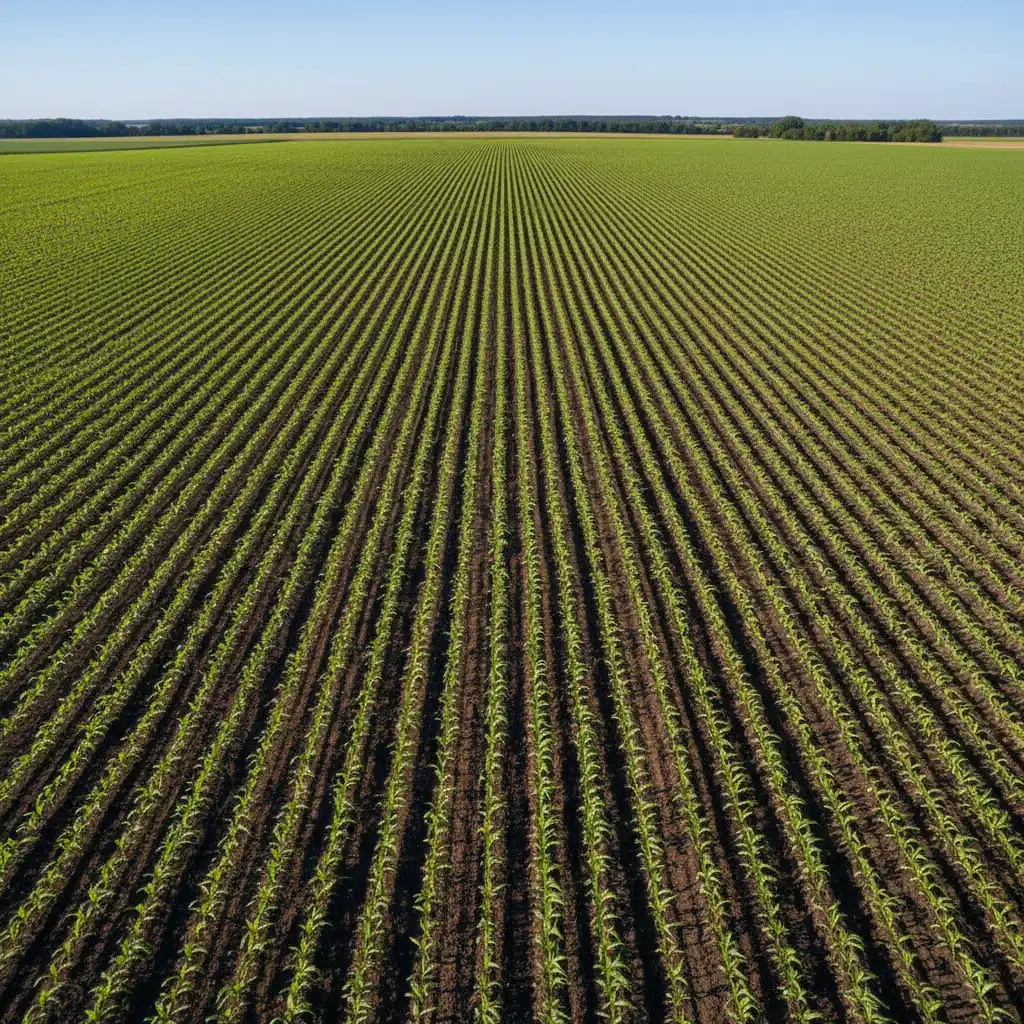
Why is this 2% improvement from, say, 96% to 98%, so significant? The answer lies in the cumulative impact on yield and resource efficiency. Every skipped seed represents lost yield potential for that specific plant. Every double-planted seed creates competition among seedlings for light, water, and nutrients, often leading to weaker plants and reduced individual stalk yield. By minimizing these errors, farmers can achieve a more uniform stand, where each plant has optimal space and resources to thrive. This uniformity translates directly into higher overall yields, improved crop quality, and more efficient use of expensive inputs like seeds, fertilizers, and water.
Achieving 98% precision planter singulation is not just about incremental gains; it’s about unlocking the full genetic potential of modern seed varieties. Today’s hybrid corn and soybean seeds are engineered for high performance, but they can only express their full potential when planted under ideal conditions. Precision planting, with near-perfect singulation, creates those ideal conditions, ensuring that every seed has the best possible start.
Anúncios
Technological Pillars Supporting 98% Singulation
The journey towards 98% singulation is paved with sophisticated technologies working in concert. These innovations span various aspects of planter design, operation, and data management.
Advanced Seed Metering Systems
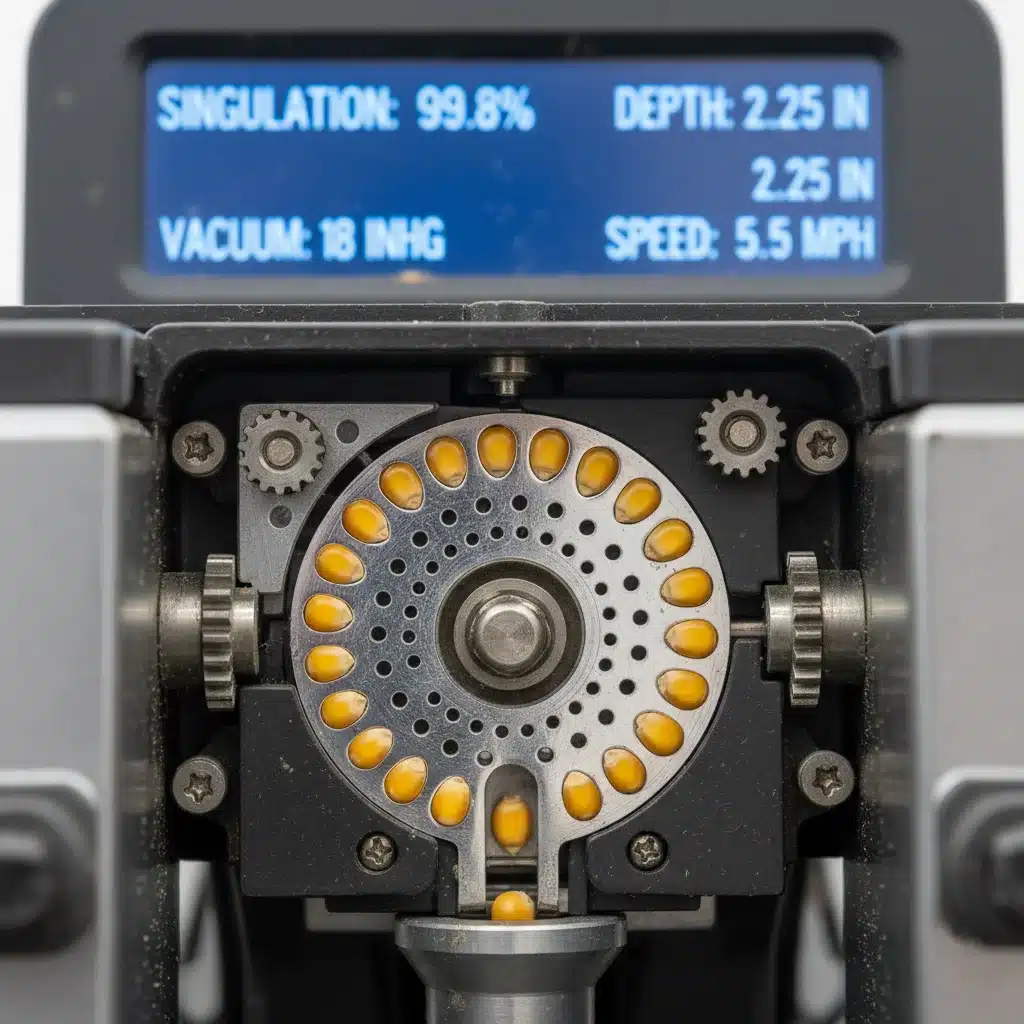
At the heart of every precision planter is the seed meter. Modern meters utilize a combination of vacuum, positive air pressure, or mechanical forces to precisely select and release individual seeds. Innovations here include:
- Vacuum Meters with Enhanced Design: Improved vacuum disc designs with optimized cell geometry and brush assemblies prevent skips and doubles. Materials science plays a role too, with durable, low-friction components ensuring consistent performance over long hours.
- Active Seed Agitation: Systems that gently agitate seeds in the hopper to ensure a consistent flow to the meter, preventing bridging and maintaining optimal seed presentation.
- Individual Row Control: Each row unit now often features its own electric drive motor, allowing for independent control of seed spacing and population. This eliminates the need for complex mechanical linkages and enables precise adjustments on the go.
High-Resolution Sensors and Real-time Feedback
The ability to monitor planting performance in real-time is crucial for achieving high singulation. Modern planters are equipped with an array of sensors:
- Optical Seed Sensors: These sensors, often infrared, count each seed as it drops through the seed tube, providing instant feedback on singulation, population, and spacing. Advanced algorithms can detect skips and doubles with remarkable accuracy.
- Downforce Sensors: These monitor the pressure applied by the row unit to the soil, ensuring consistent planting depth even across varying soil conditions. Proper downforce is critical for good seed-to-soil contact and uniform emergence.
- Speed Sensors: Accurately track ground speed to adjust planting rates and maintain desired seed spacing, even as tractor speed fluctuates.
This sensor data is processed instantly by the planter’s control system, allowing for immediate adjustments. If singulation drops below a certain threshold, the system can alert the operator or even automatically adjust meter settings to correct the issue.
Variable Rate Technology (VRT) and GPS Integration
GPS is fundamental to precision agriculture, enabling accurate field mapping and guidance. When combined with VRT, it allows for prescription planting:
- Prescription Maps: Farmers can create maps based on soil tests, yield history, and satellite imagery, defining different planting populations for various zones within a field.
- Automated Adjustment: The planter, guided by GPS, automatically adjusts seed population and spacing according to the prescription map, optimizing seed use for each soil type and fertility level. This ensures that only the necessary number of seeds are planted in each area, maximizing resource efficiency.
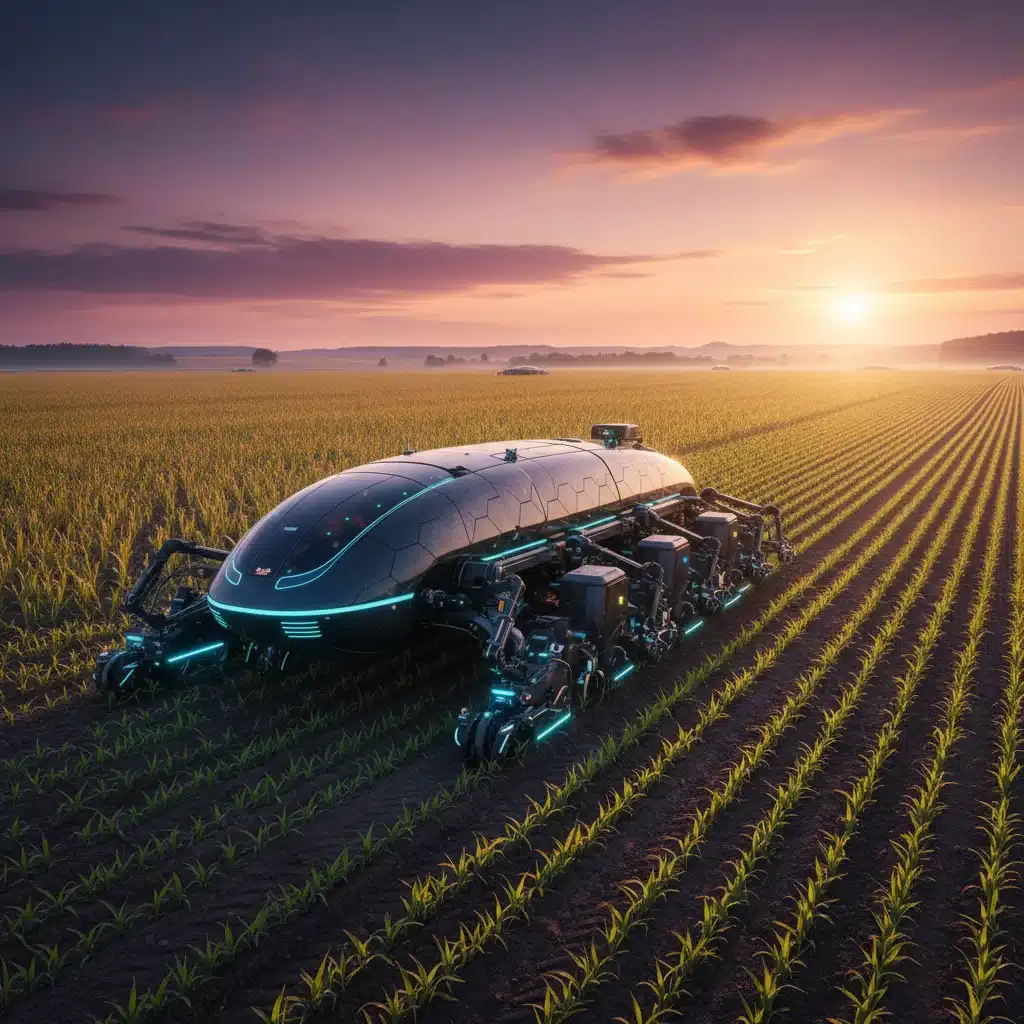
Autonomous and Semi-Autonomous Planters
The rise of autonomous farm machinery is set to further enhance precision planter singulation. Autonomous planters, guided by advanced GPS and AI, can operate with extreme precision, minimizing human error and ensuring consistent performance over long periods. They can follow pre-programmed paths with sub-inch accuracy, leading to perfectly straight rows and optimal overlap management.
The Role of Artificial Intelligence and Machine Learning
AI and machine learning are increasingly integrated into precision planting systems, moving beyond simple sensor data to predictive analytics and adaptive control. These technologies are crucial for achieving that elusive 98% singulation target.
Predictive Analytics for Optimal Settings
AI algorithms can analyze vast datasets, including historical planting data, weather patterns, soil conditions, and seed characteristics, to predict optimal planter settings for specific field conditions. This proactive approach helps farmers configure their planters for peak performance even before entering the field.
Real-time Adaptive Control
Machine learning models embedded in planter control systems can learn from real-time sensor data. If a particular soil type or field condition consistently leads to a slight drop in singulation, the AI can learn to anticipate this and make micro-adjustments to vacuum pressure, seed release timing, or downforce, ensuring continuous 98% performance. This adaptive capability is a game-changer, allowing planters to maintain optimal performance in dynamic environments.
Diagnostics and Maintenance Prediction
AI can also monitor the health of planter components, predicting potential failures before they occur. By analyzing sensor data from seed meters, bearings, and other critical parts, the system can alert farmers to maintenance needs, preventing costly downtime during the crucial planting window and ensuring consistent operation.
Benefits of 98% Precision Planter Singulation
The move to 98% singulation for corn and soybeans offers a cascade of benefits for farmers, the environment, and the global food supply.
Maximized Yield Potential
This is the most direct and significant benefit. By ensuring optimal seed placement and consistent plant spacing, every plant has the best chance to grow to its full potential, leading to higher yields per acre. Studies consistently show a direct correlation between improved singulation and increased yield in both corn and soybeans.
Optimized Resource Utilization
- Seed Savings: Eliminating doubles means fewer seeds are wasted. While a small percentage, over thousands of acres, this translates into substantial cost savings for farmers.
- Efficient Nutrient and Water Use: A uniform stand of plants competes less intensely for resources, leading to more efficient uptake of fertilizers and water. This reduces the amount of inputs needed, lowering costs and environmental impact.
- Reduced Herbicide and Pesticide Use: Healthier, more vigorous plants are often more resilient to pests and diseases, potentially reducing the need for chemical interventions.
Improved Crop Uniformity and Quality
Uniform emergence and growth lead to a more consistent crop at harvest time. This can improve harvest efficiency, as combines can operate more smoothly, and can also lead to higher quality grain, which commands better prices.
Enhanced Sustainability
By optimizing resource use and maximizing yield on existing land, precision planter singulation contributes significantly to sustainable agriculture. It reduces the environmental footprint of farming by minimizing waste and improving efficiency, helping to meet the growing demand for food without expanding agricultural land.
Data-Driven Decision Making
The rich data generated by precision planters with 98% singulation capabilities provides invaluable insights for farmers. This data can be used to refine planting strategies, select appropriate seed varieties for specific soil types, and make more informed decisions for future seasons, continuously improving farm profitability and sustainability.
Challenges and Considerations for Adoption
While the benefits are clear, widespread adoption of 98% singulation technology comes with its own set of challenges:
Initial Investment Cost
Advanced precision planters with integrated AI and high-resolution sensors represent a significant capital investment. Farmers need to weigh the upfront cost against the long-term benefits in terms of yield increase and input savings.
Technical Expertise
Operating and maintaining these sophisticated machines requires a higher level of technical expertise. Farmers and farm workers will need training to effectively utilize the full capabilities of these planters and interpret the vast amounts of data they generate.
Connectivity and Data Management
The seamless operation of these systems relies heavily on robust connectivity for GPS, real-time data transfer, and cloud-based analytics. Rural internet access can still be a limiting factor in some regions. Furthermore, managing and making sense of large datasets requires effective data management strategies.
Seed Quality and Preparation
Even the most advanced planter cannot fully compensate for poor quality seeds. Consistent seed size, shape, and flowability are crucial for achieving high singulation rates. Seed companies will continue to play a vital role in providing high-quality, plantable seeds.
The Future of Precision Planting Beyond 2026
Achieving 98% precision planter singulation by 2026 is not an endpoint but a stepping stone towards even greater efficiencies and innovations in agriculture. What lies beyond this impressive milestone?
Hyper-Precision Planting (Individual Seed Optimization)
The next frontier might involve not just uniform spacing, but individual seed optimization. Imagine a planter that, based on real-time soil analysis (e.g., nutrient levels, moisture content, organic matter) and seed characteristics, customizes the planting depth, pop-up fertilizer application, and even micro-nutrient placement for each individual seed. This would push yield potential to unprecedented levels.
Robotic Swarms and Micro-Planters
Instead of large, tractor-pulled planters, the future could see swarms of small, autonomous robotic micro-planters working collaboratively across fields. These smaller units could offer unparalleled maneuverability, reduce soil compaction, and allow for even more localized and precise planting decisions, potentially adapting to micro-variations within a single row.
Integrated Crop Management Systems
Precision planters will become even more deeply integrated into holistic crop management systems. Data from planting will feed directly into subsequent operations like fertilization, irrigation, and pest control, creating a continuous feedback loop that optimizes the entire crop lifecycle. AI will play an even larger role in coordinating these various operations for maximum efficiency.
Enhanced Data Security and Interoperability
As more data is collected and shared across platforms, ensuring data security and privacy will become paramount. Furthermore, interoperability between different manufacturers’ equipment and software will be crucial for creating truly seamless and efficient farm operations.
Genetic and Environmental Synergy
Future precision planting will work in even closer synergy with advancements in plant genetics. As new seed varieties are developed with specific environmental tolerances and nutrient requirements, precision planters will be able to place them in the optimal micro-environments within a field to maximize their genetic expression.
Conclusion: A New Era for Agriculture
The pursuit of 98% precision planter singulation for corn and soybeans by 2026 marks a pivotal moment in agricultural history. It signifies a profound shift towards hyper-efficiency, data-driven decision-making, and sustainable practices. This achievement is a testament to the relentless innovation within the agricultural technology sector, driven by a global need for more food produced with fewer resources.
Farmers who embrace these advanced technologies will be better positioned to navigate the challenges of modern agriculture, from climate variability to fluctuating market prices. They will achieve higher yields, reduce input costs, and contribute to a more sustainable food system. As we look towards 2026 and beyond, precision planters will continue to evolve, pushing the boundaries of what is possible in crop production and ensuring a more secure and sustainable future for agriculture.
The integration of advanced metering, sophisticated sensors, GPS, AI, and autonomous capabilities is transforming the planting process from a labor-intensive task into a highly optimized, intelligent operation. This isn’t just about planting seeds; it’s about planting the future of farming with unparalleled precision and efficiency.