Robotics in Harvesting: Boosting Efficiency 30% This Year
Anúncios
Robotics in Harvesting: How Automated Systems are Increasing Efficiency by 30% This Year
The agricultural landscape is undergoing a profound transformation, driven by an insatiable demand for efficiency, sustainability, and increased yield. At the forefront of this revolution is the integration of robotics in harvesting. This isn’t merely a futuristic concept; it’s a present-day reality that is demonstrably boosting efficiency by an astonishing 30% this year alone. From delicate fruit picking to large-scale grain collection, automated systems are redefining what’s possible in modern farming, addressing critical challenges such as labor shortages, inconsistent quality, and environmental impact.
For centuries, harvesting has been one of the most labor-intensive and time-sensitive aspects of agriculture. The success of an entire growing season often hinges on the ability to harvest crops quickly and efficiently at their peak ripeness. However, a shrinking agricultural workforce, coupled with the increasing complexity of crop varieties and growing methods, has created an urgent need for innovative solutions. Enter robotics in harvesting, a game-changer that promises not only to alleviate these pressures but also to usher in an era of unprecedented productivity and precision.
Anúncios
This comprehensive guide will delve deep into the world of agricultural robotics, exploring the technologies, benefits, challenges, and future prospects of automated harvesting. We will examine how these intelligent machines are being deployed across various crop types, the tangible improvements they bring, and what this means for the future of food production. Prepare to discover how robotics in harvesting is not just changing farming; it’s securing our food supply for generations to come.
The Dawn of Automated Harvesting: Why Robotics Now?
The journey towards widespread adoption of robotics in harvesting has been a long one, but several converging factors have accelerated its momentum in recent years. Labor availability is perhaps the most significant driver. Many agricultural regions face chronic shortages of seasonal workers, leading to delayed harvests, crop losses, and increased operational costs. Robots offer a consistent, tireless workforce that can operate around the clock, unaffected by weather conditions or human fatigue.
Anúncios
Beyond labor, the demand for higher quality and consistency in produce is another key factor. Manual harvesting, while skilled, can be inconsistent. A human picker might miss ripe produce, damage delicate items, or pick unripe ones. Robotic systems, equipped with advanced sensors, artificial intelligence, and sophisticated grippers, can identify the optimal ripeness, size, and quality of each individual fruit or vegetable with unparalleled accuracy. This precision directly translates to less waste, higher market value, and greater consumer satisfaction.
Furthermore, the push for sustainable agriculture has made robotics in harvesting an attractive option. By minimizing crop damage, reducing the need for extensive human movement across fields (which can compact soil), and potentially optimizing resource use through data-driven insights, robots contribute to more environmentally friendly farming practices. The ability to collect precise data on individual plants during harvest also opens new avenues for optimized fertilization, pest control, and irrigation in subsequent growth cycles.
The technological advancements themselves are crucial. Improvements in machine vision, artificial intelligence (AI), machine learning (ML), and robotic manipulation have reached a point where robots can perform complex tasks that were once thought to be exclusively human domains. The cost of these technologies is also becoming more accessible, moving from experimental prototypes to commercially viable solutions. This confluence of need and capability has set the stage for the rapid integration of robotics in harvesting.
Key Technologies Powering Robotics in Harvesting
The success of modern robotics in harvesting relies on an intricate interplay of cutting-edge technologies. These components work in harmony to enable robots to perceive, analyze, decide, and act in dynamic agricultural environments.
Advanced Vision Systems and AI
At the heart of any successful harvesting robot is its ability to ‘see’ and ‘understand’ its environment. This is achieved through sophisticated vision systems, often combining 2D and 3D cameras, hyperspectral imaging, and thermal sensors. These systems capture detailed information about crops, including ripeness, size, color, and potential defects. Artificial intelligence (AI) and machine learning (ML) algorithms then process this raw data, allowing the robot to identify individual fruits or vegetables, distinguish them from foliage, and determine their optimal picking time.
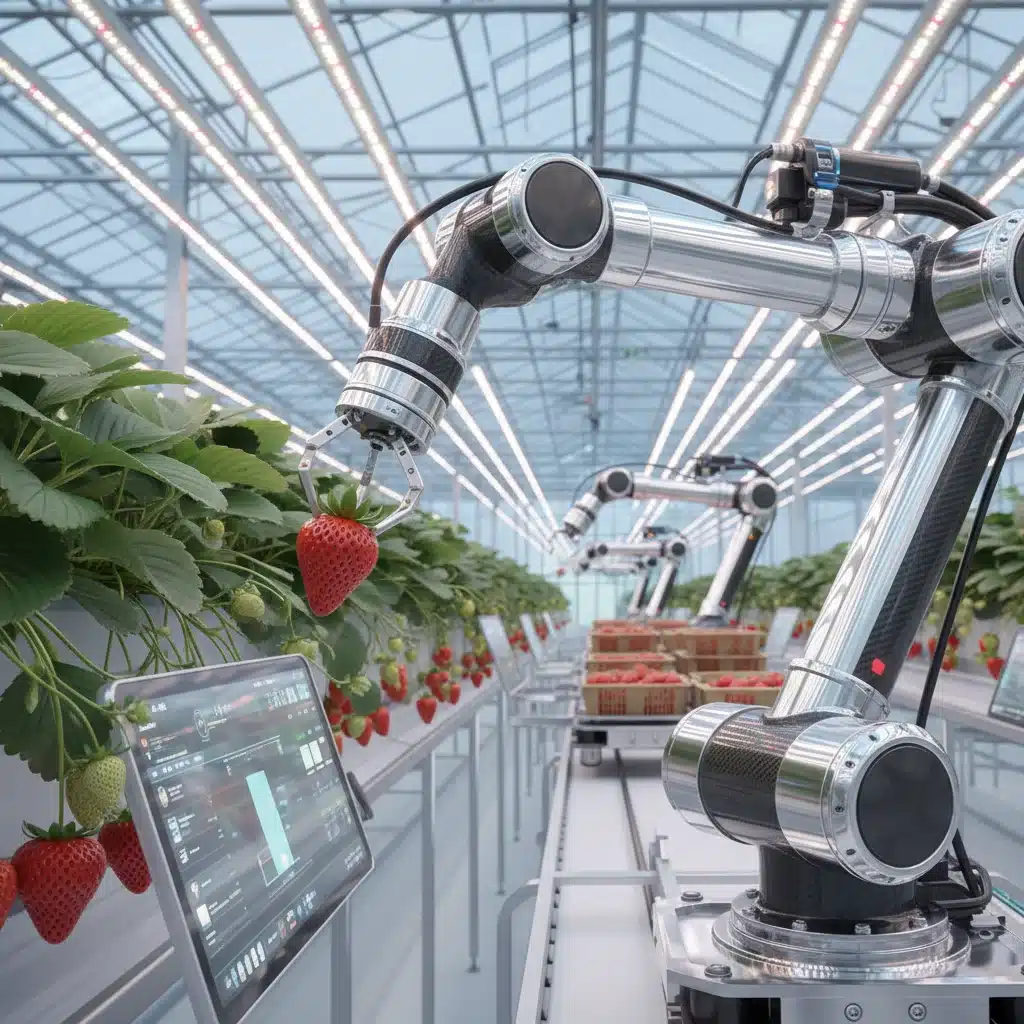
For example, in strawberry harvesting, AI models are trained on thousands of images to accurately detect ripe strawberries, even when partially obscured by leaves. For tree fruits like apples or oranges, 3D vision helps robots gauge the fruit’s position relative to branches and other fruits, preventing collisions and ensuring a clean pick. This level of perception is far superior to traditional automated systems and is a cornerstone of efficient robotics in harvesting.
Precision Grippers and End-Effectors
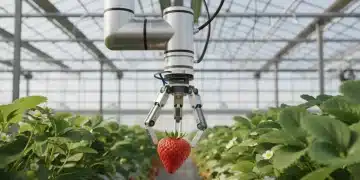
Once a target crop is identified, the robot needs to pick it without causing damage. This requires highly specialized grippers, also known as end-effectors, designed for the specific crop. For delicate items like berries or tomatoes, soft, compliant grippers that mimic the gentle touch of a human hand are used. These often employ suction, pneumatic systems, or soft robotic materials to grasp and secure the produce.
For more robust crops, such as apples or corn, grippers might incorporate mechanical fingers with pressure sensors to ensure a firm yet non-damaging hold. The design of these end-effectors is critical; a poorly designed gripper can negate all the benefits of advanced vision and AI by damaging the harvested produce, leading to waste. Ongoing research focuses on developing universal grippers that can adapt to a variety of crop shapes and sizes, further enhancing the versatility of robotics in harvesting.
Autonomous Navigation and Mobility
Robots need to move efficiently and safely through fields and orchards. This is achieved through autonomous navigation systems that utilize GPS, LiDAR (Light Detection and Ranging), cameras, and inertial measurement units (IMUs). These technologies allow robots to map their environment, plan optimal paths, avoid obstacles (like trees, rocks, or other machinery), and return to charging stations or collection points.
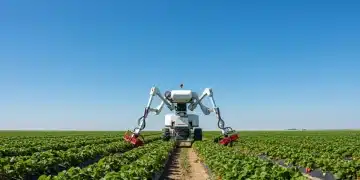
The type of mobility system varies depending on the terrain and crop. Wheeled robots are common for relatively flat fields, while tracked systems offer better traction on uneven or muddy ground. Some specialized robots, particularly for tree fruit harvesting, might employ multi-jointed arms mounted on mobile platforms, allowing them to reach fruits at various heights and angles. The ability of these robots to operate autonomously reduces the need for human supervision, making robotics in harvesting even more cost-effective and scalable.
Data Analytics and Connectivity
Modern harvesting robots are not just pickers; they are also data collectors. As they move through a field, they can gather vast amounts of information about individual plants, soil conditions, yield per area, and even the presence of pests or diseases. This data is often transmitted wirelessly to a central farm management system.
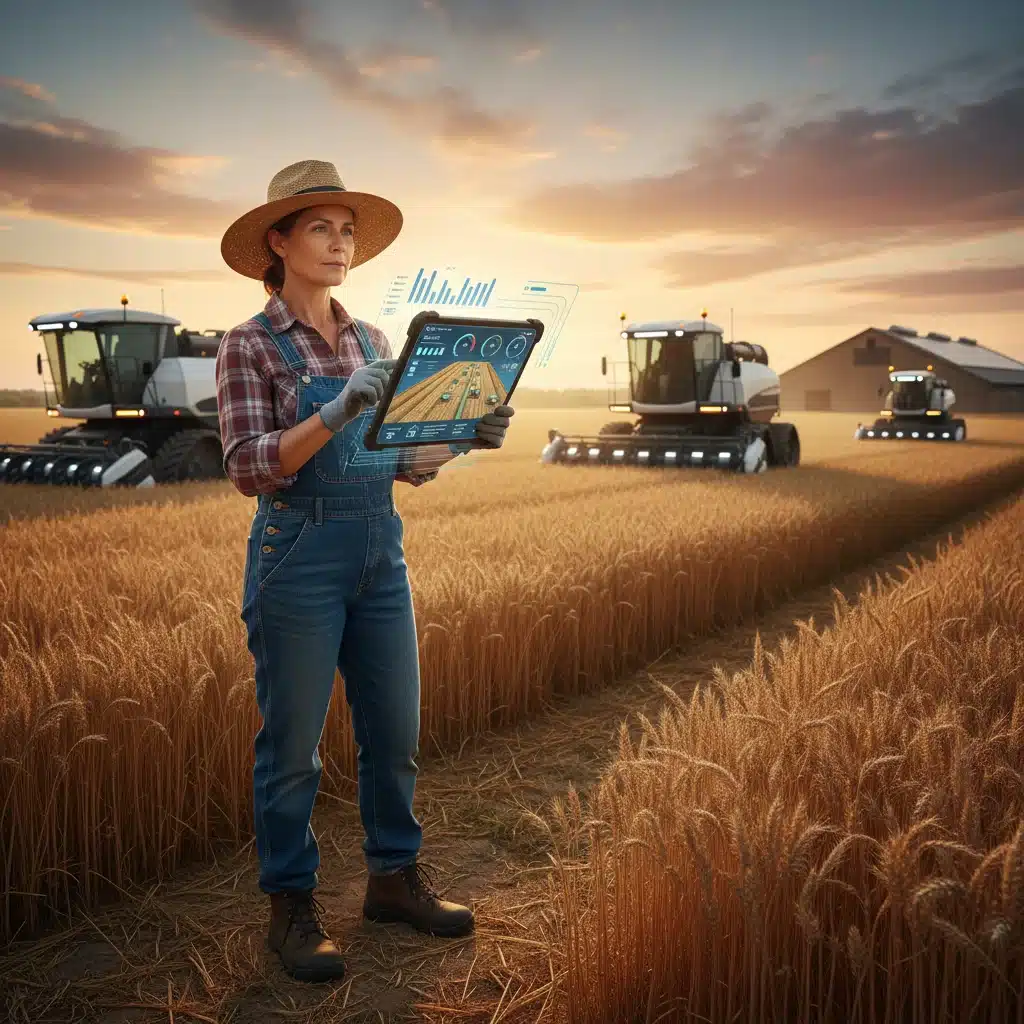
Through advanced data analytics and cloud connectivity, farmers can gain unprecedented insights into their operations. They can identify underperforming areas, optimize irrigation and fertilization strategies, predict future yields, and make more informed decisions about crop management. This integration of data management with physical harvesting operations is a powerful aspect of robotics in harvesting, moving agriculture towards a truly data-driven paradigm.
Impact on Efficiency: The 30% Boost Explained
The claim that robotics in harvesting is increasing efficiency by 30% this year is not hyperbole; it’s a measurable outcome derived from several key factors:
Reduced Labor Costs and Availability Issues
One of the most immediate and significant impacts of robotics is the reduction in reliance on manual labor. Labor costs represent a substantial portion of agricultural expenses, and finding skilled, seasonal workers is an increasingly difficult task. Robots can operate continuously, often requiring minimal human oversight, thereby drastically cutting labor expenditures and mitigating the risks associated with labor shortages. This consistent availability ensures crops are harvested at their prime, preventing spoilage and maximizing yield value.
Increased Speed and Throughput
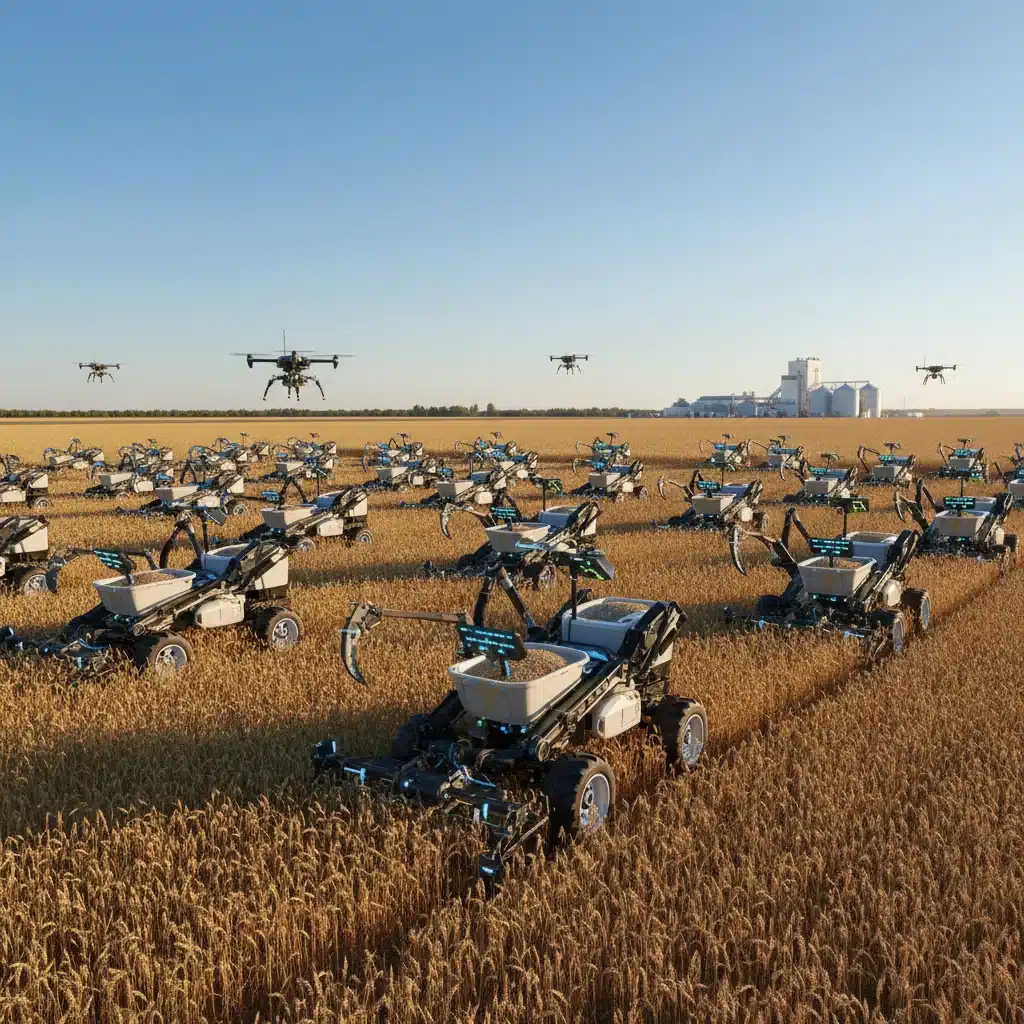
While a single robot might not pick as fast as a highly skilled human in certain scenarios, a fleet of robots can work simultaneously and tirelessly. This parallel processing capability significantly increases the overall speed and throughput of the harvesting operation. Robots don’t need breaks, don’t get tired, and can work through the night, effectively extending the harvesting window and ensuring that crops are picked at peak freshness.
Minimized Crop Damage and Waste
As discussed, the precision of robotic vision and grippers leads to significantly less crop damage compared to manual harvesting. Damaged produce has a lower market value or becomes unsellable, contributing to substantial waste. By minimizing bruising, tearing, or dropping, robots ensure a higher percentage of the harvested crop is of marketable quality, directly boosting the effective yield and profitability.
Optimized Picking for Quality and Ripeness
AI-powered vision systems allow robots to pick crops at their optimal ripeness, which is crucial for both taste and shelf life. Humans, even with training, can have subjective interpretations of ripeness or simply miss some items. Robots, with their objective data analysis, ensure that only perfectly ripe produce is harvested, leading to a higher quality product that fetches better prices and reduces post-harvest losses due to premature or overripe picking. This optimization directly contributes to the observed efficiency gains in robotics in harvesting.
Data-Driven Decision Making
The data collected by harvesting robots provides invaluable insights that lead to further efficiency improvements across the entire farming operation. Farmers can identify areas of low yield, detect early signs of disease, or optimize water and nutrient application based on real-time, plant-specific data. This proactive approach to farm management, enabled by robotics in harvesting, reduces input costs and maximizes output, contributing to the overall 30% efficiency increase.
Applications Across Different Crops
The versatility of robotics in harvesting is evident in its application across a wide spectrum of crops, each presenting its unique set of challenges and requiring tailored robotic solutions.
Soft Fruits (Strawberries, Raspberries, Blueberries)
Perhaps the most challenging and thus the most impactful area for robotics is the harvesting of soft fruits. These crops are highly delicate, bruise easily, and often grow in complex arrangements. Robotic strawberry harvesters, for instance, use advanced vision systems to identify ripe berries and soft, pneumatic grippers to gently detach them. Similar systems are being developed for raspberries and blueberries, significantly reducing the labor required and minimizing fruit damage, which is a major concern for these high-value crops.
Tree Fruits (Apples, Oranges, Pears)
Harvesting tree fruits involves navigating complex orchard environments and dealing with fruits at varying heights and orientations. Robotic apple pickers employ sophisticated manipulators with multiple joints and 3D vision to locate, approach, and gently pluck apples from branches. These robots can differentiate between ripe and unripe fruit, ensuring selective harvesting and minimizing damage. The ability to work continuously, even at night, is particularly beneficial for large orchards, ensuring timely harvesting.
Vegetables (Tomatoes, Peppers, Cucumbers)
For vegetables, particularly those grown in greenhouses or on trellises, robotic harvesters offer incredible precision. Robotic tomato harvesters can identify ripe tomatoes, cut the stem with a small blade, and place them into collection bins, all without damaging the plant or surrounding fruit. This precision extends to crops like peppers and cucumbers, where selective picking based on size and color is crucial. The controlled environment of greenhouses also simplifies navigation and power supply for these robots.
Field Crops (Grains, Corn, Cotton)
While large-scale combine harvesters have been automated for decades, robotics in harvesting is bringing new levels of precision to field crops. Autonomous tractors and smaller, more agile robots are being developed for tasks like selective harvesting of specific plant parts or for precision harvesting in smaller, more diverse fields. These robots can also integrate data collection with harvesting, providing granular information about yield variations within a field, leading to more targeted post-harvest management strategies.
Challenges and Considerations for Widespread Adoption
Despite the immense potential and proven benefits, the widespread adoption of robotics in harvesting faces several challenges.
High Initial Investment
The upfront cost of purchasing and implementing robotic harvesting systems can be substantial. For small to medium-sized farms, this initial investment can be a significant barrier. While the return on investment (ROI) can be high in the long run due to increased efficiency and reduced labor costs, the capital outlay requires careful financial planning and access to funding.
Technological Complexity and Maintenance
Robotic systems are complex machines requiring specialized knowledge for operation, maintenance, and troubleshooting. Farmers and farm workers will need training to effectively integrate these technologies into their existing operations. Furthermore, robots operating in harsh agricultural environments are subject to wear and tear, necessitating robust maintenance schedules and readily available spare parts and technical support.
Adaptability to Diverse Environments
Agricultural environments are inherently dynamic and unpredictable. Variations in terrain, weather, crop morphology, and pest infestations can pose significant challenges for autonomous robots. While progress has been made, developing robots that can reliably adapt to a wide range of real-world conditions remains an ongoing area of research and development. Each crop and growing method often requires a customized robotic solution, which can limit scalability.
Ethical and Societal Implications
The increasing automation of agricultural tasks, particularly harvesting, raises concerns about potential job displacement in rural communities. While robots address labor shortages, a transition plan for the existing workforce, including retraining and new job creation in areas like robot maintenance and data analysis, is crucial. Furthermore, the ethical implications of relying heavily on AI for food production, including data privacy and algorithmic bias, need to be carefully considered.
The Future of Farming: Beyond Just Harvesting
The integration of robotics in harvesting is just one piece of a much larger puzzle – the complete automation and data-driven optimization of agriculture, often referred to as ‘smart farming’ or ‘Agriculture 4.0’. The efficiency gains observed in harvesting are indicative of a broader trend that will revolutionize every aspect of food production.
Integration with Other Farm Automation
Harvesting robots are increasingly being designed to integrate seamlessly with other automated farming systems. This includes autonomous planting robots that precisely place seeds, weeding robots that eliminate herbicide use, and precision irrigation systems that deliver water and nutrients exactly where and when needed. The future farm will likely be a highly interconnected ecosystem of autonomous machines, all communicating and sharing data to optimize every stage of the crop lifecycle.
Artificial Intelligence and Predictive Analytics
The massive amounts of data collected by harvesting robots, combined with data from other sensors and historical records, will fuel advanced AI and predictive analytics. Farmers will be able to forecast yields with unprecedented accuracy, predict disease outbreaks before they become widespread, and optimize market timing for their produce. This shift from reactive to proactive farming will further enhance efficiency and profitability.
Sustainable and Regenerative Agriculture
Robotics can play a crucial role in promoting sustainable and regenerative agricultural practices. By enabling precision application of inputs, reducing soil compaction, minimizing waste, and facilitating selective harvesting, robots help farms operate with a smaller environmental footprint. The ability to monitor individual plant health provides opportunities for targeted interventions, reducing the overall use of pesticides and fertilizers.
New Business Models and Opportunities
The rise of robotics in harvesting will also lead to new business models. We may see ‘robot-as-a-service’ offerings, where farmers can lease robotic harvesting fleets rather than buying them outright, making the technology more accessible. New roles will emerge in the agricultural sector, focusing on robot maintenance, data analysis, and system integration, creating a technologically advanced workforce.
Conclusion: A Harvest of Innovation
The impact of robotics in harvesting on global agriculture is undeniable and rapidly accelerating. The reported 30% increase in efficiency this year is a testament to the power of automated systems to address some of the most pressing challenges facing farmers today – labor shortages, inconsistent quality, and the need for greater sustainability.
While challenges such as initial investment costs and technological complexity remain, ongoing research and development are continually making these systems more robust, affordable, and user-friendly. The benefits – from reduced operational costs and minimized waste to enhanced crop quality and data-driven decision-making – far outweigh the hurdles.
As we look to the future, robotics in harvesting is not just about picking fruits and vegetables; it’s about cultivating a more efficient, sustainable, and resilient food system for the entire planet. Farmers, technologists, and consumers alike stand to gain from this harvest of innovation. The revolution is here, and it’s picking up speed, one perfectly ripe crop at a time.