IoT Livestock Management: 6 Steps to Maximize Herd Health by 2026
Anúncios
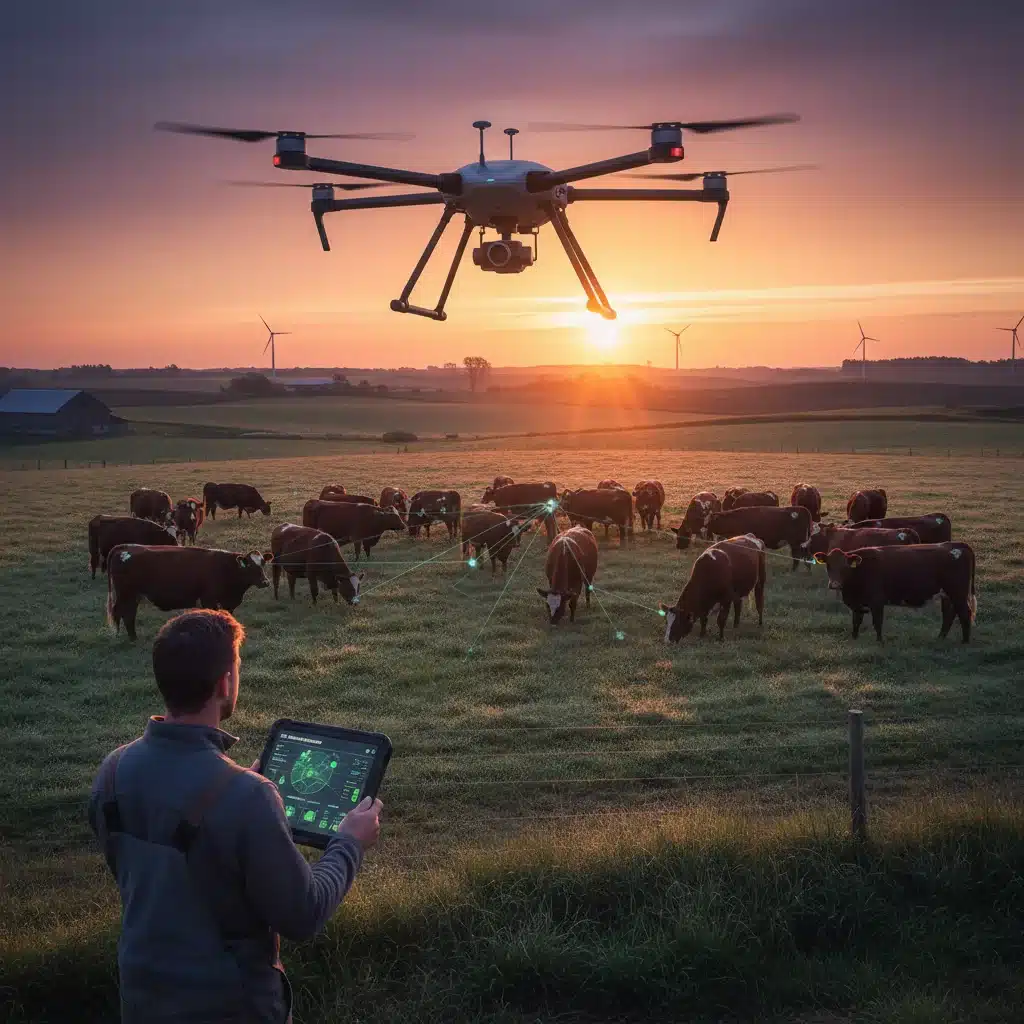
In an era where technology reshapes every industry, agriculture stands on the cusp of a profound transformation. The concept of IoT Livestock Management is no longer a futuristic dream but a tangible reality for modern farmers. As we look towards 2026, the integration of the Internet of Things (IoT) into livestock farming promises unprecedented levels of efficiency, productivity, and, most importantly, enhanced herd health. This comprehensive guide will walk you through six essential steps to successfully implement IoT solutions, ensuring your livestock operation thrives in the coming years.
The global demand for food continues to escalate, placing immense pressure on agricultural systems. Traditional farming methods, while time-tested, often struggle to meet these demands while maintaining optimal animal welfare and environmental sustainability. This is where IoT steps in, offering a suite of tools and technologies that enable precision agriculture in livestock. From continuous monitoring of individual animals to predictive analytics for disease prevention, IoT Livestock Management provides the insights necessary to make informed decisions, reduce waste, and ultimately, maximize profitability.
Imagine a farm where every animal’s health, location, and behavior are monitored 24/7, where potential health issues are identified before visible symptoms appear, and where feeding and breeding cycles are optimized with scientific precision. This vision is entirely achievable with the strategic implementation of IoT. By embracing these technologies, farmers can move beyond reactive management to a proactive, data-driven approach that benefits both their animals and their bottom line. The journey to a smart farm begins now, and this guide is your roadmap.
Anúncios
Step 1: Assess Your Current Livestock Management Needs and Goals
Before diving into the myriad of IoT devices and platforms, the foundational first step is a thorough assessment of your existing livestock management practices. What are your current pain points? Are you struggling with disease detection, inefficient feeding, breeding challenges, or labor shortages? Understanding these specific challenges will guide your selection of appropriate IoT solutions. Consider your herd size, the type of livestock you manage (cattle, sheep, poultry, etc.), and the specific environmental conditions of your farm. Each of these factors will influence the type of sensors and data analytics platforms that will be most beneficial.
Furthermore, define clear, measurable goals for your IoT implementation. Do you aim to reduce mortality rates by a certain percentage? Improve feed conversion ratios? Optimize breeding success? Or perhaps enhance overall animal welfare and compliance with regulatory standards? Specific goals will help you evaluate the effectiveness of your IoT investment and ensure that the technology aligns with your broader business objectives. For instance, if your primary goal is to reduce labor costs associated with manual health checks, then activity monitors and temperature sensors would be a high priority. If it’s about optimizing grazing patterns, GPS tracking devices would be essential. This initial assessment is crucial for building a solid foundation for your IoT Livestock Management strategy.
Anúncios
Engage your farm staff in this process. Their firsthand experience with daily operations can provide invaluable insights into practical challenges and potential areas for improvement. A collaborative approach ensures that the chosen IoT solutions are not only technologically advanced but also practical and user-friendly for those who will be interacting with them daily. This step is about defining the ‘why’ and ‘what’ before moving on to the ‘how’ of IoT integration.
Step 2: Select the Right IoT Sensors and Devices for Your Herd
With your needs and goals clearly defined, the next critical step in implementing effective IoT Livestock Management is selecting the appropriate sensors and devices. The market offers a diverse range of IoT solutions, each designed to monitor specific aspects of animal health and behavior. Understanding these options is key to building a robust and effective system.
Wearable Sensors: The Eyes and Ears on Your Animals
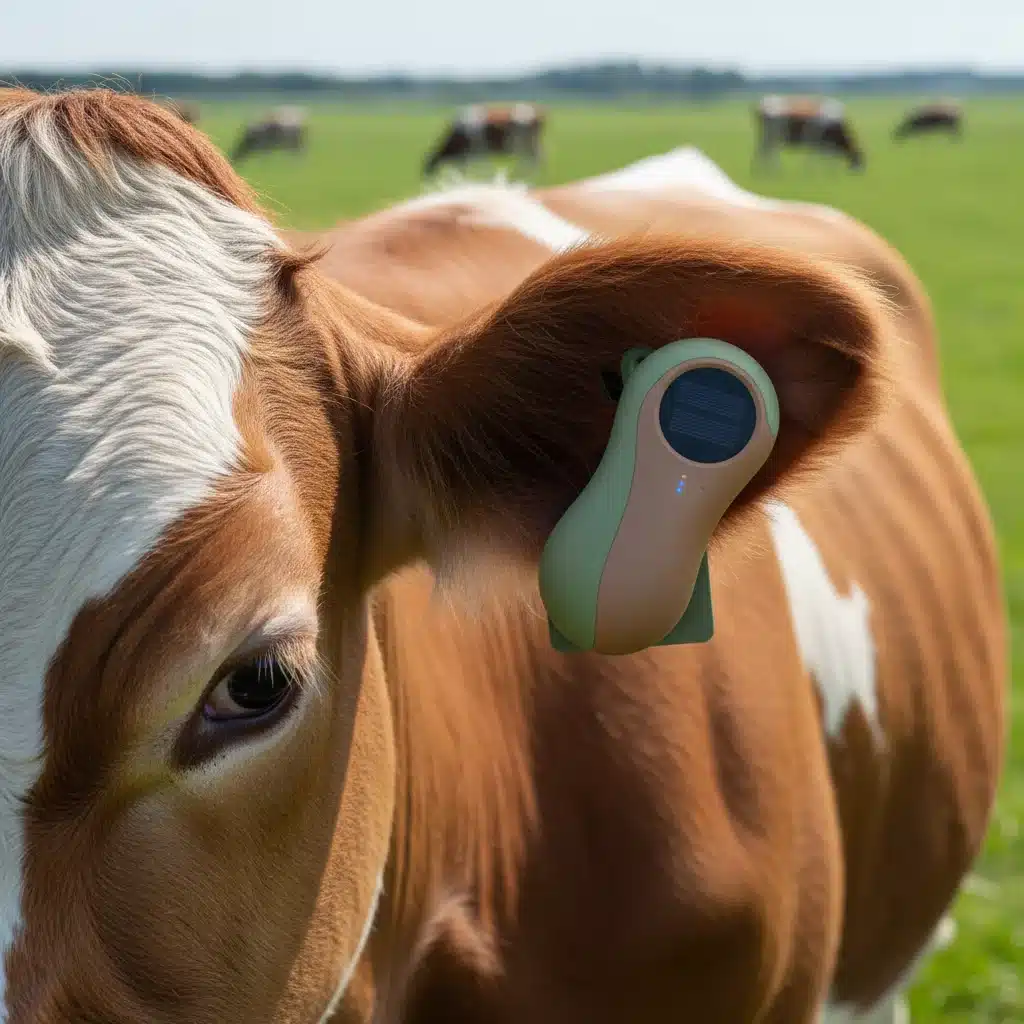
Wearable sensors are perhaps the most common type of IoT device in livestock management. These can include ear tags, collars, or leg bands, each embedded with technology to track various parameters:
- Activity Monitors: These sensors track movement patterns, rumination, and resting times. Changes in these patterns can indicate illness, stress, or estrus (heat) in breeding animals. For example, a sudden decrease in activity or rumination could signal a digestive issue or the onset of lameness.
- Temperature Sensors: Continuous monitoring of body temperature can detect fever, which is a common indicator of infection or disease. Early detection allows for prompt intervention, preventing the spread of illness within the herd.
- GPS Trackers: Essential for large pastures, GPS trackers allow farmers to monitor the precise location of their animals, preventing loss, deterring theft, and optimizing grazing rotation. This is particularly valuable for extensive farming systems.
- Heart Rate and Respiration Monitors: More advanced sensors can track vital signs, providing deeper insights into an animal’s physiological state and stress levels.
Environmental Sensors: Understanding the Surroundings
Beyond individual animal monitoring, environmental sensors play a crucial role in creating optimal conditions for your livestock. These can include:
- Barn Climate Sensors: Monitoring temperature, humidity, and ammonia levels within barns helps ensure a comfortable and healthy environment, crucial for preventing respiratory issues and optimizing growth rates in confined animals.
- Water and Feed Level Sensors: These devices ensure that animals always have access to adequate water and feed, alerting farmers to refill needs and preventing supply interruptions.
- Soil Moisture Sensors: For pasture management, these sensors help optimize irrigation, ensuring healthy forage growth for grazing animals.
Automated Systems: Beyond Monitoring
Some IoT solutions go beyond mere monitoring, offering automated functionalities:
- Automated Feeders: These systems can dispense precise amounts of feed based on individual animal needs or growth stages, reducing waste and optimizing nutrition.
- Automated Milking Systems: In dairy operations, IoT-integrated milking systems can monitor milk yield and quality, detecting changes that might indicate health issues.
- Smart Gates and Fencing: These can be controlled remotely, allowing for efficient herd movement and segregation.
When selecting sensors, consider factors such as battery life, durability, ease of attachment, and connectivity options (Wi-Fi, LoRaWAN, cellular). Compatibility with existing farm infrastructure and future scalability should also be taken into account. It’s often beneficial to start with a pilot program, testing a few types of sensors to see which ones deliver the most actionable insights for your specific operation. This careful selection ensures your IoT Livestock Management system is tailored to your farm’s unique requirements.
Step 3: Establish Robust Connectivity and Data Infrastructure
The efficacy of any IoT Livestock Management system hinges on a reliable network and data infrastructure. Once you have your sensors in place, ensuring seamless data transmission and storage becomes paramount. This step involves setting up the backbone that allows your IoT devices to communicate effectively and for the collected data to be processed and analyzed.
Network Connectivity: Bridging the Distance
Rural environments often present challenges for network connectivity. However, several technologies can support your IoT needs:
- LoRaWAN (Long Range Wide Area Network): Ideal for large farms, LoRaWAN offers low-power, long-range communication, allowing sensors to transmit data over several kilometers with minimal battery consumption. This is a cost-effective solution for extensive outdoor animal monitoring.
- Cellular (4G/5G): For areas with good cellular coverage, this option provides high bandwidth and reliable communication, suitable for more data-intensive applications or remote locations where other networks are not feasible.
- Wi-Fi: Best suited for smaller, enclosed areas like barns or milking parlors where Wi-Fi access points can be easily installed.
- Satellite: In extremely remote locations with no terrestrial network options, satellite connectivity can provide a lifeline for data transmission, though often at a higher cost.
You’ll need to strategically place gateways or base stations across your farm to ensure comprehensive coverage. A site survey can help identify optimal locations for these devices, minimizing dead zones and maximizing signal strength. Redundancy in your network setup is also a wise investment to prevent data loss due to outages.
Data Storage and Processing: From Raw Data to Actionable Insights
Once data is transmitted, it needs to be stored and processed. This typically involves:
- Cloud-Based Platforms: Most IoT solutions leverage cloud computing for data storage and analysis. Cloud platforms offer scalability, security, and accessibility, allowing you to access your farm data from anywhere with an internet connection. They can handle vast amounts of data generated by numerous sensors.
- Edge Computing: In some cases, initial data processing can occur closer to the data source (at the ‘edge’ of the network) before being sent to the cloud. This reduces latency, conserves bandwidth, and can be crucial for real-time applications that require immediate responses, such as automated feeding systems.
- Data Security: Given the sensitive nature of farm data, robust cybersecurity measures are essential. Ensure that your chosen platform offers encryption, access controls, and regular backups to protect against data breaches and loss.
Establishing a robust data infrastructure is not just about collecting data; it’s about ensuring that data is secure, accessible, and ready for analysis. This step lays the groundwork for transforming raw sensor readings into valuable insights for your IoT Livestock Management strategy.
Step 4: Implement a Centralized Data Analytics and Visualization Platform
With sensors deployed and data flowing, the next crucial step in your IoT Livestock Management journey is to consolidate and interpret this information. A centralized data analytics and visualization platform acts as the brain of your smart farm, transforming raw data into actionable insights that drive better decision-making.
The Power of a Unified Dashboard
Imagine a single dashboard that provides a comprehensive overview of your entire herd. This is the goal of a robust analytics platform. It should be capable of:
- Data Aggregation: Collecting and unifying data from all your disparate IoT sensors – from individual animal wearables to environmental monitors – into a single, cohesive dataset.
- Real-time Monitoring: Displaying live data streams, allowing you to observe current conditions of your animals and environment as they happen. This is crucial for immediate alerts and interventions.
- Historical Data Analysis: Storing and allowing for the analysis of past data. This historical context is vital for identifying trends, understanding seasonal variations, and evaluating the long-term effectiveness of management strategies.
- Customizable Dashboards: Providing a user-friendly interface where you can customize what data is displayed and how it’s presented. Farmers should be able to tailor the dashboard to their specific roles and priorities.
Turning Data into Insights: Analytics Capabilities
The true value of an IoT platform lies in its analytical capabilities. Look for platforms that offer:
- Descriptive Analytics: Summarizing past events, such as average daily activity levels, feed consumption, or temperature fluctuations. This helps you understand ‘what happened.’
- Diagnostic Analytics: Investigating the root causes of issues. For example, if a group of animals shows reduced activity, diagnostic analytics might pinpoint a specific environmental change or a feed batch issue. This answers ‘why did it happen?’
- Predictive Analytics: Using historical data and machine learning algorithms to forecast future events. This is a game-changer for IoT Livestock Management. Predictive models can anticipate:
- Disease Outbreaks: By identifying subtle changes in behavior or vital signs that precede clinical symptoms, allowing for early isolation and treatment.
- Estrus Cycles: Predicting the optimal time for breeding, significantly improving conception rates.
- Growth Rates: Forecasting individual animal growth trajectories, aiding in feed optimization and market timing.
- Equipment Failures: Predicting maintenance needs for automated systems, preventing costly downtime.
- Prescriptive Analytics: Going a step further than prediction, prescriptive analytics recommends specific actions to take. For instance, if a predictive model indicates a high probability of a heat stress event, the platform might recommend activating misters or moving animals to shaded areas. This answers ‘what should I do?’
Alerts and Notifications: Timely Interventions
An effective platform will also include a robust alert system. This means:
- Configurable Thresholds: Setting specific parameters (e.g., temperature exceeding a certain level, rumination dropping below an average) that trigger an alert.
- Multi-Channel Notifications: Receiving alerts via SMS, email, or mobile app, ensuring you are immediately informed of critical events, even when away from the farm.
- Prioritization: Differentiating between urgent and non-urgent alerts to help farmers focus on the most critical issues first.
Choosing the right platform requires careful consideration of its user interface, scalability, integration capabilities with other farm management software, and the level of support offered by the vendor. This centralized hub is where your investment in IoT truly pays off, transforming raw data into intelligence that maximizes herd health and operational efficiency.
Step 5: Integrate IoT Data with Existing Farm Management Systems
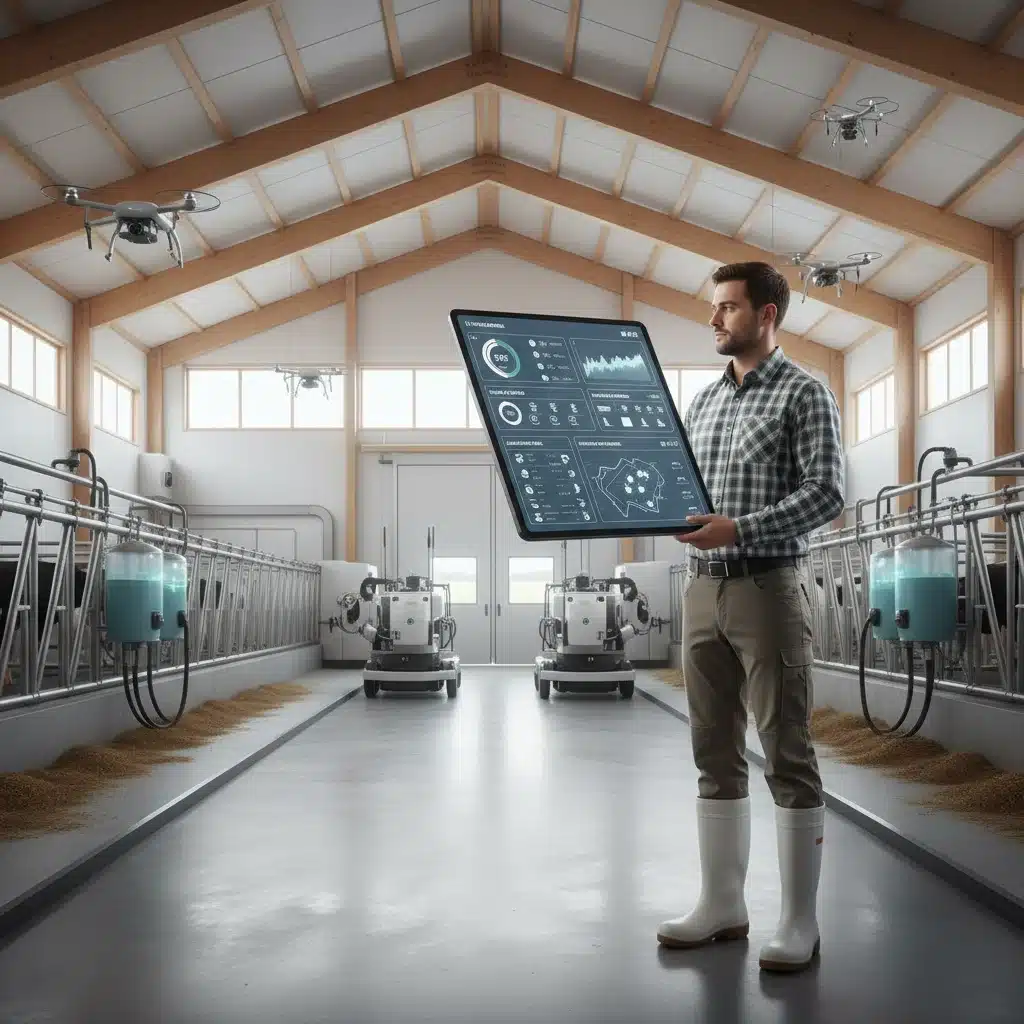
To truly unlock the full potential of IoT Livestock Management, the collected data must not exist in a silo. Integrating IoT data with your existing farm management systems (FMS) is a crucial step that creates a holistic view of your operation, enabling more sophisticated analysis and streamlined workflows. This integration moves beyond simply monitoring to truly managing your farm with unprecedented insight.
Breaking Down Data Silos
Many farms already utilize various software solutions for tasks such as financial accounting, inventory management, breeding records, veterinary health logs, and feed formulation. If IoT data remains separate, you miss out on the opportunity to cross-reference information and gain deeper insights. For example, knowing an animal’s activity levels (from IoT) is more powerful when combined with its age, breed, and vaccination history (from FMS).
Benefits of Integration:
- Comprehensive Animal Profiles: Combine IoT-generated health metrics (temperature, activity, rumination) with historical data from your FMS, such as birth records, genetic lineage, previous health treatments, vaccination schedules, and reproductive history. This creates a rich, 360-degree profile for each animal, allowing for more individualized care and predictive health management.
- Optimized Resource Allocation: Data from IoT sensors on feed and water consumption, when integrated with feed inventory and pricing data from your FMS, can optimize purchasing decisions, reduce waste, and improve feed conversion rates.
- Enhanced Breeding Programs: IoT estrus detection data, combined with FMS breeding records, can refine breeding schedules, track success rates, and identify animals with superior reproductive performance, leading to genetic improvements in your herd.
- Streamlined Health Management: When an IoT sensor flags a potential health issue, this information can automatically trigger an entry in your veterinary health log within the FMS. This ensures that all treatments, diagnoses, and outcomes are recorded in one place, improving traceability and compliance.
- Improved Financial Planning: By correlating herd health data (from IoT) with production outputs (milk yield, weight gain) and operational costs (feed, veterinary care from FMS), you can accurately assess the financial impact of different management strategies and make data-driven investment decisions.
- Regulatory Compliance and Reporting: Integrated systems make it easier to generate comprehensive reports for regulatory bodies, demonstrating adherence to animal welfare standards and health protocols.
Methods of Integration:
Integration can be achieved through several methods:
- API (Application Programming Interface): Many modern IoT platforms and FMS offer APIs, which allow different software applications to communicate and exchange data seamlessly. This is often the most robust and real-time integration method.
- Data Export/Import: For simpler systems, data can be exported from one platform (e.g., a CSV file from your IoT dashboard) and then imported into another (your FMS). While less real-time, it can be a practical solution for smaller operations or specific data sets.
- Middleware Solutions: Third-party integration platforms exist that specialize in connecting various software systems, acting as a bridge between your IoT platform and FMS.
When selecting your IoT solution and FMS, prioritize systems that are designed for interoperability. Discuss integration capabilities with vendors to ensure a smooth and effective data flow. The goal is to create a unified ecosystem where all farm data contributes to a smarter, more efficient, and healthier livestock operation.
Step 6: Train Your Team and Continuously Optimize Your IoT System
The final, yet ongoing, step in successful IoT Livestock Management is ensuring that your team is fully equipped to leverage the new technology and committing to continuous optimization. Even the most advanced IoT system will fall short without skilled operators and a commitment to ongoing improvement.
Empowering Your Team Through Training
Technology adoption can be daunting, so comprehensive training is essential. Your team members, from farmhands to management, need to understand:
- How to Operate IoT Devices: This includes proper attachment, maintenance (e.g., battery replacement), and troubleshooting of sensors. Knowing how to correctly apply an ear tag sensor or recharge a collar is fundamental.
- How to Interpret Data: Training should cover how to read dashboards, understand data visualizations, and recognize critical alerts. Explain what different data points mean in the context of animal health and behavior.
- How to Respond to Alerts: Develop clear protocols for responding to various types of alerts (e.g., high temperature, low activity, fence breach). Who is responsible for what action, and what steps should be taken?
- The Benefits of IoT: Help your team understand how IoT makes their jobs easier, improves animal welfare, and contributes to the farm’s success. This fosters buy-in and encourages active participation.
- Data Privacy and Security: Educate your team on the importance of data security practices and how to protect sensitive farm information.
Consider hands-on workshops, clear user manuals, and ongoing support from vendors or internal tech champions. Regular refresher training sessions can also be beneficial as new features are introduced or team members join.
Continuous Optimization: The Journey Never Ends
IoT Livestock Management is not a ‘set it and forget it’ solution. The agricultural landscape, animal needs, and technology itself are constantly evolving. Therefore, continuous optimization is key to long-term success:
- Regular Performance Review: Periodically assess whether your IoT system is meeting the goals you set in Step 1. Are mortality rates decreasing? Is breeding efficiency improving? Are labor costs being reduced? Use concrete data to measure success.
- Feedback Loops: Encourage your team to provide feedback on the system’s usability, accuracy, and effectiveness. Their practical insights are invaluable for identifying areas for improvement.
- Software Updates and Upgrades: Stay informed about updates to your IoT platform and sensor technology. Vendors frequently release new features, improved algorithms, and more robust hardware. Plan for regular software updates and consider hardware upgrades when significant advancements become available.
- Data-Driven Adjustments: Use the insights gained from your analytics platform to fine-tune your management practices. For example, if predictive analytics consistently identifies a certain pattern leading to illness, adjust your feeding schedule, pen arrangements, or vaccination protocols accordingly.
- Scalability Planning: As your farm grows or your needs change, ensure your IoT system can scale with you. This might involve adding more sensors, expanding network coverage, or upgrading your data processing capabilities.
- Stay Informed: Keep abreast of new trends and innovations in agricultural technology. Attend industry conferences, read trade publications, and network with other smart farmers to discover new opportunities for enhancing your IoT Livestock Management system.
By empowering your team and embracing a mindset of continuous improvement, your IoT investment will not only pay off in the short term but will also ensure your farm remains at the forefront of agricultural innovation, maximizing herd health and operational efficiency well beyond 2026.
The Future is Smart: Embracing IoT for a Sustainable and Profitable Tomorrow
The journey to implementing effective IoT Livestock Management is a strategic investment in the future of your farm. As we’ve explored through these six comprehensive steps, it’s a process that requires careful planning, informed selection of technology, robust infrastructure, insightful data analysis, seamless integration, and, crucially, a trained and adaptable team. The benefits of this transformation extend far beyond mere technological adoption; they touch every aspect of livestock farming, from the health and welfare of individual animals to the sustainability and profitability of the entire operation.
By 2026, farms that have successfully embraced IoT will be characterized by their proactive approach to animal care, their optimized resource utilization, and their enhanced ability to respond to challenges with data-driven precision. They will be more resilient to environmental fluctuations, better equipped to prevent disease, and more efficient in their production cycles. This translates into healthier animals, reduced veterinary costs, lower labor demands, and ultimately, a stronger financial standing.
The insights gained from continuous monitoring and predictive analytics empower farmers to move away from reactive decision-making. Instead of waiting for visible signs of illness or reproductive issues, they can intervene early, often before problems escalate, minimizing losses and maximizing productivity. This level of precision agriculture not only improves the bottom line but also significantly enhances animal welfare, aligning with growing consumer expectations for ethical and sustainable farming practices.
The agricultural sector is dynamic, and technological advancements will continue to evolve. By establishing a solid foundation in IoT Livestock Management today, you are positioning your farm to adapt to future innovations and maintain a competitive edge. This isn’t just about installing sensors; it’s about cultivating a culture of data-driven agriculture, where every decision is informed, and every action is optimized for the well-being of your herd and the prosperity of your business.
Embrace these steps, commit to the process, and watch your farm transform into a beacon of modern, efficient, and humane livestock management. The future of farming is smart, and with IoT, your farm is ready to lead the way.