Automated Planting Systems: 2026’s Top Seed Placement Technologies
The agricultural landscape is in a constant state of evolution, driven by the relentless pursuit of efficiency, sustainability, and increased yields. As we delve into 2026, the discussion around Automated Planting Systems and their impact on modern farming has reached an unprecedented level. These sophisticated technologies are not just improving existing practices; they are fundamentally reshaping how we approach cultivation, offering solutions to age-old challenges such as labor shortages, resource optimization, and environmental stewardship. This comprehensive review aims to shed light on the most efficient seed placement technologies that are defining the vanguard of automated planting in the current year, providing insights into their mechanisms, benefits, and future potential.
The imperative for innovation in agriculture stems from a burgeoning global population and the increasing pressures of climate change. Farmers worldwide are tasked with producing more food with fewer resources, all while minimizing their ecological footprint. Traditional planting methods, while foundational, often struggle with inconsistencies in seed depth, spacing, and overall placement, leading to suboptimal germination rates and reduced crop uniformity. This variability directly impacts yield and profitability. Enter Automated Planting Systems, which leverage advanced robotics, artificial intelligence, and sophisticated sensor arrays to achieve unparalleled precision in seed placement. These systems promise not only to mitigate the inefficiencies of manual or semi-automated processes but also to unlock new levels of productivity and sustainability.
At the heart of these revolutionary systems lies the concept of precision agriculture, where every seed is treated as an individual, placed with exactitude according to predefined parameters. This level of control was once unimaginable, but thanks to rapid advancements in engineering and digital technologies, it is now a tangible reality. The benefits extend far beyond mere accuracy; they encompass reduced seed waste, optimized nutrient and water uptake, enhanced crop health, and ultimately, higher quality and quantity of produce. Our exploration will cover the key technological innovations, leading systems available in 2026, their practical applications, and the economic and environmental advantages they offer to the agricultural sector.
The Evolution of Seed Placement Technology
To truly appreciate the marvel of 2026’s Automated Planting Systems, it’s crucial to understand the journey of seed placement technology. From rudimentary hand sowing to mechanical drills, and then to pneumatic and vacuum planters, each stage marked a significant leap in efficiency. Early mechanical planters offered a degree of uniformity, but still suffered from variability due to uneven terrain, varying seed sizes, and operator skill. The introduction of precision planters in the late 20th century, utilizing vacuum or pneumatic systems, allowed for more accurate singulation (placing one seed at a time) and more consistent spacing within the row. However, these systems often struggled with maintaining consistent depth and were susceptible to skips or doubles, particularly at higher speeds or in challenging soil conditions.
The advent of GPS technology revolutionized the field, enabling auto-steering for tractors and allowing for more precise row alignment and reduced overlap. This was a critical step, but it still relied on a human operator to monitor and adjust the planting mechanism itself. The current generation of Automated Planting Systems takes this a step further, integrating artificial intelligence, advanced sensors, and autonomous robotics to manage the entire planting process with minimal human intervention. These systems are designed to adapt in real-time to changing field conditions, optimize seed placement for maximum yield potential, and collect vast amounts of data for future analysis and decision-making.
Key technological advancements driving this evolution include:
- High-Resolution GPS and RTK (Real-Time Kinematic) Systems: Providing centimeter-level accuracy for precise row guidance and seed placement.
- Advanced Sensor Technology: Cameras, LiDAR, and ultrasonic sensors detect soil conditions, residue levels, and even individual seed characteristics, allowing for dynamic adjustments.
- Robotics and Automation: Autonomous vehicles and robotic arms execute planting tasks with unparalleled precision and consistency, reducing reliance on manual labor.
- Variable Rate Technology (VRT): Enables the system to adjust seeding rates, depth, and spacing on the fly, based on detailed soil maps and agronomic prescriptions.
- Artificial Intelligence and Machine Learning: Algorithms analyze vast datasets to predict optimal planting strategies, identify potential issues, and continuously improve system performance.
These integrated technologies converge to create Automated Planting Systems that are not only efficient but also intelligent, capable of making informed decisions in real-time to optimize every aspect of the planting process. This shift from mere automation to intelligent autonomy represents a paradigm change, promising a future of farming that is more productive, resilient, and environmentally sound.
Leading Automated Planting Systems in 2026: A Deep Dive
In 2026, the market for Automated Planting Systems is vibrant, with several manufacturers pushing the boundaries of what’s possible. These systems vary in their approach, but all share the common goal of maximizing seed placement accuracy and overall planting efficiency. Let’s explore some of the leading technologies and their unique contributions.
1. Autonomous Robotic Planters (ARP)
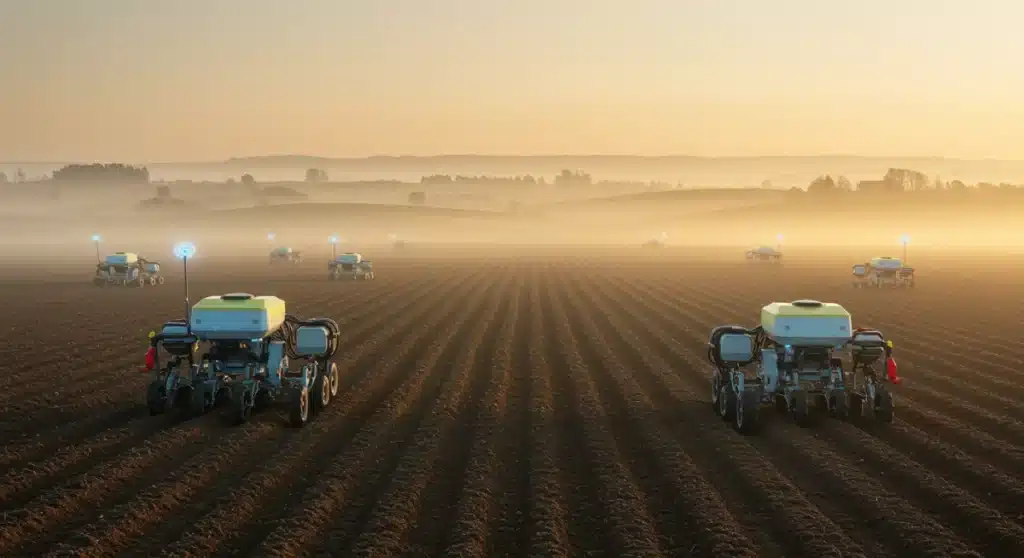
Autonomous Robotic Planters represent the pinnacle of automated planting. These are self-driving units, often smaller than traditional tractors, that operate independently or in swarms. They utilize a combination of RTK GPS, LiDAR, and advanced vision systems to navigate fields, avoid obstacles, and execute planting tasks with extreme precision. Their smaller size allows for less soil compaction, and their ability to operate 24/7 significantly increases planting windows. Many ARPs are electric, contributing to reduced carbon emissions.
- Key Feature: Swarm intelligence for synchronized multi-unit operation.
- Seed Placement Mechanism: Often utilizes electric drive meters for precise seed singulation and variable rate control, allowing individual seed placement adjustments based on real-time soil data.
- Benefits: Minimal soil compaction, continuous operation, reduced labor costs, hyper-local seed placement optimization.
2. High-Speed Precision Planters with Individual Row Control
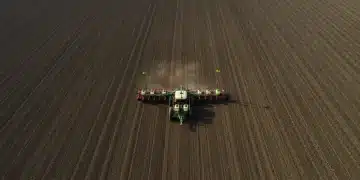
While not fully autonomous, these advanced planters, typically pulled by tractors, integrate sophisticated electronics to offer unparalleled control at the individual row level. Each row unit is equipped with its own electric motor for seed metering, allowing for instantaneous adjustments to seeding rate, downforce, and depth. This means that a single planter can simultaneously adjust its settings for different soil types or management zones within the same pass.
- Key Feature: Electric drive seed meters and hydraulic downforce control per row.
- Seed Placement Mechanism: Vacuum or pneumatic seed delivery combined with electric meters ensures consistent singulation and precise seed drop. Advanced sensors monitor seed spacing and depth in real-time.
- Benefits: High operational speeds without sacrificing accuracy, adaptability to varied field conditions, significant increase in planting efficiency over traditional planters.
3. Drone-Based Seeding Systems
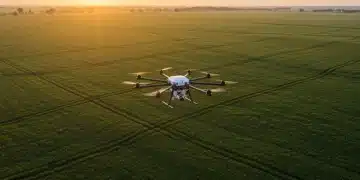
Though still nascent for large-scale row crops, drone-based systems are gaining traction for cover crops, reforestation, and planting in difficult-to-access terrain. These systems can carry specialized seed pods and deploy them with impressive accuracy over large areas. While not offering the same precision as ground-based planters for individual seed placement, their speed and ability to operate in challenging environments make them a valuable tool in certain agricultural contexts.
- Key Feature: Aerial deployment and rapid coverage.
- Seed Placement Mechanism: Specialized dispensing mechanisms release seeds from height, often combined with biodegradable seed pods for protection and nutrient delivery.
- Benefits: Access to difficult terrain, rapid planting of cover crops, reduced soil disturbance.
The synergy between these advanced technologies is what truly defines the current state of Automated Planting Systems. They are not merely machines but intelligent partners in the farming process, capable of making data-driven decisions that optimize every aspect of seed placement. The ongoing research and development in this sector promise even more groundbreaking innovations in the years to come, further solidifying the role of automation in sustainable agriculture.
The Mechanics of Precision: How Seeds are Placed with Unrivaled Accuracy
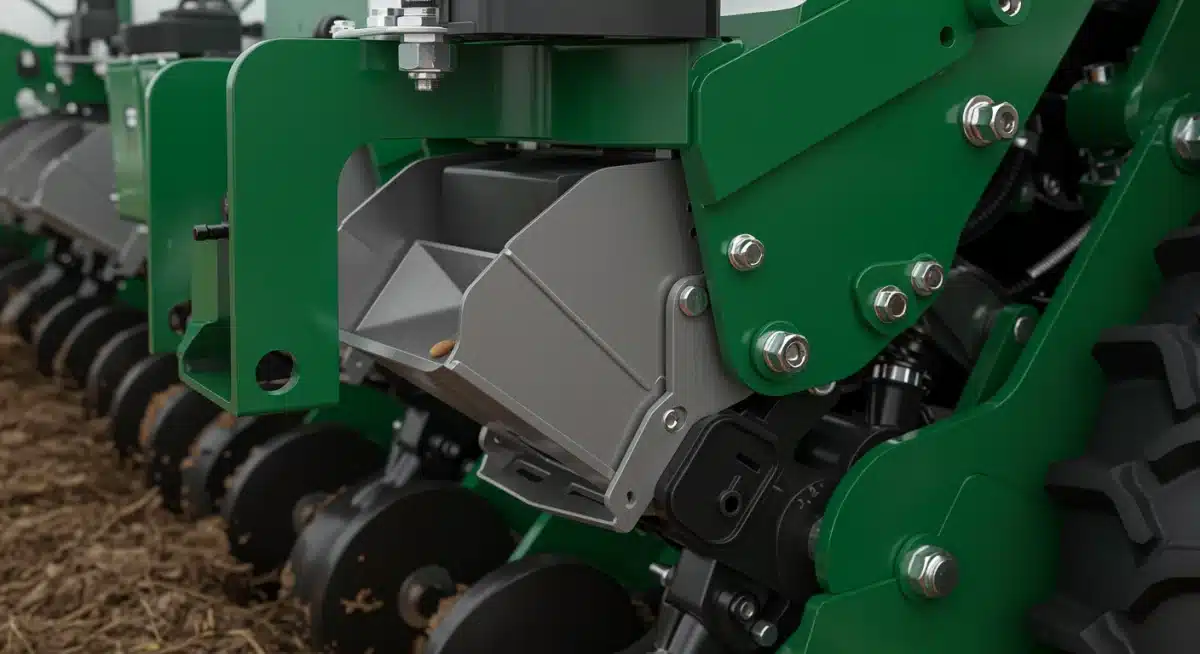
The core of any effective Automated Planting System lies in its ability to place seeds with unrivaled accuracy. This involves several integrated technologies working in concert to ensure optimal depth, spacing, and singulation. Understanding these mechanics is key to appreciating the sophistication of 2026’s systems.
Seed Singulation
Singulation refers to the process of separating and delivering individual seeds from a bulk hopper. This is critical for preventing skips (missed seeds) and doubles (two or more seeds planted too close together), both of which reduce yield. Most modern systems use either vacuum or pneumatic (air pressure) mechanisms. Vacuum planters utilize a rotating disc with precisely sized holes that pick up individual seeds using suction. Pneumatic systems use air pressure to hold seeds against a singulator disc. Electric motors now drive these singulators, offering precise control over disk speed and, consequently, seed spacing and population.
Seed Delivery and Depth Control
Once singulated, seeds are delivered to the furrow. High-speed planting systems often employ seed tubes or belts to ensure a smooth, consistent drop, minimizing seed bounce and improving spacing consistency even at faster speeds. Depth control is paramount for proper germination. Automated Planting Systems in 2026 use a combination of hydraulic or electric downforce systems and advanced sensors to maintain a consistent planting depth regardless of varying soil conditions or terrain. Sensors continuously monitor the depth, and the system automatically adjusts the downforce on the row unit to ensure the seed is placed precisely where it needs to be, optimizing its access to moisture and nutrients.
In-Furrow Technologies
Beyond simply placing the seed, many advanced Automated Planting Systems integrate in-furrow technologies. These can include:
- Liquid Fertilizer or Insecticide Application: Precisely applies small amounts of inputs directly with the seed, ensuring immediate availability for the germinating plant.
- Seed Firmers: Gently press the seed into the bottom of the furrow to ensure good seed-to-soil contact, which is crucial for uniform moisture absorption and germination.
- Closing Wheels: Designed to effectively close the furrow, ensuring the seed is properly covered and protected. Modern systems often feature adjustable closing wheel pressure and angle to adapt to different soil types and moisture levels.
The integration of these mechanical components with intelligent control systems allows for dynamic adjustments in real-time. For example, if a system encounters a patch of compacted soil, it can automatically increase downforce, adjust seed depth, and even modify the closing wheel pressure to ensure optimal seed placement under those specific conditions. This level of responsiveness is a hallmark of the most efficient Automated Planting Systems available today.
Economic and Environmental Advantages of Automated Planting
The adoption of Automated Planting Systems is not merely a technological upgrade; it represents a strategic investment with profound economic and environmental benefits for the agricultural sector. These advantages are driving widespread interest and implementation across various farming operations.
Economic Benefits:
- Increased Yields: Precision seed placement leads to higher germination rates, more uniform plant stands, and healthier crops, directly translating to increased yields per acre. This is perhaps the most compelling economic driver.
- Reduced Input Costs: By optimizing seed spacing and depth, farmers can reduce seed waste. Furthermore, integrated variable rate technology allows for precise application of fertilizers and pesticides only where needed, minimizing overuse and associated costs.
- Labor Efficiency: Autonomous systems reduce the need for skilled labor, addressing a critical challenge in many agricultural regions. Even semi-automated systems significantly reduce operator fatigue and allow for more focused supervision.
- Fuel Savings: Optimized planting paths, reduced overlap, and the potential for electric or smaller autonomous units contribute to significant fuel consumption reductions.
- Extended Planting Windows: The ability of autonomous systems to operate 24/7, combined with increased planting speeds, allows farmers to complete planting tasks within ideal environmental windows, which can be critical for maximizing yield.
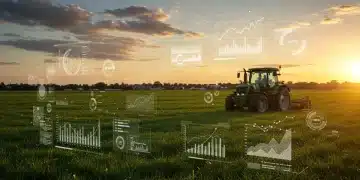
- Data-Driven Decision Making: The vast amounts of data collected by these systems provide invaluable insights into field performance, soil variability, and crop response, enabling farmers to make more informed management decisions for future seasons.
Environmental Benefits:
- Reduced Chemical Runoff: Precision application of fertilizers and pesticides minimizes the amount of these chemicals entering waterways, protecting ecosystems and water quality.
- Soil Health Improvement: Smaller, lighter autonomous planters reduce soil compaction, leading to healthier soil structure, improved water infiltration, and enhanced microbial activity.
- Biodiversity Enhancement: Reduced chemical use and healthier soil contribute to a more diverse and thriving ecosystem within and around agricultural lands.
- Carbon Footprint Reduction: Fuel efficiency, the potential for electric autonomous machinery, and optimized resource use all contribute to a lower carbon footprint for agricultural operations.
- Water Conservation: Healthier plants with better root systems are more efficient at utilizing available water, and precision irrigation systems (often integrated with planting data) further optimize water use.
The cumulative effect of these advantages positions Automated Planting Systems as a cornerstone of sustainable and profitable agriculture. They offer a pathway to meet the growing global demand for food while simultaneously safeguarding our planet’s resources.
Challenges and Future Outlook for Automated Planting Systems
While the benefits of Automated Planting Systems are substantial, their widespread adoption is not without challenges. Addressing these hurdles will be crucial for the continued evolution and integration of these technologies into mainstream agriculture.
Current Challenges:
- High Initial Investment: The sophisticated technology involved in these systems translates to a significant upfront cost, which can be a barrier for smaller farms or those with limited capital.
- Technical Expertise: Operating and maintaining these complex systems requires a new set of skills, including data analysis, robotics maintenance, and software proficiency. Training and education are essential.
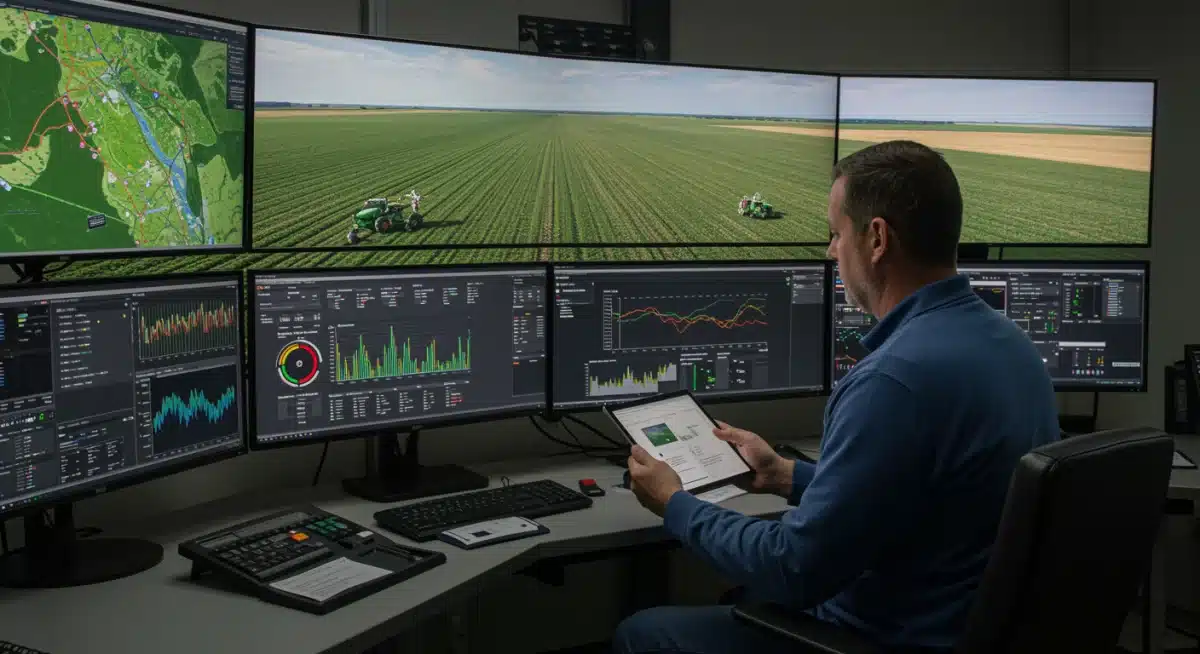
- Connectivity and Infrastructure: Reliable high-speed internet connectivity is vital for real-time data transfer and remote operation of autonomous systems, which can be an issue in rural areas.
- Interoperability: Ensuring that different brands and types of agricultural machinery and software can communicate seamlessly remains a challenge, though industry standards are emerging.
- Regulatory Frameworks: Regulations regarding autonomous vehicles and data privacy in agriculture are still evolving, creating uncertainty for manufacturers and users.
- Data Security: The vast amount of data collected by these systems raises concerns about data ownership, security, and privacy.
Future Outlook and Innovations:
Despite these challenges, the future of Automated Planting Systems is incredibly promising, with ongoing research and development focusing on several key areas:
- Enhanced AI and Machine Learning: Future systems will feature even more sophisticated AI, capable of predicting optimal planting strategies with greater accuracy based on hyper-local weather forecasts, historical yield data, and real-time plant health monitoring.
- Miniaturization and Electrification: Expect to see smaller, lighter, and fully electric autonomous units that further reduce soil compaction and operate with zero emissions.
- Integrated Ecosystems: Greater interoperability between planting systems, irrigation, pest control, and harvesting equipment will lead to truly integrated farm management ecosystems.
- Advanced Sensor Fusion: The combination of various sensor types (hyperspectral, thermal, acoustic) will provide an even richer dataset for decision-making, allowing for incredibly nuanced adjustments during planting.
- Robotics for Specialized Crops: While currently dominant in broadacre crops, robotic planters will become more prevalent in specialty crops, adapting to unique plant morphologies and growing requirements.
- Blockchain for Traceability: Integration with blockchain technology could provide immutable records of every seed planted, enhancing food traceability and supply chain transparency.
The trajectory of Automated Planting Systems points towards a future where farming is not only more productive and efficient but also inherently more intelligent and sustainable. As technology advances and costs potentially decrease with wider adoption, these systems will become an indispensable tool for farmers striving to meet the demands of a changing world.
Implementing Automated Planting Systems: A Practical Guide
For farmers considering the integration of Automated Planting Systems into their operations, a strategic approach is essential. This isn’t just about purchasing new machinery; it’s about adopting a new philosophy of farming that leverages data and precision.
1. Assess Your Needs and Goals:
Before investing, evaluate your current farm size, crop types, soil conditions, and specific challenges. Are you looking to increase yields, reduce labor, conserve resources, or all of the above? Understanding your primary objectives will guide your selection of the most appropriate system.
2. Start Small and Scale Up:
It can be daunting to overhaul an entire operation at once. Consider implementing automated planting on a smaller section of your farm or for a specific crop initially. This allows you to learn the technology, train your team, and iron out any kinks before a full-scale rollout.
3. Invest in Training and Education:
Modern Automated Planting Systems require operators who are comfortable with technology. Invest in comprehensive training for your staff on how to operate, maintain, and troubleshoot the equipment, as well as how to interpret and utilize the data it generates.
4. Ensure Connectivity:
Reliable internet access across your fields is paramount for many advanced features, including real-time data transfer, remote monitoring, and software updates. Invest in robust connectivity solutions if your existing infrastructure is lacking.
5. Data Management and Analysis:
These systems generate a wealth of data. Develop a strategy for collecting, storing, and analyzing this information. Partner with agronomists or data specialists who can help you translate raw data into actionable insights for optimizing future planting seasons and overall farm management.
6. Consider Compatibility and Interoperability:
As you build your precision agriculture ecosystem, prioritize equipment and software that are compatible with each other. Look for systems that adhere to industry standards for data exchange to avoid vendor lock-in and ensure seamless integration.
7. Partner with Reputable Manufacturers and Dealers:
Choose suppliers with a strong track record, excellent customer support, and a commitment to ongoing innovation. A good partnership can provide crucial technical assistance and access to the latest software updates and hardware improvements.
By following these practical steps, farmers can successfully integrate Automated Planting Systems into their operations, unlocking their full potential for increased productivity, profitability, and sustainability. The transition to precision agriculture is an ongoing journey, but one that promises significant rewards for those willing to embrace the future.
Conclusion: The Future is Planted
The review of Automated Planting Systems in 2026 reveals a landscape transformed by innovation, precision, and intelligence. These technologies are not just tools; they are strategic assets that empower farmers to tackle the complex challenges of modern agriculture, from feeding a growing global population to mitigating the impacts of climate change. The emphasis on accurate seed placement through advanced robotics, sophisticated sensors, and artificial intelligence is yielding unprecedented levels of efficiency, leading to higher yields, reduced input costs, and a significantly smaller environmental footprint.
We’ve traversed the evolution of seed placement, examined the leading systems available today, delved into the intricate mechanics that ensure unrivaled accuracy, and highlighted the compelling economic and environmental advantages. While challenges such as initial investment and technical expertise remain, the trajectory of innovation is clear: Automated Planting Systems are becoming more accessible, more intelligent, and more integrated. The ongoing development promises even greater levels of autonomy, data-driven decision-making, and sustainability.
For farmers, the message is clear: embracing these technologies is no longer an option but a necessity for staying competitive and sustainable in the long run. The future of agriculture is being planted today, one precisely placed seed at a time, by the very systems we’ve explored. As we look ahead, the continuous refinement of these technologies will undoubtedly lead to even more remarkable advancements, further solidifying the role of automation as the cornerstone of a productive, resilient, and environmentally responsible agricultural future. The seeds of change have been sown, and the harvest promises to be abundant.