Consumer Spending Habits 2026: Reshaping U.S. Food Supply Chains
Advertisement
Consumer Spending Habits 2026: Reshaping U.S. Food Supply Chains
In this comprehensive analysis, we will delve into the key drivers behind these evolving consumer behaviors, examine their direct impact on the food supply chain, and explore the innovative solutions emerging to meet these new demands. We’ll look at everything from the growing emphasis on sustainability and health to the pervasive influence of technology and the demand for transparency. The future of food is being written today by the choices consumers make, and the U.S. food supply chain must adapt or risk obsolescence.
Advertisement
The Drivers of Change: Understanding Consumer Food Habits 2026
Several interconnected factors are propelling the transformation of consumer food habits 2026. These aren’t isolated trends but rather a confluence of societal, technological, and environmental forces that together create a powerful impetus for change.
Increased Health and Wellness Consciousness
One of the most significant drivers is a heightened awareness of health and wellness. Consumers are increasingly scrutinizing food labels, demanding cleaner ingredients, and seeking products that offer tangible health benefits. This isn’t just about avoiding unhealthy foods; it’s about actively seeking out nutrient-dense options, functional foods, and personalized nutrition solutions. The pandemic further accelerated this trend, with many consumers prioritizing immune-boosting foods and ingredients that support overall well-being. This shift impacts everything from the types of crops grown to the processing methods used and the marketing messages employed by food companies.
Sustainability and Ethical Sourcing
Environmental concerns are no longer niche; they are mainstream. Consumers, particularly younger generations, are acutely aware of the environmental footprint of their food choices. This translates into a strong preference for sustainably produced, ethically sourced, and environmentally friendly products. Demand for organic, locally grown, and plant-based foods continues to surge. Concerns about animal welfare, fair labor practices, and reduced food waste are also paramount. The pressure on food companies to demonstrate their commitment to sustainability through transparent practices and certifications is immense, influencing everything from packaging innovations to supply chain logistics.
Advertisement
Technological Integration and Convenience
The digital revolution has profoundly altered how consumers interact with food. E-commerce for groceries has moved from a convenience to an expectation, especially post-pandemic. Consumers are comfortable ordering food online, utilizing meal kit services, and exploring subscription models that deliver tailored food solutions directly to their homes. This demand for convenience extends beyond delivery; it also encompasses ready-to-eat meals, pre-portioned ingredients, and smart kitchen appliances that simplify food preparation. Technology also plays a role in consumer education, with apps and online platforms providing information on food origins, nutritional content, and even recipe suggestions. This technological integration requires the food supply chain to be agile, efficient, and digitally enabled at every stage.
Personalization and Dietary Diversity
The ‘one-size-fits-all’ approach to food is rapidly becoming obsolete. Consumers are seeking personalized dietary solutions that cater to their unique health needs, ethical beliefs, and cultural preferences. This includes a growing market for allergen-free products (gluten-free, dairy-free), specialized diets (keto, paleo, vegan), and foods that reflect diverse culinary traditions. The rise of direct-to-consumer models and niche food brands is a direct response to this demand for personalization. The supply chain must be flexible enough to handle smaller batch sizes, a wider variety of ingredients, and more complex distribution networks.
Economic Factors and Value Perception
While health and sustainability are key, economic factors remain a significant consideration. Consumers are always looking for value, but the definition of ‘value’ is evolving. It’s not just about the lowest price; it’s about the perceived benefits relative to the cost. This might mean paying a premium for organic produce or ethically sourced meat, but it also means seeking out affordable, healthy options. Inflationary pressures and economic uncertainties can also influence purchasing decisions, leading to a focus on staple goods, home cooking, and reduced food waste. The food supply chain needs to balance cost-efficiency with the delivery of high-quality, value-added products.
Impact on the U.S. Food Supply Chain
The aggregate effect of these consumer food habits 2026 is a comprehensive reassessment and restructuring of the U.S. food supply chain. No single component remains untouched; from farm to fork, every link in the chain is undergoing significant evolution.
Agricultural Production and Sourcing
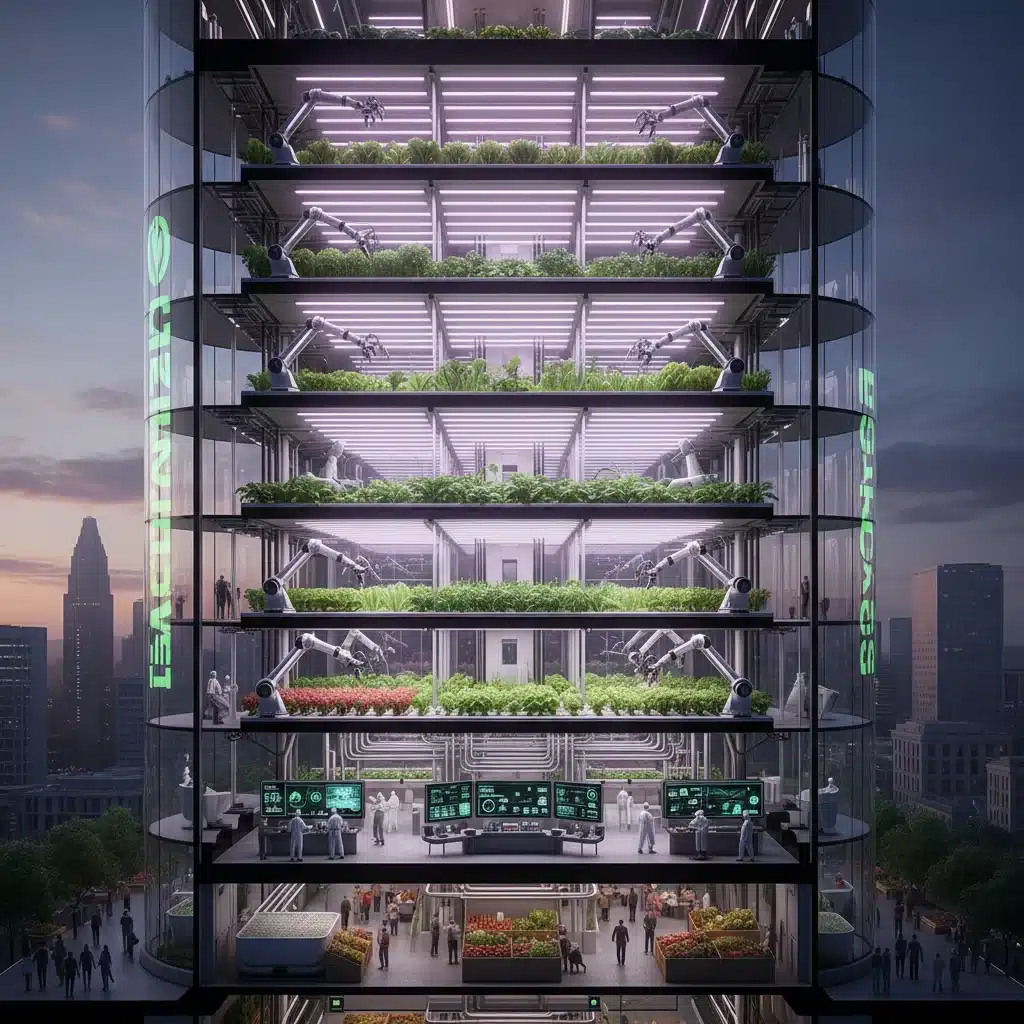
Farmers are experiencing pressure to adopt more sustainable and ethical practices. This includes reducing pesticide use, enhancing soil health, conserving water, and improving animal welfare. There’s a growing demand for diverse crops beyond traditional staples, catering to specialized diets and ethnic cuisines. Local and regional sourcing is gaining prominence, reducing transportation costs and environmental impact while supporting local economies. This shift requires investment in new farming technologies, such as vertical farms and controlled environment agriculture, which can produce fresh produce closer to urban centers, directly addressing consumer demand for freshness and transparency.
Processing and Manufacturing
Food processors and manufacturers must innovate to meet the demand for clean labels, plant-based alternatives, and functional ingredients. This involves reformulating existing products, developing new product lines, and investing in advanced processing technologies that preserve nutrients and extend shelf life naturally. The need for greater transparency means companies must be able to trace ingredients back to their origin and provide detailed information about their production processes. Smaller batch production and increased product diversification complicate manufacturing logistics, requiring more flexible and adaptable production lines.
Logistics and Distribution
The rise of e-commerce and direct-to-consumer models has dramatically altered logistics. Cold chain management has become even more critical, ensuring the integrity of fresh and perishable goods delivered directly to homes. Last-mile delivery solutions are evolving rapidly, with a focus on speed, efficiency, and sustainability (e.g., electric delivery vehicles, drone delivery in some areas). The traditional hub-and-spoke distribution model is being challenged by more localized and decentralized networks, designed to serve smaller, more frequent deliveries to a wider array of endpoints, including individual consumers. Data analytics and AI are becoming indispensable for optimizing routes, managing inventory, and predicting demand fluctuations.
Retail and Foodservice
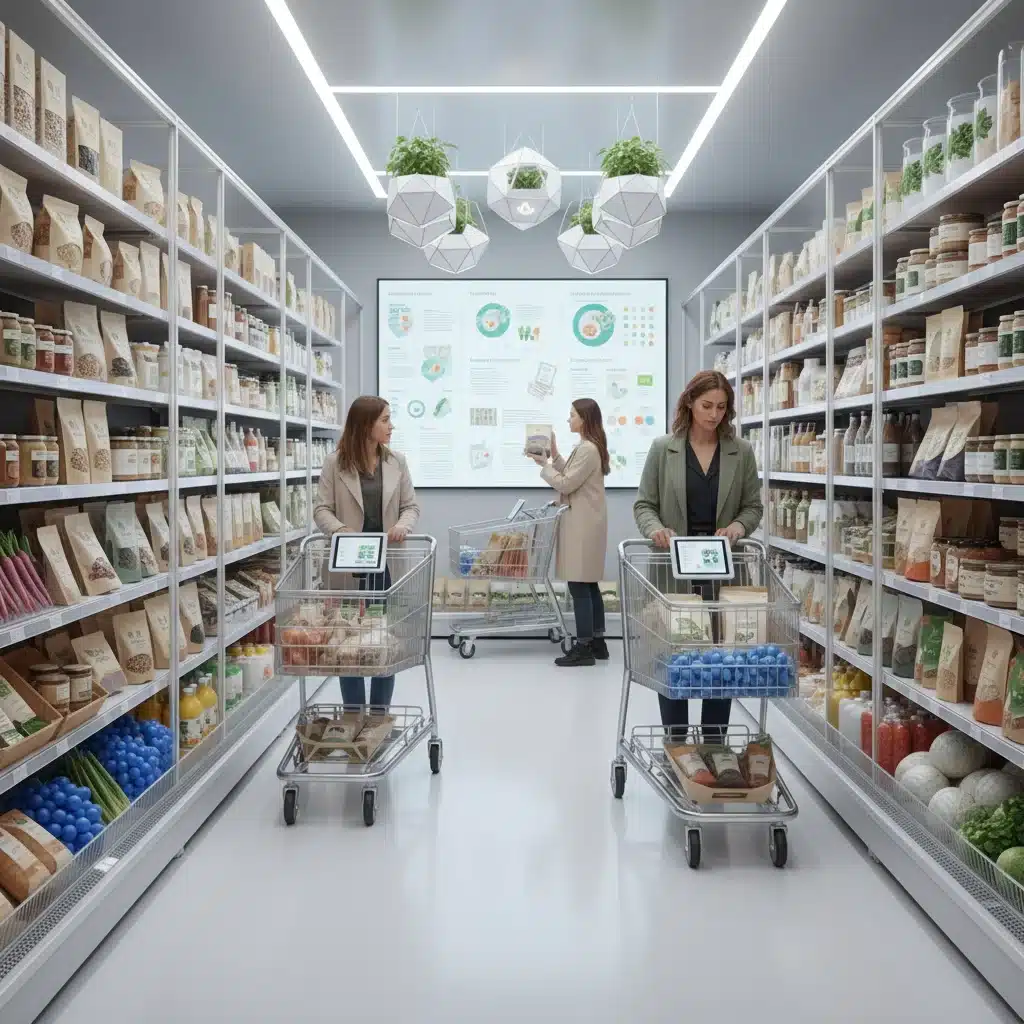
Grocery stores are transforming into hybrid models, combining traditional in-store shopping with robust online platforms, curbside pickup, and home delivery services. Retailers are dedicating more shelf space to organic, plant-based, and specialty products. Experiential retail, such as in-store cooking classes or tasting events, is also gaining traction. Foodservice, including restaurants and institutional catering, is adapting by offering more plant-forward menus, catering to dietary restrictions, and emphasizing sustainable sourcing. Ghost kitchens and meal delivery services continue to proliferate, reflecting the consumer’s desire for convenience and variety without the traditional dining experience.
Challenges and Opportunities for the Future of Food
The evolving consumer food habits 2026 present both significant challenges and unparalleled opportunities for the U.S. food supply chain.
Key Challenges
- Supply Chain Complexity and Fragility: Increased demand for diverse, specialized, and ethically sourced products can lead to more complex and potentially fragile supply chains. Disruptions, whether from climate change, geopolitical events, or pandemics, can have amplified effects.
- Cost Management: Implementing sustainable practices, adopting new technologies, and catering to niche markets often come with higher costs, which can be challenging to absorb without passing them on to consumers, potentially impacting affordability.
- Labor Shortages: The food industry, from agriculture to logistics, often faces labor shortages. New technologies and automation can help, but finding skilled workers for specialized roles remains a hurdle.
- Data Security and Privacy: As more consumer data is collected to personalize offerings and optimize logistics, ensuring data security and privacy becomes paramount, building consumer trust.
- Regulatory Adaptation: Existing food regulations may not be fully equipped to handle novel food products (e.g., lab-grown meat, insect-based proteins), new processing methods, or complex supply chain models, requiring agile regulatory frameworks.
Emerging Opportunities
- Innovation and New Product Development: The demand for novel, healthy, and sustainable foods creates a fertile ground for innovation. Companies that can quickly bring new, desirable products to market will thrive.
- Technological Advancement: Investment in AI, blockchain for traceability, advanced robotics for farming and processing, and sophisticated logistics software can drive efficiency, reduce waste, and enhance transparency throughout the supply chain.
- Sustainable Business Models: Companies that genuinely embrace sustainability, from regenerative agriculture to circular economy principles, can build stronger brands, attract eco-conscious consumers, and potentially access new markets and funding opportunities.
- Direct-to-Consumer Growth: Bypassing traditional intermediaries allows food producers to build direct relationships with consumers, gaining valuable insights and fostering brand loyalty.
- Personalized Nutrition Services: The ability to offer tailored food recommendations, meal plans, and specialized products based on individual health data and preferences represents a massive growth area.
Innovative Solutions and Future Outlook
To navigate the complexities and capitalize on the opportunities presented by evolving consumer food habits 2026, the U.S. food supply chain is embracing a variety of innovative solutions.
Blockchain for Traceability and Transparency
Blockchain technology is emerging as a powerful tool for enhancing traceability and transparency. By creating an immutable, distributed ledger of every transaction and movement of food products, consumers can gain access to detailed information about their food’s journey from farm to plate. This not only builds trust but also helps in quickly identifying and containing food safety issues, minimizing waste, and verifying ethical sourcing claims. Companies like Walmart and IBM Food Trust are already demonstrating the efficacy of blockchain in their supply chains.
Precision Agriculture and Vertical Farming
To address sustainability concerns and the demand for local produce, precision agriculture and vertical farming are becoming increasingly important. Precision agriculture uses data, sensors, and AI to optimize crop yields, reduce water and fertilizer use, and minimize environmental impact. Vertical farms, often located in urban areas, can grow fresh produce year-round using significantly less land and water, reducing transportation costs and ensuring hyper-local availability. These technologies contribute to a more resilient and sustainable food system that aligns with consumer values.
Advanced Robotics and Automation
From automated harvesting in fields to robotic picking and packing in warehouses, and even autonomous delivery vehicles, robotics and automation are transforming various stages of the food supply chain. These technologies can improve efficiency, reduce labor costs, enhance food safety by minimizing human contact, and handle the increasing complexity of diversified product lines and smaller order fulfillment. While initial investment can be high, the long-term benefits in terms of productivity and consistency are substantial.
Focus on Circular Economy Principles
The food supply chain is increasingly adopting circular economy principles to minimize waste and maximize resource utilization. This includes initiatives like upcycling food waste into new products (e.g., using spent grain from breweries to make flour), composting, and developing biodegradable or reusable packaging solutions. Consumers are highly receptive to brands that demonstrate a commitment to reducing their environmental footprint, making circularity a competitive advantage.
Personalized Nutrition Platforms
The future of food will likely involve highly personalized nutrition. Companies are developing AI-powered platforms that analyze individual dietary needs, health goals, and even genetic data to recommend tailored food products, meal plans, and supplements. This level of personalization, driven by consumer demand for optimal health and wellness, will require a sophisticated and adaptable supply chain capable of producing and distributing highly customized offerings.

Policy and Collaboration: Shaping the Future
The transformation of the U.S. food supply chain in response to consumer food habits 2026 cannot happen in isolation. It requires significant collaboration and supportive policy frameworks.
Government Role and Regulations
Governments play a crucial role in fostering a resilient and sustainable food system. This includes investing in agricultural research and development, providing incentives for sustainable farming practices, and updating regulations to accommodate new food technologies and business models. Policies that support local food systems, reduce food waste, and ensure fair labor practices across the supply chain are essential. Additionally, consumer education campaigns can help inform the public about healthy and sustainable food choices, aligning with evolving preferences.
Industry Collaboration and Partnerships
No single entity can tackle the complexities of the modern food supply chain alone. Collaboration between farmers, processors, distributors, retailers, technology providers, and even consumers is vital. Partnerships can facilitate the sharing of best practices, co-development of innovative solutions, and the creation of more integrated and efficient systems. For instance, food hubs that connect local farmers directly with urban consumers or institutional buyers are excellent examples of effective collaboration.
Consumer Education and Empowerment
While consumer habits drive change, informed consumers can drive more effective change. Providing clear, accessible information about food origins, nutritional content, and environmental impact empowers consumers to make choices that align with their values. Educational initiatives on sustainable eating, food waste reduction, and healthy cooking can further amplify positive shifts in demand, reinforcing the transformations happening within the supply chain.
Conclusion
The U.S. food supply chain is at an inflection point, with evolving consumer food habits 2026 acting as the primary catalyst for change. The demand for healthier, more sustainable, ethically sourced, and convenient food options is not a fleeting trend but a fundamental shift in consumer values and expectations. This necessitates a proactive and adaptive response from every stakeholder in the food ecosystem.
From embracing cutting-edge agricultural technologies and advanced automation to leveraging blockchain for transparency and fostering strong cross-sector collaborations, the path forward involves innovation at every turn. While challenges such as supply chain complexity, cost management, and regulatory adaptation are significant, the opportunities for growth, sustainability, and enhanced consumer trust are even greater. The future of food in the U.S. will be defined by its ability to respond dynamically to these evolving demands, creating a food system that is not only efficient and resilient but also deeply aligned with the values of its consumers.
By understanding and strategically addressing these profound shifts, the U.S. food supply chain can transform into a more robust, sustainable, and consumer-centric powerhouse, ready to meet the demands of 2026 and beyond.