US Food Demand Shifts: 2026 Consumer Preferences Impacting Produce Markets
Anúncios
The United States food industry is a constantly evolving landscape, influenced by a myriad of factors ranging from economic shifts and technological advancements to changing demographics and evolving consumer values. As we look towards 2026, understanding the anticipated US food demand shifts is crucial for anyone involved in the agricultural sector, particularly those in the produce markets. These shifts are not merely fleeting trends but represent fundamental changes in how Americans view, purchase, and consume food, with profound implications for growers, distributors, retailers, and consumers alike.
The next few years are expected to solidify several burgeoning trends, transforming the produce market from a commodity-driven industry to one increasingly focused on value, transparency, and sustainability. Consumers are becoming more educated, more health-conscious, and more ethically driven, demanding not just fresh produce, but produce that aligns with their personal values and societal concerns. This comprehensive analysis will delve into the core drivers of these changes, explore their specific impacts on various produce categories, and offer insights into how the industry can adapt and thrive in this dynamic environment.
The Health and Wellness Imperative: Driving US Food Demand Shifts
At the forefront of the US food demand shifts is an undeniable and accelerating focus on health and wellness. This isn’t a new phenomenon, but by 2026, it will have matured into a sophisticated and multifaceted consumer expectation. Consumers are moving beyond simple calorie counting to a more holistic understanding of nutrition, seeking foods that offer specific health benefits, support gut health, boost immunity, and contribute to overall vitality. This translates directly into increased demand for fresh fruits and vegetables, which are inherently positioned to meet these needs.
Anúncios
We are seeing a consistent rise in plant-centric diets, not necessarily full vegetarianism or veganism, but a conscious effort to incorporate more plant-based meals. This broad trend benefits all produce, but particularly vegetables rich in antioxidants, fiber, and vitamins. Superfoods, once a niche concept, are becoming mainstream, with items like kale, spinach, berries, and avocados consistently high on shopping lists. The demand for functional foods, those offering health benefits beyond basic nutrition, is also growing. This could mean produce naturally rich in certain compounds or even produce fortified with additional nutrients, though the latter is less common in raw produce. The produce industry needs to highlight the intrinsic health benefits of its offerings, providing clear and concise information to consumers about how specific fruits and vegetables contribute to their well-being.
Furthermore, the pandemic has amplified concerns about immunity and personal health, leading to greater interest in produce known for its immune-boosting properties, such as citrus fruits, ginger, and garlic. This health consciousness also extends to concerns about food allergies and sensitivities, driving demand for ‘free-from’ options and clear labeling, though this is less directly applicable to whole, unprocessed produce.
Anúncios
Sustainability and Ethics: A Core Pillar of Evolving Preferences
Beyond personal health, the environmental and ethical implications of food production are increasingly influencing US food demand shifts. By 2026, consumers will expect more from their food than just taste and nutrition; they will demand transparency, sustainability, and ethical sourcing. This is a significant driver for the produce market, as it directly impacts purchasing decisions.
The Rise of Organic and Locally Sourced Produce
The organic food movement, once considered a premium niche, has become a significant segment of the market. Consumers are increasingly willing to pay more for produce that is certified organic, believing it to be healthier and more environmentally friendly due to the absence of synthetic pesticides and fertilizers. This trend is expected to continue its upward trajectory, with organic produce becoming a standard offering in most retail environments.
Similarly, the ‘eat local’ movement continues to gain momentum. Consumers are drawn to local produce for several reasons: perceived freshness, support for local economies, reduced carbon footprint due to shorter transportation distances, and the ability to connect directly with growers. Farmers’ markets, community-supported agriculture (CSA) programs, and local sections in grocery stores are all beneficiaries of this trend. The produce market must find ways to highlight the local origins of its products, whether through clear labeling, storytelling about farms, or direct-to-consumer models.
Minimizing Environmental Impact
Environmental concerns extend beyond organic farming to broader issues like water usage, soil health, and biodiversity. Consumers are becoming more aware of the resources required to produce their food and are seeking out brands and products that demonstrate a commitment to sustainable practices. This includes produce grown using regenerative agriculture techniques, which focus on improving soil health and sequestering carbon. While certification for these practices is still developing, brands that can communicate their environmental stewardship effectively will gain a competitive edge.
Food waste is another critical area. Consumers are increasingly concerned about the amount of food that goes to waste at all stages of the supply chain. This could lead to a greater demand for ‘ugly’ produce, imperfect fruits and vegetables that are perfectly edible but often discarded. It also puts pressure on retailers and consumers to reduce waste at home, potentially influencing purchasing habits towards smaller portions or more versatile produce that can be used in multiple meals.
Technological Innovations and Their Role in Shaping Demand
Technology is not just changing how produce is grown and distributed; it’s also influencing consumer expectations and driving US food demand shifts. By 2026, technological advancements will have further integrated into every aspect of the food system, from farm to fork.
Vertical Farming and Controlled Environment Agriculture (CEA)
Vertical farms and other forms of Controlled Environment Agriculture (CEA) are rapidly gaining traction, particularly in urban areas. These systems allow for year-round production of fresh produce, often with reduced water usage and no pesticides. The proximity to consumers means fresher products with a longer shelf life, addressing a key consumer desire. While currently focused on leafy greens and herbs, the technology is expanding to other produce items. This innovation directly responds to the demand for local, fresh, and sustainably grown food, especially in regions with limited agricultural land or harsh climates.

Traceability and Transparency Through Blockchain
Consumers want to know where their food comes from, how it was grown, and who handled it along the way. Blockchain technology offers a powerful solution for achieving unparalleled traceability and transparency in the produce supply chain. By providing an immutable record of a product’s journey, from seed to store, blockchain can build consumer trust and verify claims of organic, local, or sustainable sourcing. This technological advancement directly addresses the ethical and sustainability concerns driving consumer choices.
Personalized Nutrition and AI
While still in its nascent stages, personalized nutrition, powered by AI and data analytics, is an emerging trend that could significantly impact US food demand shifts. As consumers gain more insights into their unique nutritional needs and how different foods affect their bodies, they may seek out specific types of produce tailored to their individual health goals. This could lead to demand for produce with particular micronutrient profiles or those known to support specific biological functions. The produce market might eventually see a shift towards more specialized varieties or even custom-grown produce to meet these personalized demands.
Demographic Shifts and Cultural Influences
The demographic makeup of the US is continually evolving, and these changes have a direct bearing on food consumption patterns and US food demand shifts. By 2026, the influence of younger generations and increasing cultural diversity will be even more pronounced.
Millennials and Gen Z: The Driving Force
Millennials and Gen Z are not just the largest consumer groups; they are also the most influential in terms of shaping food trends. These generations are generally more health-conscious, environmentally aware, and digitally savvy than their predecessors. They prioritize convenience, transparency, and experiences. For the produce market, this means a demand for easy-to-prepare fresh produce, pre-cut options, and innovative packaging. They are also more receptive to new and exotic fruits and vegetables, driving diversification in produce offerings. Marketing efforts must be authentic, values-driven, and leverage digital platforms to reach these consumers effectively.
Increasing Cultural Diversity
The increasing cultural diversity of the US population brings with it a wider palate and a demand for a broader range of global produce. Ingredients that were once considered ethnic or specialty items are now becoming mainstream. This includes a growing interest in Asian vegetables like bok choy and daikon, Latin American staples such as plantains and jicama, and various tropical fruits. The produce market needs to expand its offerings to cater to these diverse culinary preferences, ensuring accessibility and familiarity for all consumers.
The Economic Landscape and Affordability
While health, sustainability, and technology are powerful drivers, economic factors and affordability remain critical considerations in US food demand shifts. By 2026, consumers will continue to balance their desire for high-quality, ethically sourced produce with their household budgets.
Value and Accessibility
Even as demand for premium and specialty produce grows, the core market will always require affordable and accessible options. The challenge for the produce industry is to make healthy, sustainable choices more attainable for all income levels. This could involve promoting seasonal produce, which is often more cost-effective, or developing efficient supply chains that reduce costs without compromising quality or ethical standards. Retailers will play a crucial role in curating selections that offer both value and variety.
Inflationary Pressures and Supply Chain Resilience
Recent years have highlighted the vulnerability of global supply chains and the impact of inflationary pressures on food prices. By 2026, consumers will be more attuned to these issues, and their purchasing decisions may be influenced by price stability and the perceived resilience of the supply chain. Local sourcing can offer some protection against global disruptions, making it an even more attractive option for both consumers and producers. Investment in robust and diversified supply chains will be essential.
Specific Impacts on Produce Categories
These overarching US food demand shifts will manifest differently across various produce categories. Understanding these nuances is key for specific growers and market participants.
Leafy Greens and Herbs
Demand for leafy greens (spinach, kale, lettuce, arugula) and fresh herbs is expected to remain exceptionally strong, driven by health and wellness trends, plant-based diets, and the proliferation of vertical farming. Expect continued innovation in packaging for extended freshness and convenience.
Berries and Stone Fruits
Berries (strawberries, blueberries, raspberries) will continue to be popular due to their superfood status and versatility. Stone fruits will see continued demand, especially those with unique flavor profiles or extended seasons. Organic options in these categories will command a premium.
Root Vegetables and Alliums
Traditional root vegetables (carrots, potatoes, sweet potatoes) will maintain their staple status, with growing interest in heirloom varieties and those grown using regenerative practices. Alliums (onions, garlic) will remain essential, with increased demand for specialty varieties and organic options due to their perceived health benefits.
Exotic and Tropical Fruits
As cultural diversity increases, so too will the demand for exotic and tropical fruits like mangoes, papayas, dragon fruit, and passion fruit. Retailers will need to ensure consistent supply and educate consumers on how to select and prepare these less common items.
Convenience Produce
The demand for pre-cut, pre-washed, and ready-to-eat produce will continue to rise across all categories, driven by busy lifestyles and the desire for convenience. This includes salad kits, fruit cups, and vegetable snack packs. While this category offers convenience, it also presents challenges regarding packaging waste, which the industry will need to address with sustainable solutions.
Strategies for the Produce Market to Adapt
To successfully navigate the anticipated US food demand shifts by 2026, the produce market must adopt proactive strategies that align with evolving consumer preferences.
Enhance Transparency and Traceability
Invest in technologies and practices that allow for clear communication about product origins, growing methods, and sustainability efforts. This builds trust and meets consumer demand for information. Utilize QR codes on packaging that link to farm stories, certifications, and nutritional information.
Prioritize Sustainability Throughout the Supply Chain
From adopting regenerative farming practices to minimizing water usage and reducing food waste, sustainability must be integrated into every aspect of operations. Explore eco-friendly packaging solutions and communicate these efforts to consumers.
Diversify Product Offerings
Expand the range of produce to include more organic options, local varieties, exotic fruits and vegetables, and convenience-focused products. Cater to diverse culinary traditions and dietary preferences.
Innovate in Packaging and Presentation
Develop packaging that extends shelf life, reduces waste, and is convenient for consumers. Consider smaller portion sizes for single households and larger family packs for others. Focus on attractive and informative labeling that highlights key benefits.
Leverage Technology for Efficiency and Consumer Engagement
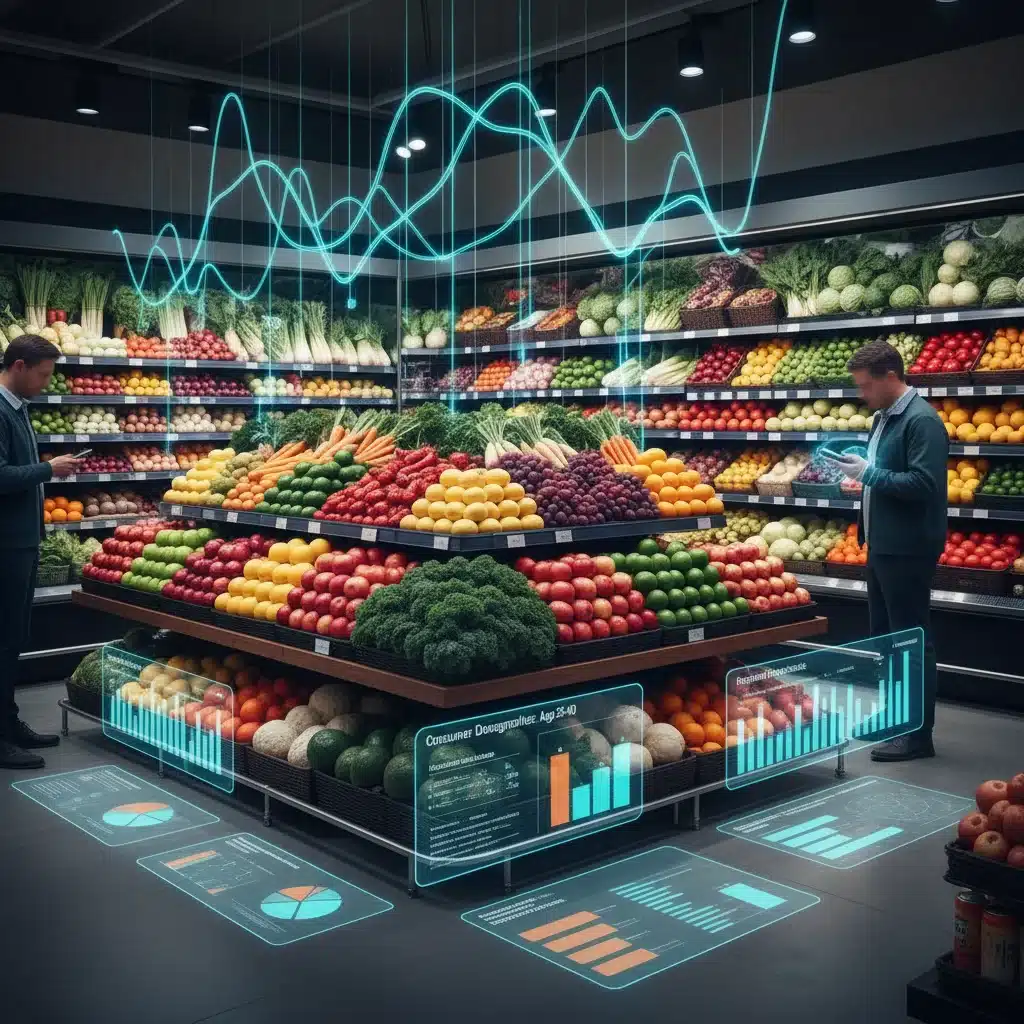
Embrace vertical farming and CEA where feasible to increase local supply and reduce environmental impact. Use data analytics to understand consumer preferences and tailor offerings. Engage with consumers through digital platforms, sharing recipes, health tips, and sustainability stories.
Collaborate Across the Supply Chain
Foster stronger relationships between growers, distributors, and retailers to ensure efficient flow of information and products. Collaborative efforts can help in forecasting demand, managing inventory, and responding quickly to market changes.
Conclusion: A Future of Conscious Consumption
The US food demand shifts anticipated by 2026 paint a clear picture of a consumer base that is increasingly conscious, informed, and values-driven. The demand for fresh produce will remain strong, but the criteria for selection will be more stringent. Health, sustainability, ethical sourcing, and convenience will be paramount, complementing the traditional drivers of taste and price.
For the produce market, this evolution presents both challenges and immense opportunities. Those who can adapt to these shifts, embracing transparency, innovation, and a genuine commitment to sustainability, will be well-positioned for success. By understanding and proactively responding to these evolving consumer preferences, the produce industry can continue to nourish the nation while contributing to a healthier planet and a more equitable food system. The future of food in the US is bright, green, and increasingly mindful, promising a dynamic and rewarding landscape for all involved.