Autonomous Tractors: A Practical Guide to Adopting Self-Driving Farm Equipment in the US by 2026
Anúncios
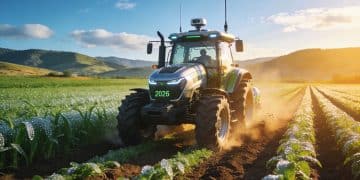
The agricultural landscape of the United States is on the cusp of an unprecedented transformation, driven by the rapid advancements in technology and the increasing need for efficiency, sustainability, and productivity. Among the most revolutionary innovations emerging from this tech wave are autonomous farm equipment, particularly self-driving tractors. These intelligent machines are poised to redefine farming practices, offering solutions to labor shortages, optimizing resource utilization, and boosting yields.
As we look towards 2026, the adoption of autonomous tractors is no longer a distant dream but a tangible reality for many American farmers. This comprehensive guide delves into the practical aspects of integrating self-driving farm equipment into your operations, exploring the myriad benefits, addressing potential challenges, and outlining a strategic roadmap for successful adoption.
Anúncios
The Dawn of Autonomous Farm Equipment: Why Now?
The concept of autonomous vehicles has captivated industries for decades, and agriculture is no exception. However, recent breakthroughs in artificial intelligence, GPS technology, sensor development, and machine learning have propelled autonomous farm equipment from the realm of science fiction into practical application. The agricultural sector faces unique pressures, including a dwindling labor force, climate change uncertainties, and the global demand for increased food production. Autonomous tractors offer a compelling answer to these challenges.
Addressing Labor Shortages
One of the most significant pain points for American farmers is the persistent shortage of skilled labor. Operating traditional farm machinery requires extensive training and long hours, often in challenging conditions. Autonomous tractors can operate tirelessly, 24/7, without human intervention for routine tasks, freeing up valuable human resources for more complex management and decision-making roles. This shift not only mitigates labor scarcity but also transforms the nature of agricultural employment, fostering a need for tech-savvy farm managers and data analysts.
Anúncios
Enhancing Precision and Efficiency
Precision agriculture, a farming management concept based on observing, measuring, and responding to inter and intra-field variability in crops, has been a growing trend. Autonomous farm equipment takes precision to an entirely new level. Equipped with advanced sensors, cameras, and GPS, these machines can perform tasks with unparalleled accuracy, whether it’s planting seeds at optimal depths and spacing, applying fertilizers precisely where needed, or targeting weeds with pinpoint accuracy. This precision leads to reduced waste of inputs, lower operational costs, and healthier crops.
Boosting Productivity and Yields
The ability of autonomous tractors to work around the clock, coupled with their enhanced precision, directly translates to increased productivity. Farmers can complete tasks more quickly and efficiently, especially during critical planting and harvesting windows. This optimized timing and execution contribute to higher yields and improved crop quality, ultimately strengthening the farm’s economic viability.
Promoting Sustainability in Agriculture
Sustainability is no longer an option but a necessity in modern agriculture. Autonomous farm equipment contributes to environmental stewardship in several ways:
- Reduced Fuel Consumption: Optimized routes and efficient operation minimize fuel usage and carbon emissions.
- Precise Chemical Application: Targeted spraying reduces the overall quantity of pesticides and herbicides used, lessening environmental impact and protecting biodiversity.
- Soil Health: Lighter, more agile autonomous machines can reduce soil compaction, leading to healthier soil structures and improved water retention.
Key Technologies Powering Autonomous Farm Equipment
The intelligence behind autonomous farm equipment is a sophisticated blend of various technologies working in concert. Understanding these core components is crucial for any farmer considering adoption.
Global Positioning System (GPS) and RTK
At the heart of autonomous navigation is GPS technology. While standard GPS offers accuracy within a few meters, agricultural applications demand much higher precision. Real-Time Kinematic (RTK) GPS systems provide centimeter-level accuracy, essential for tasks like precise planting, row following, and preventing overlap in field operations. This allows autonomous tractors to follow predetermined paths with incredible consistency, maximizing efficiency and minimizing waste.
Sensors and Lidar
A network of sensors provides autonomous tractors with a comprehensive understanding of their surroundings. These include:
- Ultrasonic Sensors: Detect obstacles and measure distances.
- Radar Sensors: Provide all-weather detection of objects.
- Lidar (Light Detection and Ranging): Creates detailed 3D maps of the environment, crucial for navigation in complex terrains and obstacle avoidance.
- Vision Systems (Cameras): Used for object recognition, crop health monitoring, and identifying anomalies in the field.
Artificial Intelligence and Machine Learning
AI algorithms are the ‘brains’ of autonomous farm equipment. They process data from GPS and sensors, make real-time decisions, and learn from past operations. Machine learning enables these systems to continuously improve their performance, adapting to varying field conditions, weather changes, and crop types. This intelligence allows tractors to optimize routes, adjust implement settings, and even detect early signs of plant disease or pest infestation.
Connectivity (5G, IoT)
Reliable and high-speed connectivity is vital for autonomous operations. 5G networks facilitate rapid data transfer between machines, central control systems, and cloud platforms. The Internet of Things (IoT) enables various farm devices and sensors to communicate, creating a holistic, interconnected farm ecosystem where data flows seamlessly, informing real-time decisions and long-term strategies.
The Roadmap to Adoption: Integrating Autonomous Tractors by 2026
Adopting autonomous farm equipment is a significant investment and a strategic shift. A well-planned roadmap is essential for a smooth transition and maximizing returns.
Phase 1: Assessment and Planning (Now – 2024)
This initial phase involves a thorough evaluation of your current farm operations and future needs.
- Identify Your Needs: What specific challenges are you looking to solve? Labor shortages, efficiency gains, sustainability goals?
- Research Available Technology: Explore different manufacturers and models of autonomous tractors and their capabilities. Consider retrofit options for existing equipment.
- Financial Analysis: Conduct a detailed cost-benefit analysis. Factor in initial investment, potential savings (labor, fuel, inputs), and increased revenue from higher yields. Explore government grants, subsidies, and financing options available for agricultural technology.
- Infrastructure Evaluation: Assess your farm’s connectivity (5G availability), existing GPS infrastructure, and potential need for charging stations or data management systems.
- Pilot Program Consideration: Start small. Consider integrating a single autonomous unit for a specific task to gain experience and validate its benefits on your farm.
Phase 2: Implementation and Training (2024 – 2025)
Once the decision to adopt is made, focus shifts to practical implementation.
- Acquisition and Installation: Purchase or lease the chosen autonomous farm equipment. Work with suppliers for proper installation and calibration.
- Staff Training: This is crucial. Existing farmhands will need to be trained on monitoring autonomous operations, troubleshooting, and performing maintenance. New roles for tech specialists might emerge.
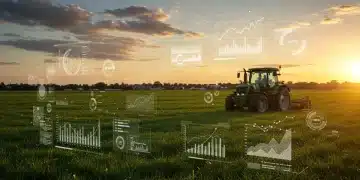
- Data Management Systems: Implement robust data collection and analysis platforms. Understanding the data generated by autonomous machines is key to optimizing performance and making informed decisions.
- Regulatory Compliance: Stay informed about local, state, and federal regulations regarding autonomous equipment operation, including safety protocols and public road usage.
Phase 3: Optimization and Expansion (2025 – 2026 and Beyond)
With initial implementation complete, the focus shifts to continuous improvement and scaling up.
- Performance Monitoring: Continuously track the performance of your autonomous farm equipment. Analyze data on efficiency, fuel consumption, yield impact, and maintenance needs.
- Troubleshooting and Maintenance: Develop a proactive maintenance schedule and train staff on routine checks and minor repairs. Establish clear protocols for addressing technical issues.
- Software Updates and Upgrades: Stay current with software updates and consider hardware upgrades as technology evolves.
- Scaling Operations: Based on successful pilot programs and performance data, gradually expand the use of autonomous equipment to other tasks or acquire additional units.
- Community Engagement: Share your experiences with other farmers and engage with agricultural extension services to contribute to the broader understanding and adoption of this technology.
Challenges and Considerations for US Farmers
While the benefits are substantial, adopting autonomous farm equipment is not without its challenges. Proactive planning can mitigate many of these hurdles.
Initial Investment Costs
Autonomous tractors represent a significant upfront investment. While long-term savings are expected, the initial capital outlay can be a barrier for smaller farms. Exploring financing options, government incentives, and considering phased adoption can help manage these costs.
Regulatory Landscape
The regulatory framework for autonomous vehicles, especially in an agricultural context, is still evolving. Farmers need to be aware of regulations concerning:
- Public Road Operation: Restrictions on operating autonomous equipment on public roads.
- Safety Standards: Requirements for safety overrides, remote monitoring, and emergency protocols.
- Data Privacy: Concerns about who owns and has access to the vast amounts of data generated by autonomous machines.
Connectivity and Infrastructure
Reliable internet connectivity, particularly in rural areas, is paramount for optimal autonomous operation. Farmers in regions with poor broadband infrastructure may face limitations. Investing in farm-specific connectivity solutions or satellite internet might be necessary.
Technical Expertise and Training
The shift to autonomous equipment requires a workforce with new skills. Farmers and their teams will need training in operating, monitoring, and maintaining these sophisticated machines. This may involve hiring new talent or upskilling existing employees.
Security Risks
As farm equipment becomes more connected, it also becomes more vulnerable to cyber threats. Robust cybersecurity measures are essential to protect against data breaches, unauthorized access, and potential disruptions to operations.
The Impact on the Agricultural Workforce
The introduction of autonomous farm equipment will undoubtedly reshape the agricultural workforce. While some manual labor roles may diminish, new opportunities will emerge:
- Farm Technicians: Specializing in the maintenance, repair, and calibration of autonomous machinery.
- Data Analysts: Interpreting the vast amounts of data generated by autonomous systems to optimize farm operations.
- Remote Operators/Supervisors: Monitoring multiple autonomous units from a central control hub.
- Agronomists with Tech Skills: Leveraging data from autonomous equipment to make more precise agronomic decisions.
This transition necessitates a focus on education and retraining programs to equip the current and future workforce with the skills needed for this technologically advanced agricultural era.
Case Studies and Success Stories in the US
Across the United States, pioneering farmers are already demonstrating the viability and benefits of autonomous farm equipment. From large-scale corn and soybean operations in the Midwest to specialty crop farms in California, these early adopters are providing valuable insights.
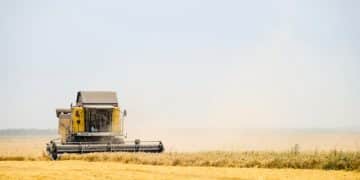
- Midwestern Grain Farms: Operations utilizing autonomous tractors for planting and tilling have reported significant reductions in labor costs and fuel consumption, along with more consistent planting depths leading to improved germination rates.
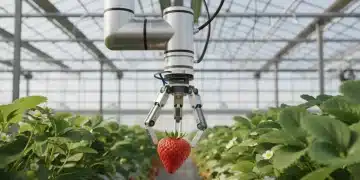
- California Vineyards: Smaller autonomous robots are being deployed for tasks like precision spraying, pruning, and harvesting, minimizing human exposure to chemicals and increasing the speed of labor-intensive tasks.
- University Research Farms: Institutions like the University of Nebraska-Lincoln and Iowa State University are at the forefront of researching and demonstrating autonomous agricultural technologies, providing valuable data and training opportunities for future farmers.
These examples highlight the diverse applications and tangible benefits that autonomous farm equipment can bring to various agricultural contexts.

The Future of Farming: Beyond 2026
The adoption of autonomous farm equipment by 2026 is just the beginning. Looking further into the future, we can anticipate even more sophisticated developments:
- Swarm Robotics: Fleets of smaller, interconnected autonomous robots working collaboratively to perform various tasks, offering greater flexibility and redundancy.
- Fully Integrated Farm Management Systems: AI-powered platforms that seamlessly integrate autonomous equipment with weather data, market prices, and supply chain logistics to optimize every aspect of farm operation.
- Advanced Sensor Fusion: Even more sophisticated sensors and AI will allow autonomous machines to detect subtle changes in plant health, soil conditions, and pest presence with unprecedented accuracy.
- AI-Driven Decision Making: Autonomous systems will move beyond executing programmed tasks to making complex, real-time decisions about planting, irrigation, pest control, and harvesting based on predictive analytics and environmental data.
These advancements promise an era of hyper-efficient, sustainable, and resilient agriculture, capable of meeting the demands of a growing global population while minimizing environmental impact.
Conclusion: Embracing the Autonomous Agricultural Revolution
The integration of autonomous farm equipment into American agriculture is not merely a technological upgrade; it’s a fundamental shift in how food is produced. By 2026, self-driving tractors and other autonomous machinery will be a common sight on many US farms, driving significant improvements in efficiency, productivity, and sustainability.
For farmers, the journey towards autonomy requires careful planning, strategic investment, and a willingness to embrace new technologies and skill sets. While challenges such as initial costs, regulatory uncertainties, and the need for new expertise exist, the long-term benefits of increased yields, reduced operational expenses, and a more sustainable farming future are compelling.
By proactively assessing needs, researching available solutions, investing in training, and staying abreast of technological and regulatory developments, American farmers can successfully navigate this exciting transition. The autonomous agricultural revolution is here, and those who embrace it will be at the forefront of shaping the future of food production for generations to come.