Farm Biodiversity: Boost Beneficial Insects 25% by 2026
Anúncios
In an era where sustainable agriculture is not just a buzzword but a necessity, enhancing farm biodiversity increase has emerged as a cornerstone for resilient and productive farming systems. The health of our farms is intrinsically linked to the health of the ecosystems they inhabit, and a critical component of this ecosystem is the often-overlooked world of beneficial insects. These tiny allies provide invaluable services, from pest control and pollination to nutrient cycling and soil aeration. Our ambitious goal: to increase beneficial insects on your farm by a remarkable 25% by 2026. This isn’t just a number; it’s a commitment to a more sustainable, profitable, and ecologically sound future for your agricultural operations.
The decline in insect populations globally is a well-documented crisis, threatening food security and ecosystem stability. However, farmers are uniquely positioned to reverse this trend within their own landscapes. By implementing targeted strategies for farm biodiversity increase, you can create thriving habitats that attract and support a diverse array of beneficial insects, leading to a natural balance that reduces reliance on synthetic inputs and fosters long-term farm resilience. This comprehensive guide will delve into practical, evidence-based solutions that you can start implementing today to achieve our shared goal.
Anúncios
Understanding the Benefits of Farm Biodiversity Increase
Before we dive into the ‘how,’ let’s solidify the ‘why.’ A robust farm biodiversity increase offers a multitude of benefits that extend far beyond simply having more bugs around. It’s about creating a self-regulating system that works with nature, not against it.
Natural Pest Control
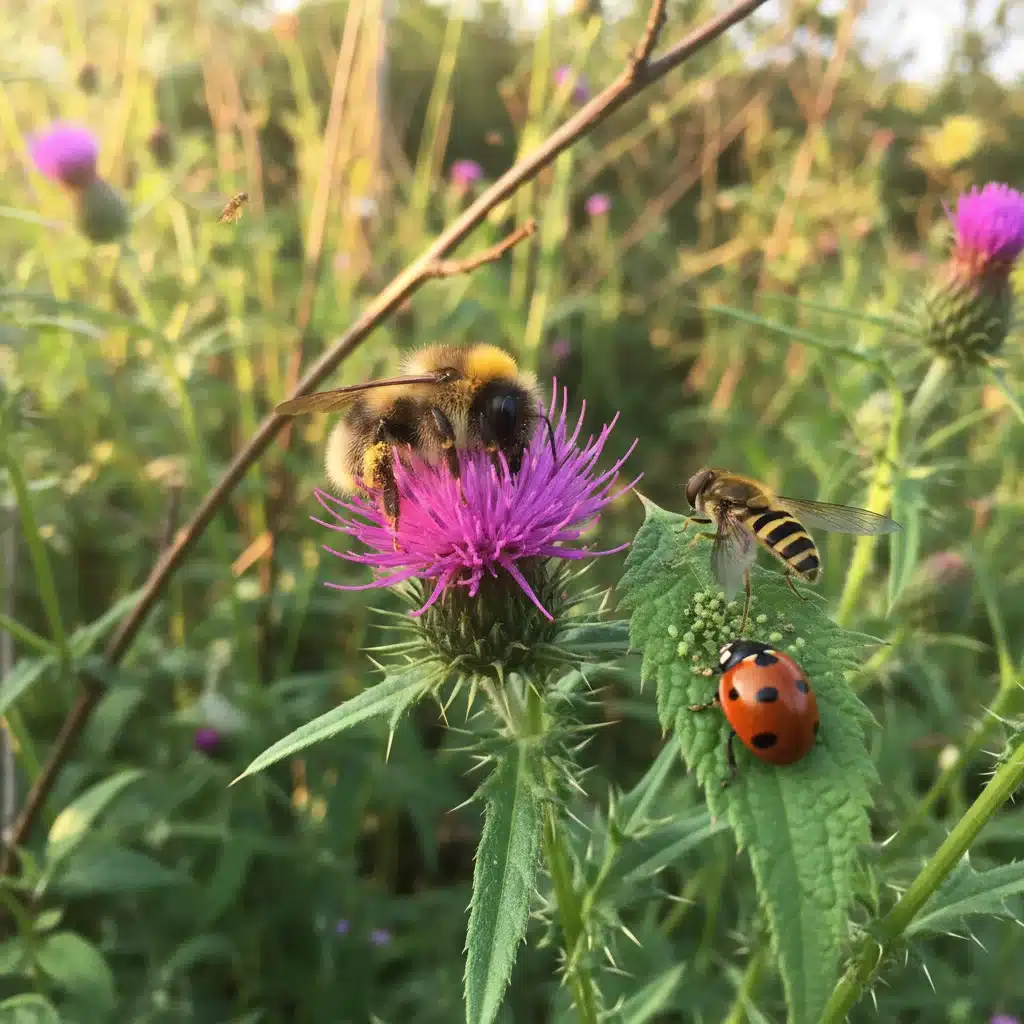
Perhaps the most immediate and tangible benefit of increased beneficial insects is enhanced natural pest control. Predatory insects like ladybugs, lacewings, hoverflies, and parasitic wasps are voracious consumers of common agricultural pests such as aphids, mites, and caterpillars. By providing suitable habitats and food sources, you can cultivate a natural army that keeps pest populations in check, significantly reducing the need for chemical pesticides. This not only saves money but also protects the environment and the health of your farm workers.
Anúncios
Improved Pollination Services
Many crops, from fruits and vegetables to nuts and oilseeds, rely heavily on insect pollination for optimal yields and quality. Bees, butterflies, and other pollinators are essential for the reproductive success of these plants. A diverse farm ecosystem with abundant flowering plants ensures a steady supply of pollinators, leading to better fruit set, larger yields, and improved crop quality. This direct link between farm biodiversity increase and crop productivity is a powerful incentive for farmers.
Enhanced Soil Health and Nutrient Cycling
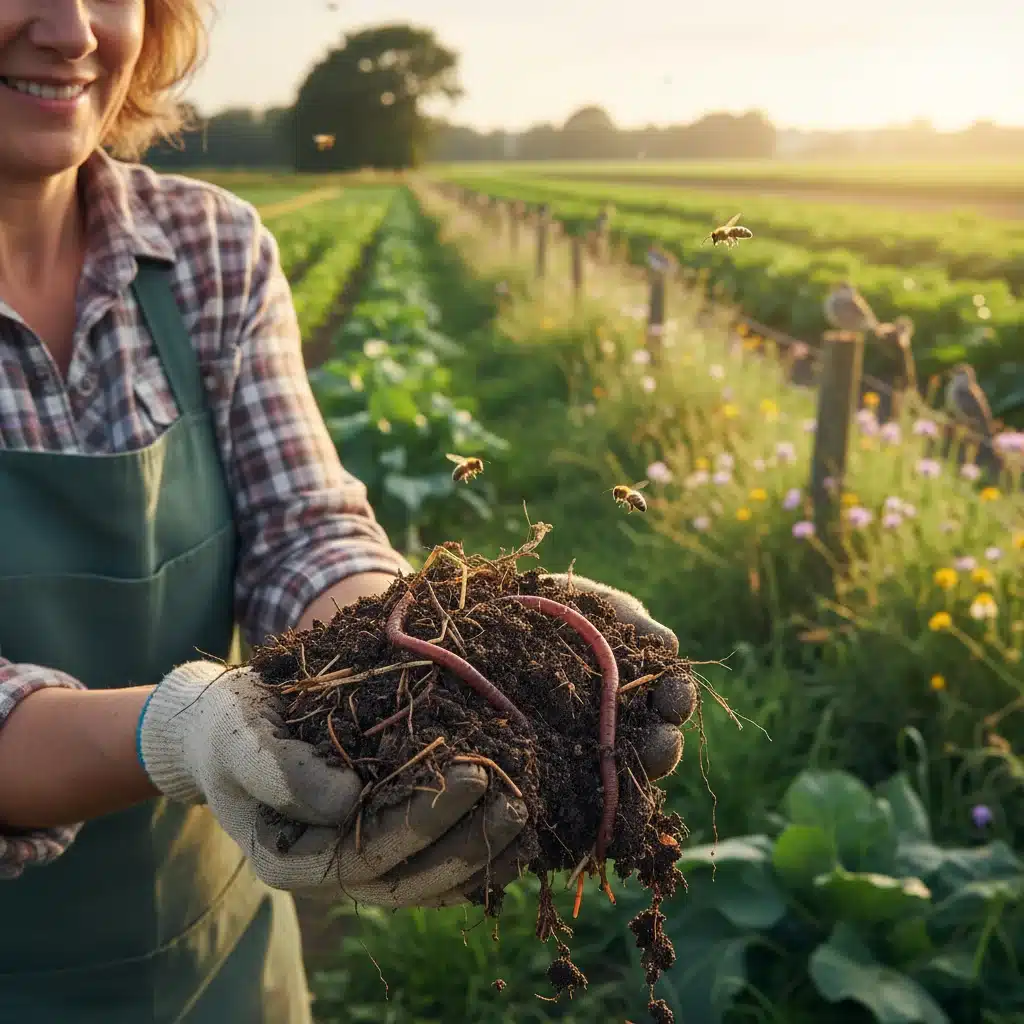
While often overlooked, many beneficial insects and other invertebrates play a crucial role beneath the soil surface. Earthworms, beetles, and various micro-arthropods contribute to soil aeration, organic matter decomposition, and nutrient cycling. By breaking down plant residues and moving through the soil, they improve its structure, water infiltration, and nutrient availability, creating a healthier environment for plant roots. This symbiotic relationship between above-ground and below-ground biodiversity is fundamental to long-term soil fertility and productivity.
Increased Farm Resilience
Diverse ecosystems are inherently more resilient to environmental shocks, such as extreme weather events, disease outbreaks, and pest infestations. A farm with high biodiversity is better equipped to adapt and recover from these challenges. For example, if one beneficial insect species declines, others can step in to fill its ecological role, maintaining the balance of the ecosystem. This resilience is a key factor in ensuring the long-term sustainability and profitability of your farming operation.
Practical Strategies for Farm Biodiversity Increase
Achieving a 25% increase in beneficial insects by 2026 requires a multi-faceted approach. Here are actionable strategies you can implement on your farm:
1. Establish and Maintain Pollinator-Friendly Habitats
Creating dedicated habitats is perhaps the most effective way to attract and retain beneficial insects. These habitats provide food (nectar and pollen), shelter, and breeding sites.
Wildflower Strips and Borders
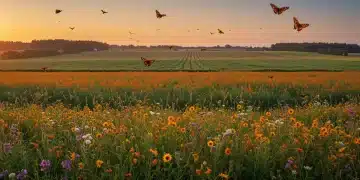
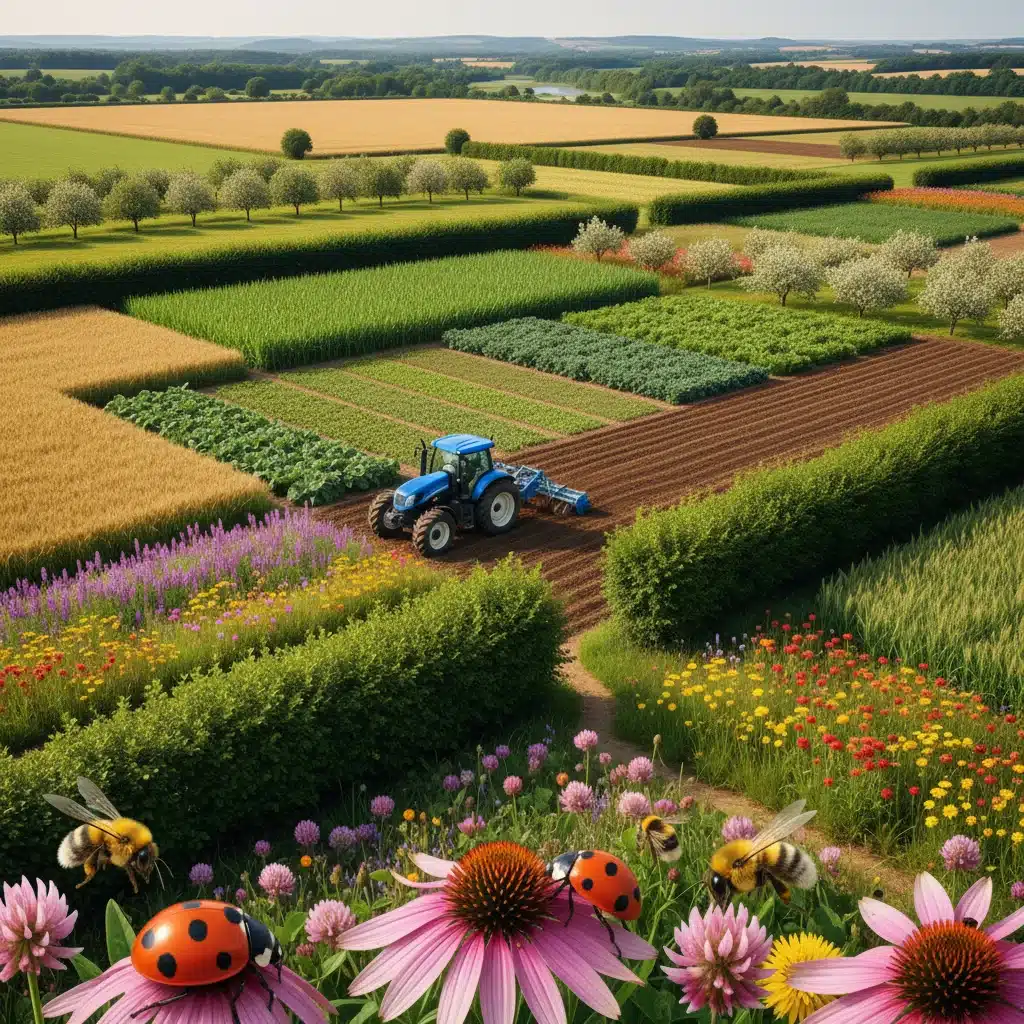
Planting strips or borders of native wildflowers around fields, along access roads, or in unused areas is a highly effective strategy. Choose a diverse mix of species that flower at different times of the year, providing a continuous food source. Native species are generally best as they are adapted to local conditions and provide optimal resources for local insect populations. Consider plants like aster, coneflower, goldenrod, milkweed, and various clovers and vetches.
Hedgerows and Shelterbelts
Existing or newly planted hedgerows and shelterbelts offer excellent habitat. They provide nesting sites for birds (which also eat pests), shelter for insects from wind and extreme temperatures, and a source of nectar and pollen from flowering shrubs and trees. Diversify species within hedgerows to maximize their ecological value.
Insect Hotels and Nesting Boxes
For solitary bees and other beneficial insects, providing artificial nesting sites like ‘insect hotels’ or bundles of hollow stems can be very effective. These can be strategically placed near crop fields to encourage their presence where they are most needed.
2. Diversify Your Cropping System
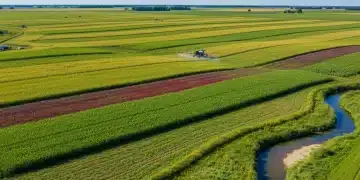
Monocultures, while efficient for certain aspects of farming, are ecological deserts for many beneficial insects. Diversifying your cropping system can dramatically improve farm biodiversity increase.
Crop Rotation
Implementing diverse crop rotations breaks pest cycles and provides varied food sources and habitats throughout the year. Rotating different plant families can also improve soil health and nutrient cycling, indirectly benefiting insect populations.
Intercropping and Companion Planting
Growing two or more crops in close proximity (intercropping) or planting specific ‘companion’ plants can confuse pests, attract beneficial insects, or provide physical barriers. For example, planting flowering plants like alyssum or dill within vegetable rows can attract hoverflies and parasitic wasps, which prey on aphids.
Cover Cropping
Utilizing cover crops during fallow periods not only improves soil health but also provides temporary habitat and food for beneficial insects. Leguminous cover crops like clover or vetch can also fix nitrogen, reducing the need for synthetic fertilizers.
3. Minimize Pesticide Use and Adopt IPM
Chemical pesticides, especially broad-spectrum insecticides, are a major threat to beneficial insects. Reducing their use is paramount for farm biodiversity increase.
Integrated Pest Management (IPM)
IPM is a holistic approach that prioritizes prevention, monitoring, and non-chemical controls. It involves understanding pest life cycles, using resistant crop varieties, employing biological controls (like releasing beneficial insects), and only using targeted pesticides as a last resort. When pesticides are necessary, choose selective options that are less harmful to beneficial species and apply them at appropriate times to minimize impact.
Organic and Biopesticides
Explore organic farming practices and the use of biopesticides (e.g., those derived from natural materials like plants, animals, bacteria, and certain minerals). These alternatives are generally less toxic to beneficial insects and the environment.
4. Improve Soil Health
Healthy soil is the foundation of a healthy ecosystem, supporting both plants and the diverse array of organisms that live within and above it.
Reduce Tillage
Minimizing or eliminating tillage helps preserve soil structure, protects soil organisms (including beneficial insects in their larval or pupal stages), and enhances organic matter content. No-till or reduced-till systems create a more stable environment for below-ground biodiversity.
Increase Organic Matter
Adding compost, manure, and other organic materials to your soil improves its fertility, water retention, and microbial activity. A thriving soil food web provides a rich environment for many beneficial insects and their prey.
5. Water Management and Conservation
Water is a critical resource for all life, including beneficial insects. Thoughtful water management can contribute to farm biodiversity increase.
Ponds and Wetlands
Creating or restoring small ponds, wetlands, or riparian buffers can provide essential water sources and specialized habitats for many beneficial insects, amphibians, and other wildlife. These areas can also act as biodiversity hotspots within the farm landscape.
Efficient Irrigation
Implementing efficient irrigation practices, such as drip irrigation, conserves water and prevents runoff that could disrupt insect habitats or carry pesticides into natural water bodies.
Monitoring Your Progress: Tracking the 25% Increase
To achieve our goal of a 25% increase in beneficial insects by 2026, it’s crucial to monitor your progress. While precise counting can be challenging, several methods can give you a good indication of your success.
Simple Visual Observations
Regularly walk through your fields and habitat areas, observing the types and numbers of insects present. Keep a log of what you see. Are there more ladybugs, lacewings, or bees than before? Are pest populations visibly lower? This qualitative data can be very informative.
Sweep Netting and Pitfall Traps
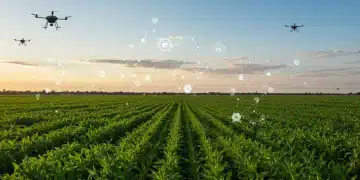
For a more quantitative approach, consider using simple tools like sweep nets (for flying and crawling insects on vegetation) and pitfall traps (for ground-dwelling insects). Conduct these surveys regularly in consistent locations to track changes over time. Many agricultural extension services can provide guidance on proper sampling techniques and insect identification.
Pollinator Counts
Focus specifically on pollinators by conducting timed counts on flowering plants. Choose a specific area and count the number of different pollinator species and individuals visiting flowers over a set period (e.g., 10-15 minutes). Repeat these counts at different times of the day and season.
Professional Consultation
Consider engaging with local entomologists or agricultural consultants who specialize in beneficial insects. They can help with identification, provide more sophisticated monitoring techniques, and offer tailored advice for your specific farm conditions.
Challenges and Considerations
While the benefits of farm biodiversity increase are clear, implementing these changes comes with its own set of challenges.
Initial Investment and Time
Establishing new habitats, like hedgerows or wildflower strips, requires an initial investment of time, labor, and sometimes financial resources. However, these are long-term investments that yield significant returns in terms of reduced input costs and increased resilience.
Perception and Education
Some farmers may be hesitant to reduce pesticide use or dedicate land to non-crop habitats, fearing yield losses. Education and demonstrating the tangible benefits through case studies and field days are crucial for broader adoption.
Species Identification
Identifying specific beneficial insect species can be challenging for the untrained eye. Focus on recognizing broad groups (e.g., predatory beetles, parasitic wasps) and observing their activity. The goal is overall insect diversity and abundance, not necessarily a precise count of every single species.
Regional and Local Specificity
The most effective strategies will vary depending on your geographical location, climate, soil type, and specific crops. Always prioritize native plant species and consult local experts, extension services, or conservation organizations for tailored advice.
The Long-Term Vision: Beyond 2026
Achieving a 25% increase in beneficial insects by 2026 is an ambitious yet entirely achievable goal. However, this is not a destination but a milestone on a continuous journey towards more sustainable and regenerative agriculture. The principles of farm biodiversity increase are about fostering a dynamic, living system that evolves and adapts. By embracing these practices, you are not just improving your farm’s immediate productivity; you are investing in its long-term health, resilience, and environmental stewardship.
Imagine a farm where pest outbreaks are rare, pollination is consistently robust, and soil health continuously improves, all thanks to a vibrant, self-sustaining ecosystem. This vision is within reach. Every wildflower planted, every pesticide application avoided, and every habitat created contributes to a healthier farm and a healthier planet. Let’s work together to make this vision a reality, ensuring our farms thrive for generations to come, supported by the invaluable services of our tiny, beneficial allies.
The journey to enhanced farm biodiversity increase is one of observation, learning, and continuous improvement. It encourages a deeper connection with the natural world that surrounds and sustains our agricultural endeavors. By making conscious choices to support beneficial insects, farmers can become true stewards of the land, cultivating not only crops but also a rich tapestry of life that benefits everyone.
Next Steps for Your Farm
- Assess Your Current Farm: Identify areas where biodiversity is low and where new habitats could be established.
- Start Small: Begin with one or two strategies, such as planting a small wildflower strip or reducing tillage in a specific field.
- Educate Yourself and Your Team: Learn more about beneficial insects common to your region and their life cycles.
- Connect with Resources: Reach out to local agricultural extension offices, conservation groups, or sustainable farming organizations for support and guidance.
- Monitor and Adapt: Keep track of your efforts and be prepared to adjust your strategies based on what you observe.
By embracing these steps, you will be well on your way to achieving a significant farm biodiversity increase and securing a more sustainable and prosperous future for your farm.