Data Analytics in Agriculture: Uncovering 2026 Yield Optimization Strategies with Predictive Modeling
Anúncios
Data Analytics in Agriculture: Uncovering 2026 Yield Optimization Strategies with Predictive Modeling
The agricultural sector, a cornerstone of human civilization, is undergoing a profound transformation driven by technological advancements. As the global population continues to grow, the demand for food intensifies, placing immense pressure on farmers to produce more with fewer resources. This challenge is further complicated by climate change, soil degradation, and water scarcity. In this evolving landscape, Agriculture Yield Optimization has emerged as a critical imperative, and at its heart lies the power of data analytics and predictive modeling. By 2026, these sophisticated tools are not just expected to be commonplace but indispensable for sustainable and efficient farming.
For centuries, farming relied on experience, intuition, and observation. While these methods served their purpose, they often led to inefficiencies and suboptimal outcomes. The advent of the digital age has revolutionized this approach, introducing precision agriculture where decisions are informed by vast amounts of data. This article will delve into how data analytics and predictive modeling are reshaping agriculture, exploring the current landscape, future trends, and actionable strategies for achieving superior Agriculture Yield Optimization by 2026.
Anúncios
The Dawn of Data-Driven Farming: Understanding the Basics
At its core, data-driven farming involves collecting, processing, and analyzing diverse datasets to make informed decisions across the entire agricultural value chain. This encompasses everything from soil preparation and planting to irrigation, fertilization, pest control, and harvesting. The goal is to maximize productivity, minimize waste, and enhance environmental sustainability. Through sophisticated algorithms and machine learning, predictive modeling takes this a step further, forecasting future conditions and outcomes to enable proactive management.
What is Data Analytics in Agriculture?
Data analytics in agriculture refers to the process of examining raw data to extract meaningful insights and patterns. This data can originate from a multitude of sources:
Anúncios
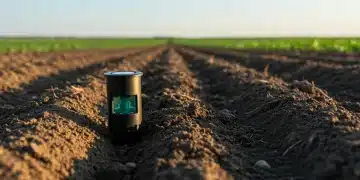
- Sensors: In-field sensors measure soil moisture, nutrient levels, pH, temperature, and other vital parameters.
- Drones and Satellites: Aerial imagery provides high-resolution data on crop health, growth patterns, pest infestations, and irrigation efficiency.
- Weather Stations: Local weather data, including temperature, humidity, rainfall, and wind speed, is crucial for planning.
- Farm Equipment: Modern machinery generates data on planting density, fertilizer application rates, fuel consumption, and operational efficiency.
- Historical Data: Past yield records, market prices, and environmental conditions offer valuable context for future predictions.
By integrating and analyzing these disparate data streams, farmers gain a holistic view of their operations, identifying areas for improvement and optimizing resource allocation for better Agriculture Yield Optimization.
The Role of Predictive Modeling
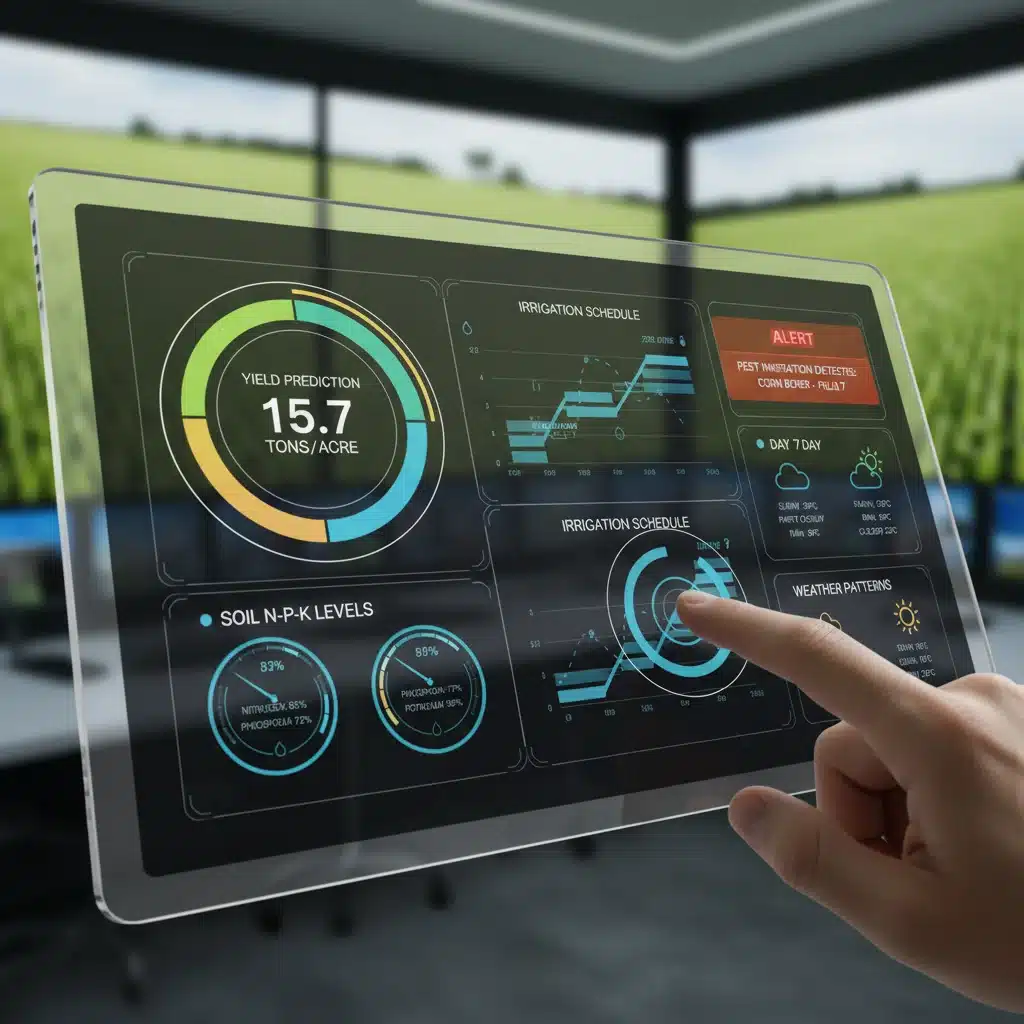
Predictive modeling employs statistical techniques and machine learning algorithms to forecast future events and trends based on historical and real-time data. In agriculture, this means predicting everything from crop yields and disease outbreaks to optimal planting times and market prices. For instance, by analyzing historical weather patterns, soil conditions, and crop performance, predictive models can estimate the likely yield of a specific crop in a particular field, allowing farmers to adjust their strategies accordingly. This proactive approach is instrumental in achieving advanced Agriculture Yield Optimization.
Key Strategies for 2026: Revolutionizing Agriculture Yield Optimization
Looking ahead to 2026, several key strategies, powered by data analytics and predictive modeling, will be pivotal in driving Agriculture Yield Optimization. These strategies emphasize precision, efficiency, and sustainability, transforming traditional farming practices into highly optimized, data-driven enterprises.
1. Hyper-Localized Precision Farming
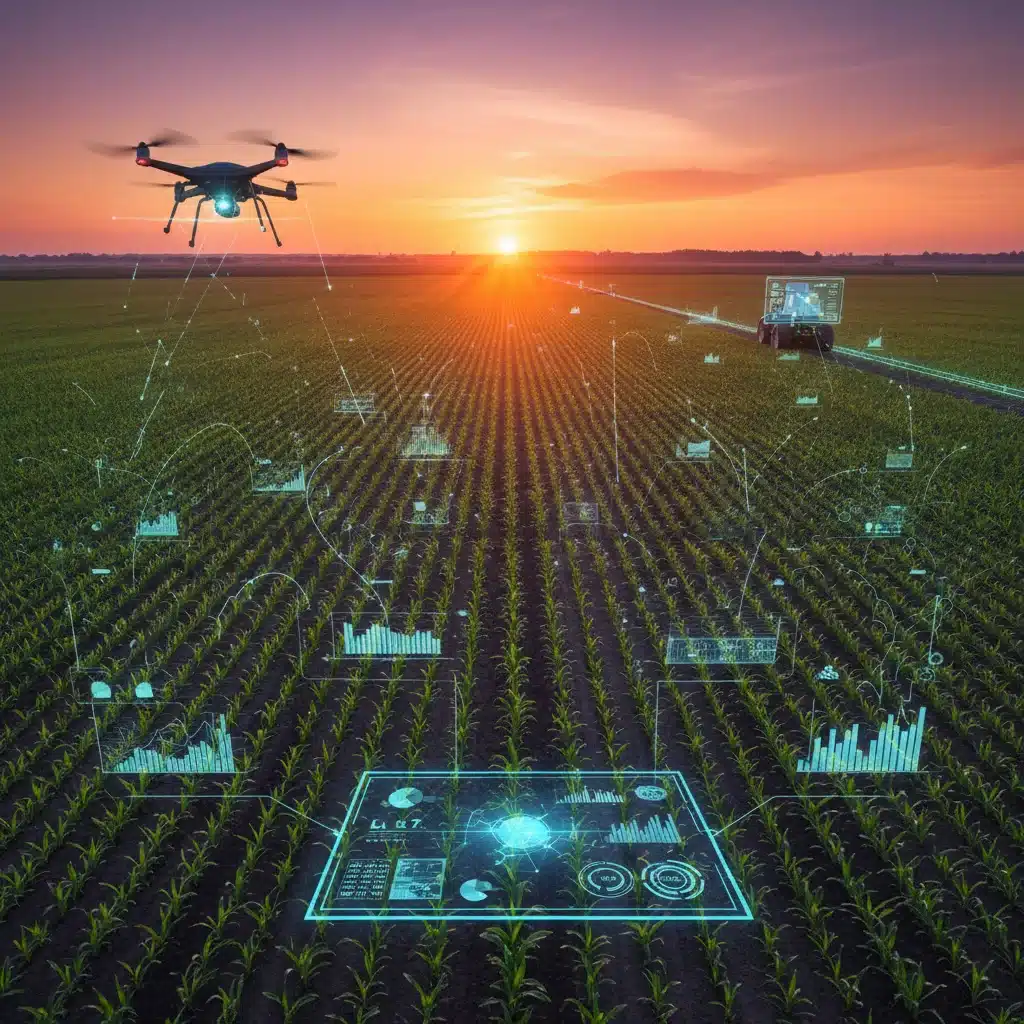
Precision farming has been a buzzword for years, but by 2026, it will evolve into hyper-localized precision. This means moving beyond field-level data to sub-meter or even plant-specific insights. Drones equipped with hyperspectral cameras can detect subtle changes in plant health, identifying nutrient deficiencies or stress before they become visible to the human eye. Coupled with AI-powered analytics, this allows for highly targeted interventions, such as variable rate irrigation or fertilizer application, significantly reducing waste and maximizing the effectiveness of inputs. This level of granularity is essential for true Agriculture Yield Optimization.
2. Advanced Crop Health Monitoring and Disease Prediction
Early detection is crucial in managing crop diseases and pest infestations. Predictive models, trained on vast datasets of historical disease outbreaks, weather conditions, and satellite imagery, can forecast the likelihood of specific diseases emerging. Real-time sensor data from the field, combined with AI, can identify early indicators of stress or infection. This enables farmers to apply preventative measures or targeted treatments precisely when and where they are needed, preventing widespread damage and safeguarding yields. This proactive management is a cornerstone of effective Agriculture Yield Optimization.
3. Optimized Water Management Systems
Water scarcity is a growing concern globally. Data analytics and predictive modeling offer powerful solutions for optimizing water use. Sensors provide real-time data on soil moisture levels, while weather forecasts predict future rainfall. Predictive models can then calculate the exact amount of water needed for each section of a field, integrating with smart irrigation systems to deliver water precisely. This not only conserves a precious resource but also ensures that crops receive optimal hydration, preventing both under-watering and over-watering, both of which can negatively impact yield. This intelligent water management is critical for Agriculture Yield Optimization.
4. Intelligent Soil Nutrient Management
Soil health is fundamental to crop productivity. Data analytics can provide detailed insights into soil composition, nutrient levels, and pH. By combining this with crop-specific nutrient requirements and historical yield data, predictive models can recommend optimal fertilization plans. Variable rate technology then applies fertilizers precisely where they are needed, in the correct quantities, reducing runoff, environmental impact, and input costs, all while boosting crop growth. This targeted nutrient delivery is a significant factor in Agriculture Yield Optimization.
5. Dynamic Planting and Harvesting Schedules
Predictive modeling can optimize planting and harvesting schedules by considering a multitude of factors: long-range weather forecasts, soil conditions, crop-specific growth models, and market demand. For example, models can suggest optimal planting dates to avoid adverse weather events or to align harvests with peak market prices. Similarly, they can predict the ideal harvest window for maximum yield and quality, preventing losses due to premature or delayed harvesting. This dynamic scheduling contributes directly to enhanced Agriculture Yield Optimization.
Technologies Driving the Revolution in Agriculture Yield Optimization
The realization of these strategies relies heavily on a suite of cutting-edge technologies that are rapidly advancing. Understanding these tools is crucial for anyone looking to leverage data for Agriculture Yield Optimization.
Internet of Things (IoT) in Agriculture
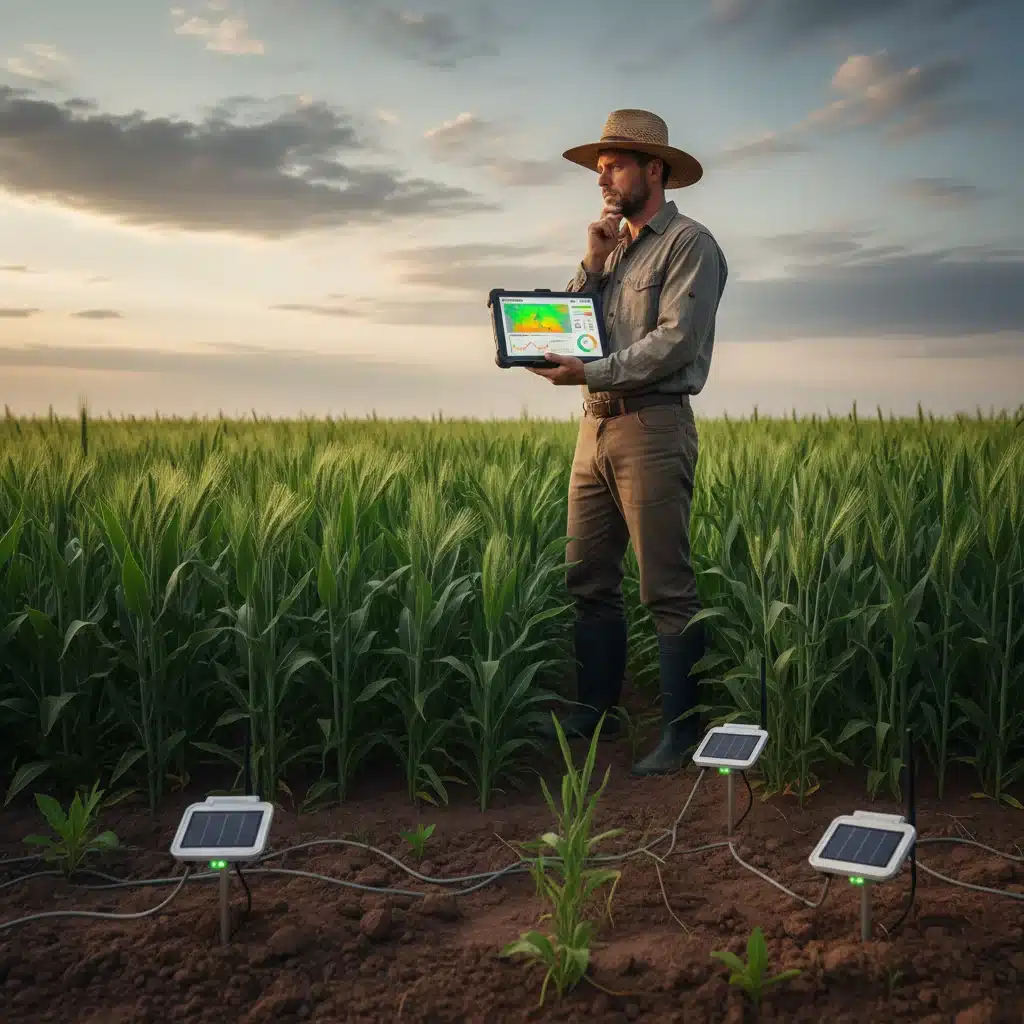
The IoT forms the backbone of data collection in modern agriculture. A vast network of interconnected sensors, devices, and machinery gathers real-time data from fields, livestock, and equipment. These IoT devices provide continuous streams of information on soil conditions, weather, plant health, and more, feeding into analytical platforms. Without robust IoT infrastructure, comprehensive data analytics and predictive modeling would be impossible.
Artificial Intelligence (AI) and Machine Learning (ML)
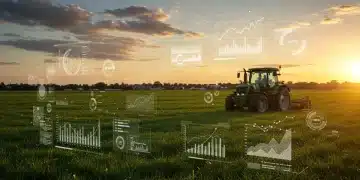
AI and ML algorithms are the brains behind predictive modeling. They process the massive datasets collected by IoT devices, identifying complex patterns, correlations, and anomalies that human analysis would miss. Machine learning models can learn from historical data to continuously improve their predictions, becoming more accurate over time. From image recognition for disease detection to complex algorithms for yield forecasting, AI/ML is central to advanced Agriculture Yield Optimization.
Remote Sensing (Drones and Satellite Imagery)
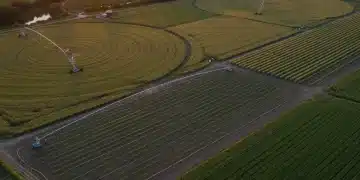
Drones and satellites offer invaluable aerial perspectives of agricultural land. High-resolution multispectral and hyperspectral cameras can capture data invisible to the naked eye, revealing stress levels, nutrient deficiencies, and water issues across vast areas. This data is then fed into AI systems for analysis, providing actionable insights at scale. The ability to monitor large fields efficiently and accurately is a game-changer for Agriculture Yield Optimization.
Geographic Information Systems (GIS)
GIS technology provides the framework for visualizing and analyzing spatial data in agriculture. It allows farmers to map their fields, overlay different data layers (e.g., soil type, yield maps, irrigation zones), and understand spatial relationships. This spatial intelligence is crucial for implementing precision farming strategies and interpreting the results of data analytics for targeted interventions.
Cloud Computing and Big Data Platforms
The sheer volume of data generated in modern agriculture necessitates powerful computing infrastructure. Cloud computing platforms offer scalable storage and processing capabilities, allowing farmers and agricultural businesses to manage and analyze vast datasets without significant upfront investment in hardware. Big data platforms are designed to handle the velocity, volume, and variety of agricultural data, making it accessible for analysis and predictive modeling.
Challenges and Considerations for Implementing Data Analytics
While the benefits of data analytics and predictive modeling for Agriculture Yield Optimization are clear, several challenges must be addressed for successful implementation.
Data Integration and Interoperability
One of the biggest hurdles is integrating data from various sources and different manufacturers. Many agricultural technologies operate in silos, making it difficult to combine data for a holistic view. Industry standards for data exchange and interoperability are crucial to unlock the full potential of data-driven farming.
Data Quality and Accuracy
The adage “garbage in, garbage out” holds true for data analytics. The accuracy of predictions and insights depends entirely on the quality and reliability of the input data. Ensuring sensors are calibrated, data is clean, and collection methods are consistent is paramount.
Cost of Technology
Implementing advanced agri-tech solutions can involve significant upfront investment. While the long-term returns on investment are substantial, the initial cost can be a barrier for smaller farms. Developing more affordable and scalable solutions will be key to wider adoption.
Skill Gap and Training
Farmers and agricultural workers need the skills to understand, interpret, and act upon the data generated by these technologies. Training programs and user-friendly interfaces are essential to empower farmers to effectively utilize data analytics for Agriculture Yield Optimization.
Data Security and Privacy
As more data is collected, concerns about data security and privacy grow. Farmers need assurances that their proprietary data is protected and used ethically. Clear policies and robust security measures are vital to build trust and encourage adoption.
The Future of Agriculture: Beyond 2026
Looking beyond 2026, the trajectory of data analytics in agriculture points towards even more sophisticated and integrated systems. We can anticipate:
- Autonomous Farming: Fully autonomous farm machinery, guided by AI and real-time data, will perform tasks with minimal human intervention.
- Hyper-Personalized Crop Management: Each plant may receive individualized treatment based on its specific needs, further optimizing resource use and yield.
- Blockchain for Supply Chain Transparency: Data from seed to consumer will be recorded on blockchain, ensuring transparency, traceability, and food safety.
- AI-Driven Crop Breeding: AI will accelerate the development of new crop varieties resistant to diseases, tolerant to extreme weather, and optimized for specific growing conditions.
- Predictive Market Analytics: Sophisticated models will not only predict yields but also market demand and price fluctuations, allowing farmers to make even more strategic business decisions.
These advancements will collectively contribute to a future where Agriculture Yield Optimization reaches unprecedented levels, ensuring food security and environmental stewardship.
Case Studies: Real-World Impact of Data Analytics
To illustrate the tangible benefits, consider a few hypothetical yet realistic scenarios:
Case Study 1: Large-Scale Grain Farm in the Midwest
A large grain farm implemented a comprehensive data analytics platform. By integrating satellite imagery, in-field sensors, and historical weather data, they were able to precisely map soil variability and nutrient requirements across their vast acreage. Predictive models forecasted optimal planting dates and fertilizer application rates, resulting in a 15% increase in corn yield and a 10% reduction in fertilizer costs in the first year. This direct impact on Agriculture Yield Optimization significantly boosted their profitability.
Case Study 2: Vineyard in California
A vineyard facing water scarcity adopted smart irrigation systems driven by predictive modeling. Soil moisture sensors and hyper-local weather forecasts allowed the system to deliver water precisely when and where it was needed, avoiding over-irrigation. This led to a 25% reduction in water consumption while maintaining grape quality and yield, demonstrating sustainable Agriculture Yield Optimization in a resource-constrained environment.
Case Study 3: Vegetable Farm with Pest Challenges
A vegetable farm frequently battled pest infestations. By deploying AI-powered cameras and integrating data on pest life cycles and environmental conditions, a predictive model could forecast the emergence of specific pests with high accuracy. This enabled the farmer to apply targeted biological controls proactively, reducing pesticide use by 30% and preventing major crop losses, directly contributing to Agriculture Yield Optimization and environmental health.
Conclusion: Embracing the Data Revolution for Agriculture Yield Optimization
The agricultural sector is at the cusp of a technological revolution, with data analytics and predictive modeling leading the charge. By 2026, these tools will be indispensable for farmers aiming to achieve optimal yields, enhance efficiency, and ensure sustainability in the face of growing global demands and environmental challenges. From hyper-localized precision farming and advanced disease prediction to intelligent water and nutrient management, the strategies powered by data offer a clear path to a more productive and resilient agricultural future.
Embracing this data revolution requires investment not only in technology but also in knowledge and skills. As we move forward, collaboration between technology providers, researchers, and farmers will be crucial to overcome challenges and fully unlock the potential of data-driven Agriculture Yield Optimization. The future of farming is smart, sustainable, and undeniably data-powered.