Achieving 25% Fertilizer Runoff Reduction in US Farms by 2026
Anúncios
The agricultural landscape of the United States is a testament to innovation, productivity, and the tireless efforts of farmers who feed the nation and much of the world. However, this productivity comes with significant environmental considerations, particularly concerning nutrient management. Fertilizer runoff, a byproduct of essential agricultural practices, has emerged as a critical environmental challenge, contributing to water quality degradation, algal blooms, and ecosystem imbalances in rivers, lakes, and coastal areas. Recognizing the urgency of this issue, a bold and ambitious goal has been set: to achieve a 25% fertilizer runoff reduction in US farms by 2026. This target is not merely an aspiration but a necessary step towards fostering sustainable agriculture, protecting natural resources, and ensuring the long-term viability of farming communities.
The implications of excessive nutrient runoff are far-reaching. From the Gulf of Mexico’s hypoxic zone to local drinking water contamination, the environmental and economic costs are substantial. Farmers, often at the forefront of environmental stewardship, are increasingly seeking effective and economically viable solutions to mitigate these impacts. This comprehensive guide delves into the strategies, technologies, and collaborative efforts essential for reaching the 25% fertilizer runoff reduction target. We will explore the latest advancements in sustainable nutrient management, the transformative power of precision agriculture, and the importance of conservation practices that benefit both the environment and the bottom line. Achieving this goal requires a multi-faceted approach, integrating scientific knowledge with practical farm-level implementation, supported by policy and market incentives. It’s a journey that demands collaboration among farmers, researchers, policymakers, and consumers, all united by a common vision of a more sustainable and resilient agricultural future.
Anúncios
The Imperative for Fertilizer Runoff Reduction
The need for significant fertilizer runoff reduction stems from a complex interplay of environmental, economic, and social factors. Fertilizers, primarily nitrogen and phosphorus, are vital for crop growth, boosting yields and ensuring food security. However, when applied in excess or at inappropriate times, these nutrients can leach into groundwater or run off into surface waters, leading to a cascade of negative consequences. Understanding these impacts is the first step towards embracing and implementing effective mitigation strategies.
Environmental Impacts
The most widely recognized environmental impact of fertilizer runoff is eutrophication. This process occurs when an overabundance of nutrients, particularly phosphorus, enters aquatic ecosystems, leading to rapid growth of algae and aquatic plants. As these organisms die and decompose, they consume vast amounts of oxygen, creating hypoxic (low oxygen) or anoxic (no oxygen) zones. These ‘dead zones’ can no longer support fish, shellfish, and other aquatic life, severely disrupting ecosystems and biodiversity. The Gulf of Mexico’s hypoxic zone, largely fed by nutrient runoff from the Mississippi River Basin, is a stark example of this phenomenon, impacting commercial fisheries and marine habitats.
Beyond eutrophication, nitrate contamination of drinking water is another serious concern. High levels of nitrates in water can pose health risks, especially for infants, causing methemoglobinemia, or ‘blue baby syndrome.’ Many rural communities rely on groundwater for their drinking supply, making them particularly vulnerable to agricultural nitrate pollution. Furthermore, the volatilization of nitrogen from fertilizers can contribute to air pollution in the form of nitrous oxide, a potent greenhouse gas, and fine particulate matter, affecting respiratory health.
Anúncios
Economic Ramifications
The economic costs associated with fertilizer runoff are substantial and often underestimated. For farmers, inefficient fertilizer use represents a direct financial loss, as applied nutrients that run off are essentially wasted resources. This can significantly impact profitability, especially with fluctuating fertilizer prices. Beyond the farm gate, the economic burden extends to various sectors.
Fisheries and tourism industries suffer from degraded water quality and dead zones. For instance, the oyster and shrimp industries in the Gulf of Mexico have faced significant declines due to habitat destruction caused by hypoxia. Local governments and water utilities incur considerable expenses for treating contaminated water to meet safety standards for drinking. Property values in areas with polluted waterways can also decrease, impacting local tax bases. Moreover, the long-term sustainability of agricultural land itself can be compromised if soil health deteriorates due to imbalanced nutrient cycles.
Social and Regulatory Pressures
Public awareness and concern about environmental issues are growing, leading to increased social pressure on the agricultural sector to adopt more sustainable practices. Consumer demand for sustainably produced food is on the rise, influencing market trends and brand reputation. Regulatory bodies, both at federal and state levels, are also responding to these pressures by implementing stricter water quality standards and encouraging or mandating best management practices for nutrient application. Farmers who proactively address fertilizer runoff can often gain a competitive advantage, build stronger community relations, and avoid potential penalties or restrictions.
The 25% fertilizer runoff reduction goal by 2026 is therefore not just an environmental imperative but a strategic necessity for the economic vitality and social license of US agriculture. It represents an opportunity to innovate, improve efficiency, and demonstrate leadership in environmental stewardship, ensuring a healthier planet and a more prosperous future for farming.
Pillars of Sustainable Nutrient Management
Achieving a 25% fertilizer runoff reduction hinges on the widespread adoption of sustainable nutrient management practices. These practices are designed to optimize nutrient use efficiency, ensuring that crops receive the right amount of nutrients at the right time and in the right place, thereby minimizing losses to the environment. The core principles of sustainable nutrient management are often summarized as the 4Rs: Right Source, Right Rate, Right Time, and Right Place.
1. Right Source: Choosing the Optimal Fertilizer Type
The ‘Right Source’ principle emphasizes selecting fertilizer types that match crop needs and soil conditions while minimizing environmental risk. Different fertilizer formulations have varying release rates, nutrient compositions, and environmental impacts. For instance, slow-release or enhanced efficiency fertilizers (EEFs) can provide nutrients to plants over an extended period, reducing the risk of nutrient loss through leaching or volatilization during heavy rain events or periods of low plant uptake. Organic nutrient sources, such as manure and compost, also play a crucial role, improving soil health and nutrient cycling while reducing reliance on synthetic fertilizers. Soil testing is paramount in determining the existing nutrient levels and identifying deficiencies, guiding the selection of the most appropriate fertilizer source.
2. Right Rate: Applying the Correct Amount
Over-application of fertilizers is a primary driver of nutrient runoff. The ‘Right Rate’ involves applying only the amount of nutrients necessary to meet crop demand without excess. This requires accurate assessment of crop nutrient requirements, which can vary significantly based on crop type, growth stage, yield potential, and soil fertility. Advanced tools like soil testing, plant tissue analysis, and yield mapping provide valuable data to determine precise application rates. Variable-rate technology (VRT), a component of precision agriculture, allows farmers to apply different rates of fertilizer across a field based on site-specific needs, maximizing efficiency and minimizing waste.
3. Right Time: Synchronizing Application with Crop Uptake
Nutrients are most vulnerable to loss when they are present in the soil but not actively being taken up by plants. The ‘Right Time’ principle advocates for synchronizing fertilizer application with the crop’s peak nutrient demand periods. For example, splitting nitrogen applications throughout the growing season, rather than applying it all at once, can significantly reduce losses. Avoiding application before heavy rainfall or on frozen ground also prevents nutrients from being washed away. Weather forecasting tools, crop growth models, and in-season nutrient sensing technologies help farmers make timely decisions, ensuring nutrients are available when plants can best utilize them.
4. Right Place: Strategic Placement for Maximum Uptake
The ‘Right Place’ focuses on applying fertilizers in a way that maximizes plant uptake and minimizes environmental exposure. This can involve various techniques, such as banding, injecting, or subsurface placement, which place nutrients directly into the root zone where they are most accessible to plants. For instance, injecting liquid manure directly into the soil can significantly reduce ammonia volatilization and surface runoff compared to broadcast application. For row crops, placing fertilizer in narrow bands near the seed row can improve early season nutrient availability. Proper placement ensures that nutrients are efficiently utilized by the crop, reducing the likelihood of them moving off-site.
Implementing the 4R nutrient stewardship principles is foundational to achieving the 25% fertilizer runoff reduction goal. It requires a holistic approach that integrates scientific knowledge, technological advancements, and sound agronomic practices. By optimizing nutrient use, farmers can not only protect the environment but also enhance their economic sustainability through reduced input costs and improved yields.
The Role of Precision Agriculture and Technology
Precision agriculture is a game-changer in the quest for fertilizer runoff reduction. By leveraging advanced technologies, farmers can achieve unprecedented levels of accuracy and efficiency in nutrient management, moving away from uniform, field-wide applications to highly targeted, site-specific approaches. This technological revolution empowers farmers to make data-driven decisions that benefit both their bottom line and the environment.
GPS-Guided Equipment and Variable Rate Technology (VRT)
At the heart of precision agriculture are GPS-guided equipment and Variable Rate Technology (VRT). GPS receivers on tractors and applicators allow for highly precise navigation and placement of inputs. VRT takes this a step further by enabling the application of fertilizers, seeds, and other inputs at varying rates across a field based on real-time data or pre-programmed maps. This means that areas of a field with lower nutrient requirements receive less fertilizer, while areas with higher demand receive more, optimizing nutrient distribution and minimizing waste. This capability directly addresses the ‘Right Rate’ and ‘Right Place’ principles, significantly contributing to fertilizer runoff reduction.
Remote Sensing and Imagery
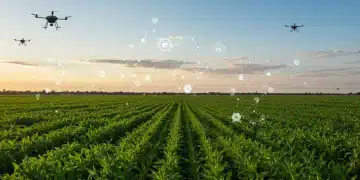
Drones, satellites, and aircraft equipped with multispectral or hyperspectral cameras provide invaluable remote sensing data. These technologies capture images that reveal variations in crop health, growth stages, and nutrient deficiencies across a field. By analyzing these images, farmers can identify problem areas that might require targeted intervention or areas where nutrient application can be reduced without impacting yield. Normalized Difference Vegetation Index (NDVI) maps, derived from remote sensing data, are particularly useful for assessing plant vigor and nitrogen status, guiding in-season fertilizer applications and preventing over-application.

Soil Mapping and Sensors
Detailed soil maps, generated through extensive soil sampling and analysis, are fundamental to precision nutrient management. These maps delineate management zones within a field based on soil type, organic matter content, pH, and nutrient levels. In-field soil sensors provide real-time data on soil moisture, temperature, and even nutrient availability, allowing for dynamic adjustments to irrigation and fertilization schedules. For example, nitrate sensors can measure the amount of available nitrogen in the soil, helping farmers determine if and when additional nitrogen is needed, thus preventing unnecessary applications and subsequent runoff.
Data Analytics and Farm Management Software
The vast amount of data collected from GPS, sensors, and remote sensing technologies requires sophisticated data analytics and farm management software. These platforms integrate diverse data sources, allowing farmers to visualize patterns, identify trends, and make informed decisions. Artificial intelligence (AI) and machine learning algorithms are increasingly being used to analyze historical yield data, weather patterns, soil conditions, and crop models to predict optimal nutrient application strategies. This predictive capability helps farmers fine-tune their practices, maximizing efficiency and minimizing environmental impact.
Emerging Technologies: Robotics and Automation
The future of precision agriculture includes robotics and automation. Autonomous sprayers and fertilizer applicators can operate with even greater precision than human-driven machinery, reducing overlaps and skips. Robotic systems capable of individual plant-level nutrient application are also under development, promising ultra-precise delivery of nutrients exactly where and when each plant needs them. While still in early stages for broad adoption, these technologies hold immense potential for further reducing fertilizer use and runoff.
By embracing precision agriculture technologies, US farmers can move beyond conventional methods, achieving a higher level of nutrient use efficiency. This not only contributes significantly to the 25% fertilizer runoff reduction goal but also enhances farm profitability by optimizing input costs and improving yields, paving the way for a more sustainable and technologically advanced agricultural sector.
Conservation Practices for Runoff Mitigation
While optimizing nutrient application is paramount, implementing effective conservation practices is equally crucial for achieving the 25% fertilizer runoff reduction target. These practices focus on managing water flow, improving soil health, and creating buffer zones to intercept and filter runoff before it reaches waterways. They act as a critical line of defense, complementing advanced nutrient management strategies.
Cover Cropping
Cover crops are non-cash crops planted primarily to manage soil erosion, improve soil health, and enhance water quality. Planted after the main harvest or during fallow periods, cover crops establish a living root system that holds soil in place, preventing erosion by wind and water. This significantly reduces the transport of nutrient-laden topsoil into surface waters. Additionally, cover crops scavenge residual nutrients, particularly nitrogen, that might otherwise leach into groundwater or run off. When terminated, they add organic matter to the soil, improving its structure, water infiltration capacity, and nutrient-holding ability. Popular cover crops include rye, clover, radishes, and vetch, chosen based on local climate and cropping systems.
No-Till and Conservation Tillage
Traditional tillage practices, which involve plowing and turning over soil, can leave fields vulnerable to erosion. No-till farming, a form of conservation tillage, minimizes soil disturbance by planting crops directly into the residue of previous crops. This leaves crop residues on the soil surface, acting as a protective layer that reduces the impact of rainfall, slows down water runoff, and prevents soil particles (and attached nutrients) from being carried away. Conservation tillage practices, which disturb the soil less intensely than conventional tillage, also offer similar benefits, albeit to a lesser degree. By improving soil structure and organic matter content, these practices enhance water infiltration and reduce surface runoff, directly aiding in fertilizer runoff reduction.
Riparian Buffers and Filter Strips
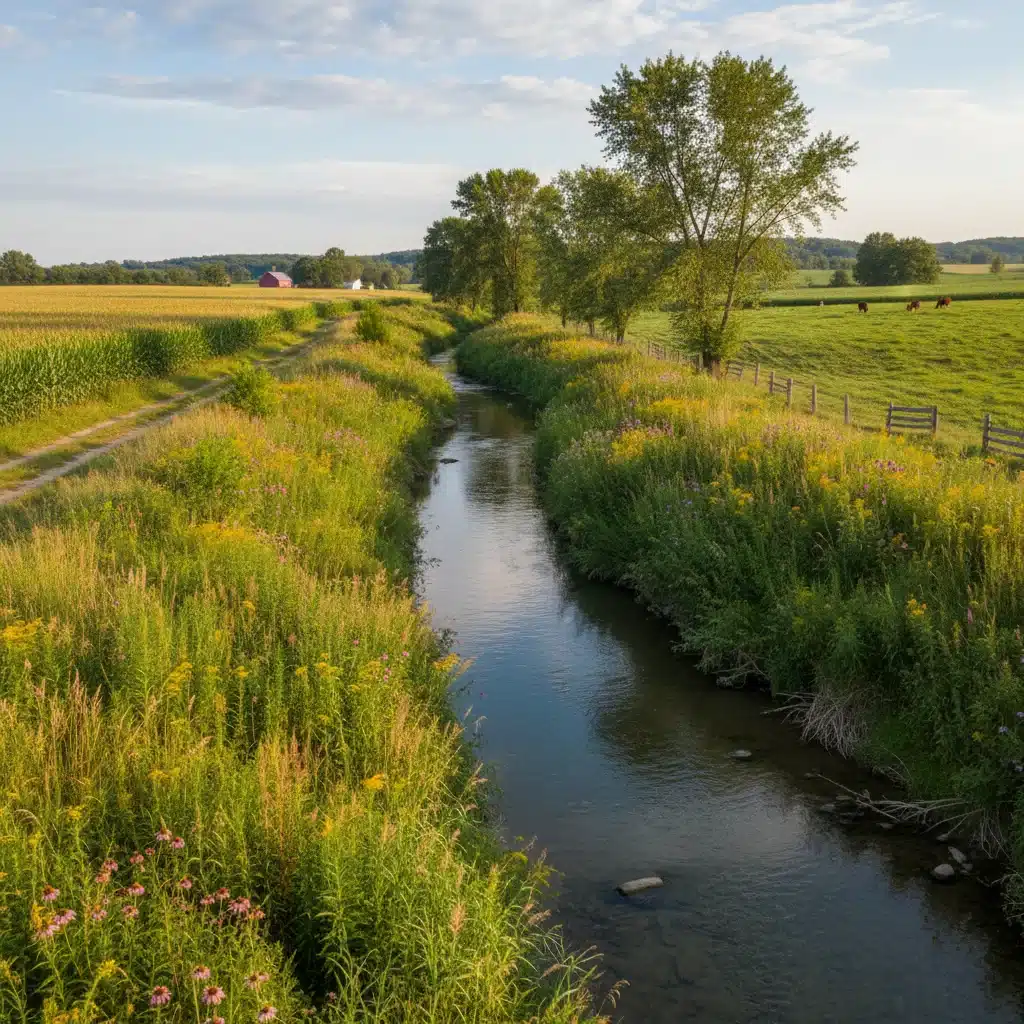
Riparian buffers are strips of permanent vegetation, such as grasses, shrubs, and trees, planted along the edges of streams, rivers, and other water bodies. Filter strips are similar vegetated areas placed at the downhill edge of fields. Both serve as natural filters, intercepting and absorbing nutrient-rich runoff before it enters waterways. The dense vegetation slows down water flow, allowing sediment and attached nutrients to settle out. Plant roots also take up dissolved nutrients, further reducing their concentration in runoff. These buffers provide additional ecological benefits, including wildlife habitat, bank stabilization, and shade, which helps regulate water temperature.
Grassed Waterways and Terracing
Grassed waterways are broad, shallow channels planted with erosion-resistant grasses, designed to safely convey concentrated runoff water from fields. By providing a stable, vegetated path for water, they prevent the formation of gullies and reduce the transport of sediment and nutrients. Terracing involves constructing earthen embankments or ridges across a slope to intercept runoff and reduce its velocity. This allows water to infiltrate the soil rather than flowing unimpeded down the slope, minimizing erosion and nutrient loss. These structural practices are particularly effective in hilly or undulating terrain.
Nutrient Recycling and Manure Management
Effective management of animal manure is a critical component of fertilizer runoff reduction, especially in areas with concentrated livestock operations. Manure is a valuable source of nutrients, but improper storage and application can lead to significant runoff and leaching. Strategies include composting manure, using anaerobic digesters to capture methane and produce nutrient-rich digestate, and applying manure at appropriate rates and times, often using precision application equipment. Integrating livestock and crop operations can facilitate nutrient cycling, where manure from animals fertilizes crops, and crop residues feed livestock, creating a more closed-loop system.
The successful implementation of these conservation practices, alongside advanced nutrient management and precision agriculture, forms a robust framework for achieving the 25% fertilizer runoff reduction goal. These practices not only safeguard water quality but also enhance soil health, biodiversity, and the overall resilience of agricultural ecosystems, demonstrating a commitment to long-term sustainability.
Challenges and Solutions on the Path to 2026
While the 25% fertilizer runoff reduction target by 2026 is ambitious and necessary, achieving it comes with its share of challenges. These obstacles range from economic constraints and knowledge gaps to behavioral inertia and policy complexities. However, for each challenge, there are viable solutions and opportunities for innovation that can pave the way for success.
Economic Barriers and Incentives
Challenge: The upfront costs associated with adopting new technologies (e.g., precision agriculture equipment) and implementing conservation practices (e.g., establishing cover crops, building riparian buffers) can be significant. Farmers, particularly those operating on thin margins, may be hesitant to invest without clear immediate financial returns or adequate support. The perceived risk of reduced yields during the transition to new practices can also be a deterrent.
Solution: Government programs, such as those offered by the USDA’s Natural Resources Conservation Service (NRCS) (e.g., Environmental Quality Incentives Program – EQIP, Conservation Stewardship Program – CSP), provide financial and technical assistance to farmers adopting conservation practices. State-level incentives, tax credits, and cost-sharing programs can further reduce the financial burden. Additionally, market-based incentives, such as premium prices for sustainably produced crops or carbon credits for practices that sequester carbon, can create new revenue streams. Emphasizing the long-term economic benefits of improved soil health, reduced input costs, and increased resilience to climate change is crucial for demonstrating the return on investment.
Knowledge Gaps and Technical Assistance
Challenge: Many farmers may lack the specific knowledge or technical expertise required to effectively implement advanced nutrient management strategies or precision agriculture technologies. Understanding complex soil science, interpreting remote sensing data, or operating sophisticated machinery requires training and ongoing support.
Solution: Robust extension services from land-grant universities, agricultural consultants, and farmer-to-farmer networks are vital. These resources can provide tailored advice, hands-on training, and demonstration farms to showcase successful implementation. Online educational platforms, workshops, and field days can disseminate best practices and foster a learning community. Developing user-friendly software and decision-support tools can also simplify the adoption of complex technologies, making them more accessible to a wider range of farmers.
Behavioral and Cultural Resistance
Challenge: Farmers often operate based on generations of accumulated knowledge and established practices. Shifting away from traditional methods can be met with resistance, especially if new approaches are perceived as risky, time-consuming, or unproven in their specific context. The ‘neighbor effect,’ where farmers observe and adopt practices from their peers, can also work against rapid change if early adopters are scarce.
Solution: Building trust and demonstrating tangible successes are key. Peer-to-peer learning, where experienced farmers share their positive outcomes and practical insights, can be highly persuasive. Showcasing the dual benefits of environmental protection and increased profitability through case studies and field demonstrations helps overcome skepticism. Fostering a culture of continuous improvement and adaptation within agricultural communities can encourage experimentation and the adoption of innovative practices.
Policy and Regulatory Frameworks
Challenge: Existing agricultural policies and regulations may not always be fully aligned with the goal of fertilizer runoff reduction. Inconsistent regulations across states, lack of clear enforcement, or policies that inadvertently incentivize unsustainable practices can hinder progress. Furthermore, voluntary adoption alone may not be sufficient to achieve the ambitious 25% target.
Solution: Developing coherent and supportive policies that incentivize sustainable nutrient management is essential. This includes strengthening conservation programs, providing funding for research and development of new technologies, and potentially exploring performance-based regulations that reward outcomes rather than just prescribing practices. Collaborating with farmer organizations, environmental groups, and scientific experts in policy development ensures that regulations are practical, effective, and fair. Public-private partnerships can also play a significant role in funding and scaling up sustainable initiatives.
Climate Variability and Extreme Weather
Challenge: Climate change introduces increased variability in weather patterns, including more intense rainfall events, prolonged droughts, and unpredictable seasons. These conditions can exacerbate nutrient runoff risks, making it more challenging to manage nutrients effectively and maintain the integrity of conservation practices.
Solution: Promoting climate-resilient agricultural practices is critical. This includes enhancing soil organic matter to improve water holding capacity, selecting drought-tolerant crop varieties, and designing drainage systems that can handle extreme rainfall. Research into how climate change impacts nutrient cycling and developing adaptive management strategies will be crucial. Farmers need access to accurate, localized weather forecasting and climate data to make informed decisions that account for changing environmental conditions.
Addressing these challenges requires a concerted and collaborative effort from all stakeholders. By proactively identifying barriers and implementing strategic solutions, the US agricultural sector can effectively navigate the path to achieving the 25% fertilizer runoff reduction goal by 2026, ensuring a healthier environment and a more resilient farming future.
The Path Forward: Collaboration and Innovation
Achieving a 25% fertilizer runoff reduction in US farms by 2026 is an ambitious but attainable goal. It necessitates a concerted effort that extends beyond individual farm boundaries, embracing collaboration across various sectors and fostering continuous innovation. The journey towards sustainable nutrient management is a dynamic one, requiring adaptability, shared learning, and a collective commitment to environmental stewardship.
Strengthening Partnerships and Collaboration
The success of this initiative hinges on robust partnerships. Farmers, who are the ultimate implementers of these practices, must be at the center of the conversation. Their practical knowledge and experience are invaluable in developing and refining effective strategies. Collaborations between farmers and agricultural researchers are essential for testing new technologies and practices in real-world conditions, ensuring their efficacy and economic viability. University extension services, non-profit organizations, and government agencies like the USDA play a critical role in disseminating knowledge, providing technical assistance, and offering financial incentives.
Furthermore, engaging with food processors, retailers, and consumers can create market demand for sustainably produced products, providing farmers with additional incentives to adopt environmentally friendly practices. Public-private partnerships can leverage resources and expertise from both sectors to scale up innovative solutions and overcome financial barriers. Collaborative watershed initiatives, bringing together diverse stakeholders within a specific geographical area, are particularly effective in addressing localized nutrient runoff issues, as they can tailor strategies to specific environmental and agricultural contexts.
Investing in Research and Development
Innovation is the engine of progress in sustainable agriculture. Continued investment in research and development is crucial for discovering new ways to optimize nutrient use and mitigate runoff. This includes:
- Developing New Fertilizer Formulations: Research into enhanced efficiency fertilizers (EEFs) that offer even greater control over nutrient release, reducing losses to the environment.
- Improving Crop Genetics: Breeding crop varieties that are more efficient at nutrient uptake, requiring less fertilizer input to achieve desired yields.
- Advancing Sensor Technologies: Creating more affordable, accurate, and robust soil and plant sensors that can provide real-time data for precision nutrient management.
- Refining Data Analytics and AI: Developing more sophisticated algorithms and farm management software that can integrate diverse datasets to provide highly precise, actionable recommendations for farmers.
- Exploring Novel Bioremediation Techniques: Investigating the use of microbes or other biological agents to break down or sequester excess nutrients in soil and water.
Such research ensures that farmers have access to a continually evolving toolkit of solutions, making the 25% fertilizer runoff reduction goal more achievable and sustainable in the long term.
Education and Outreach
Effective communication and education are fundamental to driving widespread adoption of sustainable practices. This involves:
- Farmer-Centric Training: Designing educational programs that are practical, hands-on, and directly relevant to farmers’ operations, addressing their specific needs and concerns.
- Youth Engagement: Educating the next generation of farmers and agricultural professionals about sustainable nutrient management from an early age, fostering a proactive mindset.
- Public Awareness Campaigns: Informing the general public about the importance of sustainable agriculture and how their choices as consumers can support these efforts.
- Sharing Success Stories: Highlighting farmers who have successfully implemented runoff reduction strategies, demonstrating the economic and environmental benefits, and inspiring others.
By empowering farmers with knowledge and showcasing positive outcomes, education can overcome resistance to change and accelerate the adoption of beneficial practices.
Adaptive Management and Monitoring
The agricultural and environmental systems are complex and constantly changing. Therefore, an adaptive management approach is essential. This involves continuously monitoring the effectiveness of implemented practices, evaluating their impact on nutrient runoff, and making adjustments as needed. Regular water quality monitoring, soil testing, and yield assessments provide crucial feedback. This iterative process of planning, implementing, monitoring, and adjusting ensures that efforts remain targeted and efficient, maximizing progress towards the 25% fertilizer runoff reduction goal.
The aspiration to reduce fertilizer runoff by 25% in US farms by 2026 is more than an environmental target; it’s a commitment to the future of American agriculture. It envisions a farming system that is productive, profitable, and profoundly sustainable. By embracing the principles of sustainable nutrient management, leveraging precision agriculture technologies, implementing robust conservation practices, and fostering a spirit of collaboration and innovation, the US agricultural sector can lead the way in environmental stewardship, ensuring clean water, healthy ecosystems, and thriving farm communities for generations to come. This collective endeavor will not only meet the 2026 target but also lay the groundwork for even greater environmental achievements in the years that follow.