Drone Technology Advancements: Crop Monitoring 2026 Insights
Anúncios
The Latest in Drone Technology for Crop Monitoring: 5 Key Advancements for 2026
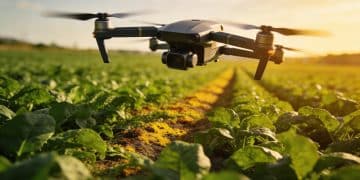
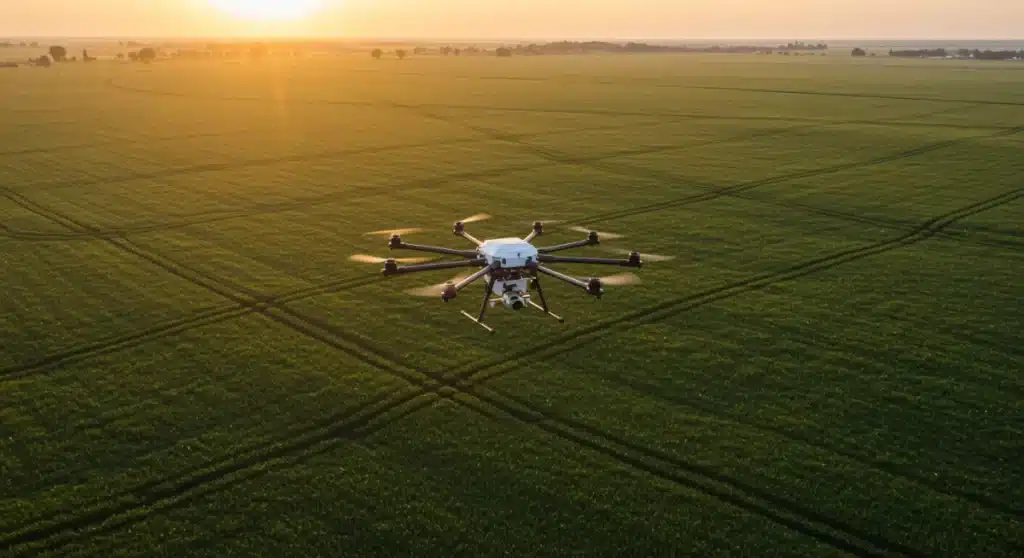
The agricultural landscape is continuously evolving, driven by the imperative to feed a growing global population efficiently and sustainably. At the forefront of this revolution is drone technology, transforming traditional farming practices into data-driven, precision agriculture. By 2026, the advancements in drone crop monitoring are set to reshape how farmers manage their fields, optimize yields, and conserve resources. This article delves into five pivotal advancements that are defining the future of agricultural drones.
For centuries, farming relied on manual observation and intuition. While these methods have their place, the scale and complexity of modern agriculture demand more sophisticated tools. Drones, initially seen as novel gadgets, have matured into indispensable instruments for precision agriculture. Their ability to collect vast amounts of data from above, quickly and cost-effectively, has made them a game-changer. The evolution of drone crop monitoring is not just about flying cameras; it’s about integrating complex systems that provide actionable insights, leading to more sustainable and profitable farming.
Anúncios
The global population is projected to reach nearly 10 billion by 2050, necessitating a significant increase in food production. This challenge is compounded by climate change, water scarcity, and diminishing arable land. Precision agriculture, powered by advanced drone technology, offers a viable solution by enabling farmers to make informed decisions, reduce waste, and maximize productivity per acre. The next few years will see an acceleration in these capabilities, with 2026 marking a significant milestone in the integration of highly sophisticated drone systems into mainstream farming.
This comprehensive guide will explore the most impactful advancements in drone crop monitoring. From artificial intelligence that can detect subtle plant stresses to extended flight times that cover vast areas, these innovations are not just incremental improvements; they represent a paradigm shift in how we approach agriculture. Understanding these developments is crucial for farmers, agricultural technologists, and anyone interested in the future of food production.
1. AI-Powered Data Analytics and Predictive Modeling in Drone Crop Monitoring
One of the most significant breakthroughs in drone crop monitoring is the integration of Artificial Intelligence (AI) and machine learning algorithms. While drones have been capable of collecting vast amounts of data for some time, the real challenge has always been converting that raw data into meaningful and actionable insights. This is where AI steps in, transforming drone-captured imagery and sensor data into powerful predictive models.
Anúncios
From Pixels to Predictions
Traditional methods of analyzing drone data often involved manual interpretation or basic image processing. However, with AI, drones can now process and analyze data in real-time or near real-time, identifying patterns and anomalies that would be invisible to the human eye or rudimentary software. AI models are trained on massive datasets of crop images, plant health indicators, soil conditions, and historical yield data. This training allows them to recognize early signs of disease, pest infestations, nutrient deficiencies, and water stress with remarkable accuracy.
Early Disease and Pest Detection
Imagine a drone autonomously flying over a cornfield, its multispectral cameras capturing images. An AI algorithm immediately processes these images, detecting subtle changes in leaf color or texture that indicate the very first stages of a fungal infection or an insect attack. This early detection is critical. By identifying issues before they spread, farmers can implement targeted interventions, applying pesticides or fungicides only where needed, significantly reducing chemical usage and preventing widespread crop loss. This precision not only saves money but also promotes environmental sustainability.
Optimizing Nutrient Management
AI also plays a crucial role in nutrient management. By analyzing multispectral and hyperspectral imagery, AI can create detailed nutrient maps of a field, highlighting areas where crops are experiencing deficiencies (e.g., nitrogen, phosphorus, potassium). Farmers can then use this information to apply fertilizers precisely to specific zones, avoiding over-fertilization in some areas and under-fertilization in others. This targeted approach maximizes nutrient uptake by plants, reduces runoff into waterways, and optimizes fertilizer costs, directly contributing to more efficient and environmentally friendly farming practices.
Yield Prediction and Resource Allocation
Beyond current crop health, AI-powered drone crop monitoring can predict future yields with increasing accuracy. By combining current crop data with historical weather patterns, soil data, and growth models, AI can forecast how a crop will perform. This predictive capability allows farmers to make better decisions regarding harvesting schedules, storage capacity, and market planning. Furthermore, it helps in optimizing resource allocation throughout the growing season, ensuring that water, nutrients, and labor are utilized most effectively.
Autonomous Decision Support Systems
By 2026, we can expect to see even more advanced autonomous decision support systems. Drones will not only collect and analyze data but also suggest optimal actions directly to farmers. For instance, a drone might identify a specific area needing irrigation and automatically trigger an irrigation system in that zone, or recommend the precise amount of a specific nutrient to be applied to a particular section of the field. This level of automation will free up farmers’ time, allowing them to focus on broader strategic decisions rather than day-to-day monitoring tasks.
2. Enhanced Sensor Technology: Multispectral, Hyperspectral, and Thermal Imaging
The eyes of the drone – its sensors – are continually becoming more sophisticated. The evolution of multispectral, hyperspectral, and thermal imaging technologies is fundamentally changing what drone crop monitoring can reveal about plant health and environmental conditions.
Multispectral Imaging: Beyond the Visible
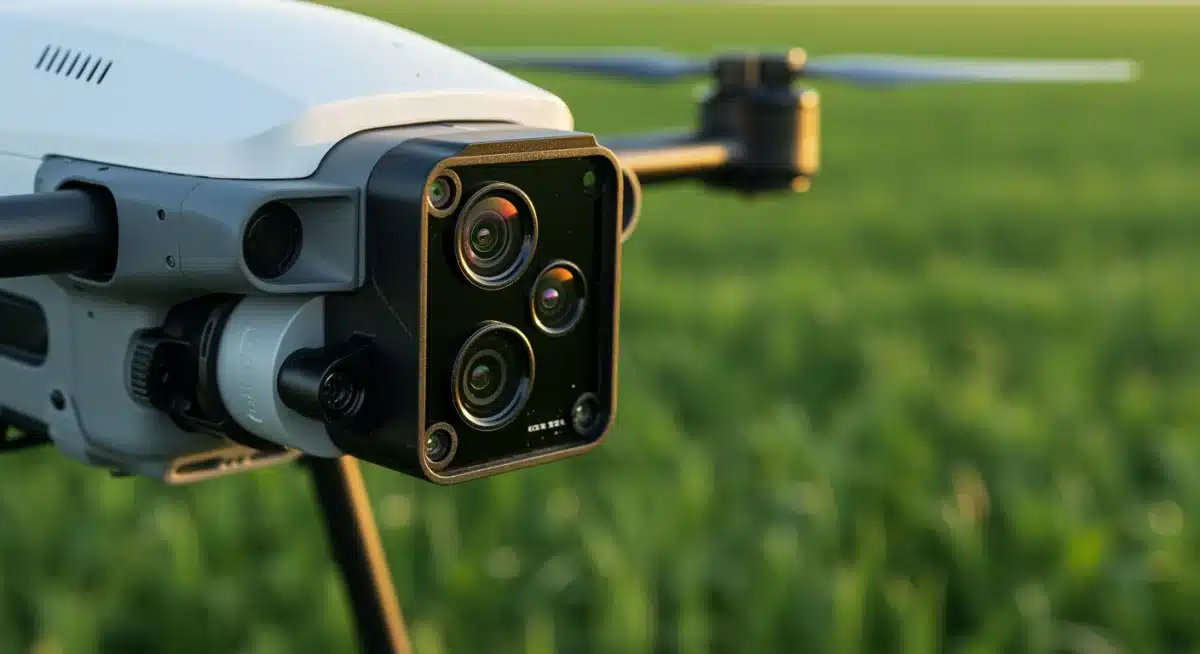
Multispectral cameras capture images across several specific light bands, including visible light (red, green, blue) and invisible light (near-infrared). This allows them to calculate various vegetation indices, such as the Normalized Difference Vegetation Index (NDVI). NDVI is a widely used indicator of plant health and vigor. By analyzing how plants reflect and absorb different wavelengths of light, multispectral sensors can detect subtle physiological changes in plants long before they become visible to the human eye. This means early detection of stress caused by drought, disease, or nutrient deficiency, enabling proactive management.
Hyperspectral Imaging: Unprecedented Detail
While multispectral cameras capture a few broad bands, hyperspectral cameras capture hundreds of very narrow, contiguous spectral bands. This provides an incredibly detailed spectral fingerprint for every pixel in an image. With hyperspectral data, it’s possible to differentiate between various plant species, identify specific nutrient deficiencies with greater precision, and even detect the presence of certain chemicals or pollutants. This level of detail has profound implications for targeted crop management, allowing for highly specific interventions that minimize waste and maximize efficacy. For example, a hyperspectral sensor might distinguish between different types of weeds or identify the exact type of disease affecting a plant, leading to more effective treatment strategies.
Thermal Imaging: Monitoring Plant Stress and Irrigation Needs
Thermal cameras measure the temperature of objects, including plants and soil. Plant temperature is a key indicator of its physiological state. When a plant is stressed, it often closes its stomata (pores), which reduces transpiration and causes its temperature to rise. Thermal imaging from drones can identify areas of a field where plants are experiencing heat stress or water stress, even before wilting is visible. This information is invaluable for optimizing irrigation schedules, ensuring water is applied precisely where and when it’s needed, conserving this precious resource, and preventing crop damage from heat or drought.
Integration and Miniaturization
The trend by 2026 is towards the miniaturization and integration of these advanced sensors into lighter, more efficient drone platforms. This means drones will be able to carry multiple types of sensors simultaneously, collecting a richer, more diverse dataset in a single flight. Furthermore, the cost of these advanced sensors is decreasing, making them more accessible to a broader range of farmers and agricultural businesses. The combination of these sensor types provides a holistic view of crop health, enabling farmers to respond proactively and precisely to any challenges their crops face.
3. Extended Battery Life and Autonomous Flight Capabilities
One of the historical limitations of drone technology has been battery life, restricting flight time and the area that can be covered in a single mission. However, significant advancements in battery technology and autonomous flight systems are overcoming these hurdles, making drone crop monitoring more practical and scalable for large-scale operations.
Revolutionizing Battery Technology
By 2026, we are seeing the widespread adoption of more energy-dense batteries, such as solid-state batteries or advanced lithium-ion variants, specifically designed for drone applications. These batteries offer substantially longer flight times, enabling drones to cover larger fields or perform multiple monitoring tasks on a single charge. This increased endurance reduces the need for frequent battery swaps or recharging, dramatically improving operational efficiency and reducing downtime.
Swappable Battery Systems and Charging Stations
Beyond raw battery capacity, innovations in swappable battery systems and automated charging stations are also gaining traction. Drones can be programmed to return to a designated charging station, automatically swap out a depleted battery for a fresh one, and resume their mission without human intervention. This capability is particularly transformative for very large farms, allowing for continuous, 24/7 monitoring if needed, with minimal human oversight. These stations can be strategically placed throughout a large agricultural area, maximizing drone utility.
Advanced Autonomous Flight and Navigation
The intelligence of drone flight controllers has also progressed dramatically. Autonomous flight capabilities now include highly accurate GPS navigation, obstacle avoidance systems, and robust flight planning software. Farmers can pre-program complex flight paths, specifying altitudes, speeds, and sensor activation points. The drones will execute these missions with precision, even in challenging weather conditions, ensuring consistent data collection. Real-time kinematic (RTK) and post-processed kinematic (PPK) GPS systems are becoming standard, offering centimeter-level positional accuracy, which is crucial for precise mapping and targeted interventions.
Fleet Management and Swarm Technology
For very large agricultural operations, managing a single drone might not be sufficient. The future of drone crop monitoring includes advanced fleet management systems, where multiple drones can operate collaboratively. Swarm technology allows several drones to work together, covering vast areas much faster than a single drone. These drones can communicate with each other, share data, and coordinate their movements to optimize coverage and efficiency. This distributed approach ensures comprehensive monitoring of even the largest farms, providing a complete picture of crop health in a timely manner.
Regulatory Frameworks and Safety
As autonomous capabilities advance, so too do the regulatory frameworks governing drone operations. By 2026, we can expect clearer guidelines and technologies for safe autonomous flight, including beyond visual line of sight (BVLOS) operations, which are essential for covering extensive agricultural lands. These regulations, combined with enhanced safety features like redundant systems and improved detect-and-avoid technology, will pave the way for wider adoption of fully autonomous drone crop monitoring solutions.
4. Integration with IoT and Farm Management Platforms
The true power of modern drone crop monitoring is unleashed when it’s seamlessly integrated with the broader ecosystem of agricultural Internet of Things (IoT) devices and comprehensive farm management platforms. This integration creates a holistic view of the farm, enabling smarter, data-driven decision-making across all aspects of crop production.
A Unified Data Ecosystem
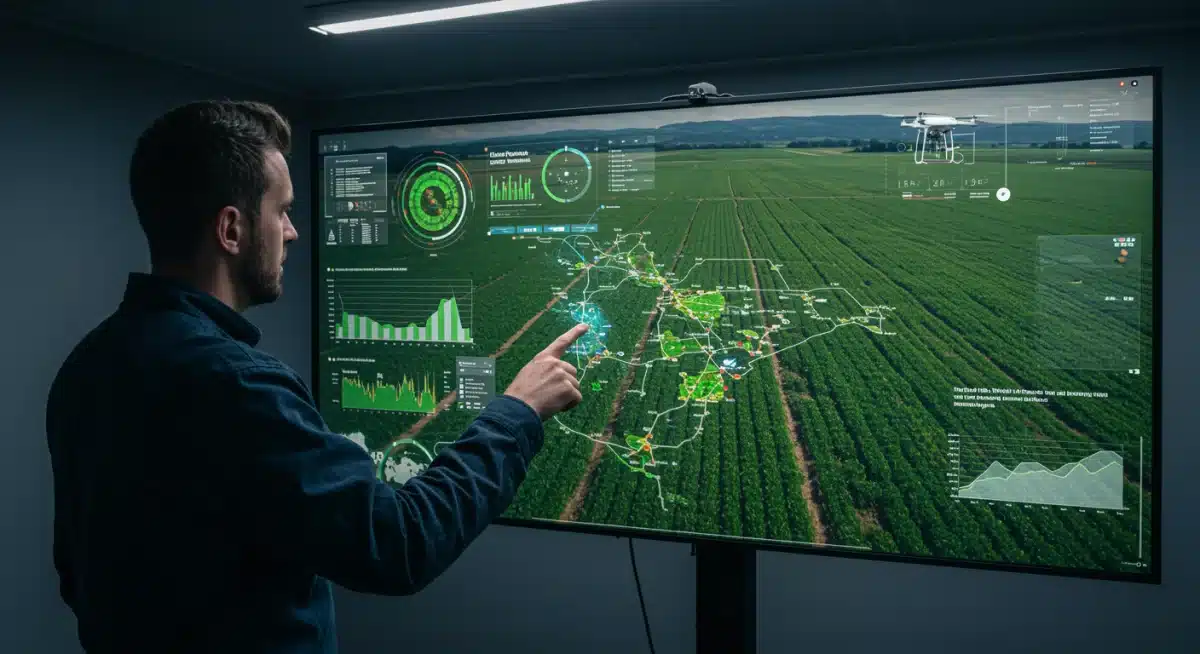
Drones, while powerful data collectors, are just one piece of the puzzle. When drone data (e.g., crop health maps, thermal imagery) is combined with data from other IoT sensors (e.g., soil moisture sensors, weather stations, irrigation system monitors, livestock trackers), a much more complete and accurate picture of the farm emerges. Farm management platforms act as the central hub, ingesting and synthesizing all this disparate data into a unified dashboard.
Real-time Insights and Automated Workflows
This integration allows for real-time insights. For example, a drone might detect an area of water stress, and the farm management platform, having access to soil moisture data from ground sensors, can confirm the deficiency. The platform can then automatically trigger the smart irrigation system to water only that specific zone, optimizing water usage and preventing over-irrigation in other areas. This level of automated workflow, driven by integrated data, significantly reduces manual labor and improves efficiency.
Prescription Maps for Precision Application
One of the most valuable outputs of this integration is the generation of highly precise prescription maps. Based on drone-collected data, AI analysis, and other IoT inputs, the farm management platform can create maps that dictate exactly how much fertilizer, pesticide, or water should be applied to each specific meter of a field. These prescription maps can then be directly uploaded to autonomous tractors, sprayers, or irrigation systems, enabling variable rate application. This ensures that inputs are used only where and when they are needed, leading to significant cost savings, reduced environmental impact, and improved crop yields.
Traceability and Compliance
Integrated platforms also enhance traceability and compliance. Every action taken in the field, from planting to harvesting, can be recorded and linked to specific data points. This creates a detailed digital record of the crop’s journey, which is invaluable for organic certification, food safety regulations, and consumer transparency. Farmers can easily demonstrate sustainable practices and provide proof of origin for their produce, meeting the growing demand for responsibly sourced food.
Cloud-Based Accessibility and Collaboration
Most modern farm management platforms are cloud-based, offering accessibility from anywhere at any time. This allows farmers to monitor their fields, analyze data, and manage operations from their office, home, or even while traveling. It also facilitates collaboration with agronomists, consultants, and other stakeholders, who can access the same real-time data and provide expert advice, further optimizing farming decisions. The seamless flow of information ensures that all parties involved have the most up-to-date insights.
5. Advanced Payload Delivery and Targeted Intervention
Beyond mere observation, the next frontier in drone crop monitoring involves drones actively participating in crop management through advanced payload delivery systems and targeted interventions. By 2026, these capabilities are becoming more sophisticated and widely adopted, transforming drones into active participants in precision agriculture.
Precision Spraying and Spot Treatment
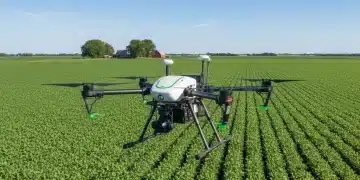
One of the most impactful applications is precision spraying. Drones equipped with small spray tanks and highly accurate nozzles can perform targeted application of pesticides, herbicides, or liquid fertilizers. Unlike traditional methods that spray entire fields, drone-based spot treatment only applies chemicals to the specific plants or areas identified by the drone’s sensors and AI analysis as needing intervention. This significantly reduces the volume of chemicals used, minimizing environmental impact, protecting beneficial insects, and lowering input costs for farmers.
Seed Planting and Pollination
Drones are also being developed for precision seed planting. For certain crops or in challenging terrains, drones can accurately drop seeds at optimal spacing and depth, particularly useful for reforestation or planting cover crops in difficult-to-reach areas. Furthermore, research is advancing into drone-assisted pollination, especially for crops susceptible to pollinator decline. While still in early stages for broad agricultural use, targeted pollination by drones could become a viable option for specific, high-value crops or in controlled environments.
Biological Control Agent Release
Another exciting development is the use of drones for releasing biological control agents. Instead of chemical pesticides, drones can deploy beneficial insects or microbial agents to combat pests. This eco-friendly approach leverages nature’s own mechanisms to protect crops. Drones can precisely release these agents in affected areas, ensuring maximum efficacy and minimal disruption to the wider ecosystem.
Variable Rate Application of Granular Materials
Beyond liquids, drones are also being adapted to deliver granular materials. This includes spreading granular fertilizers, cover crop seeds, or even small amounts of soil amendments in a variable rate manner. This capability allows for highly precise nutrient application or targeted seeding in areas identified by previous monitoring flights as needing specific attention. The ability to vary the application rate based on real-time data ensures optimal distribution and resource utilization.
Challenges and Future Outlook
While payload delivery offers immense potential, challenges remain, primarily concerning payload capacity, flight endurance with heavier loads, and regulatory approvals for spraying certain substances. However, ongoing research and development are rapidly addressing these limitations. Lighter, more powerful drones, coupled with highly concentrated and effective biological agents, are making these applications increasingly feasible. By 2026, drone-based payload delivery will be an indispensable tool for targeted, sustainable crop interventions, moving agriculture towards an even more precise and environmentally conscious future.
The Future of Farming with Drone Crop Monitoring
The rapid advancements in drone crop monitoring are not just incremental improvements; they represent a fundamental shift in how we approach agriculture. By 2026, these five key developments – AI-powered analytics, enhanced sensor technology, extended battery life and autonomy, seamless IoT integration, and advanced payload delivery – will have converged to create a farming landscape that is more efficient, sustainable, and productive than ever before.
Empowering Farmers with Data
At its core, this evolution is about empowering farmers with unprecedented levels of data and actionable insights. No longer will decisions be based solely on intuition or broad observations. Instead, farmers will have access to hyper-localized, real-time information about every square meter of their fields. This data-driven approach allows for optimized resource allocation, early problem detection, and precise interventions, leading to higher yields, reduced waste, and increased profitability.
Towards Sustainable Agriculture
The environmental benefits of advanced drone crop monitoring cannot be overstated. By enabling precision application of water, fertilizers, and pesticides, drones significantly reduce the overall use of these resources, minimizing runoff and pollution. This contributes directly to more sustainable farming practices, protecting soil health, water quality, and biodiversity. The ability to identify and address issues early also reduces the need for aggressive, broad-spectrum treatments, fostering a healthier agricultural ecosystem.
Economic Impact and Global Food Security
Economically, the adoption of these technologies will lead to substantial cost savings for farmers through optimized input usage and increased yields. This, in turn, contributes to greater food security by ensuring more stable and abundant food supplies for a growing global population. The efficiency gains will also make farming more resilient to external pressures such as climate change and market fluctuations.
Addressing the Labor Shortage
Furthermore, automation and autonomous capabilities offered by advanced drones can help address the persistent labor shortages faced by the agricultural sector. By automating routine monitoring and certain intervention tasks, drones free up human labor for more complex and strategic roles, making farming more attractive and sustainable as a profession.
The Road Ahead
While the advancements are impressive, the journey doesn’t end in 2026. Research and development will continue to push the boundaries, exploring new sensor types, more sophisticated AI models, and even more integrated robotic solutions. The future of farming is undoubtedly intertwined with the continued evolution of drone technology. Farmers who embrace these innovations will be best positioned to thrive in the complex and demanding agricultural landscape of tomorrow.In conclusion, drone crop monitoring is not just a trend; it is a fundamental pillar of modern agriculture. The advancements we are witnessing and expecting by 2026 are setting the stage for a more precise, productive, and sustainable food system for generations to come. By understanding and adopting these technologies, the agricultural community can meet the challenges of the future head-on, ensuring a secure and prosperous food supply for all.