Sustainable Agriculture: US Farmers’ 2026 Climate Action Plan
Sustainable Agriculture: US Farmers’ 2026 Climate Action Plan for Emission Reduction
The agricultural sector, a cornerstone of the US economy and a vital provider of food security, faces an unprecedented challenge: climate change. With increasing extreme weather events, shifting growing seasons, and evolving pest pressures, the need for resilient and environmentally conscious farming practices has never been more urgent. This article delves into the critical role of sustainable agriculture practices for US farmers in mitigating climate change impacts, with a specific focus on achieving a 10% reduction in greenhouse gas emissions by 2026. The journey towards this ambitious goal requires a multi-faceted approach, integrating innovative techniques, supportive policies, and a collective commitment from farmers, policymakers, and consumers alike. Understanding and implementing effective sustainable agriculture practices is not merely an environmental imperative; it is an economic necessity that promises long-term viability and enhanced productivity for American farms.
The Imperative for Emission Reduction in US Agriculture
Agriculture is a significant contributor to global greenhouse gas (GHG) emissions, primarily through nitrous oxide from fertilizer use, methane from livestock, and carbon dioxide from land use changes and energy consumption. In the United States, the sector accounts for approximately 10% of total GHG emissions. While this figure might seem smaller compared to other sectors, the opportunity for agricultural practices to not only reduce emissions but also sequester carbon makes it a unique and powerful lever in the fight against climate change. The target of a 10% reduction by 2026 is ambitious but achievable, necessitating a proactive and systemic shift in how we approach farming. This reduction is not just about meeting targets; it’s about safeguarding the future of farming, ensuring food security, and preserving the natural resources upon which agriculture depends. The adoption of sustainable agriculture practices offers a pathway to this future, transforming challenges into opportunities for innovation and resilience.
Understanding the Sources of Agricultural Emissions
To effectively reduce emissions, it’s crucial to understand their primary sources within agriculture. Nitrous oxide (N2O), a GHG with a global warming potential 265 times that of carbon dioxide over a 100-year period, largely originates from the application of synthetic nitrogen fertilizers and manure to agricultural soils. Methane (CH4), another potent GHG with 28 times the warming potential of CO2, is primarily produced by enteric fermentation in ruminant livestock (e.g., cattle) and from manure management. Carbon dioxide (CO2) emissions can result from energy use on farms (e.g., fuel for machinery, electricity for irrigation), land conversion (e.g., deforestation for agricultural expansion), and the degradation of soil organic matter. Addressing each of these sources requires tailored sustainable agriculture practices that are both effective and economically viable for farmers. The complexity of these emissions sources highlights the need for a comprehensive strategy that considers various aspects of farm operations, from crop production to livestock management.
Key Sustainable Agriculture Practices for Emission Reduction
Achieving a 10% emission reduction by 2026 will require widespread adoption of proven sustainable agriculture practices. These practices not only curb GHG emissions but also offer numerous co-benefits, including improved soil health, increased water efficiency, enhanced biodiversity, and greater farm resilience. The following sections detail some of the most impactful strategies that US farmers can implement.
1. Regenerative Agriculture and Soil Health Management
Regenerative agriculture is a holistic approach to farming that focuses on improving soil health, biodiversity, and ecosystem services. It’s a cornerstone of sustainable agriculture practices and holds immense potential for carbon sequestration. Healthy soils act as significant carbon sinks, drawing CO2 from the atmosphere and storing it as organic matter. Key practices within regenerative agriculture include:
- No-Till or Reduced Tillage: Traditional tilling disturbs the soil, releasing stored carbon into the atmosphere. No-till farming minimizes soil disturbance, preserving soil structure, organic matter, and beneficial microbial life. This practice significantly reduces CO2 emissions from soil respiration and fuel consumption.
- Cover Cropping: Planting non-cash crops (cover crops) between main crop cycles keeps the soil covered, prevents erosion, suppresses weeds, and adds organic matter when incorporated into the soil. Cover crops enhance soil carbon sequestration and reduce the need for synthetic fertilizers, thereby lowering N2O emissions.
- Crop Rotation and Diversity: Diversifying crop rotations improves soil health, breaks pest and disease cycles, and can reduce the need for synthetic inputs. Different crops have varying nutrient requirements and root structures, contributing to a more balanced and resilient soil ecosystem.
- Integrated Nutrient Management: Optimizing fertilizer application based on soil tests, plant needs, and timing can significantly reduce N2O emissions. This includes using precision application techniques, slow-release fertilizers, and integrating organic nutrient sources.
These sustainable agriculture practices, when implemented together, create a synergistic effect, leading to healthier soils that are more productive, more resilient to climate extremes, and more effective at sequestering carbon. The long-term benefits extend beyond emission reduction, contributing to the overall sustainability and profitability of the farm.

2. Livestock Management Innovations for Methane Reduction
For livestock operations, particularly cattle farming, methane emissions are a significant concern. However, innovative sustainable agriculture practices can dramatically reduce this impact:
- Improved Feed Management: Dietary supplements, such as certain seaweeds or feed additives, have shown promise in reducing enteric methane production in ruminants. Optimizing feed quality and digestibility can also lead to lower methane emissions per unit of product.
- Manure Management Systems: Capturing methane from manure lagoons using anaerobic digesters can convert this potent GHG into biogas, a renewable energy source. This not only reduces emissions but also provides an additional revenue stream for farmers. Composting manure properly can also reduce methane and N2O emissions compared to traditional storage methods.
- Genetic Selection: Breeding livestock for traits that naturally lead to lower methane emissions or higher feed efficiency can contribute to long-term emission reductions across herd populations.
- Rotational Grazing: Managing pastures through rotational grazing not only improves forage quality and animal health but also enhances soil carbon sequestration, making it a dual-benefit sustainable agriculture practice.
By adopting these livestock-focused sustainable agriculture practices, farmers can significantly reduce their methane footprint while often improving animal welfare and farm efficiency. The integration of technology and biological understanding is key to unlocking these reductions.
3. Precision Agriculture and Technology Integration
Precision agriculture leverages technology to manage farms more efficiently, reducing resource waste and emissions. This category of sustainable agriculture practices includes:
- Variable Rate Application: Using GPS-guided equipment to apply fertilizers, pesticides, and irrigation water only where and when needed minimizes overuse, reducing N2O emissions from excess nitrogen and energy consumption from unnecessary pumping.
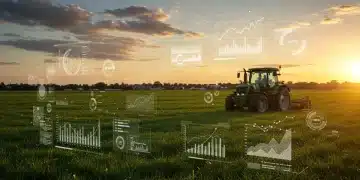
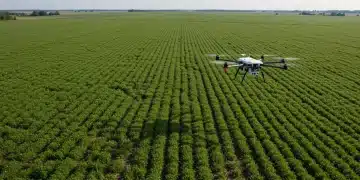
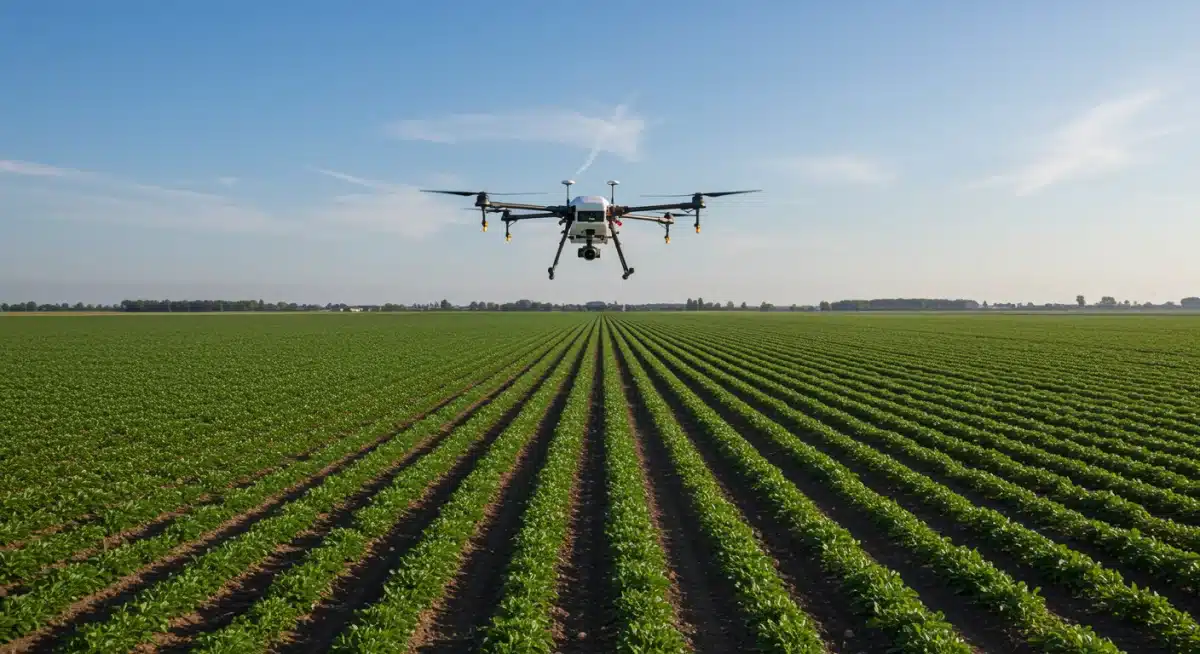
- Remote Sensing and Data Analytics: Drones, satellites, and on-ground sensors provide invaluable data on crop health, soil conditions, and weather patterns. Analyzing this data allows farmers to make informed decisions that optimize resource use and minimize environmental impact.
- Automated Irrigation Systems: Smart irrigation systems that respond to real-time soil moisture levels and weather forecasts can significantly reduce water usage and the energy required for pumping, thereby lowering CO2 emissions.
- Electrification of Farm Equipment: Replacing diesel-powered tractors and machinery with electric alternatives, especially when powered by renewable energy sources, can drastically cut CO2 emissions from farm operations.
Precision agriculture represents a technological frontier in sustainable agriculture practices, enabling farmers to achieve higher yields with fewer inputs and a smaller environmental footprint. The investment in these technologies often pays off through increased efficiency and reduced operational costs.
4. Agroforestry and Renewable Energy Integration
Beyond field-level practices, broader farm-level strategies can contribute to emission reduction:
- Agroforestry: Integrating trees and shrubs into agricultural landscapes (e.g., silvopasture, alley cropping, windbreaks) offers multiple benefits. Trees sequester carbon, improve biodiversity, provide shade for livestock, and can offer additional income streams. This sustainable agriculture practice is a powerful tool for carbon removal.
- On-Farm Renewable Energy: Installing solar panels or small wind turbines on farms can offset energy consumption from grid-based electricity, which often relies on fossil fuels. This directly reduces the farm’s carbon footprint and can lead to long-term energy cost savings.
- Bioenergy Crops: Growing dedicated bioenergy crops on marginal lands can provide a sustainable source of biomass for renewable energy production, reducing reliance on fossil fuels.
These practices demonstrate how sustainable agriculture extends beyond traditional crop and livestock management, encompassing a holistic approach to land use and energy production. The diversification offered by agroforestry and renewable energy integration also enhances farm resilience and economic stability.
Policy and Economic Incentives for Sustainable Agriculture Adoption
While the environmental and long-term economic benefits of sustainable agriculture practices are clear, the upfront costs and knowledge gaps can be barriers to adoption for many farmers. Robust policy support and economic incentives are crucial to accelerate the transition:
- Government Programs and Subsidies: Federal and state programs, such as those offered by the USDA (e.g., Environmental Quality Incentives Program – EQIP, Conservation Stewardship Program – CSP), provide financial assistance and technical support for farmers adopting conservation practices. Expanding and streamlining these programs is vital.
- Carbon Markets and Ecosystem Service Payments: Developing accessible carbon markets that allow farmers to be compensated for sequestering carbon in their soils or reducing emissions can create a powerful economic incentive. Payments for other ecosystem services, such as improved water quality or biodiversity, could also reward sustainable agriculture practices.
- Research and Development Funding: Investing in agricultural research to develop new, more efficient, and regionally adapted sustainable agriculture practices is essential. This includes developing climate-resilient crop varieties, novel feed additives, and advanced precision agriculture technologies.
- Education and Extension Services: Providing farmers with accessible information, training, and peer-to-peer learning opportunities on sustainable agriculture practices is critical for widespread adoption. Extension services play a crucial role in bridging the gap between research and practical application.
- Supply Chain Initiatives: Consumer demand and corporate sustainability commitments can drive change. Food companies and retailers can incentivize their agricultural suppliers to adopt sustainable agriculture practices through preferred sourcing, technical assistance, and premiums for sustainably produced goods.
A supportive policy environment and attractive economic incentives are not just about helping farmers; they are about investing in the future of our food system and the health of our planet. These mechanisms can transform sustainable agriculture from a niche practice into the mainstream standard.
Measuring and Verifying Emission Reductions
To ensure the target of a 10% emission reduction by 2026 is met and to build credibility, robust measurement, reporting, and verification (MRV) systems are essential. This involves:
- Standardized Methodologies: Developing and implementing standardized methodologies for quantifying GHG emissions and sequestration from various sustainable agriculture practices. These methodologies must be scientifically sound and practical for farm-level application.
- Data Collection and Monitoring: Utilizing a combination of on-farm data (e.g., fertilizer application rates, yield data, soil test results), remote sensing, and modeling to monitor changes in emissions and carbon stocks over time.
- Third-Party Verification: Engaging independent third-party verifiers to audit reported emission reductions and sequestration claims. This ensures transparency and builds trust in the outcomes of sustainable agriculture practices.
- Digital Tools and Platforms: Leveraging digital platforms and software to simplify data collection, analysis, and reporting for farmers, making it easier for them to participate in MRV programs and potentially access carbon markets.
Effective MRV is not just about accountability; it also provides valuable feedback to farmers, allowing them to refine their sustainable agriculture practices and continuously improve their environmental performance. It transforms abstract goals into measurable progress, demonstrating the tangible impact of these efforts.
Challenges and Opportunities for US Farmers
The transition to more sustainable agriculture practices is not without its challenges. Farmers often face financial constraints, lack of access to relevant information, and the inherent risks associated with adopting new methods. Weather variability, market fluctuations, and labor availability also add layers of complexity. However, these challenges are accompanied by significant opportunities:
- Increased Farm Resilience: Sustainable agriculture practices build healthier soils, which are more resistant to drought and extreme weather, leading to more stable yields in a changing climate.
- Cost Savings: Reduced reliance on synthetic fertilizers and pesticides, lower fuel consumption from reduced tillage, and more efficient water use can lead to substantial long-term cost savings for farmers.
- New Market Opportunities: Growing consumer demand for sustainably produced food can open new market channels and premium pricing opportunities for farmers who adopt sustainable agriculture practices.
- Enhanced Ecosystem Services: Beyond emission reduction, these practices contribute to cleaner water, improved biodiversity, and healthier rural landscapes, benefiting both the environment and local communities.
- Innovation and Collaboration: The push for sustainable agriculture fosters innovation in farming technologies and encourages collaboration among farmers, researchers, and industry stakeholders.
Navigating these challenges requires a concerted effort from all stakeholders, but the opportunities for a more resilient, profitable, and environmentally friendly agricultural sector are immense. The adoption of sustainable agriculture practices is a testament to the adaptability and ingenuity of US farmers.
Conclusion: A Sustainable Future for US Agriculture
The goal of a 10% reduction in greenhouse gas emissions from US agriculture by 2026 is an ambitious yet critical step towards a sustainable future. This target is not merely an environmental aspiration but a strategic investment in the long-term viability and resilience of American farming. By embracing a suite of sustainable agriculture practices, including regenerative soil management, innovative livestock approaches, precision agriculture technologies, and agroforestry, US farmers can play a pivotal role in mitigating climate change. The success of this endeavor hinges on a collaborative effort, supported by effective policies, economic incentives, robust research, and widespread education. The journey towards a greener, more sustainable agricultural sector is a testament to the dedication of US farmers to environmental stewardship and food security. The benefits extend far beyond emission reduction, promising healthier soils, cleaner water, enhanced biodiversity, and more resilient farm businesses for generations to come. The time to act is now, transforming our agricultural landscapes into powerful allies in the fight against climate change, one sustainable agriculture practice at a time.