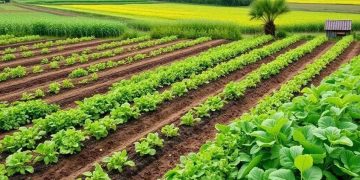
Organic soil fertility management: boost your garden
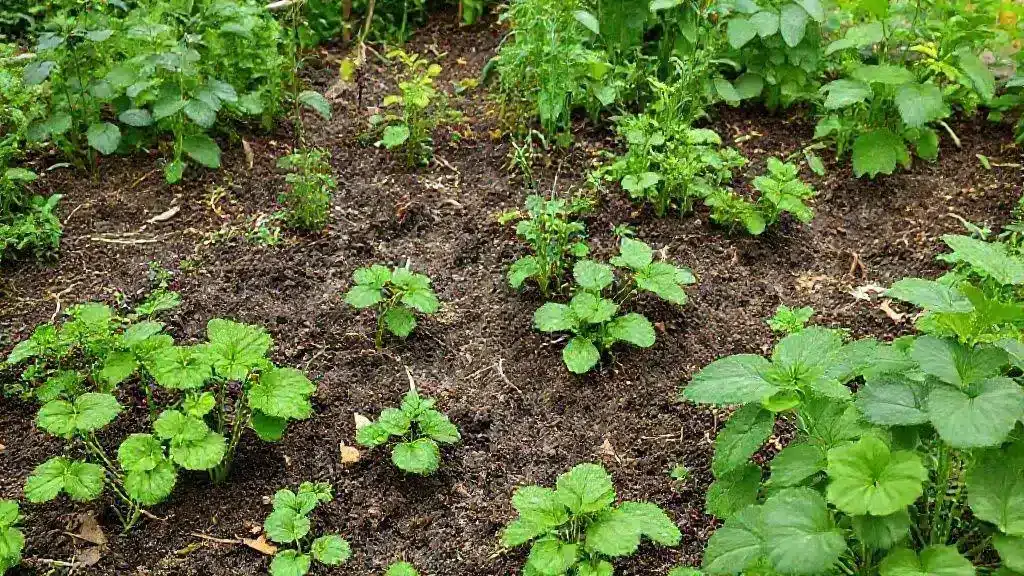
Organic soil fertility management enhances soil health through practices like adding organic matter, crop rotation, and using cover crops, which promote nutrient retention and sustainable gardening.
Discover how organic soil fertility management can transform your garden into a thriving ecosystem. Have you ever wondered why some gardens bloom while others struggle? Let’s dive into this essential practice that can redefine your gardening success.
Understanding organic soil fertility management
Understanding organic soil fertility management is essential for anyone looking to create a vibrant garden while supporting the environment. By focusing on natural amendments and practices, you can enhance soil health, boost plant growth, and promote sustainability.
What is Organic Soil Fertility?
At its core, organic soil fertility refers to the use of natural materials and techniques to improve soil quality. This involves the addition of organic matter, such as compost or manure, which enriches the soil with essential nutrients.
Benefits of Organic Fertility Management
There are numerous advantages to using organic soil fertility management. It helps to:
- Improve soil structure and aeration.
- Enhance moisture retention.
- Support beneficial microorganisms.
- Reduce reliance on chemical fertilizers.
Moreover, healthy soil fosters stronger plants, making them more resilient to pests and diseases. By adopting these practices, you not only cultivate a thriving garden but also contribute to a healthier ecosystem.
Key Practices in Organic Soil Fertility Management
There are several core practices that gardeners can implement to manage soil fertility organically. These include:
- Regularly adding compost to build nutrient-rich soil.
- Implementing crop rotation to prevent nutrient depletion.
- Using cover crops to enhance soil structure and fertility.
Each of these methods plays a crucial role in maintaining soil health over time. For instance, compost provides a wide range of nutrients that boost plant growth and improve overall soil quality.
Ultimately, organic soil fertility management is an ongoing process that rewards patience and dedication. By understanding the principles behind it, you can make informed choices that benefit both your garden and the planet.
Benefits of organic soil in gardening
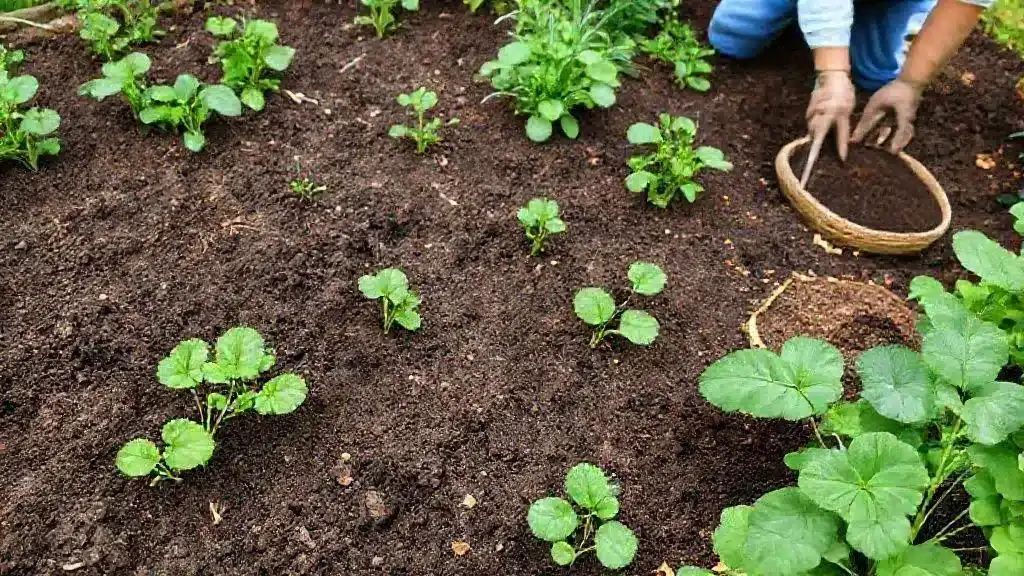
Using organic soil in gardening brings many amazing benefits that can improve the health of your plants and the environment. Organic soil enhances nutrient availability and supports a thriving ecosystem right in your garden.
Improved Soil Structure
One of the main benefits of organic soil is that it improves the overall soil structure. When you use organic materials like compost and mulch, you create a better balance of air and water in the soil. This makes it easier for roots to access nutrients and for beneficial organisms to thrive.
Enhanced Nutrient Availability
Organic soil is rich in nutrients that are essential for plant growth. These nutrients are released slowly, providing a steady supply for plants. Some of the key advantages include:
- Better absorption of essential minerals.
- Higher levels of nitrogen, phosphorus, and potassium.
- Increased organic matter which promotes microbial activity.
Healthy soil leads to healthier plants, which are able to resist pests and diseases more effectively. Moreover, organic soil aids in producing tastier and more nutritious fruits and vegetables.
Environmental Benefits
When you use organic soil, you are also benefiting the environment. Organic gardening practices reduce pollution by avoiding chemical fertilizers and pesticides. This means:
- Less chemical runoff into water sources.
- Protection of beneficial insects and wildlife.
- Improved carbon sequestration in the soil.
By improving soil health, you contribute to a sustainable gardening practice that supports biodiversity and overall ecosystem health.
In addition to these benefits, organic soil promotes root growth and increases moisture retention. This leads to stronger plants that can withstand drought conditions while requiring fewer resources.
Techniques to enhance soil fertility organically
Enhancing soil fertility organically is crucial for a thriving garden. There are several techniques that you can use to boost the nutrient levels and health of your soil. These methods are not only effective but also environmentally friendly.
Add Organic Matter
One of the best ways to improve soil fertility is by adding organic matter. This can be achieved through:
- Composting kitchen and garden waste.
- Using well-rotted manure from herbivores.
- Incorporating leaf litter or grass clippings.
Organic matter enriches the soil, improves its structure, and increases its water retention capabilities, fostering a better environment for plants.
Practice Crop Rotation
Another effective technique is practicing crop rotation. This involves changing the type of crops grown in a specific area each season. Rotating crops helps prevent the depletion of essential nutrients, as different plants require varying soil nutrients. Additionally, this practice can reduce pest infestations and diseases.
For example, after harvesting legumes, which improve nitrogen levels in the soil, you could plant leafy greens. This strategy allows the soil to replenish and remain fertile year-round.
Use Cover Crops
Planting cover crops during the off-season is an excellent way to enhance soil fertility. Cover crops like clover or vetch prevent soil erosion and suppress weeds while adding nutrients back into the soil, particularly nitrogen. When these plants decompose, they enrich the soil with organic matter.
These methods work together to create a robust, fertile soil environment. By enriching your soil organically, you not only support your plants but also contribute to a healthier ecosystem.
Incorporating these techniques into your gardening routine will ensure lasting soil health and productivity, making your garden more sustainable.
Common mistakes in soil management and how to avoid them
Avoiding common mistakes in soil management is essential for successful gardening. Many gardeners inadvertently harm their soil health by not recognizing these errors. By understanding these pitfalls, you can improve your gardening skills.
Overusing Chemical Fertilizers
One of the biggest mistakes is relying too heavily on chemical fertilizers. While they may provide quick results, they can harm the soil structure and reduce its natural fertility over time. Instead of using them continuously, consider organic options that build soil health, such as:
- Compost to add nutrients naturally.
- Mulching to retain moisture and suppress weeds.
- Utilizing organic matter to improve soil structure.
Switching to these alternatives can improve your soil’s fertility in a sustainable manner.
Neglecting Soil Testing
Another common mistake is failing to test your soil. Not knowing the nutrient levels or pH can lead to imbalances that harm your plants. Regular soil tests help you understand:
- Which nutrients are lacking.
- If the pH is suitable for your plants.
- The overall health of your soil ecosystem.
Conducting these tests ensures that you are applying the correct amendments where needed. It leads to more effective soil management.
Ignoring Crop Rotation
Many gardeners overlook the importance of crop rotation. Planting the same crops in the same area year after year depletes specific nutrients, resulting in poor soil health. To prevent this, rotate crops each season and introduce different types of plants. This practice promotes:
- Balanced nutrient use.
- Reduction of pests and diseases.
- Improved soil structure overall.
By rotating your crops, you allow the soil to recover and maintain its fertility.
Being aware of these common mistakes in soil management can greatly enhance the productivity and health of your garden. Successfully managing your soil requires attention and knowledge, leading to happier plants and a more bountiful harvest.
FAQ – Common Questions about Organic Soil Fertility Management
Why should I avoid using chemical fertilizers?
Chemical fertilizers can harm soil structure and decrease its natural fertility over time. It’s better to use organic alternatives that build soil health.
How often should I test my soil?
It’s recommended to test your soil at least once a year to understand its nutrient levels and pH, ensuring you apply the right amendments.
What are cover crops, and why should I use them?
Cover crops, like clover and vetch, protect the soil, improve fertility, and prevent erosion. They add nutrients back into the soil when they decompose.
How does crop rotation benefit my garden?
Crop rotation helps prevent nutrient depletion and reduces pests and diseases by alternating the types of crops grown, promoting overall soil health.