Organic Farm Transition: Boost Revenue 20% by 2029
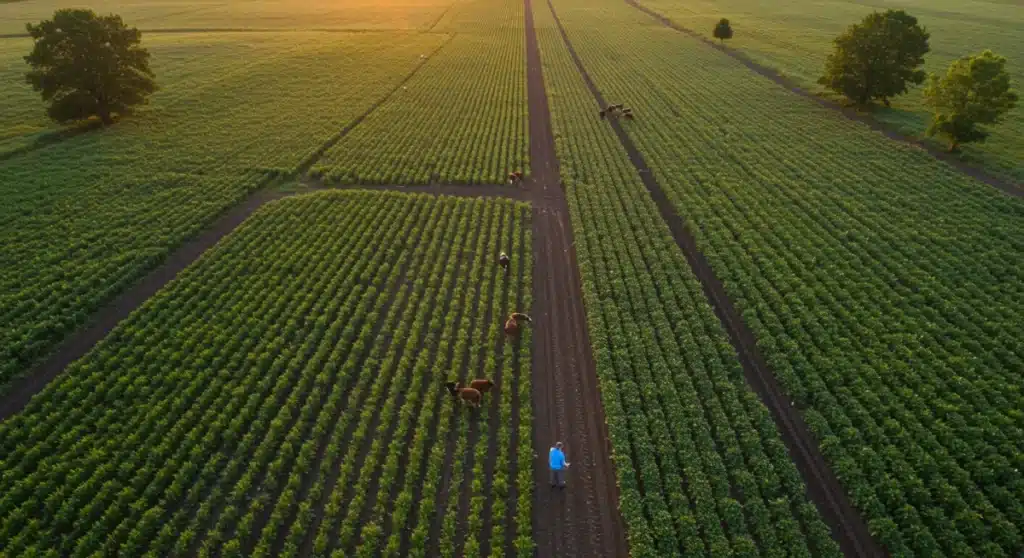
The agricultural landscape in the United States is constantly evolving, with a growing consumer demand for organic products driving significant shifts in farming practices. For many conventional farmers, the prospect of an organic farm transition can seem daunting, yet it holds immense potential for increased revenue, enhanced soil health, and long-term sustainability. This comprehensive guide outlines a strategic 3-year roadmap for US farms aiming to transition to organic practices, with a clear objective: to increase revenue by 20% by 2029. We will delve into the critical steps, challenges, and opportunities involved in making this vital shift, providing actionable insights for farmers ready to embrace the future of agriculture.
The Imperative of Organic Farm Transition: Why Now?
The market for organic food continues its robust growth trajectory. According to the Organic Trade Association, US organic sales reached a new high of $67.6 billion in 2022, demonstrating a consistent upward trend. This isn’t just a fleeting trend; it’s a fundamental shift in consumer preferences towards healthier, sustainably produced food. For farmers, this translates into premium prices for organic produce, livestock, and dairy, often commanding 20-50% higher prices than their conventional counterparts. Embarking on an organic farm transition isn’t just an ethical choice; it’s a smart business decision with tangible financial benefits.
Beyond the immediate financial gains, organic farming offers a myriad of environmental advantages. It prioritizes soil health through natural fertilizers, crop rotation, and cover cropping, leading to improved water retention, reduced erosion, and increased biodiversity. By eliminating synthetic pesticides and fertilizers, organic farms protect pollinators, wildlife, and water sources, contributing to a healthier ecosystem. These practices also build resilience against climate change impacts, making organic farms more sustainable in the long run. The journey of organic farm transition is therefore a holistic one, benefiting both the farm’s bottom line and the planet.
Year 1: Planning, Assessment, and Initial Steps Towards Organic Farm Transition
The first year of your organic farm transition is arguably the most critical, laying the groundwork for success. It involves thorough planning, meticulous assessment, and the initiation of key changes. This phase is about understanding the requirements, identifying potential challenges, and building a strong foundation.
1. Comprehensive Farm Assessment and Goal Setting
Before any major changes, conduct a detailed assessment of your current farm operations. This includes analyzing soil health, existing crop rotations, pest and disease management strategies, livestock practices (if applicable), and current input usage. Identify areas that align with organic principles and those that require significant modification. Set clear, measurable goals for your organic farm transition, not just for revenue increase but also for soil improvement, biodiversity, and operational efficiency. For example, aim to reduce synthetic fertilizer use by 50% in the first year or introduce two new cover crops.
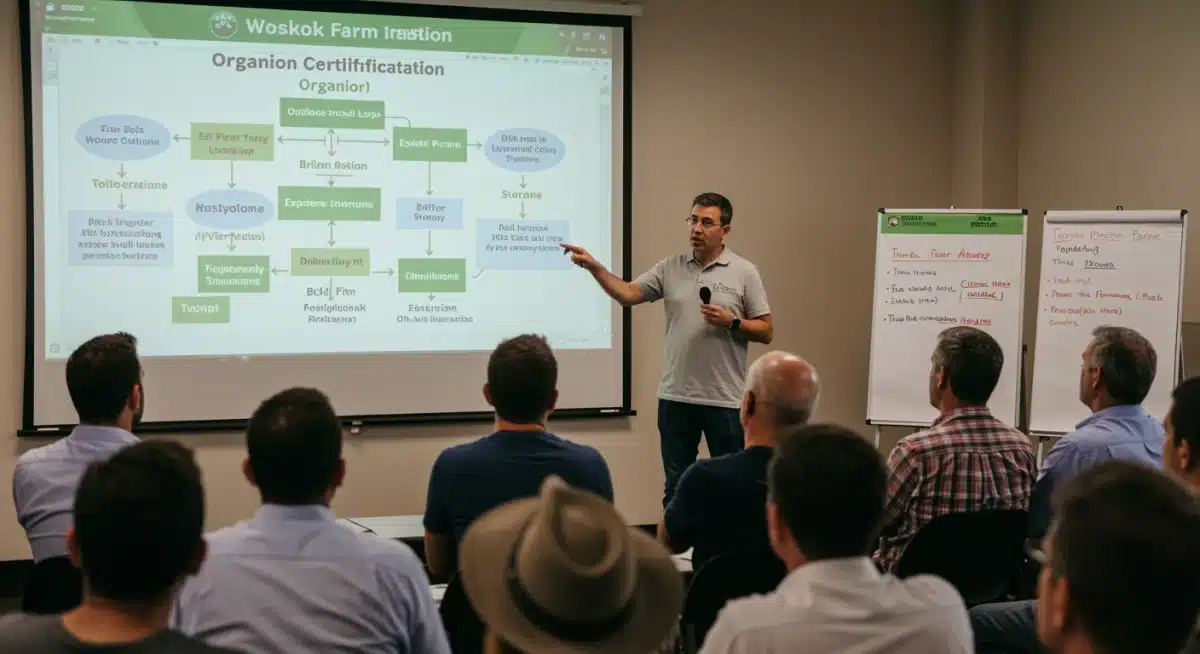
2. Understanding Organic Standards and Certification
The cornerstone of an organic farm transition is adherence to the USDA National Organic Program (NOP) standards. These standards dictate everything from soil management and pest control to livestock care and processing. Familiarize yourself with these regulations thoroughly. Contact an accredited organic certifying agent early in the process. They will be your guide through the certification journey. The transition period typically lasts three years, during which land must be managed organically, but crops cannot be sold as organic until certification is complete. Understanding this timeline is crucial for financial planning.
3. Soil Health Transformation: The Foundation of Organic Success
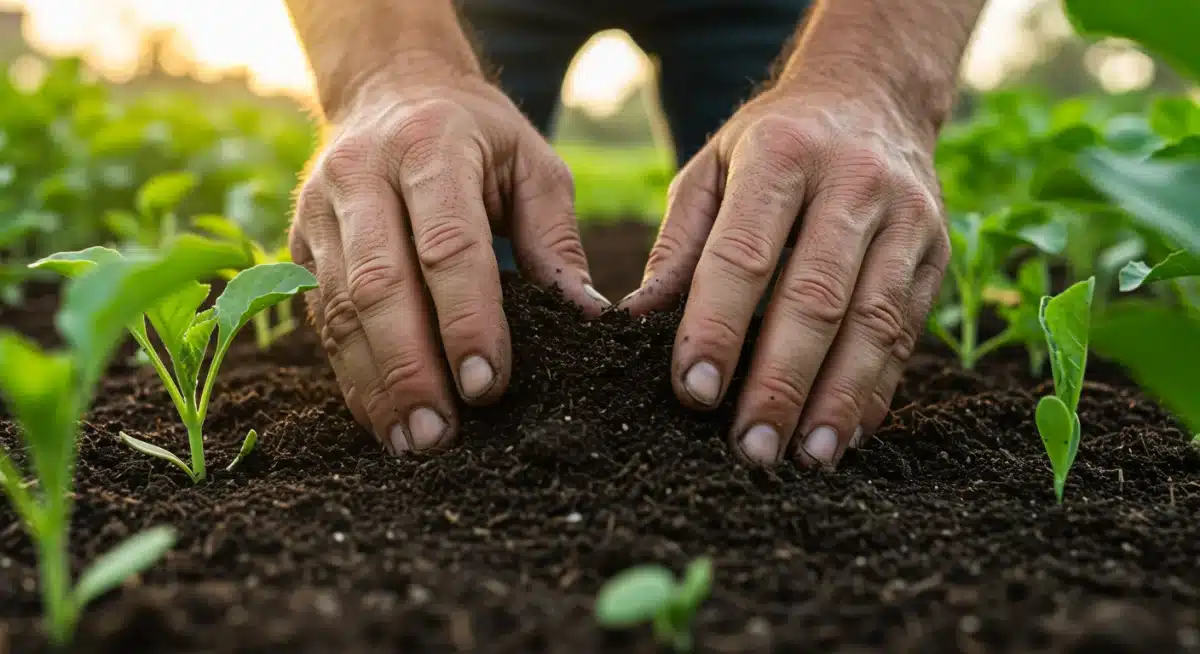
Organic farming begins with the soil. In year one, focus heavily on building soil organic matter and microbial life. This involves:
- Soil Testing: Conduct comprehensive soil tests to understand nutrient levels, pH, and organic matter content. This will inform your soil amendment strategy.
- Cover Cropping: Introduce diverse cover crops (legumes, grasses, brassicas) to improve soil structure, suppress weeds, fix nitrogen, and prevent erosion.
- Composting and Manure Management: Begin or enhance composting operations. If using animal manure, ensure it meets NOP standards (e.g., composting requirements, source).
- Transition to Organic Fertilizers: Gradually replace synthetic fertilizers with approved organic alternatives like compost, aged manure, bone meal, and rock phosphate.
4. Pest, Disease, and Weed Management Strategy Development
Organic pest, disease, and weed management relies on prevention and natural controls rather than synthetic inputs. In year one, start developing your integrated pest management (IPM) plan:
- Crop Rotation: Design diverse crop rotations that break pest and disease cycles.
- Beneficial Insects: Identify and encourage beneficial insect populations by planting hedgerows and flowering plants.
- Mechanical Weed Control: Investigate and implement mechanical weeding tools and techniques.
- Resistant Varieties: Research and select crop varieties naturally resistant to common pests and diseases.
5. Financial Planning and Grant Opportunities
An organic farm transition can involve upfront costs and a temporary dip in yields during the transition period. Develop a detailed financial plan. Explore federal and state grants and cost-share programs designed to support organic transitions, such as those offered by the USDA’s Natural Resources Conservation Service (NRCS) or the Farm Service Agency (FSA). These programs can significantly offset the financial burden.
Year 2: Implementation, Adaptation, and Market Development
Year two is about putting your plans into action, adapting to new challenges, and strategically preparing for market entry as an organic producer. This phase builds on the foundation laid in year one, refining practices and strengthening your farm’s organic identity.
1. Full Implementation of Organic Practices
By year two, your entire farm should be operating under organic management principles, even if not yet certified. This means consistent application of your soil health plan, pest management strategies, and exclusion of all prohibited substances. Maintain meticulous records of all inputs, activities, and observations – this is crucial for certification. Continue to monitor soil health and adjust your practices based on test results and crop performance. This consistent application of organic principles throughout the organic farm transition period is vital for successful certification.
2. Experimentation and Learning
Organic farming often requires a different mindset and skillset. Use year two to experiment with new techniques, such as different cover crop mixes, no-till organic methods, or specific biological pest controls. Attend workshops, field days, and network with experienced organic farmers. Learning from others’ successes and failures can significantly accelerate your own organic farm transition. Document your experiments and their outcomes to refine your future strategies.
3. Market Research and Relationship Building
While you can’t sell your products as ‘certified organic’ yet, year two is the time to start building relationships with potential buyers. Research local, regional, and national markets for organic produce. Identify wholesale buyers, farmers’ markets, CSAs (Community Supported Agriculture), and restaurants that value organic products. Understand their demand, pricing structures, and delivery requirements. Begin discussions with potential partners, letting them know about your impending organic certification. This proactive market development is key to maximizing revenue post-certification.
4. Addressing Challenges and Troubleshooting
Inevitably, you will encounter challenges during your organic farm transition. Weeds might be more persistent, or a new pest might emerge. Year two is about developing robust troubleshooting skills. Don’t be afraid to seek advice from your certifying agent, extension services, or fellow organic farmers. Adapt your strategies based on real-world observations. Flexibility and problem-solving are essential traits for a successful organic farmer.
5. Pre-Certification Inspection and Documentation Review
Towards the end of year two, or early in year three, your certifying agent will likely conduct a pre-certification inspection. Use this time to ensure all your records are in order, your farm plan is up-to-date, and your practices are fully compliant with NOP standards. This review is an excellent opportunity to catch any potential issues before the final certification audit, streamlining your organic farm transition process.
Year 3: Certification, Marketing, and Revenue Growth
Year three culminates in organic certification and the exciting opportunity to market your products at premium organic prices. This final year of the roadmap focuses on securing certification, effectively marketing your organic brand, and realizing the projected revenue increase.
1. Final Certification Audit and Approval
After the three-year transition period, your certifying agent will conduct a comprehensive on-site audit. They will review your records, inspect your fields, facilities, and livestock (if applicable), and verify that all NOP standards have been met consistently. Passing this audit leads to your official organic certification. This is a monumental achievement in your organic farm transition journey, opening doors to new markets and higher prices.
2. Strategic Organic Marketing and Branding
Once certified, it’s time to leverage your organic status. Develop a strong marketing strategy that highlights your farm’s commitment to organic principles, sustainability, and quality. Use the USDA Organic seal prominently on your products and marketing materials. Share your farm’s story – consumers are increasingly interested in knowing where their food comes from and the values behind its production. This narrative can be a powerful tool in your organic farm transition to attract loyal customers.
- Direct-to-Consumer: Expand your presence at farmers’ markets, establish a CSA, or launch an online farm store.
- Wholesale Accounts: Solidify relationships with grocery stores, co-ops, and distributors interested in certified organic products.
- Farm-to-Table: Partner with local restaurants and chefs who prioritize organic ingredients.
- Digital Presence: Create a professional website and use social media to engage with customers and promote your organic offerings.
3. Optimizing Yields and Efficiency in Organic Systems
With certification secured, continue to refine your organic farming practices to optimize yields and operational efficiency. Organic farming is a continuous learning process. Analyze your crop performance, soil health metrics, and financial data to identify areas for improvement. Explore advanced organic techniques, such as biodynamic farming or permaculture principles, to further enhance your farm’s productivity and resilience. The goal is not just to be organic, but to be a highly productive and profitable organic farm.
4. Monitoring Revenue Growth and Adjusting Strategies
Begin tracking your revenue meticulously, comparing it to your pre-transition figures and your 20% growth target. Analyze which organic products are performing best and where you can expand. Are your direct-to-consumer sales strong, or is wholesale proving more lucrative? Use this data to adjust your planting schedules, marketing efforts, and sales channels. The organic farm transition should lead to demonstrable financial success, and continuous monitoring ensures you stay on track.
5. Continuous Improvement and Long-Term Sustainability
Organic certification is not a one-time event; it requires annual inspections and a commitment to continuous improvement. Stay abreast of changes in organic regulations and best practices. Continue to invest in soil health, biodiversity, and sustainable resource management. The long-term success of your organic farm transition hinges on your dedication to these principles, ensuring your farm remains productive, profitable, and environmentally responsible for generations to come.
Challenges and Mitigation Strategies During Organic Farm Transition
While the benefits of an organic farm transition are substantial, it’s important to acknowledge and prepare for potential challenges:
1. Yield Fluctuations During Transition
Challenge: Initial yield dips are common as the soil ecosystem adjusts and you learn new pest/weed management techniques.
Mitigation: Diversify crops, plant cover crops strategically, and focus on building soil health from day one. Financial planning should account for potential lower yields in the first 1-2 years. Explore crop insurance options tailored for organic farms.
2. Increased Labor Requirements
Challenge: Organic farming often requires more labor for weeding, pest scouting, and certain mechanical operations.
Mitigation: Invest in appropriate organic farming equipment (e.g., cultivators, flame weeders). Streamline operations and consider hiring additional seasonal labor. Participate in farmer networks to share labor-saving tips and best practices.
3. Accessing Organic Inputs
Challenge: Sourcing approved organic seeds, fertilizers, and pest control products can sometimes be challenging or more expensive.
Mitigation: Plan well in advance for input needs. Build relationships with organic suppliers. Consider producing some of your own inputs, such as compost. Look into bulk purchasing agreements with other organic farms.
4. Learning Curve for New Practices
Challenge: Shifting from conventional to organic methods requires learning new skills and a different approach to farm management.
Mitigation: Actively seek education through workshops, online courses, and mentorship from experienced organic farmers. Join organic farming associations and utilize extension services. Be patient with yourself and view mistakes as learning opportunities.
5. Financial Constraints
Challenge: Upfront costs for new equipment, certification fees, and potential yield reductions can strain finances.
Mitigation: Thorough financial planning is essential. Apply for USDA grants (e.g., EQIP, CSP) and state programs supporting organic transitions. Explore organic transition loans or lines of credit. Gradually phase in changes if a full-scale transition is too costly initially.
The Long-Term Vision: Beyond 20% Revenue Growth
Achieving a 20% revenue increase by 2029 through an organic farm transition is an ambitious but attainable goal. However, the benefits extend far beyond financial metrics. Organic farming fosters a deeper connection to the land, promotes ecological balance, and contributes to a healthier food system. As your farm matures in its organic journey, you’ll likely discover even greater efficiencies, stronger market positioning, and a more resilient agricultural enterprise.
Moreover, the organic certification process encourages meticulous record-keeping and a systematic approach to farming, which can translate into better overall management for any agricultural operation. The principles of soil health, biodiversity, and sustainable resource use are becoming increasingly critical for all farms, regardless of certification status, as the world grapples with climate change and resource depletion. Therefore, an organic farm transition not only offers a path to increased profitability but also positions your farm as a leader in sustainable agriculture.
Consider the potential for diversification within your organic operation. Once certified, you might explore adding value-added products (e.g., organic jams, sauces, processed meats), agritourism opportunities (farm tours, workshops), or direct sales through CSAs and farmers’ markets. These avenues can further boost revenue and create multiple income streams, solidifying the financial stability gained from your organic farm transition.
The roadmap presented here is a guide, but every farm is unique. Tailor these steps to your specific context, resources, and goals. Engage with your community, collaborate with other farmers, and continuously seek knowledge. The journey of organic farm transition is a transformative one, promising not only financial rewards but also a profound sense of purpose and contribution to a better world.
Conclusion: A Profitable and Sustainable Future
The decision to undertake an organic farm transition is a significant one, but the rewards are compelling. With careful planning, diligent implementation, and a commitment to organic principles, US farms can successfully navigate the three-year transition period, achieve organic certification, and unlock substantial revenue growth. The projected 20% revenue increase by 2029 is a realistic target, driven by strong consumer demand and the premium prices associated with organic products.
This roadmap provides a structured approach to help farmers make this transition smoothly and effectively. From initial assessment and soil health improvement in year one, through full implementation and market development in year two, to final certification and strategic marketing in year three, each stage is crucial for success. While challenges will arise, proactive planning and a willingness to adapt will ensure a smooth journey.
Embracing an organic farm transition is more than just a change in farming methods; it’s an investment in the long-term health of your land, your community, and your financial future. By adopting sustainable practices, you not only meet the growing demand for organic food but also contribute to a more resilient and environmentally friendly agricultural system. The time is ripe for US farms to seize this opportunity and cultivate a prosperous, organic future.