IPM: Cut Pesticide Costs by 25% for US Farmers This Year
Integrated Pest Management (IPM) offers US farmers a powerful approach to significantly reduce pesticide costs by 25% and enhance crop yields this year, fostering both economic viability and environmental stewardship through strategic pest control.
For US farmers facing rising input costs and environmental pressures, adopting Integrated Pest Management (IPM) presents a critical opportunity to achieve substantial financial and agricultural benefits. This comprehensive strategy can realistically lead to a 25% reduction in pesticide costs while simultaneously boosting crop yields, ensuring a more sustainable and profitable future for farming operations across the nation.
Understanding Integrated Pest Management (IPM) Principles
Integrated Pest Management (IPM) is not merely a set of tactics; it is a holistic, science-based decision-making process that guides pest control. It emphasizes long-term prevention of pests or their damage through a combination of techniques such as biological control, habitat manipulation, modification of cultural practices, and the use of resistant varieties. Pesticides are used only after monitoring indicates they are needed according to established guidelines, and treatments are made with the goal of removing only the target organism.
The core philosophy of IPM revolves around understanding the pest, its life cycle, and its interaction with the environment and the crop. This knowledge allows farmers to implement control measures that are effective, environmentally sensitive, and economically sound. It’s about being proactive rather than reactive, predicting potential pest issues and addressing them before they become widespread problems.
Key Components of a Successful IPM Program
- Pest Identification: Accurate identification of pests and beneficial organisms is fundamental. Knowing your enemy (and your allies) allows for targeted and effective control.
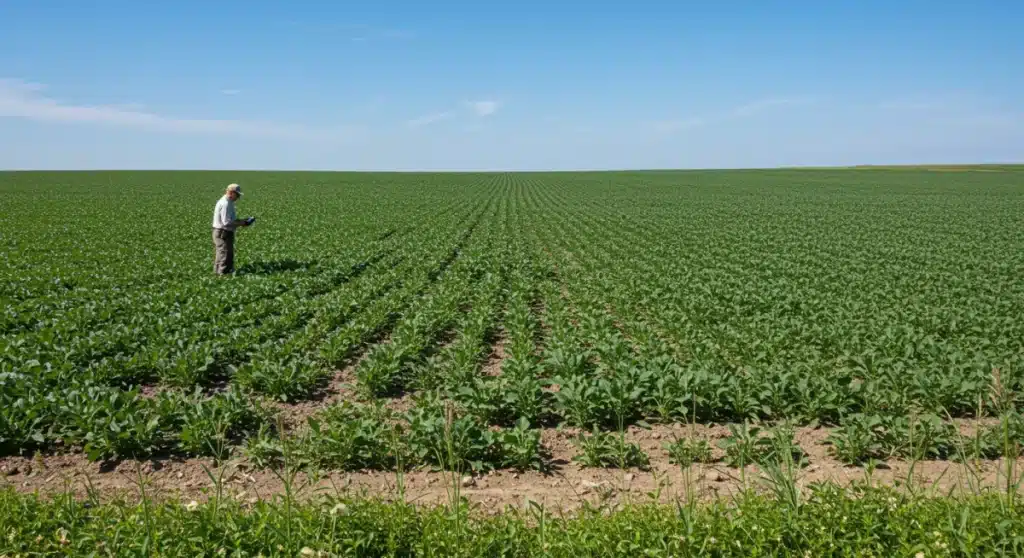
- Monitoring and Scouting: Regular field scouting and pest monitoring are crucial to determine pest populations, their developmental stages, and the extent of crop damage. This data informs decision-making.
- Action Thresholds: These are defined levels of pest populations or damage that indicate when pest control action is necessary to prevent unacceptable economic damage. IPM avoids prophylactic treatments.
- Prevention and Cultural Practices: This includes crop rotation, sanitation, resistant varieties, and proper irrigation and fertilization, all designed to make the environment less favorable for pests.
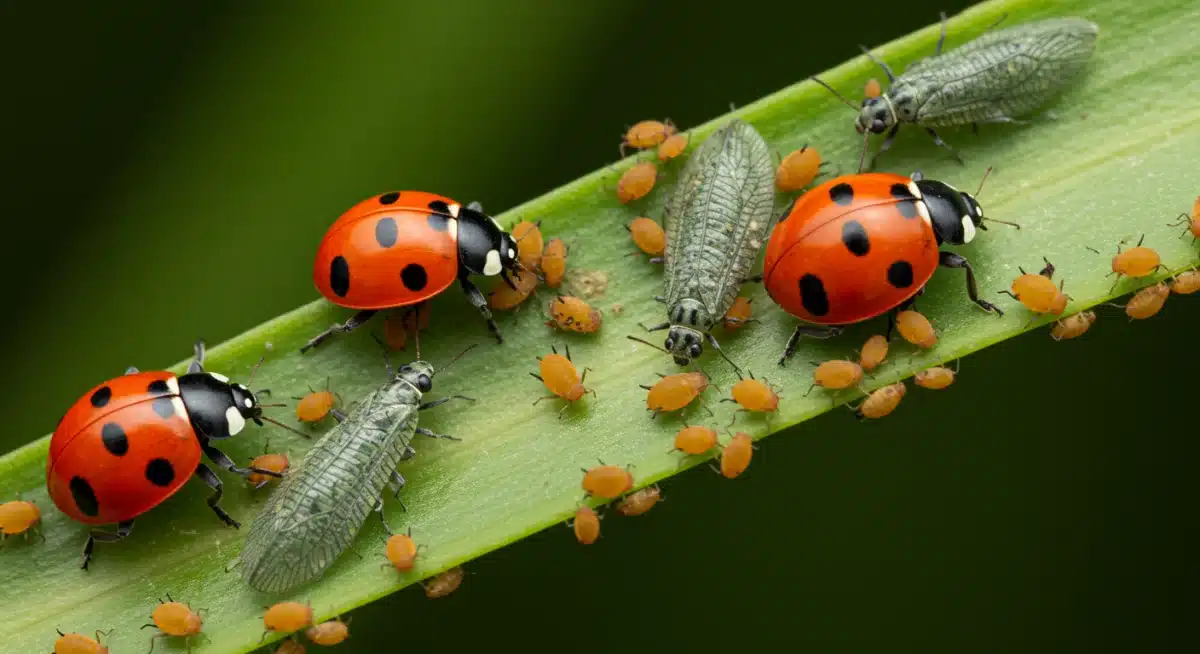
- Control Methods: A range of options from biological controls (beneficial insects), physical controls (traps, barriers), to chemical controls (pesticides, used judiciously and as a last resort).
Implementing these components allows farmers to move away from calendar-based spraying to a more intelligent, data-driven approach. This not only reduces pesticide use but also protects beneficial insects and pollinators, contributing to healthier ecosystems and more resilient farming systems.
Economic Benefits: Reducing Pesticide Costs by 25%
The promise of a 25% reduction in pesticide costs is a significant draw for US farmers considering IPM, directly impacting their bottom line. This saving is achieved through several mechanisms inherent in the IPM approach, moving away from routine, broad-spectrum applications to more precise and need-based interventions.
By accurately identifying pests and monitoring their populations, farmers can avoid unnecessary sprays. Many traditional pest control methods involve scheduled applications, often leading to treatments when pest populations are below economically damaging levels. IPM intervenes only when action thresholds are met, preventing wasteful spending on pesticides that aren’t truly needed.
Strategic Pesticide Selection and Application
IPM encourages the use of highly specific pesticides that target only the problematic pest, rather than broad-spectrum chemicals that can harm beneficial insects and lead to secondary pest outbreaks. This precision reduces the overall volume of pesticide applied and minimizes the risk of resistance development, ensuring the efficacy of available products for longer.
Furthermore, the integration of non-chemical controls like biological agents, cultural practices, and resistant crop varieties lessens the reliance on chemical inputs. Each successful non-chemical intervention means one less pesticide application, directly contributing to cost savings. This layered approach creates a more robust defense against pests, making the farm less susceptible to large-scale infestations.
The economic advantage extends beyond just the cost of the chemical. Reduced pesticide use also means less labor for application, lower fuel consumption for spray equipment, and decreased wear and tear on machinery. These cumulative savings contribute substantially to the 25% target, making IPM an economically sound investment for any farming operation.
Boosting Crop Yields Through Healthier Ecosystems
While cost reduction is a major driver, IPM’s ability to boost crop yields is equally compelling. This yield increase isn’t just about controlling pests; it’s about fostering a healthier, more resilient agricultural ecosystem that supports optimal plant growth and productivity. When beneficial insects thrive, they provide natural pest control, reducing pressure on crops.
Traditional, broad-spectrum pesticide use can inadvertently eliminate natural enemies of pests, leading to secondary pest outbreaks or resurgence of the primary pest. IPM, by preserving these natural enemies, establishes a biological balance in the field. This balance means pests are kept in check by nature itself, allowing crops to grow without constant stress from uncontrolled populations.
Minimizing Plant Stress and Promoting Vigor
- Reduced Chemical Exposure: Less frequent and more targeted pesticide applications mean plants are exposed to fewer harsh chemicals. This reduces phytotoxicity and allows plants to allocate more energy to growth and fruit development rather than recovering from chemical stress.
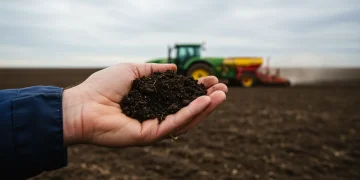
- Improved Soil Health: IPM often incorporates practices that enhance soil health, such as crop rotation and cover cropping. Healthy soil supports robust root systems, better nutrient uptake, and increased resistance to disease and stress, all of which contribute to higher yields.
- Pollinator Protection: By minimizing pesticide use and choosing safer alternatives, IPM protects critical pollinators like bees and other beneficial insects. Healthy pollinator populations are essential for the successful reproduction of many crops, directly impacting fruit and seed set.
The cumulative effect of these factors is a more vigorous, productive crop. Farmers implementing IPM often report not only a reduction in pest-related yield losses but also an overall improvement in crop quality and consistency. This holistic improvement in plant health and ecosystem function directly translates into higher yields and better market value for their produce.
Implementing IPM: Practical Steps for US Farmers
Adopting an IPM program requires a systematic approach and a willingness to integrate new practices. For US farmers, the journey begins with education and a commitment to understanding the specific pest pressures and ecological dynamics of their farm. It’s an ongoing process of learning, adaptation, and continuous improvement.
The first practical step is to conduct a thorough assessment of current pest problems, common pests, and existing control methods. This baseline understanding is crucial for identifying areas where IPM can make the biggest impact. Collaborating with local extension services, university researchers, and IPM specialists can provide invaluable guidance and resources tailored to specific regions and crops.
Developing a Farm-Specific IPM Plan
A successful IPM plan is rarely a one-size-fits-all solution; it must be customized. This involves setting up a robust monitoring system, which could include pheromone traps, sticky cards, or regular field scouting. Training farm staff to accurately identify pests and beneficial insects is critical for effective data collection. Establishing clear action thresholds based on local research and economic viability will guide intervention decisions.
Integrating cultural practices is another cornerstone. This might mean adjusting planting dates to avoid peak pest activity, selecting pest-resistant crop varieties, or optimizing irrigation and fertilization to minimize plant stress. Crop rotation and diversifying crops can also break pest cycles and reduce overall pest pressure. Physical controls, such as netting or row covers, can offer protection for high-value crops.
When chemical intervention becomes necessary, the focus shifts to using the least toxic, most targeted options available. This often involves spot treatments rather than broadcast applications, and choosing products that have minimal impact on beneficial insects. Continuous evaluation and record-keeping are essential to track the effectiveness of IPM strategies and make informed adjustments for future seasons.
Leveraging Technology for Enhanced IPM Effectiveness
Modern technology plays an increasingly vital role in making Integrated Pest Management more efficient, precise, and accessible for US farmers. From advanced scouting tools to data analytics, technology can significantly enhance a farmer’s ability to monitor, predict, and respond to pest challenges, further solidifying the economic and environmental benefits of IPM.
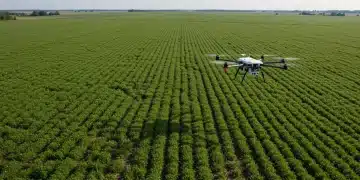
Precision agriculture technologies, such as drones and satellite imagery, allow for large-scale, high-resolution monitoring of fields. These tools can identify stress patterns in crops that might indicate pest infestations, often before they are visible to the naked eye. This early detection enables farmers to intervene sooner and more precisely, limiting the spread of pests and reducing the need for broad applications.
Digital Tools and Data-Driven Decisions
- Remote Sensing and AI: Drones equipped with multispectral cameras can detect subtle changes in plant health, while AI algorithms can analyze these images to identify specific pest or disease outbreaks, providing actionable insights for targeted interventions.
- Weather Stations and Predictive Models: On-farm weather stations provide localized data crucial for predicting pest life cycles and disease development. Predictive models, often integrated into farm management software, can then forecast pest pressure, allowing for proactive rather than reactive management.
- IoT Sensors: Internet of Things (IoT) devices can monitor soil moisture, temperature, and even insect activity in real-time, feeding data back to a central system. This continuous stream of information helps farmers make timely and precise decisions about irrigation, fertilization, and pest control.
- Farm Management Software: These platforms integrate data from various sources—scouting reports, sensor data, weather forecasts—to provide a comprehensive overview of farm conditions. They can help farmers track pest populations, manage treatment records, and evaluate the effectiveness of different IPM strategies.
By embracing these technological advancements, farmers can move towards a truly data-driven IPM approach. This not only optimizes resource use and reduces environmental impact but also empowers farmers with the knowledge to make smarter, more profitable decisions, further contributing to the projected 25% cost reduction and yield increase.
Overcoming Challenges and Ensuring Long-Term Success
While the benefits of Integrated Pest Management are clear, successful implementation isn’t without its challenges. US farmers may face initial hurdles such as the learning curve associated with new practices, the upfront investment in monitoring equipment, or the psychological shift from routine spraying to a more nuanced approach. However, addressing these challenges is key to realizing the long-term economic and environmental gains.
One common challenge is the perceived complexity of IPM. Farmers are often accustomed to simple, calendar-based pesticide applications. Shifting to a system that requires regular scouting, pest identification, and threshold-based decision-making demands time and training. Education and ongoing support from agricultural extension services, farmer cooperatives, and private consultants are vital in overcoming this hurdle, providing the necessary knowledge and confidence.
Strategies for Sustainable IPM Adoption
Financial support and incentives can also play a crucial role. Government programs, grants, and cost-sharing initiatives can help offset the initial investment in IPM tools and training. Demonstrating the tangible economic benefits through case studies and farmer testimonials can further encourage adoption within the agricultural community. Building a strong network of IPM practitioners allows for shared learning and problem-solving.
Another aspect is adapting IPM strategies to local conditions. What works in one region or for one crop may not be suitable for another. Continuous research and development, particularly on pest resistance management and the introduction of new biological control agents, are essential. Farmers must remain flexible and willing to adapt their plans based on observed results and evolving pest pressures.
Ultimately, long-term success in IPM hinges on a commitment to continuous learning and adaptation. It’s about building a resilient agricultural system that can withstand pest challenges while minimizing reliance on external inputs. By proactively addressing challenges and leveraging available support, US farmers can ensure their IPM programs deliver sustained economic benefits and environmental stewardship for years to come.
Case Studies: Real-World IPM Success Stories
Examining real-world examples helps illustrate the tangible benefits of Integrated Pest Management for US farmers. These success stories demonstrate how IPM principles, when diligently applied, lead to significant reductions in pesticide use and notable improvements in yield and profitability across various crops and regions. These aren’t isolated incidents but rather representative of a growing trend.
In California, almond growers have successfully implemented IPM by focusing on mating disruption for navel orangeworm, a significant pest. By deploying pheromone dispensers, they confuse male moths, preventing reproduction and dramatically reducing pest populations. This strategy has allowed many growers to reduce insecticide applications by 30-50%, leading to substantial cost savings and healthier orchards with improved nut quality.
Diverse Applications Across US Agriculture
- Midwestern Corn and Soybean Farms: Farmers in the Corn Belt have adopted IPM by using resistant varieties, careful scouting for corn rootworm and soybean aphid, and applying insecticides only when thresholds are met. This has minimized expenses on prophylactic treatments and preserved beneficial insects that naturally suppress pests, contributing to stable or increased yields.
- Florida Citrus Groves: Facing challenges from citrus greening disease and various insect pests, Florida citrus growers have integrated biological controls, such as releasing parasitic wasps, with targeted insecticide applications. This holistic approach helps manage pest populations more effectively, reducing reliance on broad-spectrum chemicals and supporting the long-term health of their groves.
- Pacific Northwest Potato Production: Potato growers are utilizing IPM to manage pests like the Colorado potato beetle. Strategies include crop rotation, planting trap crops, and applying biological insecticides. This integrated approach has led to fewer chemical sprays, reduced resistance development, and healthier soil, contributing to high-quality potato harvests.
These diverse examples underscore that IPM is not limited to a specific crop or region but is a versatile framework adaptable to various agricultural systems. The consistent outcome is a more cost-effective and environmentally friendly pest management system that ultimately enhances agricultural productivity and sustainability for US farmers.
| Key IPM Component | Benefit to Farmers |
|---|---|
| Pest Monitoring & Thresholds | Prevents unnecessary pesticide applications, reducing costs significantly. |
| Biological Controls | Utilizes natural enemies to suppress pests, decreasing chemical reliance and fostering healthier ecosystems. |
| Cultural Practices | Enhances crop resilience and reduces pest attractiveness through methods like crop rotation and resistant varieties. |
| Technology Integration | Enables precise, data-driven decisions, optimizing interventions and resource allocation for maximum effectiveness. |
Frequently asked questions about IPM
The primary goal of IPM is to manage pest damage by the most economical means, and with the least possible hazard to people, property, and the environment. It combines various control tactics, prioritizing prevention and non-chemical methods over broad-spectrum pesticide use, ensuring long-term sustainability.
IPM reduces pesticide costs by emphasizing monitoring and action thresholds, meaning chemicals are applied only when necessary and justified by pest levels. It also promotes the use of targeted products and non-chemical controls, decreasing the overall volume and frequency of pesticide applications, leading to significant savings.
No, IPM does not necessarily mean avoiding pesticides entirely. Instead, it advocates for their judicious and strategic use as a last resort, after other preventative and non-chemical methods have been considered or implemented. When pesticides are used, IPM prioritizes selective, less toxic options to minimize environmental impact.
Beneficial insects are crucial in IPM as natural enemies of pests. They help control pest populations through predation or parasitism, reducing the need for chemical interventions. IPM strategies often focus on conserving and enhancing these beneficial populations, fostering a natural balance within the agricultural ecosystem.
Yes, IPM principles are highly adaptable and can be tailored to virtually all types of crops and farming systems, from large-scale row crops to specialty vegetables and orchards. The specific tactics may vary, but the underlying methodology of informed decision-making and integrated control remains universally applicable across agriculture.
Conclusion
The imperative for US farmers to embrace Integrated Pest Management has never been clearer. As demonstrated, IPM offers a robust framework for not only significantly reducing pesticide costs by 25% but also for actively boosting crop yields. By fostering healthier ecosystems, minimizing plant stress, and leveraging modern technology, IPM transforms pest control from a reactive expense into a strategic investment for long-term farm viability and environmental stewardship. It’s a pragmatic, scientifically sound approach that promises a more sustainable and profitable future for American agriculture, empowering farmers to make informed decisions that benefit both their bottom line and the planet.