IPM in 2026: 25% Pesticide Cost Reduction with Biocontrols
Integrated Pest Management (IPM) in 2026, utilizing sophisticated biological controls, is projected to enable a 25% reduction in pesticide costs, enhancing both environmental sustainability and farm profitability.
As we navigate the evolving landscape of agriculture, the imperative to adopt sustainable and cost-effective practices becomes ever clearer. Integrated Pest Management (IPM) in 2026: Reducing Pesticide Costs by 25% with Biological Controls stands out as a pivotal strategy, promising not only environmental stewardship but also significant economic advantages for farmers across the United States. This approach moves beyond traditional chemical reliance, embracing a holistic view of pest control that integrates cutting-edge biological solutions and smart technologies.
The Evolution of IPM: Beyond Traditional Pesticides in 2026
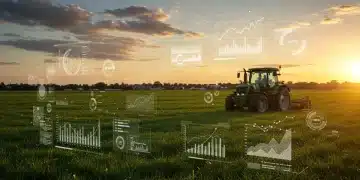
Integrated Pest Management (IPM) has long been recognized as a cornerstone of sustainable agriculture, but its evolution by 2026 has transformed it into a sophisticated, data-driven system. Farmers are no longer simply reacting to pest outbreaks; instead, they are proactively managing their ecosystems to prevent significant infestations. This shift is driven by advancements in biological controls, precision agriculture, and real-time monitoring, creating a more resilient and less chemically dependent farming model.
The traditional reliance on broad-spectrum pesticides often led to unintended consequences, including harm to beneficial insects, pesticide resistance, and environmental contamination. In 2026, IPM represents a paradigm shift, prioritizing ecological balance and long-term sustainability. This advanced approach integrates multiple tactics, from cultural practices and host plant resistance to the strategic deployment of natural enemies and biopesticides. The goal is to minimize economic damage from pests while significantly reducing the ecological footprint of agricultural operations, specifically targeting a 25% reduction in pesticide costs through biological controls.
Advanced Monitoring and Predictive Analytics
The backbone of modern IPM is sophisticated monitoring. By 2026, farmers have access to an array of tools that provide unprecedented insights into pest populations and environmental conditions. This includes:
- Drone-based imaging: High-resolution cameras on drones detect early signs of stress or pest presence across large fields.
- IoT sensors: Networks of sensors gather real-time data on temperature, humidity, and soil conditions, influencing pest development.
- AI-driven predictive models: Algorithms analyze historical data and current conditions to forecast pest outbreaks, allowing for timely intervention.
These technologies enable precise, localized interventions, moving away from blanket applications of pesticides. Farmers can pinpoint exactly where and when action is needed, conserving resources and minimizing environmental impact. This precision is crucial for achieving cost reductions, as resources are allocated more efficiently.
The Rise of Biological Controls
Biological controls are at the heart of IPM’s success in reducing pesticide costs. These methods harness natural enemies—predators, parasites, and pathogens—to keep pest populations in check. In 2026, the efficacy and availability of biological control agents have vastly improved, making them a viable and often superior alternative to synthetic chemicals.
The strategic release of beneficial insects, such as ladybugs for aphid control or parasitic wasps for caterpillar management, is now a routine practice. Furthermore, the development of highly specific biopesticides, derived from natural sources like bacteria or fungi, offers targeted control without harming non-target organisms. These innovations are not only effective but also align with consumer demand for sustainably produced food, adding market value to IPM-adopted crops. The integration of these biological tools is a primary driver behind the projected 25% reduction in pesticide expenditures, offering a sustainable path forward for agriculture.
Economic Benefits: How Biological Controls Drive Cost Savings
The financial advantages of adopting Integrated Pest Management (IPM) with a strong emphasis on biological controls are becoming increasingly evident in 2026. Farmers are discovering that while the initial investment in monitoring technology or beneficial insect releases might seem significant, the long-term savings on pesticide purchases and application costs are substantial. This shift is not merely about environmental responsibility; it’s a strategic business decision that enhances profitability and farm resilience.
Reducing reliance on synthetic pesticides directly translates into lower input costs. Pesticides are a major expense for many agricultural operations, and their prices can be volatile. By substituting these with biological agents, farmers gain more predictable and often lower long-term costs. Moreover, the environmental and health benefits associated with reduced chemical use can lead to higher market value for crops, as consumers increasingly seek sustainably produced food. This dual benefit of cost reduction and value enhancement makes IPM an attractive proposition for modern agriculture.
Reduced Chemical Purchases and Application Expenses
One of the most direct ways biological controls contribute to cost savings is by minimizing the need for conventional pesticides. This includes both the purchase price of the chemicals and the operational costs associated with their application. Fewer spray applications mean less fuel, lower labor costs, and reduced wear and tear on specialized equipment.
- Lower material costs: Biological control agents often have a lower per-application cost than synthetic pesticides, especially when considering their long-term efficacy.
- Decreased labor and fuel: Fewer spraying events reduce the need for field labor and the fuel consumption of machinery.
- Extended equipment lifespan: Less exposure to harsh chemicals can prolong the life of sprayers and other application equipment.
These savings are not trivial and accumulate significantly over a growing season and across multiple years. The 25% pesticide cost reduction target is largely achievable through this direct substitution and operational efficiency.
Mitigating Pesticide Resistance and Crop Damage
Another crucial economic benefit of IPM, particularly with biological controls, is the reduction in pesticide resistance. Over-reliance on a single class of pesticides often leads to pests developing resistance, rendering those chemicals ineffective and forcing farmers to seek more expensive or potent alternatives. Biological controls, with their diverse modes of action, are far less likely to induce resistance, ensuring long-term efficacy.
Furthermore, IPM strategies are designed to maintain pest populations below economically damaging thresholds, rather than aiming for complete eradication. This approach prevents severe crop losses that can result from uncontrolled outbreaks or from the adverse effects of improper chemical application. By maintaining a healthy ecosystem balance, IPM minimizes crop damage, safeguarding yields and revenue. This proactive management reduces the risk of costly crises and ensures a more stable and profitable agricultural enterprise.
Implementing Advanced Biological Controls: Strategies for 2026
The successful implementation of advanced biological controls within an Integrated Pest Management (IPM) framework in 2026 requires a strategic and informed approach. It’s not just about releasing beneficial insects; it involves a comprehensive understanding of agroecosystems, careful planning, and the integration of cutting-edge technologies. Farmers aiming to achieve the 25% pesticide cost reduction need to adopt specific methodologies that maximize the efficacy of biological agents while minimizing risks.
The key to successful biological control lies in creating an environment where beneficial organisms can thrive and effectively manage pest populations. This includes selecting the right biological agents for specific pests and crops, optimizing release timings, and ensuring habitat diversity. Furthermore, integrating these biological strategies with other IPM components, such as cultural practices and resistant varieties, creates a robust and sustainable pest management system. The goal is to build a resilient agricultural system that naturally suppresses pests, reducing the need for costly chemical interventions.
Selecting the Right Biocontrol Agents
Choosing the appropriate biological control agents is critical for success. This involves a thorough understanding of the target pest’s life cycle, its natural enemies, and the specific environmental conditions of the farm. By 2026, advanced diagnostic tools and expert systems assist farmers in making these complex decisions.
- Host-specific predators/parasites: Utilizing natural enemies that specifically target the pest without harming beneficial insects or crops.
- Biopesticides: Applying microbial or biochemical pesticides that are highly specific to the target pest.
- Native vs. introduced species: Prioritizing native beneficial insects when possible, or carefully introducing non-native species after rigorous evaluation.
Consulting with entomologists and agricultural extension services is essential to identify the most effective and appropriate biocontrol solutions for a given pest problem. This careful selection ensures that resources are invested wisely and that the biological control program yields the desired results.
Optimizing Release and Habitat Management
The timing and method of releasing biological control agents significantly impact their effectiveness. Precision agriculture technologies play a vital role in optimizing these aspects, ensuring that beneficials are introduced when and where they can have the greatest impact. Habitat management is equally important, providing the necessary resources for these agents to establish and reproduce.
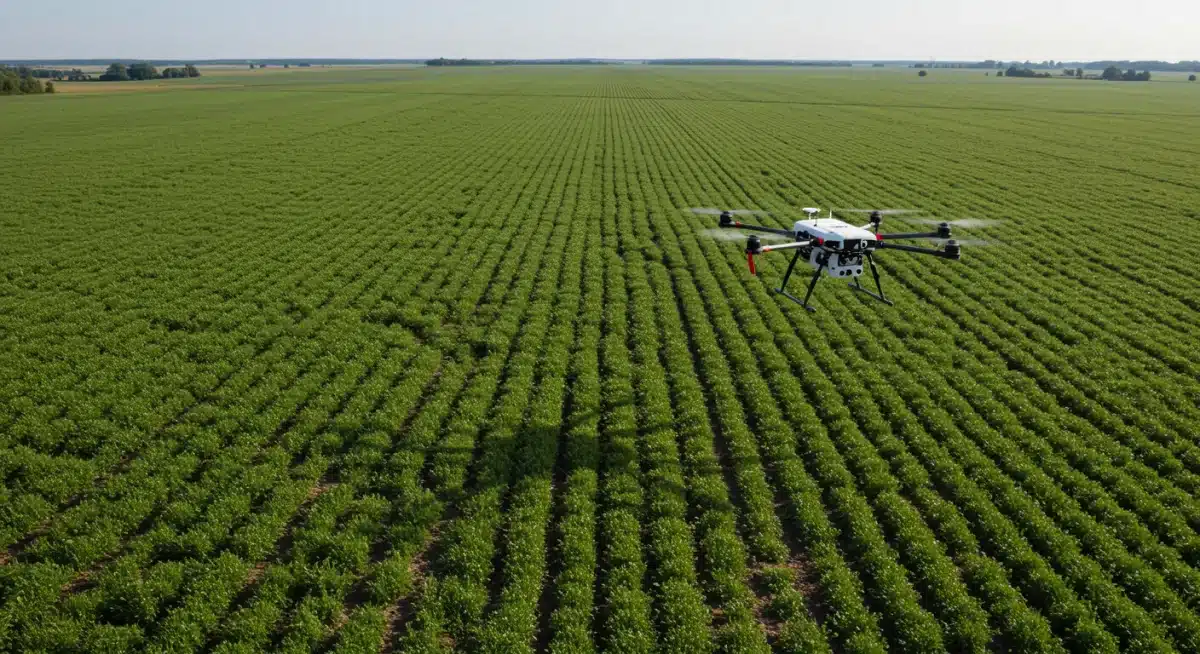
This includes planting flowering borders to provide nectar and pollen for adult beneficial insects, creating overwintering sites, and minimizing practices that disrupt their populations. For instance, using targeted sprays of compatible biopesticides rather than broad-spectrum chemicals can protect existing beneficial populations. By carefully managing the agroecosystem, farmers can foster a self-sustaining biological control system, further reducing the need for repeated interventions and contributing to the overall cost savings.
Technological Innovations Powering IPM in 2026
The transformation of Integrated Pest Management (IPM) into a highly efficient and cost-effective strategy by 2026 is largely due to groundbreaking technological innovations. These advancements have made it possible to monitor pest populations with unprecedented accuracy, deploy biological controls with precision, and analyze vast amounts of data to make informed decisions. The integration of artificial intelligence, robotics, and advanced sensor technologies is revolutionizing how farmers approach pest management, making the 25% pesticide cost reduction not just an aspiration, but a tangible reality.
These technologies extend beyond mere data collection; they enable proactive and predictive pest management. Instead of reacting to an infestation, farmers can anticipate threats and implement preventative measures, often biological in nature, before significant damage occurs. This proactive stance is crucial for both environmental protection and economic efficiency, aligning with the goals of sustainable agriculture. The synergy between biological controls and technological innovation is creating a powerful new era for pest management.
AI and Machine Learning for Pest Detection and Prediction
Artificial intelligence (AI) and machine learning (ML) are at the forefront of IPM innovation. These technologies analyze data from various sources, including satellite imagery, drone surveillance, weather patterns, and ground sensors, to identify pest hotspots and predict future outbreaks with remarkable accuracy.
- Image recognition: AI algorithms can identify specific pests and disease symptoms from high-resolution images captured by drones or field robots.
- Predictive modeling: ML models forecast pest population dynamics based on environmental factors, allowing for early intervention.
- Automated alerts: Farmers receive real-time alerts on their mobile devices, indicating potential threats and recommending specific actions.
This predictive capability allows farmers to apply biological controls precisely when and where they are most needed, maximizing their effectiveness and minimizing waste. The ability to forecast pest activity reduces the need for routine, preventative pesticide applications, directly contributing to cost savings.
Robotics and Automation in Biological Control Deployment
Robotics and automation are playing an increasingly significant role in the deployment of biological control agents. These technologies enable precise and efficient application of beneficial insects or biopesticides, even across vast agricultural landscapes.
Autonomous ground vehicles and drones can navigate fields, identify target areas based on AI analysis, and release biological agents with unprecedented accuracy. This reduces labor costs, improves coverage, and ensures that the beneficial organisms are introduced at the optimal time and location for maximum impact. For example, drones can release parasitic wasps over specific crop sections identified as having high pest pressure, a task that would be time-consuming and less precise with manual methods. This automation is key to scaling up biological control efforts and making them a cost-effective alternative to traditional chemical spraying, solidifying the path to a 25% reduction in pesticide costs.
Case Studies: Real-World Successes in Pesticide Cost Reduction
The theoretical benefits of Integrated Pest Management (IPM) with biological controls are compelling, but real-world examples from 2026 truly demonstrate its transformative power. Across various agricultural sectors in the United States, farmers are successfully implementing these strategies, achieving significant reductions in pesticide costs and improving overall farm sustainability. These case studies highlight the practical application of advanced IPM techniques and underscore the feasibility of the 25% pesticide cost reduction goal.
These success stories often share common threads: a commitment to understanding the farm’s unique ecosystem, a willingness to adopt new technologies, and a strategic integration of biological solutions. They prove that moving away from heavy reliance on synthetic chemicals is not only environmentally sound but also economically advantageous. The diverse examples illustrate that IPM is adaptable to different crop types and scales of operation, making it a versatile solution for a wide range of agricultural enterprises.
Fruit Orchards: Battling Codling Moth with Pheromones and Predators
In the apple and pear orchards of Washington State, growers have seen remarkable success in controlling the codling moth, a major pest, through advanced IPM. Instead of relying solely on insecticides, many orchards have adopted a multi-pronged approach combining mating disruption with biological controls.
- Pheromone dispensers: These release synthetic pheromones that confuse male moths, preventing them from finding females and mating. This significantly reduces pest populations.
- Released predators: Strategic releases of beneficial insects like lacewings and predatory mites help to keep any surviving codling moth larvae and other pests in check.
- Targeted biopesticides: When necessary, highly specific biopesticides are applied to minimize impact on beneficials.
This integrated strategy has allowed many orchardists to reduce their conventional insecticide sprays by over 30%, surpassing the 25% target and leading to substantial cost savings while producing high-quality, residue-free fruit. The long-term health of the orchard ecosystem has also improved, making it more resilient to future pest challenges.
Row Crops: Corn and Soybeans with Biocontrol Seed Treatments
In the expansive corn and soybean fields of the Midwest, large-scale farmers are increasingly utilizing biocontrol seed treatments and in-furrow applications to manage early-season pests and diseases. This proactive approach protects young plants from common threats, reducing the need for later-season foliar pesticide applications.
Biological seed treatments, often containing beneficial fungi or bacteria, enhance plant vigor and provide protection against soil-borne pathogens and insect pests. This early protection minimizes the need for synthetic insecticides, contributing to a healthier soil microbiome and a more robust crop from the outset. Farmers have reported up to a 20-25% reduction in overall pesticide use for these crops, demonstrating the scalability and economic viability of biological controls even in large-scale operations. This strategy not only cuts costs but also aligns with consumer preferences for more sustainable food production, offering a competitive edge in the market.
Challenges and Future Outlook for IPM in Sustainable Agriculture
While the promise of Integrated Pest Management (IPM) in 2026, particularly with its focus on biological controls and the potential for a 25% reduction in pesticide costs, is immense, its widespread adoption is not without challenges. Farmers face hurdles ranging from knowledge gaps and initial investment costs to the complexities of managing dynamic biological systems. However, the future outlook remains overwhelmingly positive, driven by ongoing research, technological advancements, and a growing global commitment to sustainable agriculture.
Overcoming these challenges requires a collaborative effort from researchers, policymakers, extension services, and farmers themselves. Education and training are crucial to equip farmers with the knowledge and skills needed for effective IPM implementation. Furthermore, continued investment in R&D for new biological control agents and supporting technologies will be essential to expand the reach and efficacy of IPM. The trajectory indicates a future where IPM is the standard, not the exception, in agricultural practices.
Overcoming Adoption Barriers
Several factors can hinder the broader adoption of advanced IPM strategies. These often revolve around a lack of familiarity with new methods and the perception of higher risk compared to established chemical routines.
- Knowledge and training: Farmers need access to comprehensive training on identifying pests, beneficials, and implementing specific biological control techniques.
- Initial investment: The upfront costs for monitoring equipment, beneficial insect purchases, or specialized application machinery can be a barrier for some operations.
- Perceived risk: Some farmers may be hesitant to shift from familiar chemical sprays to biological methods, fearing potential crop losses during the transition period.
Addressing these barriers through accessible educational programs, financial incentives, and robust extension support is vital. Demonstrating successful case studies and providing practical guidance can build confidence and accelerate the transition to more sustainable practices.
The Role of Policy and Consumer Demand
Government policies and evolving consumer preferences are powerful drivers for the continued expansion of IPM. Regulatory frameworks that incentivize reduced pesticide use, coupled with consumer demand for organically or sustainably grown produce, create a favorable environment for IPM adoption.
By 2026, policies are increasingly supporting research into biological controls and offering subsidies for IPM implementation. This governmental push, combined with a market that rewards eco-friendly farming, provides strong incentives for farmers to invest in IPM. As consumers become more aware of the environmental and health benefits of reduced pesticide use, the market for IPM-produced crops will continue to grow, further solidifying its economic viability and ensuring a sustainable future for agriculture.
Measuring Success: Quantifying the 25% Pesticide Cost Reduction
Achieving a 25% reduction in pesticide costs through Integrated Pest Management (IPM) with biological controls is a significant goal for 2026, and accurately measuring this success is paramount. Farmers need clear metrics and robust tracking systems to quantify their savings and demonstrate the effectiveness of their IPM strategies. This involves not only tracking direct input costs but also assessing yield stability, crop quality, and the overall health of the agroecosystem. Without precise measurement, it’s difficult to fully appreciate the economic and environmental dividends of IPM.
Effective measurement goes beyond simple before-and-after comparisons; it requires ongoing data collection and analysis. Modern farm management software and precision agriculture tools are instrumental in providing the necessary data to evaluate IPM performance. By systematically monitoring key indicators, farmers can fine-tune their strategies, identify areas for further improvement, and confidently report on their achievements in cost reduction and sustainability. This data-driven approach strengthens the business case for IPM and encourages broader adoption.
Key Performance Indicators (KPIs) for IPM Efficacy
To effectively measure the impact of IPM on pesticide costs and overall farm performance, several key performance indicators (KPIs) should be monitored. These metrics provide a comprehensive view of the program’s success.
- Pesticide expenditure per acre: Direct comparison of chemical costs before and after IPM implementation.
- Number of pesticide applications: Tracking the frequency of spraying events.
- Yield per acre: Ensuring that cost reductions do not come at the expense of productivity.
- Beneficial insect populations: Monitoring the presence and diversity of natural enemies as an indicator of ecosystem health.
- Pest damage levels: Assessing the percentage of crop damage to ensure pests remain below economic thresholds.
By regularly reviewing these KPIs, farmers can make data-driven adjustments to their IPM plans, optimizing for both cost efficiency and agricultural output. This systematic evaluation is crucial for validating the 25% cost reduction target and demonstrating the tangible benefits of biological controls.
Long-Term Financial and Environmental Impact
The true success of IPM extends beyond immediate cost savings to encompass long-term financial stability and environmental benefits. A 25% reduction in pesticide costs is just one facet of a broader positive impact. Over time, reducing chemical inputs leads to healthier soils, improved biodiversity, and enhanced ecosystem services, all of which contribute to more resilient and productive farms.
Healthier soils require fewer synthetic fertilizers, leading to further cost savings. Increased biodiversity supports a more stable agroecosystem, naturally suppressing pests and reducing reliance on external inputs. Furthermore, the market demand for sustainably grown products continues to increase, potentially leading to premium pricing and new market opportunities for farmers committed to IPM. Thus, quantifying success in IPM involves not just the immediate financial gains, but also the compounding benefits that accrue over years, establishing a truly sustainable and profitable agricultural future.
| Key Aspect | Impact on IPM 2026 |
|---|---|
| Biological Controls | Primary driver for reducing pesticide costs by 25%, fostering natural pest suppression. |
| Technological Integration | AI, drones, and IoT enable precise monitoring and targeted deployment of solutions. |
| Economic Benefits | Direct cost savings on inputs, reduced resistance issues, and enhanced crop value. |
| Sustainable Agriculture | Promotes environmental health, biodiversity, and long-term farm resilience. |
Frequently Asked Questions about IPM and Biological Controls
In 2026, IPM is a sophisticated, holistic approach to pest control that integrates various strategies, including advanced biological controls, precision monitoring, and data analytics. Its aim is to manage pest populations below economic thresholds while minimizing environmental impact and reducing reliance on synthetic pesticides, often targeting significant cost reductions.
Biological controls, such as beneficial insects and biopesticides, offer natural pest suppression, directly reducing the need for expensive synthetic chemical applications. This leads to savings on pesticide purchases, application labor, and fuel. Additionally, they prevent pesticide resistance, avoiding the need for more costly, stronger chemicals in the long run.
Key technologies include AI and machine learning for pest detection and prediction, drone-based imaging for monitoring, IoT sensors for environmental data, and robotics for precise biological control deployment. These tools enable data-driven decisions and targeted interventions, making IPM highly efficient and effective.
Yes, IPM strategies are highly adaptable. While specific biological agents and methods may vary, the core principles can be applied to diverse crops, from row crops to orchards, and across different farm sizes. Successful implementation often depends on understanding the specific agroecosystem and tailoring the approach accordingly.
Challenges include the need for specialized knowledge and training, initial investment costs for new technologies, and a potential perceived risk during the transition from conventional methods. Overcoming these requires strong educational support, financial incentives, and demonstrated success stories to build farmer confidence.
Conclusion
The journey towards a more sustainable and economically viable agricultural future is undeniably paved by the principles of Integrated Pest Management. By 2026, the integration of advanced biological controls within IPM frameworks is proving to be a game-changer, demonstrating a tangible path to reducing pesticide costs by a significant 25%. This evolution is not merely an environmental imperative but a strategic business advantage, driven by technological innovation and a deeper understanding of agroecosystems. As farmers continue to embrace these sophisticated, data-driven approaches, they are not only safeguarding their financial health but also nurturing the planet for generations to come, truly embodying the spirit of sustainable agriculture.