Boosting Beneficial Insects: 40% Increase by 2026
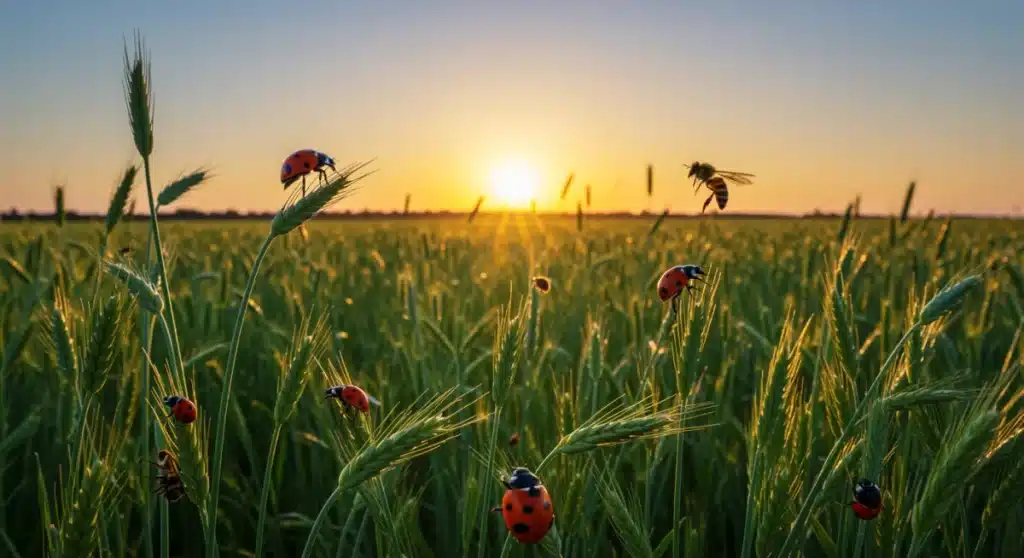
Achieving a 40% increase in beneficial insect populations by 2026 is crucial for sustainable agriculture, improving natural pest control, and fostering ecosystem resilience through targeted ecological strategies.
The agricultural landscape of the United States is at a critical juncture, facing increasing pressure to produce more food while simultaneously minimizing environmental impact. A key strategy for achieving this balance lies in enhancing beneficial insect populations. By embracing innovative and ecologically sound practices, we can significantly boost these vital allies, aiming for a remarkable 40% increase in their numbers by year-end 2026. This ambitious goal is not merely aspirational; it is an achievable target that promises a more resilient and sustainable future for American farming.
Understanding the Role of Beneficial Insects in Agroecosystems
Beneficial insects are the unsung heroes of our agricultural systems, performing essential roles that range from pollination to pest control. Their presence is a strong indicator of a healthy, balanced ecosystem. Recognizing their value is the first step towards integrating them more effectively into modern farming practices.
These insects encompass a wide array of species, each contributing uniquely to farm productivity and ecological stability. From the tiny parasitic wasps that lay their eggs inside crop pests to the voracious ladybugs that decimate aphid colonies, their collective impact is profound. Understanding their life cycles, habitat requirements, and dietary preferences is fundamental to developing effective strategies for their conservation and proliferation.
Key Categories of Beneficial Insects
Beneficial insects can broadly be categorized into several groups, each with distinct ecological functions. Recognizing these categories helps farmers tailor their strategies to attract a diverse and effective insect community.
- Pollinators: Bees, butterflies, and hoverflies facilitate crop reproduction, directly impacting yields of many fruits, vegetables, and nuts.
- Predators: Ladybugs, lacewings, and assassin bugs actively hunt and consume pest insects, reducing the need for chemical interventions.
- Parasitoids: Parasitic wasps and flies lay their eggs on or inside host pests, eventually killing them as their larvae develop.
- Decomposers: Certain insects contribute to soil health by breaking down organic matter, cycling nutrients back into the soil.
The intricate web of interactions among these insects, plants, and the environment forms the backbone of a resilient agroecosystem. Promoting their presence is not just about pest control; it’s about fostering a holistic approach to farm management that leverages natural processes.
Habitat Creation and Enhancement for Insect Diversity
One of the most effective ways to increase beneficial insect populations is by providing them with suitable habitats. Modern monoculture farming often reduces the diversity of plants and landscape features, diminishing the resources available for these insects. Reintroducing habitat diversity is paramount.
Creating insectary strips, hedgerows, and maintaining natural areas adjacent to fields can offer essential refuge, food sources, and breeding sites. These areas act as ecological stepping stones, allowing beneficial insects to thrive and disperse into cultivated areas when pest populations emerge. The goal is to integrate natural spaces seamlessly into the agricultural landscape, transforming it into a mosaic of productive fields and biodiversity hotspots.
Designing Effective Insect Habitats
Strategic planning is crucial when designing habitats for beneficial insects. Simply planting flowers is not enough; the selection of plant species, their arrangement, and ongoing maintenance all play a role in their effectiveness.
- Native Plant Selection: Prioritize native flowering plants that provide continuous bloom throughout the growing season, offering a steady supply of nectar and pollen.
- Structural Diversity: Incorporate plants of varying heights and growth habits to create a multi-layered habitat that accommodates different insect species.
- Water Sources: Even small, shallow water sources can attract and sustain insect populations, particularly during dry periods.
Furthermore, reducing disturbance in these areas, such as minimizing tilling or mowing, allows insect populations to establish and reproduce. These habitats become living reservoirs, constantly supplying beneficial insects to protect crops.
Strategic Use of Cover Crops and Companion Planting
Cover crops and companion planting are powerful agroecological tools that can significantly enhance beneficial insect populations while simultaneously improving soil health. These practices move beyond traditional monoculture by introducing plant diversity directly within or alongside cash crops.
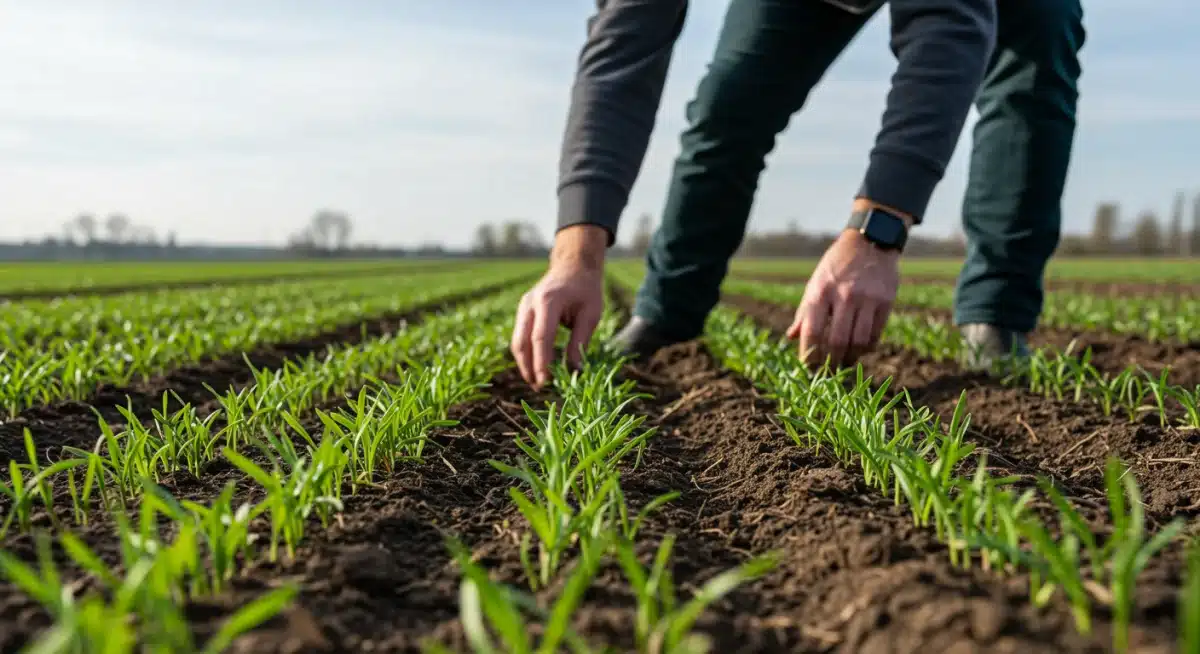
Cover crops, planted during fallow periods or between main crop rows, protect soil from erosion, suppress weeds, and add organic matter. Crucially, many cover crop species also provide excellent foraging and overwintering sites for beneficial insects. Companion planting involves growing specific plant species near each other to mutual benefit, often by attracting beneficial insects or repelling pests.
Implementing Cover Crop Programs
The selection and management of cover crops are key to maximizing their benefits for beneficial insects. A diverse mix of cover crop species is generally more effective than a single species.
- Flowering Cover Crops: Species like clover, buckwheat, and phacelia provide abundant nectar and pollen for pollinators and parasitoids.
- Leguminous Cover Crops: Vetch and alfalfa fix nitrogen in the soil, improving fertility while also offering shelter.
- Grassy Cover Crops: Rye and oats provide structural complexity and habitat for ground-dwelling beneficial insects.
Integrating these practices into a rotational system ensures continuous benefits. Farmers should consider the timing of planting and termination to align with the life cycles of target beneficial insects, ensuring they have resources when most needed.
Minimizing Pesticide Impact and Integrated Pest Management (IPM)
The widespread use of broad-spectrum pesticides is a major impediment to increasing beneficial insect populations. These chemicals often kill non-target insects, including predators and parasitoids, disrupting natural pest control mechanisms. A cornerstone of boosting beneficial insect numbers is a fundamental shift towards more selective pest management strategies.
Integrated Pest Management (IPM) offers a science-based approach that prioritizes prevention, monitoring, and the use of the least toxic control methods when necessary. By adopting IPM principles, farmers can reduce reliance on harmful chemicals, allowing beneficial insect populations to recover and flourish.
Core Principles of IPM for Insect Conservation
IPM strategies are not one-size-fits-all; they require careful observation and tailored responses. The focus is on understanding the pest, its natural enemies, and the crop’s vulnerability.
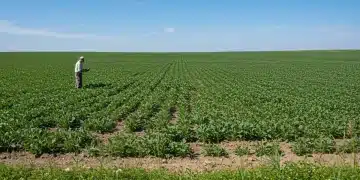
- Scouting and Monitoring: Regularly inspect fields to identify pests and beneficial insects, determining population levels and thresholds for intervention.
- Cultural Practices: Employ crop rotation, sanitation, and resistant varieties to prevent pest outbreaks.
- Biological Control: Introduce or enhance natural enemies (beneficial insects) to manage pest populations.
- Targeted Pesticides: When chemical intervention is unavoidable, select highly specific pesticides with minimal impact on beneficial insects, applied only when and where necessary.
This approach not only protects beneficial insects but also fosters long-term sustainability by reducing the risk of pesticide resistance and environmental contamination. It’s a proactive rather than reactive strategy, building resilience into the farming system.
Promoting Soil Health and Biodiversity
Healthy soil is the foundation of a healthy ecosystem, and its impact on beneficial insect populations is often underestimated. Soil is not just a medium for plant growth; it’s a complex, living system teeming with microorganisms and invertebrates that contribute to nutrient cycling and overall ecosystem stability.
Practices that enhance soil health, such as reduced tillage, organic matter incorporation, and diverse crop rotations, create a more robust environment for both plants and the insects that rely on them. These practices foster a rich underground biodiversity that supports a diverse above-ground insect community.
Soil Management for Insect Benefits
The link between soil health and beneficial insects is multifaceted. Improved soil structure and nutrient availability lead to healthier, more resilient plants, which are less susceptible to pest attacks and more attractive to beneficial insects.
- Reduced Tillage: Minimizing soil disturbance protects ground-dwelling beneficial insects and their overwintering sites.
- Organic Amendments: Composts and manures increase soil organic matter, improving water retention and providing food sources for soil organisms that, in turn, support insect life.
- Crop Rotation: Diverse rotations break pest cycles and enhance soil microbial communities, creating a more balanced environment.
By treating the soil as a living entity, farmers can unlock its full potential to support a thriving ecosystem, including a robust population of beneficial insects. This holistic approach builds resilience from the ground up, reducing external inputs and fostering natural processes.
Technological Innovations and Data-Driven Approaches
Achieving a 40% increase in beneficial insect populations by 2026 demands not only ecological understanding but also the strategic application of modern technology. Precision agriculture tools, remote sensing, and data analytics can provide invaluable insights into insect dynamics, habitat effectiveness, and pest pressure, enabling more targeted and efficient interventions.
For example, advanced imaging technologies can help monitor insect populations and plant health across large areas, identifying trends and potential issues before they escalate. Predictive modeling, based on historical data and environmental factors, can forecast pest outbreaks and beneficial insect activity, allowing farmers to implement preventative measures.
Leveraging Technology for Insect Management
Integrating technology into beneficial insect management can optimize resource allocation and enhance decision-making. This allows for a more proactive and precise approach to fostering biodiversity.
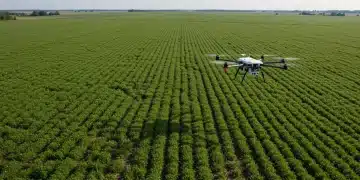
- Remote Sensing: Satellite and drone imagery can identify areas lacking beneficial insect habitats or experiencing high pest pressure, guiding targeted interventions.
- Precision Spraying: GPS-guided sprayers can apply pesticides only to affected areas, minimizing impact on beneficial insects in other parts of the field.
- Insect Monitoring Traps with AI: Automated traps with image recognition can count and identify insect species, providing real-time data on population trends.
- Predictive Analytics: Machine learning algorithms can analyze weather patterns, crop data, and insect counts to predict optimal times for releasing beneficial insects or planting insectary crops.
The convergence of ecological principles and technological innovation offers powerful new avenues for sustainable agriculture. By using data to inform our actions, we can make more impactful decisions that accelerate the growth of beneficial insect populations and enhance overall farm resilience.
| Key Strategy | Brief Description |
|---|---|
| Habitat Creation | Establishing insectary strips and hedgerows to provide food, shelter, and breeding sites for beneficial insects. |
| Cover Cropping | Using diverse cover crops to enhance soil health, suppress weeds, and offer continuous resources for beneficial insects. |
| IPM Implementation | Adopting Integrated Pest Management to minimize pesticide use and protect non-target beneficial insect populations. |
| Soil Health Focus | Employing practices like reduced tillage and organic amendments to create a robust soil ecosystem supporting insect life. |
Frequently Asked Questions About Beneficial Insects
Beneficial insects are crucial because they provide essential ecosystem services like pollination and natural pest control. They reduce the need for chemical pesticides, improve crop yields, and contribute to overall farm resilience and environmental health, making agriculture more sustainable.
Common beneficial insects include ladybugs (predators of aphids), lacewings (prey on various soft-bodied insects), parasitic wasps (control caterpillars and other pests), and bees (essential pollinators). Hoverflies also serve as both pollinators and pest predators.
Farmers can attract beneficial insects by planting diverse flowering cover crops, establishing insectary strips with native plants, providing water sources, and minimizing pesticide use. Creating diverse habitats with continuous bloom cycles is key to their sustained presence.
Integrated Pest Management (IPM) is vital as it prioritizes non-chemical methods for pest control. By reducing broad-spectrum pesticide applications, IPM protects beneficial insects from harm, allowing them to thrive and provide natural pest regulation, which is essential for ecological balance.
Yes, technology can significantly aid in this effort. Remote sensing, AI-powered insect monitoring traps, and predictive analytics offer data-driven insights. These tools help identify habitat needs, track population trends, and optimize management strategies to effectively boost beneficial insect numbers.
Conclusion
The journey towards increasing beneficial insect populations by 40% by year-end 2026 is an ambitious yet entirely attainable goal for sustainable agriculture in the United States. By strategically integrating habitat creation, utilizing cover crops, embracing Integrated Pest Management, prioritizing soil health, and leveraging advanced technologies, farmers can cultivate resilient agroecosystems that thrive on natural processes. This holistic approach not only safeguards our environment but also ensures the long-term productivity and economic viability of our agricultural lands, fostering a future where farming works in harmony with nature.