Agroforestry practices for biodiversity: boosting ecosystems
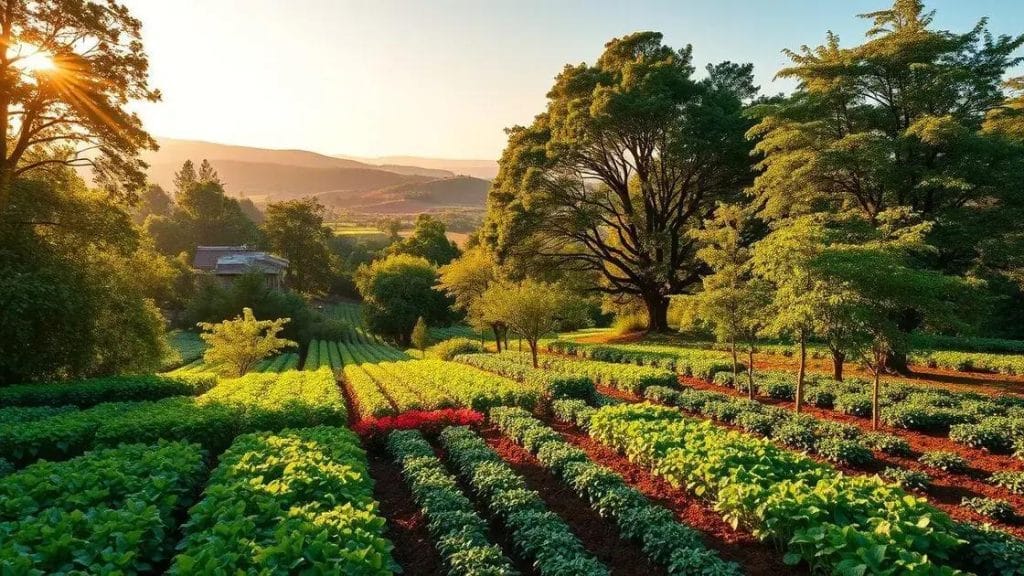
Agroforestry practices enhance biodiversity by integrating trees with crops, improving soil health, conserving water, and creating habitats while addressing challenges like initial investment costs and land management.
Agroforestry practices for biodiversity play a pivotal role in enhancing ecosystems and promoting sustainable land use. But what exactly do they involve? Let’s dive into how these practices can benefit our environment.
Understanding agroforestry and its importance
Understanding agroforestry is key to appreciating its importance. This innovative practice combines agriculture and forestry, creating a symbiotic relationship between trees and crops. By integrating both, we can enhance biodiversity and sustainable land use.
Agroforestry systems can vary greatly, so it’s essential to explore their different forms. Each type serves its own unique purpose while promoting benefits.
Types of Agroforestry Systems
There are several types of agroforestry systems that farmers can adopt, based on their land’s needs. Here are some popular options:
- Alley cropping: Crops grow between rows of trees, maximizing land use.
- Silvopasture: Integrates trees with livestock grazing, improving soil health.
- Forest farming: Cultivates high-value crops under the protection of a forest canopy.
By understanding these systems, we can see how agroforestry contributes to soil health, water conservation, and wildlife habitats. Moreover, it helps to reduce carbon footprints and combat climate change.
The benefits of agroforestry extend beyond just environmental factors. They also provide economic advantages to farmers. For instance, diversifying crops can lead to improved yields and reduced risk of crop failure. This is crucial for farmers who depend solely on traditional farming methods.
Environmental Importance
The integration of trees into agricultural practices plays a significant role in promoting biodiversity. Trees provide habitats for various species and help maintain ecosystem balance. Additionally, they contribute to nutrient cycling and enhance soil structure.
With a clear understanding of agroforestry, its role in modern agriculture becomes evident. It enriches ecosystems while offering sustainable solutions for food production.
Key benefits of agroforestry for biodiversity

The key benefits of agroforestry for biodiversity are significant and impactful. By combining agricultural practices with forestry, we create healthier ecosystems that support a variety of life forms. This approach encourages a balanced relationship between crops, trees, and wildlife.
One of the primary advantages of agroforestry is the enhancement of wildlife habitats. Trees provide shelter and food for numerous species, leading to increased biodiversity. Additionally, these systems can help mitigate the effects of climate change by sequestering carbon and improving air quality.
Enhancing Soil Health
Soil health is crucial for productive farming. Agroforestry practices can dramatically improve soil quality through:
- Increased organic matter: Leaf litter and root systems enhance soil fertility.
- Soil erosion control: Tree roots stabilize the soil, preventing erosion.
- Nutrient cycling: Diverse plants contribute to a balanced nutrient profile.
With better soil health, farmers can enjoy higher yields and more resilient crops. This leads to sustainable food production while supporting local ecosystems.
Water Conservation
Agroforestry also plays a vital role in water management. The tree canopy slows down rainfall, allowing water to seep into the ground rather than running off. This improves groundwater recharge and minimizes flooding.
Furthermore, trees can reduce water evaporation in agricultural fields. This is especially important in regions where water is scarce, enabling farmers to maintain productive lands even in dry conditions.
Through these various benefits, agroforestry not only supports biodiversity but also offers practical solutions for modern agricultural challenges. It’s a holistic approach that connects farming with nature, fostering a sustainable future.
Successful examples of agroforestry practices
Successful examples of agroforestry practices can inspire farmers and landowners to adopt similar methods. By looking at real-life cases, we can understand how these systems can work effectively in various environments.
One prominent example is seen in Brazil, where agroforestry systems are integrated with traditional farming. Farmers grow cocoa trees alongside bananas and other crops. This method improves yields and promotes biodiversity while protecting the soil. The shade from the trees also helps in stabilizing the climate, making it conducive for crops to thrive.
Case Study: The African Sahel
In the African Sahel, farmers are using agroforestry to combat desertification. They plant trees such as acacia in their fields, which enrich the soil with nutrients. This not only increases crop yields but also restores degraded land.
- Improved soil fertility: Acacia trees fix nitrogen in the soil, benefiting surrounding crops.
- Water retention: The tree roots help retain moisture, enhancing crop resilience.
- Biodiversity boost: These practices attract various species, enriching local ecosystems.
Similarly, in Indonesia, farmers practice agroforestry by combining coffee cultivation with shade trees. This strategy supports biodiversity and protects the delicate ecosystem. The shade provided by the trees creates a suitable environment for both coffee plants and various wildlife.
These successful examples illustrate that integrating trees into farming systems can lead to a more sustainable future. By adopting such practices, farmers can not only boost their productivity but also enhance biodiversity and promote environmental health.
Challenges in implementing agroforestry systems
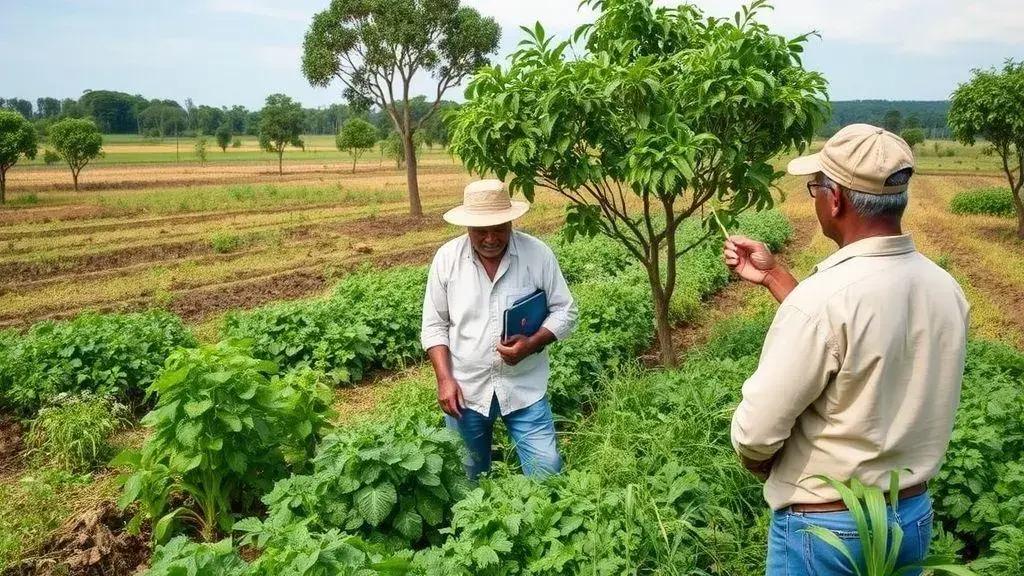
Implementing agroforestry systems can present several challenges that farmers and landowners must navigate. Understanding these issues is crucial for successful integration of trees and crops.
One major challenge is the initial investment required for establishing agroforestry practices. Farmers often need to commit to planting trees, which may not yield immediate returns. This can be a deterrent, especially for those depending on short-term crop income.
Land Management Issues
Effective land management is another hurdle. Balancing the needs of trees and crops requires careful planning. Farmers must consider factors such as:
- Spacing between crops: Trees may compete for sunlight and nutrients if planted too closely.
- Water requirements: Different species have varying water needs that must be met.
- Pest management: New pests may appear when introducing different plant species.
These factors can complicate the management of fields and require a learning curve for farmers.
Cultural Acceptance
Cultural acceptance also influences the adoption of agroforestry systems. In some regions, traditional farming practices are deeply rooted, making it difficult to introduce new methods. Farmers may be hesitant to change their practices, fearing that it might not succeed in their specific environment.
Education and outreach are essential to address these concerns. Workshops and demonstration projects can showcase successful agroforestry practices. By learning from others, farmers may gain the confidence to experiment with their own systems.
Despite these challenges, many farmers have successfully implemented agroforestry systems. By acknowledging potential obstacles and seeking guidance, they can work towards creating sustainable farming environments.
FAQ – Frequently Asked Questions about Agroforestry Practices
What are agroforestry practices?
Agroforestry practices combine agriculture and forestry, integrating trees with crops to enhance biodiversity and sustainability.
How do agroforestry systems benefit the environment?
They improve soil health, conserve water, and provide habitats for wildlife, promoting a balanced ecosystem.
What challenges do farmers face when implementing agroforestry?
Farmers often encounter challenges such as initial investment costs, land management issues, and cultural resistance to change.
Can agroforestry practices improve crop yields?
Yes, agroforestry can lead to increased crop productivity by enhancing soil fertility and reducing pests through biodiversity.