Agroforestry Practices: Boosting US Farm Resilience by 2026
Anúncios
Agroforestry Practices: Boosting US Farm Resilience by 2026
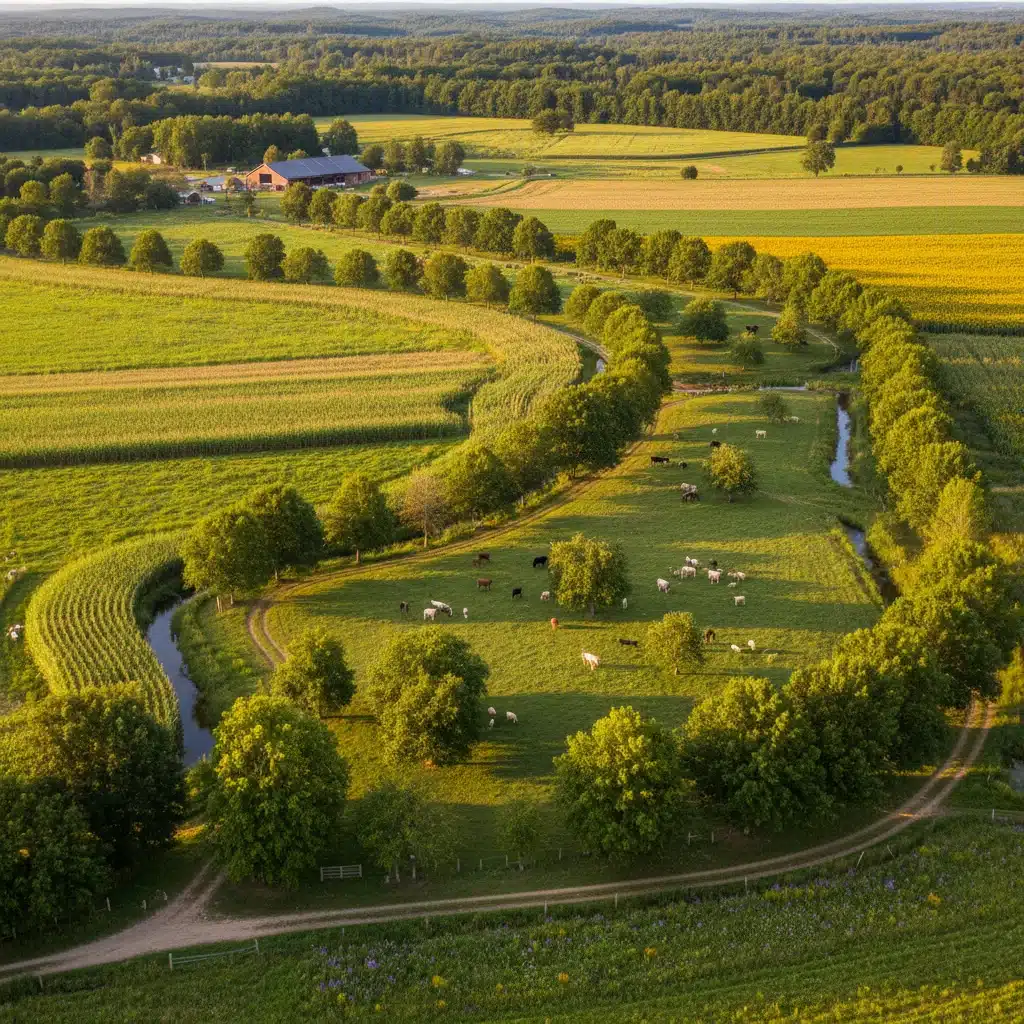
In an era defined by unpredictable climate patterns, volatile markets, and increasing environmental concerns, the agricultural sector in the United States faces unprecedented challenges. Farmers nationwide are seeking innovative, sustainable solutions to secure their livelihoods and enhance the long-term viability of their operations. Among the most promising strategies garnering significant attention is agroforestry, an intentional combination of agriculture and forestry practices to create integrated and sustainable land-use systems. By 2026, agroforestry is set to become a cornerstone of farm resilience across the U.S., offering multifaceted benefits that extend beyond mere crop production.
This comprehensive guide will delve into the critical role of agroforestry in fostering farm resilience, exploring why it’s gaining traction and how it can fundamentally transform the agricultural landscape. We will highlight the top four agroforestry practices poised to make the most significant impact in the coming years: silvopasture, alley cropping, windbreaks, and riparian forest buffers. Each practice offers unique advantages, contributing to a more robust, environmentally friendly, and economically stable farming future.
Anúncios
Understanding the intricacies of these systems, their ecological benefits, and their economic implications is crucial for any farmer or agricultural stakeholder looking to adapt and thrive. As we navigate towards 2026, the adoption of these agroforestry practices will not only mitigate risks but also unlock new opportunities for enhanced productivity, biodiversity, and climate change adaptation. Let’s explore how these green solutions are cultivating a more resilient agricultural sector.
The Imperative for Farm Resilience in the US
The concept of farm resilience has never been more vital. US agriculture is grappling with a myriad of pressures, from extreme weather events like droughts, floods, and superstorms to soil degradation, pest outbreaks, and fluctuating commodity prices. Traditional monoculture farming, while efficient in certain contexts, often leaves farms vulnerable to these challenges, creating a cycle of dependency on external inputs and increasing financial instability. The need for diversified, adaptive, and sustainable farming systems is paramount.
Anúncios
Climate change, in particular, is a formidable adversary. Rising global temperatures contribute to more frequent and intense weather phenomena, directly impacting crop yields, livestock health, and water availability. Soil erosion, a long-standing issue, is exacerbated by these events, leading to a loss of fertile land and reduced productivity. Furthermore, the decline in biodiversity, driven by habitat loss and intensive farming practices, compromises ecosystem services essential for agricultural health, such as pollination and natural pest control.
Economic pressures also weigh heavily on farmers. The consolidation of agricultural markets, rising input costs (fertilizers, pesticides, fuel), and unpredictable market demand can significantly erode profit margins. Many farmers are actively seeking ways to diversify their income streams, reduce reliance on single crops, and enhance the overall financial stability of their operations. This is where agroforestry practices emerge as a powerful solution, offering a holistic approach to address these interconnected environmental and economic challenges, bolstering overall Agroforestry Farm Resilience.
What is Agroforestry and Why is it Key to Resilience?
Agroforestry is a dynamic, ecologically based natural resource management system that integrates trees into agricultural landscapes and farming systems. It’s not simply about planting trees on a farm; it’s about the intentional and strategic combination of trees, crops, and/or livestock in ways that enhance productivity, profitability, and environmental stewardship. The beauty of agroforestry lies in its synergy – the components interact positively, leading to benefits that wouldn’t be possible if they were managed separately.
The core principle behind agroforestry’s ability to build farm resilience is diversification. By integrating multiple components, farms become less susceptible to the failure of a single crop or livestock type. If one crop underperforms due to weather or market conditions, other components of the system can provide stability. Beyond economic diversification, agroforestry systems offer a host of ecological services that directly contribute to resilience:
- Soil Health Improvement: Tree roots stabilize soil, preventing erosion, while leaf litter and organic matter decomposition enrich soil fertility and structure.
- Water Management: Trees help regulate water cycles, improving infiltration, reducing runoff, and conserving moisture, which is critical during droughts.
- Biodiversity Enhancement: Agroforestry systems create diverse habitats for wildlife, insects (including pollinators and beneficial predators), and microbial life, supporting a healthier ecosystem.
- Climate Change Mitigation and Adaptation: Trees sequester carbon dioxide, helping to mitigate climate change. They also provide shade and shelter, adapting farms to extreme temperatures and winds.
- Improved Animal Welfare: For livestock, trees offer shade, shelter from wind, and often provide additional forage, leading to healthier animals and better productivity.
- New Income Streams: Beyond traditional crops, farmers can derive income from timber, nuts, fruits, floral products, and other specialty forest products.
These benefits collectively transform a vulnerable farm into a resilient ecosystem, capable of withstanding various shocks and stresses. The integration of trees acts as a natural buffer, enhancing the farm’s capacity to regenerate, adapt, and thrive in the face of adversity, making Agroforestry Farm Resilience a tangible goal.
The Top 4 Agroforestry Practices for US Farm Resilience by 2026
While numerous agroforestry practices exist, four stand out for their widespread applicability, proven benefits, and potential for significant impact on US farm resilience by 2026. These practices offer practical, scalable solutions for farmers across different regions and operation sizes.
1. Silvopasture: Integrating Trees, Forage, and Livestock
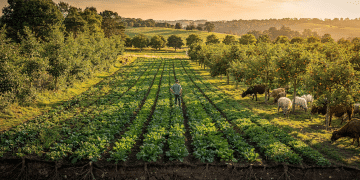
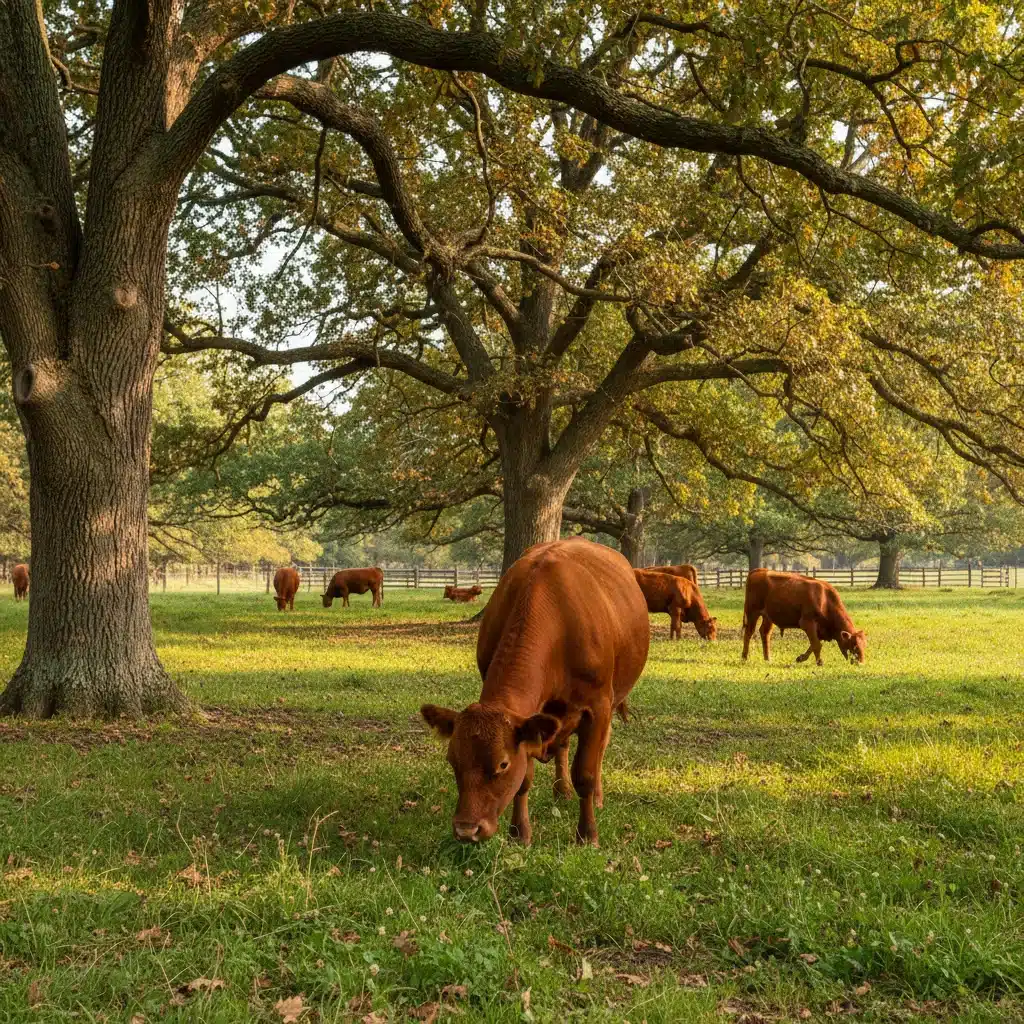
Silvopasture is arguably one of the most dynamic and beneficial agroforestry practices. It involves intentionally combining trees, forage, and livestock on the same land. Unlike simply grazing animals in a woodlot, silvopasture is a managed system where trees are planted or managed to provide shade, shelter, and additional products, while herbaceous forage grows between them for grazing animals. This integrated approach optimizes land use and creates a harmonious ecosystem.
Benefits of Silvopasture for Agroforestry Farm Resilience:
- Enhanced Livestock Health and Productivity: Trees provide essential shade, reducing heat stress in animals during hot summers, which can improve weight gain, milk production, and overall welfare. Shelter from wind and cold also benefits livestock in harsher conditions.
- Diversified Income Streams: Farmers gain income from both livestock and tree products (timber, nuts, fruits, maple syrup, etc.), reducing reliance on a single commodity.
- Improved Forage Quality and Quantity: Trees can improve soil fertility, leading to better forage growth. Certain tree species also provide edible browse for livestock.
- Soil Health and Erosion Control: Tree roots stabilize soil, preventing erosion, especially on sloped pastures. Leaf litter contributes organic matter, enhancing soil structure and water retention.
- Carbon Sequestration: The trees in silvopasture systems sequester significant amounts of carbon, contributing to climate change mitigation.
- Biodiversity: Creates diverse habitats for wildlife and beneficial insects, contributing to a healthier ecosystem.
Implementation Considerations:
Successful silvopasture requires careful planning. Key factors include selecting appropriate tree species (fast-growing, deep-rooted, non-toxic to livestock), managing tree density to balance light for forage, and implementing rotational grazing to prevent overgrazing and protect young trees. Fencing is often necessary to protect newly planted trees from browsing animals. The choice of livestock (cattle, sheep, goats) also influences management strategies.
2. Alley Cropping: Cultivating Crops Between Tree Rows
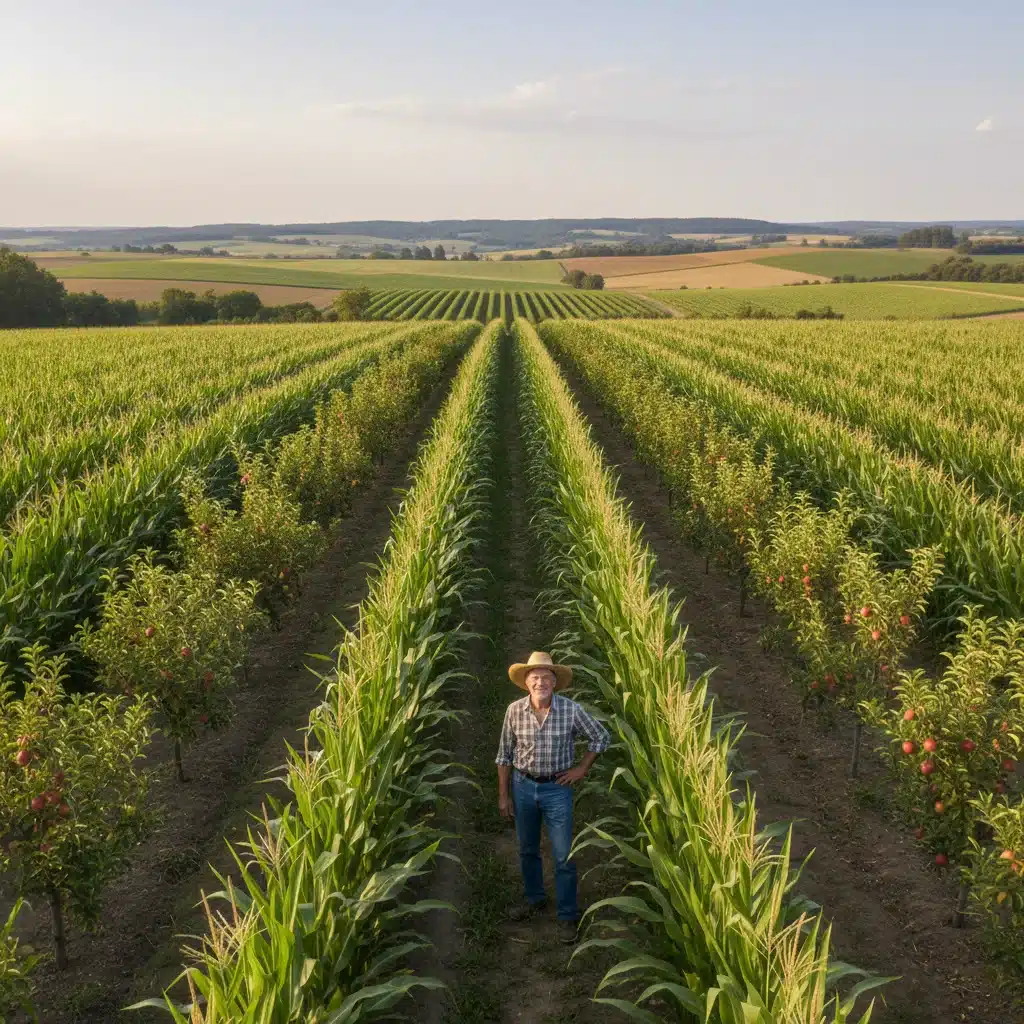
Alley cropping involves planting rows of trees or shrubs with alleys in between, where agricultural crops are grown. This practice is designed to maximize the utilization of land and resources by creating multiple layers of production. The trees can be fruit or nut trees, timber species, or even biomass crops, while the alleys can host annual or perennial field crops, vegetables, or specialty crops.
Benefits of Alley Cropping for Agroforestry Farm Resilience:
- Crop Diversification and Income Stability: By growing multiple crops simultaneously, farmers reduce the risk associated with market fluctuations or crop failure in a single commodity. Income from tree products provides an additional revenue stream.
- Enhanced Soil Fertility: Leguminous trees can fix nitrogen, enriching the soil for alley crops. Tree roots also access nutrients from deeper soil layers, bringing them to the surface through leaf litter.
- Improved Microclimate: Tree rows can provide partial shade, reducing heat stress on crops during extreme temperatures, and also act as windbreaks, protecting crops from wind damage and reducing soil moisture evaporation.
- Pest and Disease Management: Increased biodiversity in alley cropping systems can support beneficial insects that prey on pests, reducing the need for chemical interventions.
- Water Conservation: Improved soil structure and reduced wind speed contribute to better water infiltration and retention, crucial for drought resilience.
- Carbon Sequestration: The trees in alley cropping systems contribute significantly to carbon sequestration, aligning with climate change mitigation goals.
Implementation Considerations:
Designing an effective alley cropping system involves selecting compatible tree and crop species that do not overly compete for light, water, or nutrients. Proper spacing of tree rows is crucial to ensure sufficient sunlight for the alley crops. Management of tree roots (e.g., root pruning) might be necessary to minimize competition with annual crops. The choice of crops should also consider the local climate and market demand.
3. Windbreaks: Protecting Land and Crops with Tree Barriers
Windbreaks, also known as shelterbelts, are strategically planted rows of trees and shrubs designed to reduce wind speed across an agricultural field or around farmsteads. While seemingly simple, their impact on farm resilience is profound, protecting everything from crops and livestock to soil and farm infrastructure.
Benefits of Windbreaks for Agroforestry Farm Resilience:
- Crop Protection and Yield Enhancement: By reducing wind speed, windbreaks minimize physical damage to crops, prevent desiccation, and reduce evapotranspiration, leading to better crop growth and increased yields.
- Soil Erosion Control: Wind is a major cause of soil erosion, especially in open, arid, or semi-arid regions. Windbreaks significantly reduce wind erosion, preserving valuable topsoil.
- Moisture Conservation: Reduced wind speed decreases evaporation from the soil surface and plant leaves, conserving soil moisture, which is critical during dry periods.
- Livestock Protection: Windbreaks provide shelter for livestock from harsh winds and extreme temperatures, reducing stress, improving feed conversion, and enhancing animal welfare.
- Energy Savings: Properly placed windbreaks around farm buildings can reduce heating costs in winter and cooling costs in summer by buffering against extreme temperatures.
- Habitat for Wildlife: Windbreaks create linear habitats and corridors for wildlife, beneficial insects, and birds, contributing to biodiversity on the farm.
- Diversified Income: If designed with appropriate species, windbreaks can also provide timber, fuelwood, fruits, or nuts, adding to farm income.
Implementation Considerations:
Effective windbreak design involves selecting appropriate tree and shrub species (mix of evergreens and deciduous for year-round protection), determining optimal height, density, and length, and considering the prevailing wind direction. Placement is crucial to maximize protection for target areas. Maintenance, including pruning and replanting, ensures their long-term effectiveness.
4. Riparian Forest Buffers: Safeguarding Waterways and Land
Riparian forest buffers are strips of trees, shrubs, and other vegetation planted along the banks of streams, rivers, lakes, and wetlands. These buffers serve as critical transition zones between aquatic and terrestrial ecosystems, providing immense environmental benefits that directly enhance farm resilience, particularly concerning water quality and ecosystem health.
Benefits of Riparian Forest Buffers for Agroforestry Farm Resilience:
- Water Quality Improvement: Buffers filter agricultural runoff, trapping sediment, excess nutrients (nitrogen and phosphorus), and pesticides before they enter waterways, protecting aquatic ecosystems and drinking water sources.
- Stream Bank Stabilization: Tree roots stabilize stream banks, preventing erosion and reducing sedimentation in water bodies, which can impact aquatic life and water infrastructure.
- Biodiversity Enhancement: Riparian buffers create vital habitats and corridors for a wide range of wildlife, including fish, amphibians, birds, and beneficial insects, contributing to overall farm biodiversity.
- Temperature Regulation: Shade from trees helps regulate water temperature, which is crucial for cold-water fish species and reducing algal blooms.
- Flood Mitigation: The vegetation in buffers slows down floodwaters, allowing for better infiltration and reducing the impact of flooding on downstream areas.
- New Income Opportunities: Buffers can be designed to include marketable products such as timber, nuts, fruits, or biomass, providing additional income streams.
- Pest Management: Increased biodiversity in these areas can support natural predators of agricultural pests, reducing pest pressure on adjacent fields.
Implementation Considerations:
Establishing riparian buffers involves selecting native tree and shrub species suitable for the local hydrology and soil conditions. The width of the buffer is a key factor, with wider buffers generally providing greater benefits. Fencing may be necessary to exclude livestock from newly planted areas. Local conservation districts and government programs often provide technical and financial assistance for establishing these buffers.
Challenges and Opportunities for Adoption
While the benefits of agroforestry are clear, widespread adoption in the US faces several challenges. Initial establishment costs, the time lag between planting trees and realizing returns (especially for timber), and a lack of familiarity with these systems can deter farmers. Many traditional agricultural education programs have historically focused on conventional monoculture, leading to a knowledge gap.
However, significant opportunities exist to overcome these hurdles. Increased awareness and education are paramount. Farmer-to-farmer learning networks, workshops, and demonstration farms can showcase successful agroforestry models. Government incentives, grants, and cost-share programs (such as those offered by the USDA’s Natural Resources Conservation Service – NRCS) are crucial for offsetting initial investment costs and encouraging adoption. Research and development are also vital to refine practices, develop new varieties, and provide region-specific guidance.
The growing consumer demand for sustainably produced goods, coupled with corporate sustainability initiatives, presents a market opportunity for agroforestry products. Farmers who adopt these practices can differentiate their products and potentially command premium prices, further enhancing their Agroforestry Farm Resilience.
The Future of US Agriculture: A Resilient Landscape by 2026
Looking towards 2026, the trajectory for agroforestry in the US is one of significant growth and integration. As the impacts of climate change become more pronounced and the need for sustainable food systems more urgent, agroforestry offers a viable and robust pathway forward. The practices of silvopasture, alley cropping, windbreaks, and riparian forest buffers are not just environmental luxuries; they are essential tools for building long-term farm resilience.
These systems represent a paradigm shift from viewing trees as separate from agriculture to recognizing them as integral components of productive and sustainable farm ecosystems. By embracing these integrated approaches, US farmers can:
- Mitigate Climate Risks: Adapt to changing weather patterns, sequester carbon, and reduce their environmental footprint.
- Diversify Income and Reduce Risk: Create multiple revenue streams, cushioning against market volatility and crop failures.
- Improve Environmental Health: Restore soil vitality, protect water quality, and enhance biodiversity across agricultural landscapes.
- Enhance Long-Term Productivity: Build a more stable and fertile land base for future generations.
The journey to a more resilient agricultural sector is collaborative. It requires continued support from policymakers, researchers, extension services, and, most importantly, the pioneering spirit of farmers willing to innovate and adopt these transformative practices. As we approach 2026, the landscape of US agriculture will increasingly feature the strategic integration of trees, not just as a means of environmental stewardship, but as a fundamental component of economic stability and enduring farm resilience.
Conclusion: Cultivating a Greener, Stronger Agricultural Future
The challenges facing US agriculture are complex and multifaceted, demanding innovative and sustainable solutions. Agroforestry, with its deep roots in ecological principles and its proven track record of success, stands out as a powerful strategy for building enduring farm resilience. The top four practices – silvopasture, alley cropping, windbreaks, and riparian forest buffers – offer practical, impactful ways for farmers to adapt to climate change, diversify their operations, and enhance environmental quality.
By 2026, the integration of these agroforestry systems will not only safeguard agricultural productivity but also foster healthier ecosystems and more vibrant rural economies. Embracing Agroforestry Farm Resilience is not just an option; it’s a necessity for securing a sustainable and profitable future for US farming. The time to plant the seeds of change, quite literally, is now. Let us collectively work towards a future where trees and agriculture thrive in harmony, creating a resilient and prosperous agricultural landscape for generations to come.