2026 Market Shifts: US Agribusiness Adapts to Global Trade
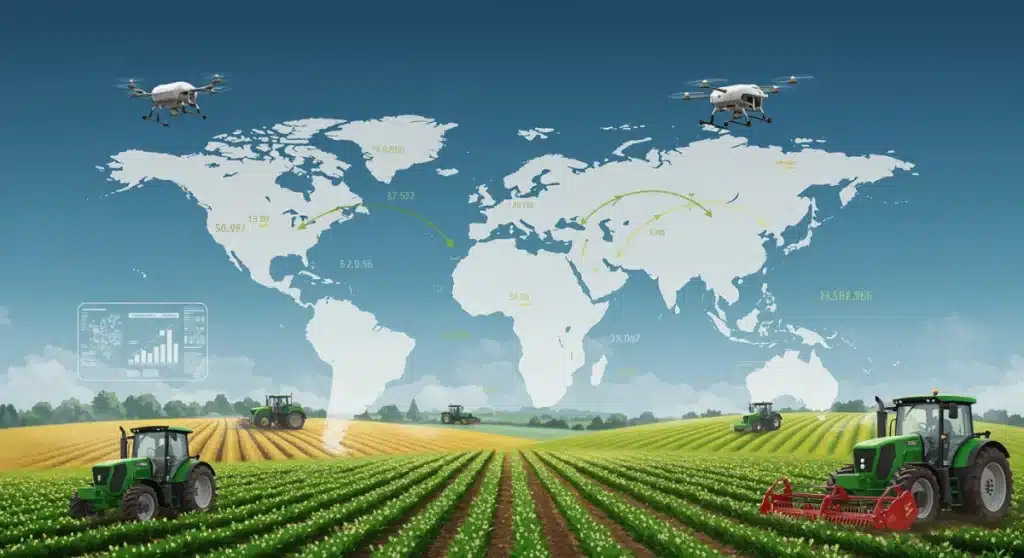
US agribusiness faces significant market shifts and new global trade policies in 2026; proactive adaptation strategies are crucial for maintaining competitiveness and fostering sustainable growth.
As the calendar flips closer to 2026, the landscape for US agribusiness is undergoing profound transformations. Understanding and proactively responding to these changes is not merely an option but a critical imperative for survival and prosperity. This article delves into the essential strategies for US agribusiness adaptation, particularly in light of new global trade policies, emphasizing a three-month window for effective implementation.
Understanding the 2026 Global Trade Policy Landscape
The global trade environment is in a constant state of flux, and 2026 promises to be a year marked by significant policy shifts that will directly impact US agribusiness. These changes are driven by a confluence of geopolitical tensions, climate change imperatives, and evolving consumer demands. For US agricultural producers, understanding the nuances of these policies is the first step toward building a resilient operational framework.
New trade agreements, revised tariff structures, and non-tariff barriers are emerging, creating both challenges and opportunities. For instance, increased emphasis on environmental sustainability in trade pacts could favor producers adopting eco-friendly practices, while stricter import regulations in key markets might necessitate supply chain adjustments. These policies are not theoretical; they will manifest as tangible impacts on pricing, market access, and ultimately, profitability.
Key Policy Drivers for 2026
Several overarching themes are dictating the direction of global trade policies for the upcoming year. These drivers are interconnected and require a holistic understanding from agribusiness leaders.
- Climate-Centric Trade Regulations: Expect more trade policies to integrate carbon footprint considerations, sustainable sourcing requirements, and climate resilience standards.
- Digital Trade Standards: The increasing digitization of supply chains will lead to new regulations around data privacy, cybersecurity, and digital documentation in international trade.
- Geopolitical Realignment: Shifting alliances and trade blocs will likely lead to preferential agreements with some nations and increased barriers with others, requiring agile market diversification.
- Food Security Mandates: Nations are increasingly prioritizing domestic food security, potentially impacting export markets and necessitating a focus on high-value, specialized agricultural products.
Navigating this complex web of policies demands continuous monitoring and expert analysis. Agribusinesses must invest in intelligence gathering to anticipate changes rather than merely reacting to them. This proactive stance allows for strategic adjustments to production, logistics, and market targeting, ensuring that new policies do not become insurmountable obstacles. The ability to quickly interpret and adapt to these policy shifts will be a defining characteristic of successful agribusinesses in 2026.
Assessing Current Vulnerabilities and Strengths
Before any meaningful adaptation can occur, US agribusinesses must conduct a thorough self-assessment to identify their current vulnerabilities and leverage their existing strengths. This internal audit provides a clear picture of where efforts should be concentrated to mitigate risks and capitalize on emerging opportunities presented by the 2026 market shifts.
Many operations may find themselves overly reliant on specific markets or supply chains, which could become precarious under new trade policies. Conversely, those with diversified portfolios or advanced technological integration might discover unexpected advantages. A candid evaluation is paramount.
Conducting a Comprehensive Risk Analysis
A structured approach to identifying risks is crucial. This involves looking beyond immediate operational concerns to potential long-term impacts of policy changes.
- Supply Chain Dependency: Analyze reliance on specific inputs or export channels that could be disrupted by tariffs or non-tariff barriers.
- Market Concentration: Evaluate the percentage of revenue derived from particular international markets and assess their exposure to new trade restrictions.
- Regulatory Compliance Gaps: Identify any areas where current practices might fall short of anticipated environmental, labor, or food safety standards in key export destinations.
- Technological Lag: Determine if current farm technology or data analytics capabilities are sufficient to meet new traceability requirements or optimize production for evolving market demands.
Simultaneously, agribusinesses should pinpoint their inherent strengths. This might include robust domestic market penetration, strong brand recognition for specific products, access to cutting-edge agricultural technology, or a highly skilled workforce. These strengths can be strategically deployed to buffer against negative impacts and to pivot towards new opportunities. For instance, a strong brand could facilitate entry into new, less-regulated markets, or advanced precision agriculture tools could ensure compliance with stringent new sustainability standards. A clear understanding of these internal factors forms the bedrock of a successful adaptation strategy.
Leveraging Technology for Enhanced Resilience
In the face of unpredictable market shifts and evolving global trade policies, technology emerges as a powerful enabler for US agribusiness. Integrating advanced farm technology is no longer a luxury but a fundamental requirement for building resilience and maintaining competitiveness in 2026 and beyond. From precision agriculture to sophisticated supply chain management systems, technological innovation offers solutions to many of the challenges posed by new trade dynamics.
The ability to collect, analyze, and act upon real-time data will be crucial for informed decision-making, allowing agribusinesses to optimize operations and respond swiftly to market signals.
Implementing Smart Farm Solutions
Adopting smart farm technologies can significantly improve efficiency, reduce waste, and enhance product quality, making US agricultural products more competitive on the global stage. These technologies provide granular control over production, which can be vital for meeting specific market demands or regulatory standards.
- Precision Agriculture: Utilize IoT sensors, drones, and GPS-guided machinery for optimized planting, irrigation, and nutrient application, reducing input costs and environmental impact.
- AI-Powered Analytics: Deploy artificial intelligence to forecast yields, predict market prices, and identify potential pest or disease outbreaks, allowing for proactive management.
- Automated Systems: Invest in robotics for harvesting, sorting, and packaging to increase efficiency, reduce labor costs, and maintain consistent product quality.
Beyond on-farm applications, technology plays a critical role in managing the complexities of international trade. Blockchain technology, for example, can provide immutable records of product origin, journey, and conditions, meeting stringent traceability requirements from importing nations. Cloud-based platforms facilitate seamless communication and data sharing across the supply chain, from farm to fork, ensuring transparency and compliance. Embracing these technological advancements not only streamlines operations but also fortifies an agribusiness’s position against the uncertainties of global trade, making it a cornerstone of any effective adaptation strategy for 2026.
Diversifying Markets and Supply Chains
One of the most robust strategies for mitigating risks associated with new global trade policies is extensive diversification. For US agribusiness, this means actively seeking out new export markets and building more resilient, varied supply chains. Over-reliance on a single market or a limited set of suppliers can expose an operation to significant vulnerability when policies shift or trade relationships sour. The goal is to spread risk and create multiple pathways for both inputs and outputs.
Diversification also opens up new avenues for growth, allowing agribusinesses to tap into emerging economies and consumer preferences that might be less affected by traditional trade disputes.
Exploring Untapped Export Opportunities
While traditional markets remain important, exploring new regions offers a buffer against volatility. This requires thorough market research and understanding diverse consumer needs.
- Emerging Economies: Target fast-growing economies in Southeast Asia, Africa, and Latin America with increasing demand for quality agricultural products.
- Niche Markets: Focus on specialized, high-value products such as organic produce, specialty grains, or unique livestock breeds that command premium prices and face fewer trade barriers.
- Direct-to-Consumer (D2C) Models: Explore digital platforms and logistics to sell directly to international consumers, bypassing some traditional trade complexities and tariffs.
Simultaneously, reassessing and diversifying supply chains is paramount. This involves identifying alternative sources for critical inputs, such as seeds, fertilizers, and machinery parts, to reduce dependence on any one country or supplier. Building regional supply networks can also shorten lead times and reduce transportation costs. Furthermore, establishing strategic partnerships with international distributors and logistics providers in various regions can create a more agile and responsive distribution network. By proactively diversifying both markets and supply chains, US agribusinesses can significantly enhance their resilience, ensuring that trade policy shifts do not cripple their operations but rather redirect them towards new, profitable ventures.
Engaging with Policy Makers and Industry Alliances
In the dynamic realm of global trade, passive observation is insufficient. US agribusinesses must actively engage with policy makers and forge strong industry alliances to shape favorable trade environments and stay ahead of regulatory changes. Collective action and a unified voice can significantly influence the direction of trade policies, ensuring that the interests of the agricultural sector are well-represented in national and international discussions. This proactive engagement is a critical component of any comprehensive adaptation strategy for 2026.
Individual businesses often lack the leverage to influence policy, but a coordinated industry effort can achieve substantial results, protecting and promoting shared interests.
Advocacy and Collaboration
Building relationships with legislative bodies and participating in industry groups provides a platform for influence and information exchange.
- Lobbying Efforts: Support and participate in agricultural lobbying groups that advocate for fair trade practices, reduced tariffs, and supportive policies for US exports.
- Industry Consortia: Join or form alliances with other agribusinesses to share intelligence on market trends, regulatory changes, and best practices for international trade.
- Public-Private Partnerships: Collaborate with government agencies on initiatives that promote agricultural exports, develop new markets, and address trade barriers.
Beyond direct advocacy, staying informed through these channels is invaluable. Industry alliances often provide early warnings about impending policy changes, allowing members to prepare and adjust their strategies before new regulations take effect. This collective intelligence can help agribusinesses identify potential risks and opportunities far earlier than they might individually. Furthermore, these alliances can facilitate shared resources, such as market research, legal counsel on trade law, or joint marketing campaigns for export products. By actively engaging with policy makers and fostering robust industry alliances, US agribusinesses can not only react to but also proactively influence the global trade landscape, securing a more stable and prosperous future amidst the 2026 market shifts.
Financial Planning and Risk Management
The inherent volatility of global trade policies necessitates robust financial planning and sophisticated risk management strategies for US agribusinesses. Adapting to 2026 market shifts requires more than just operational adjustments; it demands a solid financial foundation and mechanisms to cushion against unforeseen economic impacts. Proactive financial measures can minimize losses, stabilize cash flow, and ensure the long-term viability of agricultural operations in an unpredictable global environment.
Effective financial planning encompasses not just budgeting, but also strategic investments and contingency funds to absorb potential shocks from trade disputes or market fluctuations.
Mitigating Financial Exposure
Several financial instruments and planning approaches can help agribusinesses hedge against the risks associated with global trade policies.
- Currency Hedging: Utilize forward contracts or options to lock in exchange rates for international transactions, protecting against adverse currency fluctuations.
- Trade Credit Insurance: Secure insurance policies that protect against non-payment from international buyers, especially in new or volatile markets.
- Diversified Investment Portfolio: Spread investments across different asset classes and geographical regions to reduce exposure to specific market downturns or policy impacts.
- Contingency Funds: Establish dedicated financial reserves to cover unexpected costs, such as increased tariffs, supply chain disruptions, or new compliance expenses.
Beyond these specific tools, a fundamental shift towards more flexible financial structures can be beneficial. This might include negotiating more adaptable payment terms with suppliers and buyers, exploring alternative financing options that are less sensitive to international trade politics, and regularly stress-testing financial models against various trade policy scenarios. By integrating comprehensive financial planning and risk management into their core strategy, US agribusinesses can build significant resilience, ensuring they are well-prepared to navigate the economic ramifications of 2026 global trade policy shifts and emerge stronger on the other side.
Developing an Agile and Adaptive Business Culture
Ultimately, the most effective strategy for navigating the 2026 market shifts and adapting to new global trade policies within three months lies in fostering an agile and adaptive business culture. Technology, diversification, and financial planning are tools, but it is the organizational mindset that determines how effectively these tools are deployed. An agile culture embraces change, encourages innovation, and empowers employees to respond quickly and creatively to new challenges and opportunities.
This cultural shift moves away from rigid, hierarchical structures towards more flexible, collaborative models where information flows freely and decisions can be made swiftly.
Key Pillars of an Adaptive Culture
Cultivating an agile organization involves conscious effort in several key areas, impacting everything from leadership to daily operations.
- Continuous Learning: Promote ongoing education and training for employees on global market dynamics, new technologies, and evolving trade regulations.
- Cross-Functional Teams: Encourage collaboration between different departments (e.g., production, sales, logistics) to break down silos and foster holistic problem-solving.
- Experimentation and Innovation: Create an environment where trying new approaches, even if they sometimes fail, is encouraged as a path to discovering optimal solutions.
- Empowered Decision-Making: Delegate authority to employees closer to the action, enabling faster responses to real-time market changes without excessive bureaucratic delays.
An adaptive culture also values data-driven insights, ensuring that decisions are based on the latest market intelligence rather than outdated assumptions. It fosters open communication, both internally and with external partners, to quickly identify and address issues. Furthermore, it instills a forward-looking perspective, constantly anticipating future trends and preparing for potential disruptions. By embedding agility and adaptability into the very fabric of their organization, US agribusinesses can transform from reactive entities into proactive leaders, capable of not only surviving but thriving amidst the complex and ever-changing global trade landscape of 2026.
| Key Strategy | Brief Description |
|---|---|
| Understand Policy Shifts | Analyze 2026 global trade policies, tariffs, and non-tariff barriers impacting US agribusiness. |
| Leverage Technology | Implement precision agriculture, AI, and blockchain for efficiency and compliance. |
| Diversify Markets | Explore new export opportunities and secure alternative supply chains to reduce risk. |
| Foster Agile Culture | Build an organizational mindset that embraces change, innovation, and rapid response. |
Frequently Asked Questions About 2026 Agribusiness Adaptation
The main drivers include climate-centric regulations, new digital trade standards, geopolitical realignments, and increasing national food security mandates. These factors collectively push for changes in tariffs, import/export rules, and sustainability requirements across agricultural trade.
Technology like precision agriculture, AI analytics, and blockchain can enhance efficiency, reduce costs, and ensure compliance with traceability and sustainability standards. These tools provide real-time data for informed decision-making and optimize supply chain management.
Diversification reduces reliance on single markets or suppliers, minimizing vulnerability to trade disruptions or policy shifts. It opens new growth avenues in emerging economies and niche markets, ensuring greater resilience and stability for agribusiness operations.
Industry alliances and lobbying efforts provide a collective voice to influence policy makers, ensuring agribusiness interests are represented. They also facilitate information sharing, early warnings on policy changes, and collaborative strategies for market navigation and compliance.
An agile business culture embraces change, fosters innovation, and empowers rapid decision-making. It’s crucial because it enables agribusinesses to quickly adapt to unpredictable market shifts and trade policies, transforming challenges into opportunities through flexible and proactive responses.
Conclusion
The imperative for US agribusiness adaptation to the 2026 market shifts and evolving global trade policies is undeniable. Success hinges on a multi-faceted approach that integrates deep policy understanding, technological innovation, strategic diversification, proactive engagement, robust financial planning, and a resilient, agile organizational culture. By acting decisively within the next three months, agribusinesses can not only mitigate potential risks but also unlock new opportunities, ensuring sustained growth and a leading position in the future of global agriculture.