Navigating Market Volatility 2026: Essential Strategies for U.S. Farmers to Mitigate Risk and Ensure Profitability
The agricultural landscape is perennially dynamic, but the forecast for 2026 suggests an intensified period of Farmer Market Volatility. U.S. farmers, the backbone of the nation’s food supply, are increasingly confronted with unpredictable commodity prices, fluctuating input costs, evolving trade policies, and the undeniable impacts of climate change. These factors collectively create a complex environment where traditional farming practices alone may not suffice to guarantee sustained profitability. This comprehensive guide aims to equip U.S. farmers with proactive, strategic approaches to not only survive but thrive amidst the anticipated market turbulence of 2026.
Understanding the multifaceted nature of Farmer Market Volatility is the first step towards developing robust mitigation strategies. It’s not merely about price swings; it encompasses everything from geopolitical tensions affecting global supply chains to domestic policy shifts influencing subsidies and tariffs. The interconnectedness of global markets means that an event in one part of the world can have ripple effects on local agricultural prices, making foresight and adaptability paramount. This article will delve into actionable strategies covering financial management, operational diversification, technological adoption, and policy engagement, all designed to bolster a farmer’s resilience against an uncertain future.
Anúncios
Understanding the Drivers of Farmer Market Volatility in 2026
Before diving into solutions, it’s crucial to dissect the primary forces expected to drive Farmer Market Volatility in 2026. These drivers are often interdependent and can amplify each other’s effects, creating a challenging environment for agricultural planning and execution.
Global Economic Conditions and Trade Policies
The global economy remains a significant determinant of agricultural demand and prices. Economic slowdowns in major importing nations can reduce demand for U.S. agricultural products, leading to price declines. Conversely, robust global growth can stimulate demand. Trade policies, including tariffs, quotas, and trade agreements, wield immense power. Shifting trade relationships or the imposition of new barriers can disrupt established market access, creating surpluses domestically and depressing prices for certain commodities. Farmers must closely monitor these global economic and political currents, as they directly impact export opportunities and price stability.
Anúncios
Input Cost Fluctuations
The cost of essential farming inputs—fuel, fertilizer, seeds, and labor—is notoriously volatile. Geopolitical events can impact crude oil prices, which in turn affect transport and fertilizer costs. Supply chain disruptions, as witnessed in recent years, can lead to shortages and price spikes for critical inputs. Labor availability and wage rates also contribute significantly to the overall cost structure of farming operations. Managing these escalating and unpredictable input costs is a major challenge for maintaining profitability in the face of Farmer Market Volatility.
Climate Change and Extreme Weather Events
Perhaps the most unpredictable and impactful driver of Farmer Market Volatility is climate change. Increasingly frequent and severe weather events—droughts, floods, heatwaves, and unseasonal frosts—can devastate crops, reduce yields, and disrupt planting and harvesting schedules. These events not only affect local production but can also have broader regional and national implications for supply and prices. Adapting to these changing climatic patterns and building resilience into farming systems is no longer optional but a necessity.
Geopolitical Instability and Supply Chain Disruptions
Conflicts or political instability in key agricultural regions or shipping routes can severely disrupt global supply chains. This can lead to delays, increased transportation costs, and even outright unavailability of certain goods, both for inputs and outputs. The interconnectedness of modern agriculture means that a localized conflict can have far-reaching consequences, contributing significantly to Farmer Market Volatility.
Strategic Financial Management: Building a Resilient Farm Business
Effective financial planning and risk management are paramount for U.S. farmers navigating Farmer Market Volatility. A robust financial strategy acts as a buffer against unexpected shocks and ensures long-term viability.
Diversifying Income Streams
Relying solely on one or two commodity crops can be precarious. Diversifying income streams can significantly reduce exposure to market fluctuations in any single commodity. This could involve:
- Crop Diversification: Growing a wider variety of crops, including specialty crops, high-value produce, or crops with different market cycles.
- Livestock Integration: Adding livestock operations, which can provide a stable income source and utilize crop byproducts.
- Agritourism: Offering farm tours, pick-your-own operations, corn mazes, or farm-stay accommodations.
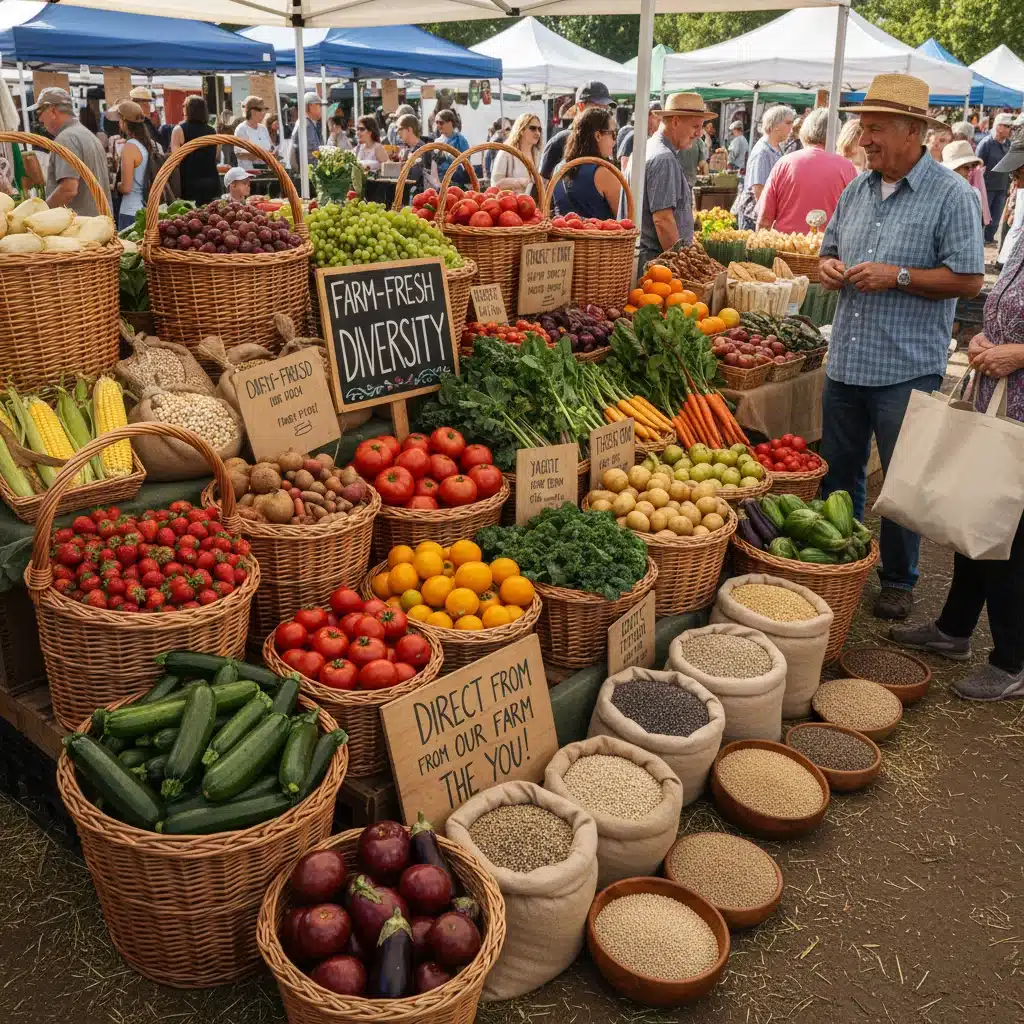
- Direct-to-Consumer Sales: Selling produce directly to consumers through farmers’ markets, Community Supported Agriculture (CSA) programs, or online platforms, which can capture a larger share of the retail price.
- Value-Added Products: Processing raw agricultural products into higher-value goods, such as jams, cheeses, baked goods, or craft beverages.
Robust Risk Management Tools
Several financial tools can help manage price risk and protect against adverse events:
- Crop Insurance: A fundamental tool, crop insurance protects against yield losses due to natural disasters. Farmers should carefully evaluate different policy options and coverage levels to find the best fit for their operation.
- Forward Contracts and Futures Markets: These allow farmers to lock in prices for their commodities before harvest, providing price certainty. Understanding and utilizing these complex financial instruments can hedge against price drops.
- Option Contracts: Offer more flexibility than futures contracts by providing the right, but not the obligation, to buy or sell a commodity at a specified price.
- Revenue Protection Plans: These insurance products protect against both yield and price declines, offering a more comprehensive safety net.
Prudent Debt Management and Cash Flow Planning
Maintaining a healthy balance sheet is crucial. Farmers should strive to minimize high-interest debt and maintain adequate cash reserves. Detailed cash flow projections are essential for anticipating periods of low income and planning for necessary expenditures. Establishing a strong relationship with agricultural lenders and having open lines of communication can also be beneficial during challenging times. Re-evaluating loan terms and exploring refinancing options when interest rates are favorable can also contribute to financial stability.
Operational Efficiency and Technological Adoption: The Smart Farm Approach
Leveraging technology and optimizing farm operations can significantly reduce costs and improve yields, thereby strengthening a farm’s position against Farmer Market Volatility.
Precision Agriculture
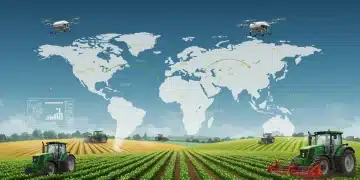
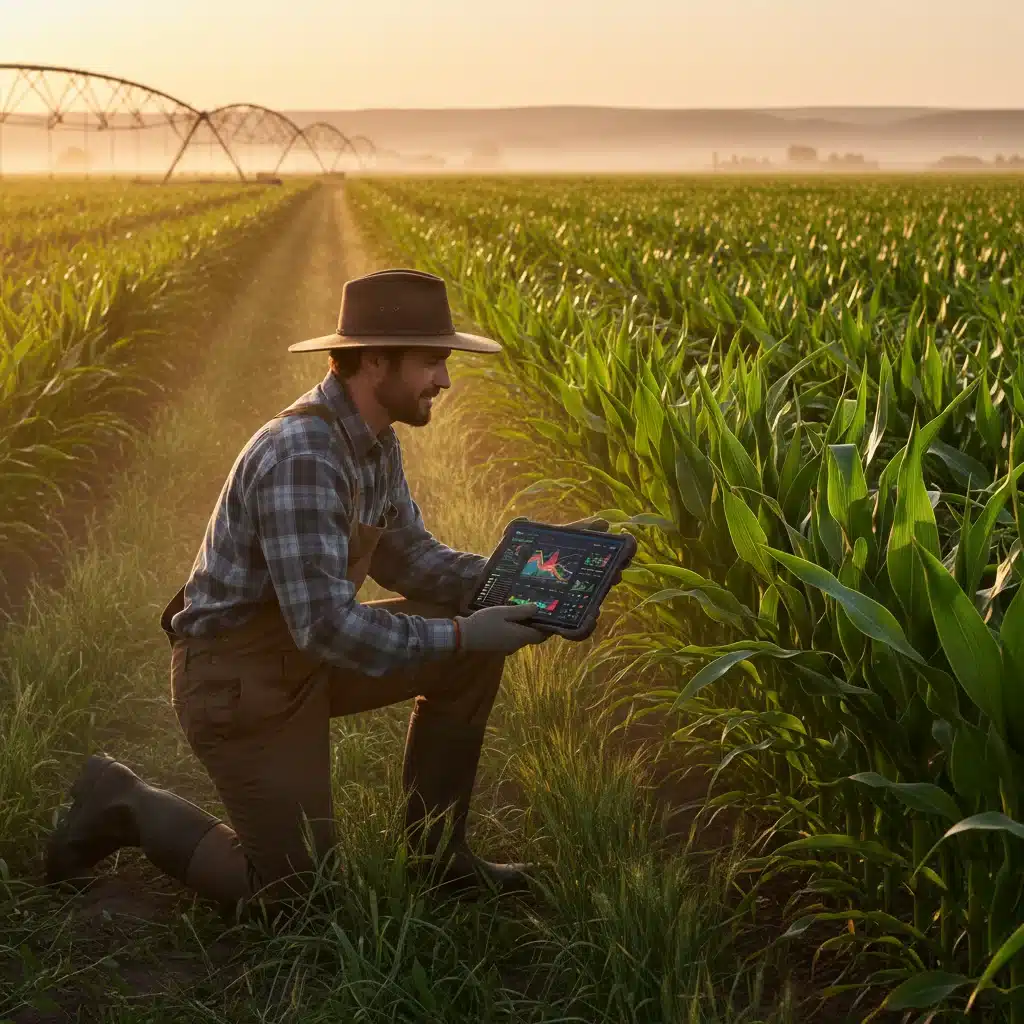
Precision agriculture utilizes technology like GPS, sensors, drones, and data analytics to apply inputs (water, fertilizer, pesticides) more precisely and efficiently. This reduces waste, lowers costs, and can lead to higher yields. Examples include:
- Variable Rate Technology (VRT): Applying inputs at varying rates across a field based on soil conditions and crop needs.
- Automated Steering Systems: Reducing overlap and fuel consumption.
- Remote Sensing: Monitoring crop health and identifying problem areas early.
Data-Driven Decision Making
Collecting and analyzing farm data—from yield maps to soil samples and weather patterns—can provide invaluable insights. This data can inform planting decisions, optimize input application, and help predict potential challenges. Farm management software can integrate various data points, offering a holistic view of the operation and enabling more informed strategic choices in response to Farmer Market Volatility.
Investing in Sustainable Practices
Sustainable farming practices are not only environmentally responsible but can also enhance economic resilience. Practices like no-till farming, cover cropping, and efficient irrigation systems can improve soil health, reduce erosion, conserve water, and lower input costs over the long term. These practices can also make farms more resilient to extreme weather events, a growing concern in the context of climate-driven Farmer Market Volatility.
Automation and Robotics
As labor costs rise and availability becomes a concern, automation and robotics offer promising solutions. Automated irrigation systems, robotic harvesters, and autonomous tractors can reduce labor demands, increase efficiency, and operate around the clock, providing significant operational advantages. While initial investment can be high, the long-term benefits in terms of cost savings and increased productivity can be substantial.
Market Intelligence and Strategic Marketing: Staying Ahead of the Curve
In a volatile market, having access to timely and accurate market intelligence, coupled with strategic marketing, can give farmers a significant competitive edge.
Continuous Market Monitoring
Farmers should regularly monitor commodity prices, global supply and demand reports, weather forecasts, and geopolitical developments. Subscribing to agricultural news services, engaging with university extension programs, and utilizing market analysis tools can provide critical insights. Understanding market trends and anticipating shifts can empower farmers to make more timely planting, selling, and purchasing decisions, directly countering the effects of Farmer Market Volatility.
Building Strong Relationships and Networks
Networking with other farmers, agricultural economists, and industry experts can provide valuable perspectives and shared learning opportunities. Participation in farmer cooperatives can also offer collective bargaining power, access to larger markets, and shared resources, which can be particularly beneficial during periods of market uncertainty.
Strategic Marketing and Branding
For farmers engaged in direct-to-consumer sales or value-added products, developing a strong brand and effective marketing strategies is crucial. This involves understanding target demographics, utilizing social media, and creating compelling narratives about their farm and products. A strong brand can command premium prices and build customer loyalty, providing a buffer against price competition in traditional commodity markets.
Policy Engagement and Advocacy: Shaping the Future of Farming
While individual farm strategies are vital, collective action and engagement with policy-makers can also play a significant role in mitigating Farmer Market Volatility.
Advocating for Supportive Agricultural Policies
Farmers should stay informed about proposed agricultural legislation and actively engage with their representatives. Advocacy for policies that support crop insurance programs, provide disaster relief, promote fair trade practices, and invest in agricultural research can create a more stable operating environment. Participating in agricultural organizations and trade associations provides a collective voice to influence policy decisions.
Understanding and Utilizing Government Programs
Federal and state governments offer various programs designed to support farmers, including conservation programs, disaster assistance, and loan programs. Farmers should thoroughly research and apply for any programs for which they are eligible. These programs can provide crucial financial assistance and resources to help navigate periods of Farmer Market Volatility.
Investing in Research and Development
Continued investment in agricultural research is essential for developing new crop varieties resistant to pests and diseases, improving yield potential, and creating more efficient farming techniques. Farmers can support these efforts by engaging with universities and research institutions, and advocating for public funding for agricultural R&D.
Case Studies: Lessons from Resilient Farms
Examining real-world examples of farms that have successfully navigated market challenges can provide valuable insights. Consider a Midwestern grain farm that, after experiencing severe price drops, diversified into specialty organic grains and began direct-selling to local bakeries and restaurants. This move not only stabilized their income but also allowed them to command premium prices. Another example might be a California fruit grower who invested heavily in water-saving technologies and drought-resistant varieties, effectively mitigating the impact of prolonged droughts on their yields and profitability. These stories underscore the power of adaptability and strategic planning in overcoming Farmer Market Volatility.
The Role of Education and Continuous Learning
The agricultural sector is constantly evolving, and continuous learning is critical for farmers to stay competitive and adapt to new challenges. Attending workshops, seminars, and conferences on topics such as financial management, precision agriculture, and marketing can provide farmers with the knowledge and skills needed to navigate a dynamic market. Engaging with agricultural extension services, which offer research-based information and practical advice, is also invaluable. Being informed about emerging technologies, market trends, and best practices allows farmers to proactively adjust their strategies, ensuring they are well-prepared for any anticipated Farmer Market Volatility.
Embracing Innovation
Innovation extends beyond just technology; it also encompasses new business models, cultivation techniques, and marketing approaches. Farmers who are open to experimenting with new ideas and adopting innovative solutions are better positioned to find niches and efficiencies that can protect them from broader market downturns. This could involve exploring alternative energy sources for farm operations, implementing regenerative agriculture practices for soil health, or even experimenting with urban farming models if applicable. The mindset of continuous improvement and innovation is a powerful asset in combating Farmer Market Volatility.
Conclusion: Cultivating Resilience in an Uncertain Future
The prospect of increased Farmer Market Volatility in 2026 presents significant challenges for U.S. farmers. However, by adopting a proactive and multi-faceted approach, farmers can build robust, resilient, and profitable operations. This involves a combination of astute financial management, strategic operational diversification, the judicious adoption of technology, continuous market intelligence, and active engagement in policy advocacy. The future of farming demands not just hard work, but smart work – informed decisions, adaptive strategies, and a willingness to embrace change. By integrating these strategies, U.S. farmers can navigate the complexities of the market, secure their livelihoods, and continue to provide the essential food, fiber, and fuel that sustain the nation and the world.
The journey through market volatility is ongoing, but with careful planning and a commitment to innovation, the U.S. agricultural sector can look forward to a future of sustained growth and prosperity, even in the face of uncertainty. The resilience of the American farmer is legendary, and by embracing these forward-thinking strategies, that legacy will undoubtedly continue to flourish.