Agricultural Commodity Forecast 2026: Navigating 15% Volatility for US Farmers
Agricultural Commodity Forecast 2026: What 15% Volatility Means for US Farmers’ Planning
The agricultural sector, the bedrock of global food security, is no stranger to fluctuations. However, the agricultural commodity forecast 2026 paints a picture of heightened uncertainty, projecting an average of 15% volatility across key commodities. For US farmers, this isn’t just a number; it represents a complex web of challenges and opportunities that demand meticulous planning and adaptive strategies. Understanding and preparing for this significant Agricultural Commodity Volatility is paramount for ensuring financial stability and sustainable operations.
Understanding the Drivers of 15% Agricultural Commodity Volatility
To effectively navigate the predicted 15% Agricultural Commodity Volatility in 2026, it’s crucial to first understand the underlying forces driving these significant price swings. The agricultural market is a complex ecosystem influenced by a multitude of interconnected factors, both domestic and global. These drivers can amplify price movements, leading to the substantial volatility farmers are expected to face.
Global Economic Conditions and Trade Policies
One of the primary determinants of commodity prices is the state of the global economy. A robust global economy typically translates to higher demand for agricultural products, pushing prices upward. Conversely, economic slowdowns or recessions can dampen demand, leading to price declines. In 2026, lingering effects of global economic shifts, potential trade disputes, and evolving international relations could all contribute to unpredictable market behavior. Changes in trade agreements, tariffs, and import/export policies can create significant disruptions, altering supply chains and affecting the competitiveness of US agricultural products on the world stage. Farmers need to closely monitor international news and governmental policy announcements, as these can have immediate and profound impacts on their bottom line. The interconnectedness of global markets means that events in one part of the world can ripple through to affect local prices, making a global perspective essential for managing Agricultural Commodity Volatility.
Weather Patterns and Climate Change Impacts
Agriculture is inherently tied to weather, and the increasing unpredictability of global weather patterns due to climate change is a major source of Agricultural Commodity Volatility. Droughts, floods, extreme temperatures, and unseasonal frosts can severely impact crop yields and livestock health, leading to supply shortages and price spikes. Conversely, exceptionally favorable weather conditions across major growing regions can lead to bumper harvests, potentially depressing prices. The 2026 forecast likely incorporates assumptions about these climatic uncertainties, making it imperative for farmers to consider localized weather predictions and long-term climate trends. Implementing resilient farming practices, such as drought-resistant crops, improved irrigation systems, and diversification, can help mitigate some of these weather-related risks. The frequency and intensity of extreme weather events are increasing, making weather risk management a core component of future farm planning.
Geopolitical Events and Supply Chain Disruptions
Geopolitical instability, conflicts, and regional unrest can have far-reaching consequences for agricultural markets. Major producing or consuming regions experiencing conflict can disrupt supply, leading to shortages and price increases. Similarly, disruptions in critical transportation routes, such as shipping lanes or railway networks, can impede the movement of commodities, creating bottlenecks and affecting prices. The pandemic highlighted the fragility of global supply chains, and future disruptions, whether from natural disasters, political actions, or health crises, remain a significant threat. Farmers must consider the potential for such events to impact their access to inputs (e.g., fertilizers, fuel) and their ability to bring products to market, both of which contribute to Agricultural Commodity Volatility. Diversifying supply chain partners and exploring local market options can be vital strategies.
Input Costs and Energy Prices
The cost of agricultural inputs – fertilizers, seeds, fuel, pesticides, and labor – directly influences the profitability of farming operations and can indirectly affect commodity prices. Energy prices, in particular, play a significant role, impacting transportation costs, the production of fertilizers, and the operation of farm machinery. Fluctuations in crude oil prices, for instance, can lead to corresponding shifts in agricultural production costs. If input costs rise sharply, farmers may reduce planting or herd sizes, potentially tightening supply and pushing commodity prices higher. Conversely, if input costs fall, it can encourage greater production. Managing these variable costs is a continuous challenge for farmers, and their volatility contributes directly to overall Agricultural Commodity Volatility. Strategic purchasing, hedging input costs, and exploring alternative energy sources can help manage this risk.
Technological Advancements and Productivity Gains
While often viewed positively, rapid technological advancements can also contribute to market volatility. New seeds, precision agriculture techniques, and improved machinery can lead to significant productivity gains, potentially increasing supply and putting downward pressure on prices. While beneficial for efficiency, widespread adoption of new technologies can sometimes create temporary oversupply situations. Conversely, a lack of widespread adoption in some regions could lead to disparities in production costs and output. The pace of innovation and its uneven application across the agricultural landscape add another layer of complexity to predicting market movements and managing Agricultural Commodity Volatility.
Consumer Demand and Dietary Shifts
Changes in consumer preferences, dietary trends, and population growth also play a role in shaping agricultural markets. Growing demand for plant-based proteins, organic produce, or specific dietary staples can shift market dynamics, favoring certain commodities while potentially reducing demand for others. Population growth, particularly in emerging economies, can drive overall demand for food, but specific dietary shifts can create localized volatility. Farmers who can adapt their production to meet evolving consumer demands may find greater stability, while those tied to declining trends could face increased Agricultural Commodity Volatility. Market research and staying attuned to consumer trends are becoming increasingly important for strategic farm planning.
These multifaceted drivers underscore why the 15% Agricultural Commodity Volatility for 2026 is not just a statistical anomaly but a reflection of a dynamic and interconnected global system. For US farmers, a comprehensive understanding of these factors is the first step toward developing robust strategies to mitigate risk and capitalize on opportunities.
Strategic Planning for US Farmers Amidst Volatility
Facing a projected 15% Agricultural Commodity Volatility in 2026, US farmers must adopt proactive and strategic planning approaches. Relying on traditional methods alone may not suffice in an increasingly unpredictable market. The key lies in diversification, robust financial management, and leveraging technology and market intelligence.
Diversification of Crops and Livestock
One of the most effective strategies to mitigate the impact of Agricultural Commodity Volatility is diversification. Instead of relying heavily on a single crop or livestock type, farmers can spread their risk by cultivating a variety of crops or raising different types of livestock. If the price of one commodity drops significantly, the profitability of others can help cushion the financial blow. For instance, a farmer growing corn might also consider soybeans, wheat, or specialty crops that cater to niche markets. Similarly, a livestock producer might diversify from cattle to include hogs or poultry, or even explore aquaculture. Diversification can also extend to exploring different market channels, such as direct-to-consumer sales, local farmers’ markets, or value-added processing, which can provide more stable income streams less dependent on global commodity prices. This approach not only reduces market risk but can also contribute to soil health and ecological balance on the farm.
Implementing Robust Risk Management Tools
Modern agriculture offers a range of sophisticated risk management tools that can be invaluable in periods of high Agricultural Commodity Volatility. These include:
- Futures and Options Contracts: These financial instruments allow farmers to lock in prices for their produce well in advance of harvest, providing price certainty. While they come with their own risks and require careful understanding, they can be powerful tools for hedging against adverse price movements.
- Crop Insurance: Federal and private crop insurance programs are essential safety nets, protecting farmers against losses due to natural disasters, disease, or unexpected declines in yield. Understanding the various coverage options and selecting the most appropriate one for specific farm operations is crucial.
- Forward Contracts: Similar to futures, forward contracts are agreements to sell a specified amount of a commodity at a predetermined price and date. These are typically negotiated directly with buyers, offering more flexibility than exchange-traded futures.
- Storage and Inventory Management: Strategic storage allows farmers to hold their commodities off the market when prices are low and sell when prices improve. This requires careful consideration of storage costs, potential spoilage, and market forecasts to make informed decisions.
Financial Planning and Cash Flow Management
Sound financial planning is the backbone of resilience against Agricultural Commodity Volatility. Farmers should focus on:
- Building Cash Reserves: Maintaining adequate cash reserves provides a buffer during periods of low prices or unexpected expenses. This can prevent the need to sell commodities at unfavorable times.
- Managing Debt Prudently: High debt loads can exacerbate the impact of price volatility. Farmers should review their debt structures, explore refinancing options for lower interest rates, and avoid over-leveraging.
- Developing Multiple Revenue Streams: Beyond traditional commodity sales, consider agritourism, renewable energy projects (e.g., solar panels, wind turbines), or leasing land for hunting or other recreational activities. These alternative revenue sources can provide supplementary income and reduce reliance on volatile commodity markets.
- Cost Control: Regularly review and optimize operational costs. This includes negotiating better prices for inputs, improving machinery efficiency, and adopting lean farming practices to reduce waste.

Leveraging Technology and Data Analytics
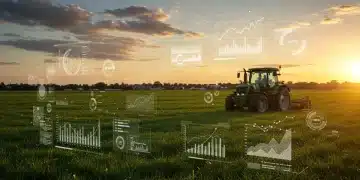
The digital revolution offers powerful tools for managing Agricultural Commodity Volatility. Precision agriculture technologies, such as GPS-guided equipment, drones, and sensors, can optimize input use, improve yields, and reduce operational costs. Data analytics platforms can provide real-time market insights, weather forecasts, and predictive models, helping farmers make more informed decisions about planting, harvesting, and selling. Farm management software can streamline record-keeping, track expenses, and analyze profitability, offering a clearer picture of financial health. Investing in these technologies, and more importantly, learning to effectively utilize the data they generate, can provide a significant competitive advantage.
Continuous Market Monitoring and Education
The agricultural market is dynamic, and staying informed is a continuous process. Farmers should subscribe to reputable market reports, attend agricultural outlook conferences, and engage with extension services and agricultural economists. Understanding global supply and demand trends, geopolitical developments, and weather forecasts can help anticipate market shifts and adjust strategies accordingly. Ongoing education about new farming techniques, financial instruments, and risk management strategies is also crucial for adapting to the evolving landscape of Agricultural Commodity Volatility.
By integrating these strategic planning elements, US farmers can build more resilient and adaptable operations, positioning themselves to not only withstand the projected 15% Agricultural Commodity Volatility in 2026 but also to potentially thrive within it.
Impact on Key US Agricultural Sectors
The projected 15% Agricultural Commodity Volatility in 2026 will not affect all US agricultural sectors equally. While the overarching trend of unpredictability holds, the specific challenges and opportunities will vary significantly across different commodities. Understanding these sector-specific implications is crucial for targeted planning and mitigation strategies.
Grain and Oilseed Producers (Corn, Soybeans, Wheat)
Grain and oilseed producers are often at the forefront of Agricultural Commodity Volatility due to their global interconnectedness. Corn, soybeans, and wheat are staple crops, highly influenced by international trade, weather patterns in major producing regions (like the US, Brazil, Argentina, and the Black Sea region), and global demand shifts for food, feed, and biofuels. A 15% volatility could mean substantial swings in revenue within a single growing season. For instance, a favorable growing season in South America could depress US prices, while a drought in the Midwest could send them soaring. Farmers in this sector must be particularly adept at using futures and options markets, implementing robust crop insurance, and making timely selling decisions. Storage capacity will be a critical asset, allowing farmers to hold products when prices are low and release them when markets improve. Diversifying crop rotations, exploring value-added processing (e.g., ethanol, soy-based products), and focusing on high-yield, drought-resistant varieties will be key strategies.
Livestock Producers (Cattle, Hogs, Poultry)
Livestock producers face a dual challenge: volatility in both their input costs (primarily feed grains like corn and soybeans) and their output prices (meat). A 15% swing in grain prices can significantly impact feeding costs, squeezing profit margins. For cattle, the long production cycle (from calf to market weight) means that producers are exposed to price volatility for an extended period. Hog and poultry producers have shorter cycles but are still highly sensitive to feed costs and consumer demand for meat. Disease outbreaks, both domestic and international, can also dramatically affect livestock prices and trade. Strategies for livestock producers include:
- Feed Cost Management: Hedging feed grain purchases, forward contracting with suppliers, and exploring alternative feed sources.
- Genetic Improvement: Focusing on genetics that improve feed conversion ratios and disease resistance.
- Market Diversification: Exploring direct-to-consumer sales, niche markets (e.g., organic, grass-fed), and value-added meat products.
- Risk Protection: Utilizing Livestock Risk Protection (LRP) insurance programs to protect against declining market prices.
Managing the interplay between feed costs and meat prices will be paramount in navigating the predicted Agricultural Commodity Volatility.
Dairy Farmers
Dairy farming is notoriously susceptible to price swings, often influenced by global demand for dairy products, inventory levels, and government policies. A 15% volatility could translate to significant income instability for dairy producers. Factors such as milk production levels, cheese and butter stocks, and export demand for dairy ingredients all contribute to price fluctuations. Feed costs are also a major concern, similar to other livestock sectors. Dairy farmers can mitigate risk by:
- Participation in Dairy Revenue Protection (DRP): A federal insurance program that protects against unexpected declines in milk revenue.
- Herd Management: Optimizing herd health and productivity to maximize output per cow.
- Value-Added Products: Processing milk into cheese, yogurt, or other specialty dairy products to capture higher margins and diversify revenue.
- Cooperative Membership: Many dairy farmers benefit from the stability and market access provided by dairy cooperatives.
The capital-intensive nature of dairy farming makes effective management of Agricultural Commodity Volatility particularly critical.
Specialty Crop Growers (Fruits, Vegetables, Nuts)
Specialty crop growers often operate in more localized or regional markets compared to commodity grain producers, but they are not immune to Agricultural Commodity Volatility. Their challenges often stem from highly perishable products, labor availability and costs, and specific weather requirements. A sudden frost can wipe out an entire fruit crop, leading to massive price spikes for consumers and complete loss for affected farmers. Market saturation can also quickly depress prices for certain specialty crops. Strategies include:
- Diversification: Growing a range of different fruits, vegetables, or nuts to spread risk.
- Direct Marketing: Selling directly to consumers through farmers’ markets, CSAs (Community Supported Agriculture), or farm stands to capture higher retail prices and build customer loyalty.
- Protected Agriculture: Utilizing greenhouses, high tunnels, or other controlled environments to mitigate weather risks and extend growing seasons.
- Value-Added Processing: Turning excess or imperfect produce into jams, sauces, dried fruits, or other processed goods.
While often commanding higher prices, specialty crops require intense management and strategic marketing to navigate their unique forms of Agricultural Commodity Volatility.
In essence, while the 15% Agricultural Commodity Volatility presents a universal challenge, the specific strategies for adaptation must be tailored to the unique characteristics and market dynamics of each agricultural sector. Cross-sector learning and collaboration can also provide valuable insights and innovative solutions.
Government Support and Policy Implications
In the face of projected 15% Agricultural Commodity Volatility for 2026, the role of government support and policy becomes increasingly critical for US farmers. While farmers are expected to adopt proactive strategies, governmental frameworks can provide essential safety nets, incentives, and market stability measures that mitigate the worst impacts of price swings and foster long-term resilience.
Existing Farm Bill Programs and Their Effectiveness
The US Farm Bill is a comprehensive piece of legislation that typically gets reauthorized every five years, covering a wide range of agricultural and food programs. Key programs relevant to managing Agricultural Commodity Volatility include:
- Crop Insurance Programs: These are arguably the most significant risk management tools available to farmers. Federally subsidized crop insurance protects against yield losses and revenue declines due to natural disasters or market price drops. For 2026, farmers need to thoroughly understand their coverage options, particularly Revenue Protection (RP) and Actual Production History (APH) policies, and assess if current coverage levels are adequate for the anticipated 15% volatility.
- Price Loss Coverage (PLC) and Agriculture Risk Coverage (ARC): These commodity programs provide payments to farmers when commodity prices fall below a certain reference price (PLC) or when county-level or individual farm revenue falls below historical benchmarks (ARC). These programs offer crucial safety nets against significant price downturns, helping to stabilize farm income during periods of low prices caused by Agricultural Commodity Volatility. Farmers must choose between these programs, and the optimal choice often depends on individual farm risk profiles and commodity price outlooks.
- Conservation Programs: While not directly addressing price volatility, programs like the Conservation Reserve Program (CRP) and Environmental Quality Incentives Program (EQIP) offer payments for implementing conservation practices. These can indirectly support farm income, diversify revenue streams, and build long-term farm resilience against climate-related risks that contribute to volatility.
For 2026, the effectiveness of these programs will depend on their funding levels, responsiveness to current market conditions, and how well farmers understand and utilize them. Advocacy for robust and flexible Farm Bill provisions will be important.
Potential for New or Adapted Policy Measures
Given the persistent challenge of Agricultural Commodity Volatility, there may be a need for new or adapted policy measures. These could include:
- Enhanced Market Transparency: Policies that improve data collection and dissemination could help farmers make more informed decisions and reduce information asymmetries that can exacerbate volatility.
- Support for Value-Added Agriculture: Programs that provide grants, loans, or technical assistance for farmers to process their own products or develop niche markets can help diversify income and reduce reliance on raw commodity prices.
- Climate Resilience Initiatives: Increased funding and incentives for practices that enhance soil health, water conservation, and climate adaptation could help farmers mitigate weather-related yield losses, a major driver of volatility.
- Supply Chain Resiliency: Policies aimed at strengthening domestic supply chains, reducing reliance on single-source inputs, and improving infrastructure could help buffer against global disruptions.
- Export Market Development: Government efforts to open new export markets or strengthen existing trade relationships can provide additional outlets for US agricultural products, potentially stabilizing demand and prices.
Policymakers will need to consider how to best support farmers in navigating this environment without distorting markets or creating unintended consequences. The balance between market-based solutions and governmental safety nets is always a delicate one.

Role of Agricultural Research and Extension Services
Government-funded agricultural research institutions and university extension services play a vital role in helping farmers adapt to Agricultural Commodity Volatility. They provide:
- Research into Resilient Crops and Practices: Developing new crop varieties that are more resistant to pests, diseases, and extreme weather, or researching innovative farming techniques that improve efficiency and sustainability.
- Market Analysis and Forecasting: Providing unbiased, science-based market outlooks and analysis to help farmers understand trends and make informed decisions.
- Education and Training: Offering workshops, seminars, and personalized advice on risk management strategies, financial planning, and the adoption of new technologies.
- Technical Assistance: Assisting farmers with the implementation of conservation practices, precision agriculture tools, and other modern farming techniques.
Ensuring adequate funding and support for these institutions is crucial for empowering farmers with the knowledge and tools needed to thrive in a volatile market. Collaboration between researchers, extension agents, and farmers is key to developing practical and effective solutions.
Ultimately, a combination of robust individual farm strategies and supportive governmental policies will be necessary to help US farmers successfully navigate the 15% Agricultural Commodity Volatility projected for 2026. This collaborative approach recognizes that the challenges are too great for any single entity to bear alone and that a resilient agricultural sector benefits the entire nation.
The Role of Technology and Innovation in Mitigating Volatility
In an era defined by increasing Agricultural Commodity Volatility, technological advancements and innovation are not just beneficial but essential for US farmers. They offer powerful tools to enhance efficiency, reduce risks, and improve decision-making, thereby helping to stabilize incomes and operations amidst unpredictable markets.
Precision Agriculture and Data-Driven Farming
Precision agriculture leverages technology to optimize inputs and maximize outputs, directly addressing cost-efficiency and yield stability – two critical factors in mitigating volatility. This includes:
- GPS-Guided Equipment: Ensures precise planting, spraying, and harvesting, reducing overlaps and waste of seeds, fertilizers, and pesticides. This directly lowers operational costs, making farms more resilient to price fluctuations in inputs.
- Sensors and Drones: Provide real-time data on soil moisture, nutrient levels, crop health, and pest infestations. This allows for targeted interventions, preventing yield losses and optimizing resource allocation. For example, applying water only where needed can significantly reduce irrigation costs, a major expense that can fluctuate with energy prices.
- Variable Rate Technology (VRT): Enables farmers to apply inputs (fertilizer, seeds, water) at varying rates across a field based on specific needs identified by sensor data. This not only saves money but also improves environmental sustainability and yields.
- Yield Monitoring and Mapping: Provides detailed data on crop performance across different parts of a field, allowing farmers to identify less productive areas and make informed decisions for future seasons. Understanding yield variability is key to predicting supply and managing potential revenue shortfalls caused by Agricultural Commodity Volatility.
By transforming raw data into actionable insights, precision agriculture empowers farmers to make more informed decisions, enhancing their ability to adapt to changing market conditions and reduce financial exposure to Agricultural Commodity Volatility.
Advanced Forecasting and Market Intelligence Tools
Access to timely and accurate market information is a significant advantage when dealing with Agricultural Commodity Volatility. Innovations in data analytics and artificial intelligence are leading to more sophisticated forecasting tools:
- Predictive Analytics: AI-driven models can analyze vast datasets, including historical prices, weather patterns, global economic indicators, and geopolitical events, to generate more accurate price forecasts for commodities. This allows farmers to anticipate market shifts and make better decisions about when to sell or hedge.
- Satellite Imagery and Remote Sensing: Provides large-scale, real-time insights into global crop conditions and yields, offering an early warning system for potential supply shortages or surpluses that could impact prices.
- Blockchain Technology: While still nascent in agriculture, blockchain can enhance supply chain transparency, improve traceability, and potentially streamline transactions, reducing risks and costs associated with market inefficiencies. This could lead to more stable and predictable pricing mechanisms.
- Digital Market Platforms: Online platforms facilitate direct sales, futures trading, and access to a broader network of buyers and sellers, increasing market access and potentially reducing reliance on traditional, sometimes less transparent, market channels.
These tools, when integrated into farm management, provide farmers with a clearer picture of the market landscape, enabling them to react strategically to the projected 15% Agricultural Commodity Volatility.
Biotechnology and Resilient Crop Varieties
Biotechnology plays a crucial role in developing crop varieties that are more resilient to the environmental and biological stresses that contribute to Agricultural Commodity Volatility:
- Drought and Flood Tolerant Crops: Genetically engineered or conventionally bred varieties that can withstand extreme weather conditions reduce yield losses, providing more consistent production regardless of climatic shifts.
- Pest and Disease Resistant Crops: Varieties that are inherently resistant to common pests and diseases reduce the need for costly chemical treatments and prevent catastrophic yield failures, thereby stabilizing production and reducing costs.
- Nutrient-Efficient Crops: Developing crops that require less fertilizer can reduce input costs, a significant factor when fertilizer prices are volatile.
- Enhanced Nutritional Content: Crops with improved nutritional profiles can open new market opportunities and command premium prices, diversifying revenue streams beyond basic commodity sales.
Investment in agricultural research and development for these resilient crop varieties is an investment in long-term food security and farm stability against Agricultural Commodity Volatility.
Renewable Energy and Sustainable Practices
Adopting renewable energy sources and sustainable farming practices can also indirectly mitigate Agricultural Commodity Volatility by reducing operational costs and creating new revenue streams:
- On-Farm Solar or Wind Power: Reduces reliance on volatile fossil fuel prices for electricity, lowering operating expenses. Excess energy can even be sold back to the grid, creating an additional income source.
- Biofuels Production: Some farms can produce their own biofuels from agricultural waste, further reducing fuel costs.
- Composting and Manure Management: Converts farm waste into valuable fertilizer, reducing the need for purchased synthetic fertilizers and improving soil health.
- Carbon Sequestration: Sustainable practices like no-till farming and cover cropping can sequester carbon in the soil, potentially allowing farmers to participate in carbon credit markets and generate new revenue.
While these innovations may require initial investment, their long-term benefits in terms of cost savings, increased efficiency, and diversified income streams make them powerful tools in the fight against Agricultural Commodity Volatility. Embracing technology and innovation is no longer an option but a necessity for the future of US agriculture.
Long-Term Outlook and Recommendations for US Farmers
The projected 15% Agricultural Commodity Volatility in 2026 is likely not an isolated incident but rather a symptom of a new normal in global agriculture. Climate change, geopolitical shifts, and evolving consumer demands will continue to make agricultural markets dynamic and often unpredictable. For US farmers, a long-term perspective coupled with continuous adaptation will be essential for sustained success.
Embracing Adaptability as a Core Principle
The most crucial recommendation for US farmers is to cultivate a culture of adaptability. This means moving beyond rigid annual plans and developing flexible strategies that can respond quickly to changing market signals, weather events, and policy shifts. Farmers should regularly review their business models, assess their risk exposure, and be willing to pivot when necessary. This might involve adjusting planting intentions based on early market forecasts, modifying livestock feeding programs in response to feed price changes, or exploring new market channels as consumer preferences evolve. Adaptability also extends to learning and adopting new technologies and practices, ensuring the farm remains competitive and efficient. The ability to quickly adjust to the unexpected will be a farmer’s most valuable asset in managing persistent Agricultural Commodity Volatility.
Investing in Resilient Infrastructure and Practices
Long-term resilience against Agricultural Commodity Volatility requires strategic investments:
- Water Management Systems: Investing in efficient irrigation systems, water storage, and drainage solutions to cope with both droughts and floods.
- Soil Health Initiatives: Practices like cover cropping, no-till farming, and diverse crop rotations improve soil structure, water retention, and nutrient cycling, making crops more resilient and reducing reliance on synthetic inputs.
- On-Farm Storage: Expanding grain bins or cold storage facilities provides greater flexibility to hold products until market prices are favorable, reducing the pressure to sell at a loss during periods of low prices.
- Diversified Energy Sources: Exploring solar, wind, or biomass energy generation on the farm can hedge against volatile fossil fuel prices and potentially create new revenue streams.
These investments, while potentially costly upfront, pay dividends in long-term stability and reduced operational risks, directly countering the effects of Agricultural Commodity Volatility.
Strengthening Financial Literacy and Business Acumen
Modern farming is as much a business as it is a way of life. Farmers need to continuously enhance their financial literacy and business acumen. This includes:
- Understanding Financial Instruments: Gaining a deep understanding of futures, options, forward contracts, and insurance products.
- Developing Robust Budgets and Cash Flow Projections: Creating detailed financial plans that account for potential price swings and stress-testing them against various market scenarios.
- Seeking Professional Advice: Partnering with agricultural economists, financial advisors, and risk management specialists to gain expert insights and develop tailored strategies.
- Networking with Peers: Learning from other farmers, sharing best practices, and collaborating on market intelligence can provide invaluable support and insights.
Strong business management skills are crucial for translating market insights into profitable decisions and for navigating the financial complexities brought by Agricultural Commodity Volatility.
Advocating for Supportive Agricultural Policies
Farmers also have a critical role to play in advocating for agricultural policies that support long-term stability and resilience. This involves engaging with local, state, and federal policymakers to ensure that future Farm Bills and other agricultural legislation are responsive to the realities of a volatile market. Key advocacy areas could include:
- Robust Funding for Crop Insurance and Safety Net Programs: Ensuring these programs remain effective and accessible.
- Investment in Agricultural Research and Extension: Supporting institutions that develop new technologies and provide critical education.
- Trade Policies that Promote Fair and Open Markets: Reducing trade barriers that can exacerbate price volatility.
- Incentives for Sustainable and Climate-Resilient Practices: Encouraging practices that build long-term farm health.
A unified voice from the agricultural community can significantly influence the policy landscape, creating a more favorable environment for managing Agricultural Commodity Volatility.
Focusing on Value Creation and Market Differentiation
Beyond producing raw commodities, farmers can enhance their long-term profitability and reduce exposure to price swings by focusing on value creation. This means exploring opportunities to:
- Process Products On-Farm: Turning raw commodities into higher-value goods (e.g., milk into cheese, corn into specialty flours, fruits into jams).
- Develop Niche Markets: Producing organic, locally sourced, specialty-fed, or identity-preserved products that command premium prices.
- Direct-to-Consumer Sales: Building brand loyalty and capturing a larger share of the retail price through farmers’ markets, CSAs, or online stores.
- Agritourism: Generating income through farm tours, events, or unique farm experiences.
By moving up the value chain, farmers can differentiate their products, build stronger relationships with consumers, and create more stable revenue streams, thereby reducing their vulnerability to broad Agricultural Commodity Volatility.
The 2026 forecast of 15% Agricultural Commodity Volatility is a call to action for US farmers. While challenging, it also presents an opportunity for innovation, strategic growth, and the development of more resilient and sustainable agricultural systems. By embracing adaptability, leveraging technology, strengthening financial acumen, advocating for supportive policies, and focusing on value creation, US farmers can not only survive but thrive in this evolving landscape, ensuring a stable and prosperous future for American agriculture.