Variable rate fertilizer application systems: the key to precision farming
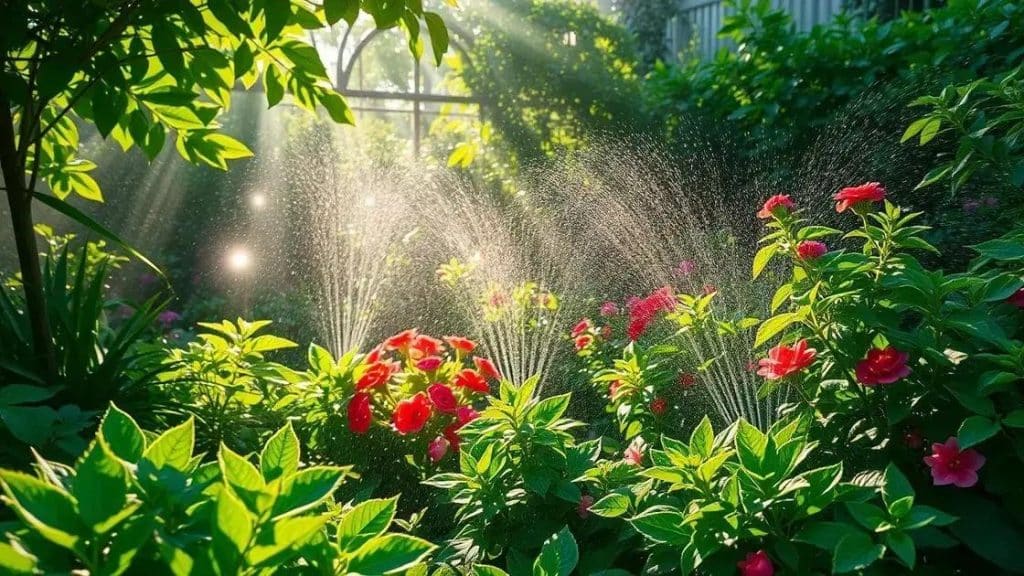
Variable rate fertilizer application systems enable farmers to optimize nutrient delivery by adjusting fertilizer application rates based on specific field conditions, leading to improved crop yields and reduced wastage.
Variable rate fertilizer application systems are transforming agriculture by enabling farmers to optimize their resource use. Have you ever wondered how these systems can increase crop yields while reducing costs? Let’s take a closer look.
Understanding variable rate technology
Understanding variable rate technology is essential for modern agriculture. This advanced approach allows farmers to apply fertilizers more efficiently, ensuring that each plant receives the nutrients it needs without waste. By utilizing precise data, especially in varying field conditions, farmers can optimize their inputs.
What is variable rate technology?
Variable rate technology (VRT) refers to systems that manage the application of inputs based on spatial variability. These systems analyze data from soil tests, crop health, and field performance to decide how much fertilizer is needed in specific areas. This technique not only boosts productivity but also plays a vital role in sustainability.
How does it work?
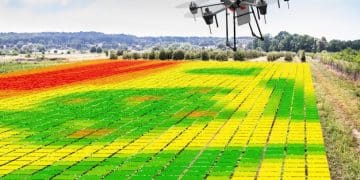
VRT works through a combination of GPS and mapping technology. Farmers often use drones or sensors to gather information about their fields. This data guides the application rates of fertilizers, ensuring accurate and efficient placement. Farmers apply the right amount of nutrients at the right time, which can lead to increased crop yields.
- Maximizes efficiency of fertilizer use
- Reduces environmental impact
- Enhances crop health and yield
The adoption of variable rate technology is growing. Farmers are realizing the benefits it brings, such as savings on fertilizers and improved crop quality. Innovations in technology are making it easier to implement these systems on various scales.
Key benefits of using VRT
Implementing variable rate technology offers several advantages. First, it promotes a targeted approach to nutrient application. Secondly, it can significantly cut down on the overuse of fertilizers, which not only saves money but also helps in mitigating potential environmental issues. By observed data, farmers can adjust their practices based on real-time information.
Overall, understanding variable rate technology empowers farmers to make better decisions, influencing the sustainability and profitability of their operations.
Benefits of precision fertilizer application

The benefits of precision fertilizer application are numerous and significant for modern farming practices. This method ensures that crops receive the right nutrients exactly where and when they need them, leading to healthier plants and better yields.
Increased efficiency
One of the primary advantages of precision fertilizer application is increased efficiency. Farmers can apply fertilizers more accurately, preventing both over-application and under-application. This leads to better resource management and cost savings.
- Reduces waste of fertilizers
- Minimizes environmental impact
- Enhances crop responsiveness
Farmers using precision application often notice a marked improvement in crop health. By targeting specific areas of their fields, they can provide tailored nutrient solutions that cater to varying soil conditions. This customized approach often results in healthier crops and higher yields.
Cost savings
Precision fertilizer application also translates to significant cost savings. With the right tools and data, farmers can reduce the quantity of fertilizer used, leading to lower overall input costs. Moreover, by enhancing crop yields, they maximize profits while maintaining sustainability in their practices.
By investing in precision techniques, farmers position themselves to not only improve their productivity but also to actively contribute to a more sustainable form of agriculture. Implementing these technologies can make a considerable difference in both immediate and long-term farming outcomes.
How to choose the right system for your farm
Choosing the right system for your farm is crucial for maximizing efficiency and productivity. With the growing number of variable rate fertilizer application systems, understanding how to select the best one can significantly improve your farming results.
Consider your farm’s needs
Start by evaluating your farm’s specific needs. Different crops and soil types may require distinct fertilizer strategies. Assessing the variability of your fields will help identify the best system tailored for you. Consider factors such as the size of your land, the types of crops you grow, and your budget.
- Crops and their nutrient requirements
- Field size and layout
- Available budget for technology
An important aspect to consider is the technology available in your region. Some systems come equipped with advanced features like GPS mapping and real-time data analysis. Choose a system that integrates well with existing machinery and practices, allowing for a seamless transition.
Evaluate different technologies
Compare various technologies offered by manufacturers. Some systems provide detailed analytics and grounds mapping, which can aid in better decision-making. Reviews and testimonials from other farmers can also provide valuable insights.
It’s wise to look into the support and training services offered by the system provider. A system is only as good as the support that comes with it. Ensure that they provide adequate training and ongoing customer support to help you fully utilize the technology.
By thoroughly evaluating the options available and understanding your specific requirements, you can confidently choose a variable rate fertilizer application system that best fits your farm. This choice will not only boost productivity but also contribute to sustainable practices in agriculture.
Challenges in implementing variable rate systems
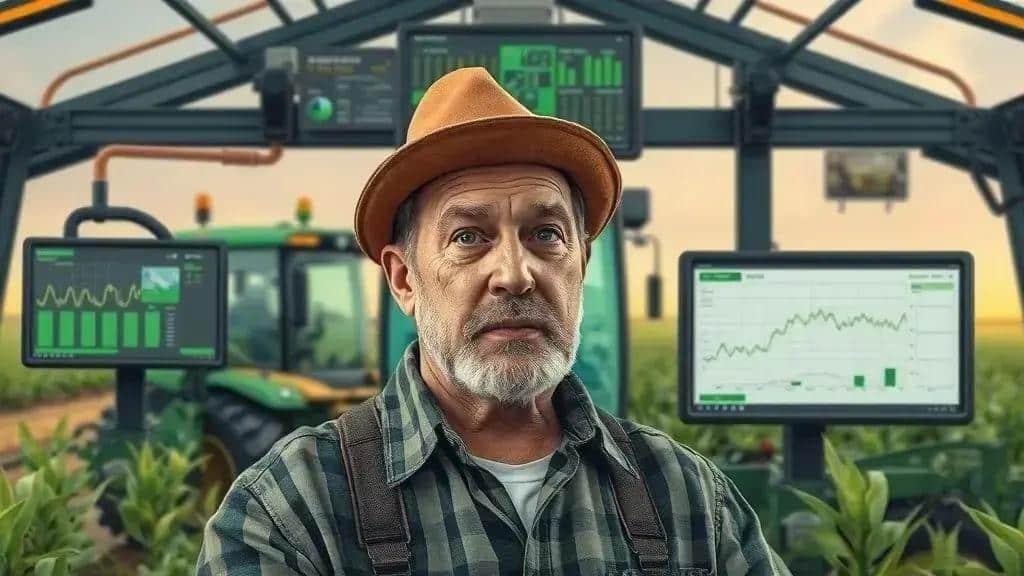
Implementing variable rate systems can bring significant advantages to farming, but it also comes with its own set of challenges. Farms must carefully consider these obstacles to ensure a smooth transition and maximize the benefits of this technology.
Initial costs and investment
One of the biggest challenges is the initial investment required for setting up variable rate technology. The cost of equipment and software can be a barrier for many farmers, especially those with smaller operations. It’s important to weigh these costs against the potential savings and increased yields over time.
- High upfront technology costs
- Need for professional installation
- Training and support expenses
Farmers should also consider ongoing maintenance costs. Keeping the technology updated and functioning properly requires both time and financial resources. Regular training sessions may be necessary to keep up with advancements in the technology.
Data management and interpretation
Data management can also pose challenges in the implementation of these systems. The amount of data collected can be overwhelming, and farmers may struggle to interpret this information effectively. Understanding soil health, crop needs, and environmental factors is crucial for making informed decisions.
Farmers must invest time in learning how to analyze and use the data to their advantage. This process can be complex and require collaboration with specialists who understand both agriculture and technology.
Finally, adapting to a new approach can be a cultural shift for some farmers. They may need to change long-standing practices and embrace a new mindset focused on precision and data-driven decisions. This transition requires patience and open-mindedness to succeed in implementing variable rate systems.
variable rate systems can greatly enhance farm productivity and efficiency. However, challenges such as initial costs, data management, and a shift in farming practices need careful consideration. By understanding both the benefits and difficulties, farmers can make informed decisions and embrace precision agriculture effectively. This approach is not just about technology; it’s about crafting a sustainable future for farming that prioritizes resource management and environmental stewardship.
FAQ – Frequently Asked Questions about Variable Rate Fertilizer Application Systems
What are variable rate fertilizer application systems?
Variable rate fertilizer application systems are advanced technologies that allow farmers to apply fertilizers at variable rates across their fields based on specific needs.
What are the main benefits of using these systems?
The main benefits include increased efficiency, cost savings, improved crop yield, and reduced environmental impact by applying nutrients more precisely.
What challenges might farmers face when implementing these systems?
Farmers may encounter challenges such as high initial costs, data management difficulties, and the need for training on new technologies.
How can I choose the right variable rate system for my farm?
Consider your farm’s specific needs, evaluate different technologies available, and ensure the system aligns with your budget and crop requirements.