Variable Rate Fertilizer Application: Boost U.S. Crop Yields 12%
In the dynamic world of agriculture, where every input counts, the quest for efficiency and sustainability is paramount. Farmers across the United States are continually seeking innovative solutions to maximize yields, minimize waste, and protect the environment. One such groundbreaking approach that is revolutionizing nutrient management is Variable Rate Fertilization. This advanced technique moves beyond the traditional ‘one-size-fits-all’ approach to fertilizer application, instead tailoring nutrient delivery to the specific needs of different areas within a field. The result? Optimized nutrient use, significant cost savings, and a remarkable potential to boost U.S. crop yields by an average of 12%.
The implications of a 12% increase in yield are staggering. For a nation that feeds a significant portion of the world, such an improvement translates into enhanced food security, greater economic stability for farmers, and a reduced ecological footprint. But what exactly is Variable Rate Fertilization, how does it work, and what are the tangible benefits that are driving its widespread adoption?
Understanding the Core Concept of Variable Rate Fertilization
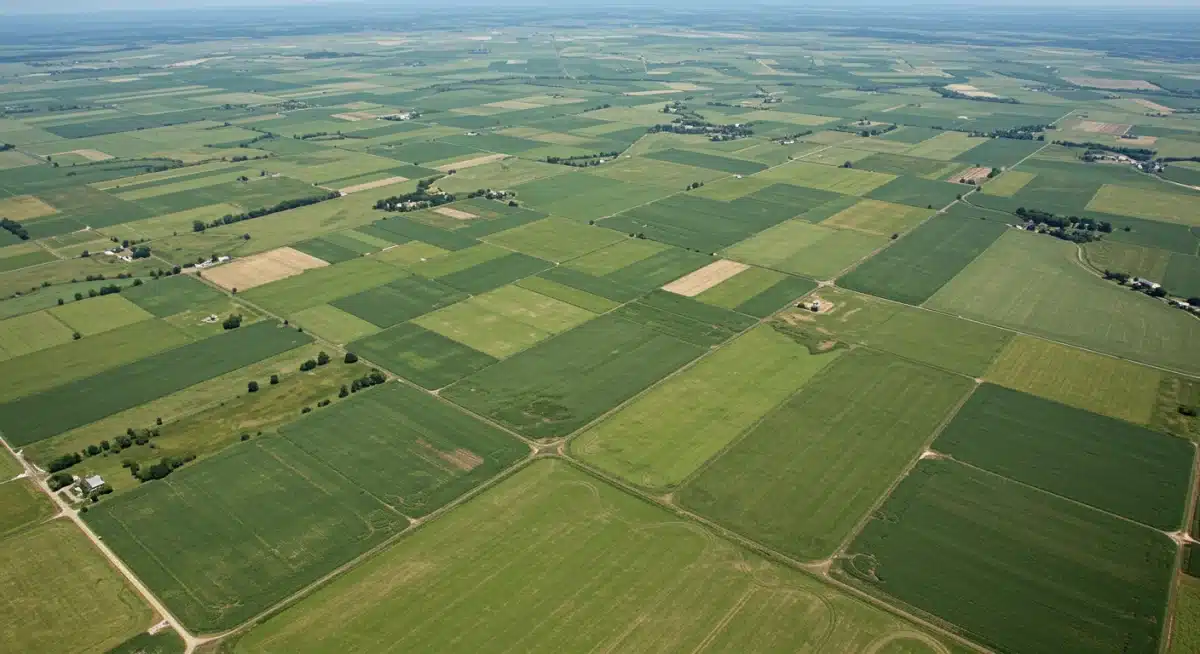
At its heart, Variable Rate Fertilization is a pillar of precision agriculture. It acknowledges that agricultural fields are rarely uniform. Variations in soil type, topography, organic matter content, soil pH, moisture levels, and past crop performance create distinct zones with differing nutrient requirements. Applying a uniform rate of fertilizer across an entire field often leads to over-application in some areas and under-application in others. This inefficiency not only wastes valuable resources but can also lead to environmental problems such as nutrient runoff and leaching.
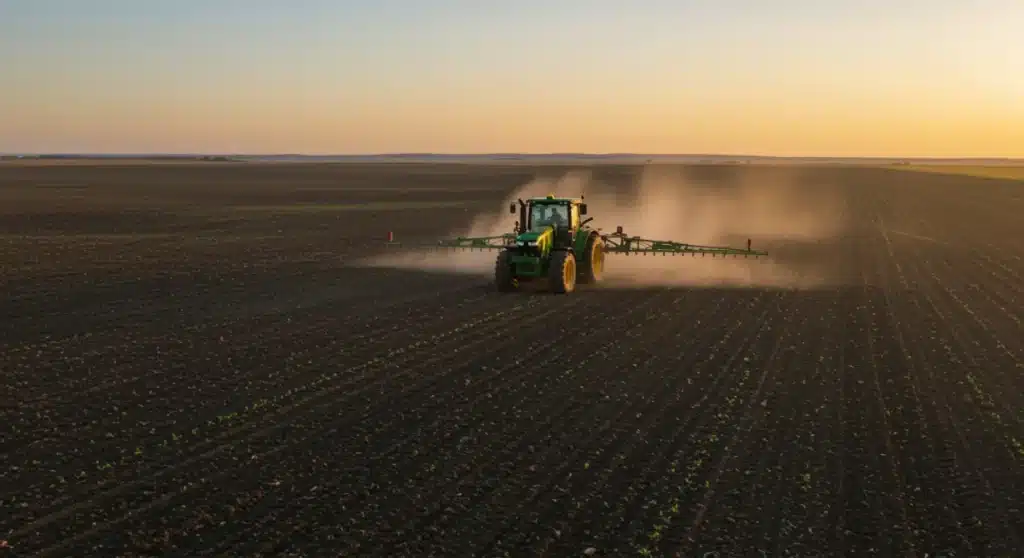
Variable Rate Fertilization addresses this by using advanced technology to apply the right amount of fertilizer in the right place at the right time. This ‘4R Nutrient Stewardship’ principle (Right Source, Right Rate, Right Time, Right Place) is central to the philosophy. Instead of a blanket application, fertilizer spreaders and sprayers are equipped with GPS guidance and control systems that adjust the application rate on the fly, based on pre-programmed maps or real-time sensor data.
The Technological Backbone: How it Works
Implementing Variable Rate Fertilization involves several key technological components:
- Data Collection: This is the foundational step. It involves gathering comprehensive information about the field. This can include:
- Soil Sampling: Grid or zone-based soil sampling provides detailed analysis of nutrient levels (nitrogen, phosphorus, potassium, micronutrients), pH, and organic matter across different parts of the field.
- Yield Monitoring: Historical yield data from previous seasons, collected by combines equipped with yield monitors, can reveal areas of high and low productivity, indicating varying nutrient uptake.
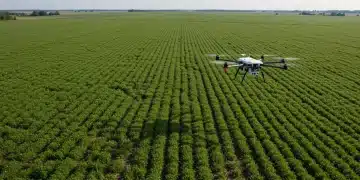
- Remote Sensing: Satellite imagery, drone imagery, and aerial photography provide valuable insights into crop health and vigor. Normalized Difference Vegetation Index (NDVI) maps, for example, highlight areas with different biomass and photosynthetic activity, which often correlate with nutrient status.
- Proximal Sensing: Ground-based sensors mounted on tractors can measure soil properties in real-time, such as electrical conductivity (which correlates with soil texture) or nutrient levels.
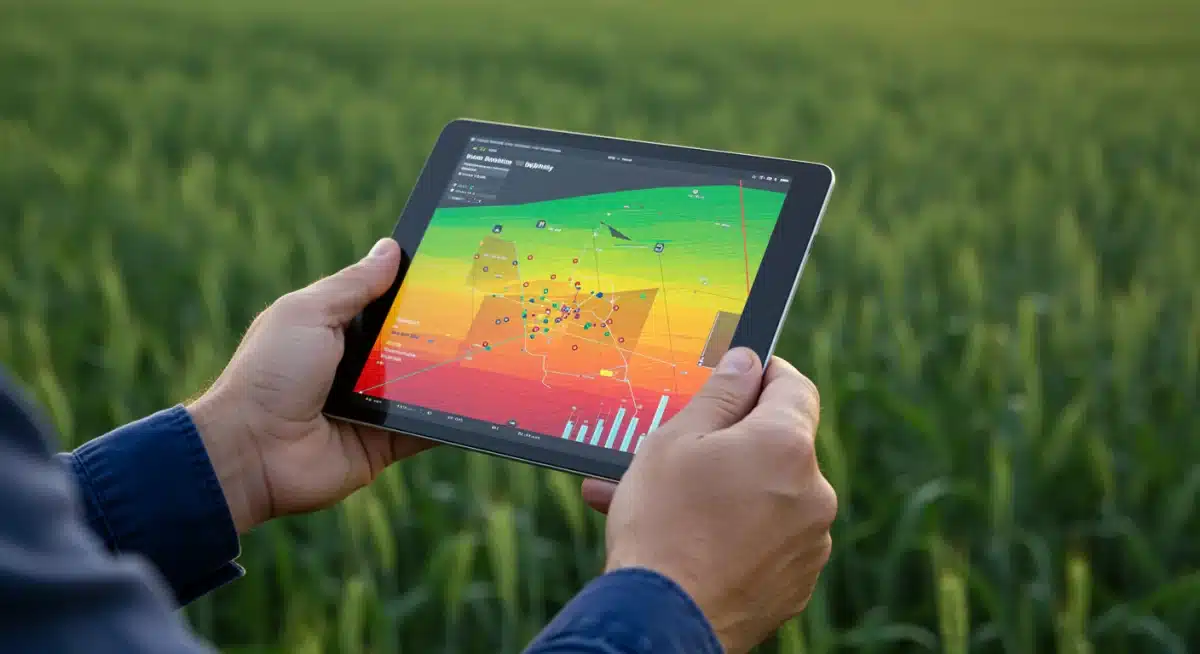
- Data Analysis and Map Creation: All the collected data is then processed and analyzed using specialized Geographic Information System (GIS) software. Agronomists and precision agriculture specialists interpret this data to create prescription maps. These maps divide the field into management zones, each with a specific recommendation for fertilizer application rates. For example, an area with low nitrogen might receive a higher rate, while an area with sufficient levels receives less.
- Variable Rate Application Equipment: Once the prescription map is generated, it is loaded into the control system of a variable rate applicator. This equipment, typically a sprayer or spreader, is fitted with GPS receivers and controllers. As the equipment moves across the field, the GPS receiver pinpoints its exact location. The controller then consults the prescription map and automatically adjusts the flow rate or spread pattern of the fertilizer to match the recommended rate for that specific location.
The Multifaceted Benefits of Variable Rate Fertilization
The adoption of Variable Rate Fertilization offers a compelling array of benefits that extend beyond just increased yields. These advantages touch upon economic viability, environmental stewardship, and operational efficiency, making it an indispensable tool for modern U.S. agriculture.
1. Enhanced Crop Yields and Quality (The 12% Advantage)
The most direct and often cited benefit is the significant increase in crop yields. By providing crops with precisely the nutrients they need, when and where they need them, plants can achieve their full genetic potential. Studies and real-world farm data consistently show yield increases, with an average of 12% being a conservative estimate in many regions and crops. This optimization leads to healthier plants, better root development, improved nutrient uptake, and ultimately, a more robust harvest. Furthermore, balanced nutrition can also lead to improved crop quality, such as higher protein content in grains or better size and uniformity in fruits and vegetables, commanding better market prices.
2. Optimized Nutrient Use and Reduced Input Costs
One of the primary drivers for adopting Variable Rate Fertilization is the potential for significant cost savings on fertilizer. By avoiding over-application in areas that don’t need it, farmers can reduce their overall fertilizer consumption. While the initial investment in technology might seem substantial, the long-term savings on inputs, coupled with increased yields, quickly provide a return on investment. This efficiency is particularly crucial given the fluctuating and often rising costs of fertilizers.
3. Environmental Stewardship and Sustainability
The environmental benefits of Variable Rate Fertilization are profound. Excess fertilizer, particularly nitrogen and phosphorus, can run off into waterways or leach into groundwater, contributing to water pollution, algal blooms, and dead zones. By applying only what the crop can utilize, the risk of nutrient loss to the environment is dramatically reduced. This makes farming practices more sustainable, helps meet regulatory requirements, and enhances the farm’s reputation as an environmentally responsible operation.
4. Improved Soil Health
Balanced nutrient application contributes directly to improved soil health. Over-fertilization can sometimes negatively impact soil microbial activity and nutrient cycling. Precision application helps maintain a healthier soil ecosystem, which is vital for long-term productivity and resilience. This also includes avoiding the buildup of certain nutrients to toxic levels in specific areas.
5. Enhanced Data-Driven Decision Making
The entire process of Variable Rate Fertilization is built upon data. This generates a wealth of information about field variability, crop response, and nutrient dynamics. Farmers gain a deeper understanding of their land, enabling them to make more informed decisions not just about fertilization, but also about planting densities, irrigation, and other management practices. This continuous feedback loop allows for refinement and optimization over time, leading to even greater efficiencies.
6. Reduced Fuel and Labor Costs (Indirectly)
While not a direct reduction, the efficiency gained through optimized application can indirectly lead to savings. Healthier, stronger crops are often more resilient, potentially reducing the need for additional passes for pest or disease control. More efficient use of inputs can also streamline operations, though the primary labor savings come from the technology automating application.
Challenges and Considerations in Implementing Variable Rate Fertilization
While the benefits are clear, adopting Variable Rate Fertilization is not without its challenges. Farmers considering this technology need to be aware of several factors:
- Initial Investment: The upfront cost of precision agriculture equipment, including GPS systems, variable rate controllers, and advanced sensors, can be significant. This requires careful financial planning and a clear understanding of the potential return on investment.
- Technical Expertise: Implementing and managing Variable Rate Fertilization requires a certain level of technical expertise. Farmers or their staff need to be proficient in data collection, GIS software, and operating complex machinery. Access to skilled agronomists and precision agriculture consultants is often crucial.
- Data Management and Interpretation: The sheer volume of data generated can be overwhelming. Organizing, analyzing, and interpreting this data effectively is critical to creating accurate prescription maps. This demands robust data management systems and analytical capabilities.
- Field Variability Complexity: Some fields may have highly complex variability that is difficult to accurately map and manage. The effectiveness of VRT relies on the ability to accurately delineate management zones.
- Sensor Accuracy and Calibration: The accuracy of real-time sensors and the proper calibration of application equipment are vital for effective variable rate application. Regular maintenance and calibration are necessary to ensure precise nutrient delivery.
- Connectivity and Infrastructure: In some rural areas of the U.S., reliable internet connectivity for data transfer and cloud-based platforms can be a challenge, impacting the seamless operation of some precision agriculture systems.
The Future of Variable Rate Fertilization in U.S. Agriculture
The trajectory for Variable Rate Fertilization in the U.S. is one of continued growth and sophistication. As technology advances, we can expect even more precise and integrated systems. Here are some trends shaping its future:
1. Integration with Artificial Intelligence and Machine Learning
AI and machine learning algorithms are increasingly being used to process vast datasets from multiple sources (weather, soil, satellite, yield) to create even more accurate and dynamic prescription maps. These systems can predict nutrient needs more effectively and adapt recommendations based on real-time environmental conditions, taking Variable Rate Fertilization to the next level of predictive analytics.
2. Real-Time Sensing and Autonomous Systems
The development of more sophisticated real-time sensors, capable of measuring multiple soil and plant parameters on the go, will reduce the reliance on extensive pre-season soil sampling. Furthermore, autonomous farming equipment, already making strides in other areas, will integrate seamlessly with Variable Rate Fertilization systems, allowing for 24/7 precise application with minimal human intervention.
3. Hyper-Local Application and Micro-Dosing
As technology refines, the ability to apply nutrients at an even finer resolution, perhaps down to individual plant level in some specialty crops, becomes a possibility. This hyper-local approach, sometimes referred to as micro-dosing, promises even greater efficiency and reduced waste.
4. Enhanced Data Platforms and Interoperability
The future will see more integrated data platforms that allow different pieces of farm equipment and software to communicate seamlessly. This interoperability will simplify data management and enable a holistic view of farm operations, making Variable Rate Fertilization just one component of a fully optimized smart farm system.
5. Focus on Carbon Sequestration and Regenerative Practices
As agriculture increasingly focuses on its role in climate change mitigation, Variable Rate Fertilization will be a critical tool in regenerative practices. By optimizing nutrient use, it supports healthier soil, which in turn can sequester more carbon. This aligns with broader goals of sustainable agriculture and environmental resilience.
Getting Started with Variable Rate Fertilization
For farmers interested in adopting Variable Rate Fertilization, a phased approach is often recommended:
- Assess Your Needs: Start by evaluating your farm’s specific challenges and goals. Which fields exhibit the most variability? What are your current input costs?
- Consult Experts: Work with agricultural extension services, precision agriculture consultants, or trusted agronomists. They can help with soil sampling strategies, data interpretation, and technology selection.
- Start Small: Consider implementing VRT on a few key fields first to gain experience and understand its impact on your specific operations.
- Invest in Data Collection: Prioritize accurate soil sampling and consider investing in yield monitoring equipment if you don’t already have it. This data is the foundation of effective VRT.
- Choose Compatible Equipment: Ensure that your existing or new fertilizer application equipment is capable of variable rate application or can be retrofitted with the necessary controllers.
- Continuous Learning and Adaptation: Precision agriculture is an ongoing process. Continuously monitor results, analyze data, and refine your strategies based on what you learn each season.
Conclusion: A Smarter Path to Agricultural Prosperity
Variable Rate Fertilization represents a pivotal shift in how U.S. farmers manage one of their most critical inputs. It’s a testament to the power of technology to drive both economic prosperity and environmental responsibility. By moving away from generalized applications to highly localized, data-driven nutrient delivery, farmers can unlock significant yield increases – an average of 12% is a powerful incentive – while simultaneously reducing costs, minimizing environmental impact, and fostering healthier soils.
As precision agriculture continues to evolve, Variable Rate Fertilization will remain at the forefront of innovation, empowering farmers to produce more food with fewer resources. It’s not just about applying fertilizer; it’s about cultivating a smarter, more sustainable, and ultimately, more profitable future for agriculture in the United States and beyond. The journey towards optimized nutrient management is an exciting one, promising a greener, more productive landscape for generations to come.