Smart Barn Systems: Revolutionizing Dairy Farming for Enhanced Welfare & Productivity
Anúncios
In the dynamic world of agriculture, innovation is not just a buzzword; it’s a necessity for survival and growth. For US dairy farmers, the advent of Smart Barn Systems represents a paradigm shift, offering unprecedented opportunities to enhance animal welfare and significantly boost productivity. These sophisticated integrated technologies are redefining how dairy farms operate, moving from traditional manual processes to data-driven, automated, and highly efficient environments. The impact is tangible: reports indicate an average productivity increase of 18% across US dairy farms adopting these systems, coupled with a marked improvement in the overall well-being of the livestock.
The challenges facing modern dairy farming are numerous, from fluctuating market prices and labor shortages to increasing consumer demand for ethically sourced products and stringent environmental regulations. Smart Barn Systems provide comprehensive solutions to these complex issues, offering farmers tools to monitor, manage, and optimize every aspect of their operation. By leveraging sensors, automation, artificial intelligence, and data analytics, these systems create a ‘smart’ environment where animal health, comfort, and productivity are continuously optimized.
This article delves deep into the world of Smart Barn Systems, exploring the core technologies, their benefits for both animals and farmers, and the real-world impact they are having on the US dairy industry. We will discuss how these systems contribute to elevated animal welfare standards, leading to healthier herds and higher-quality outputs, and how they streamline operations to drive remarkable gains in productivity and profitability. Join us as we uncover the future of dairy farming, a future where technology and tradition converge to create more sustainable and humane agricultural practices.
Anúncios
The Foundation of Smart Barn Systems: Core Technologies
At the heart of every effective Smart Barn System lies a suite of advanced technologies designed to collect data, automate tasks, and provide actionable insights. Understanding these core components is crucial to appreciating the transformative power of these systems.
Sensors and IoT Devices
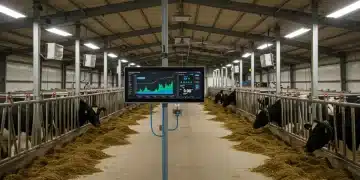
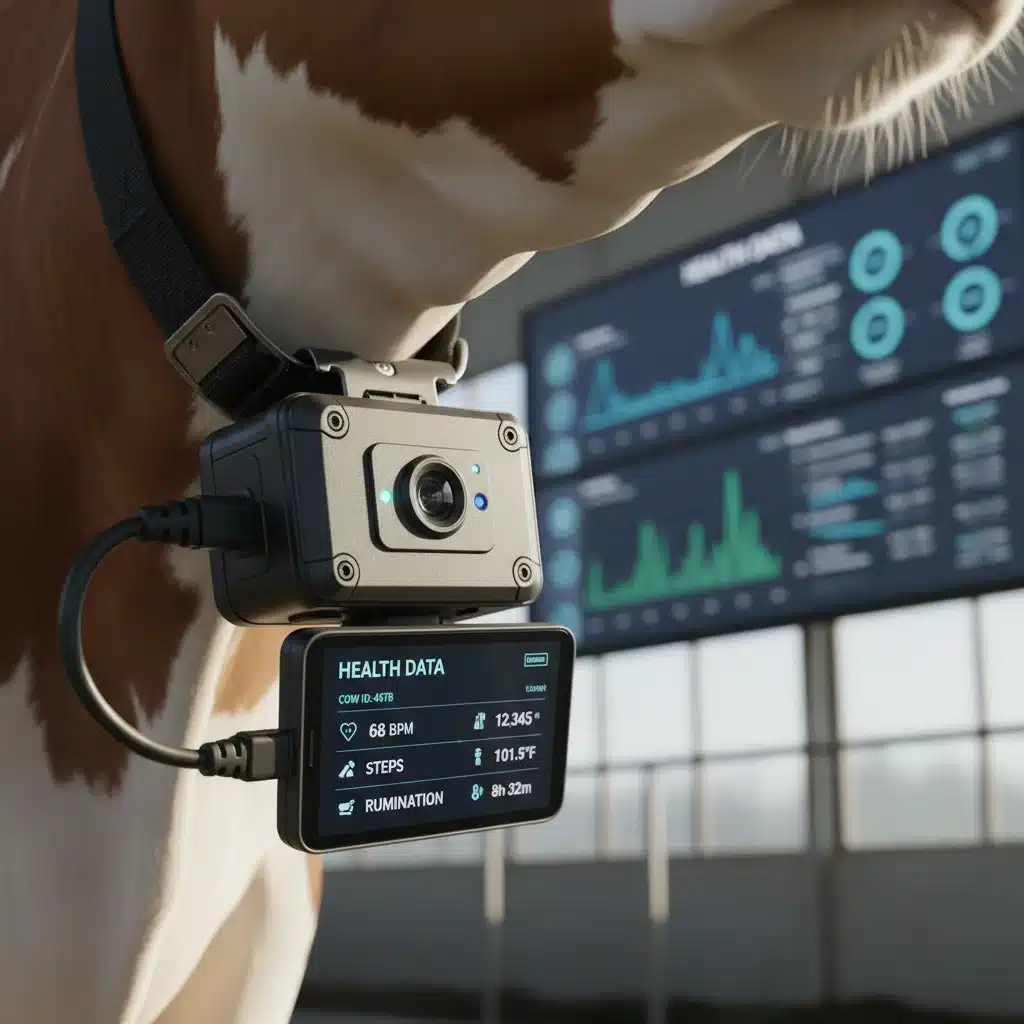
The backbone of data collection in Smart Barn Systems consists of an array of sensors and Internet of Things (IoT) devices. These devices are strategically placed throughout the barn and even on the animals themselves. Environmental sensors monitor temperature, humidity, ammonia levels, and air quality, ensuring optimal living conditions. Motion sensors track animal activity, indicating feeding patterns, resting times, and heat cycles. Acoustic sensors can detect abnormal sounds, potentially signaling distress or illness. Wearable sensors, such as collars or ear tags, monitor individual animal parameters like body temperature, heart rate, rumination, and activity levels. This constant flow of data provides a real-time snapshot of the barn environment and the health status of each animal.
Anúncios
Automated Feeding Systems
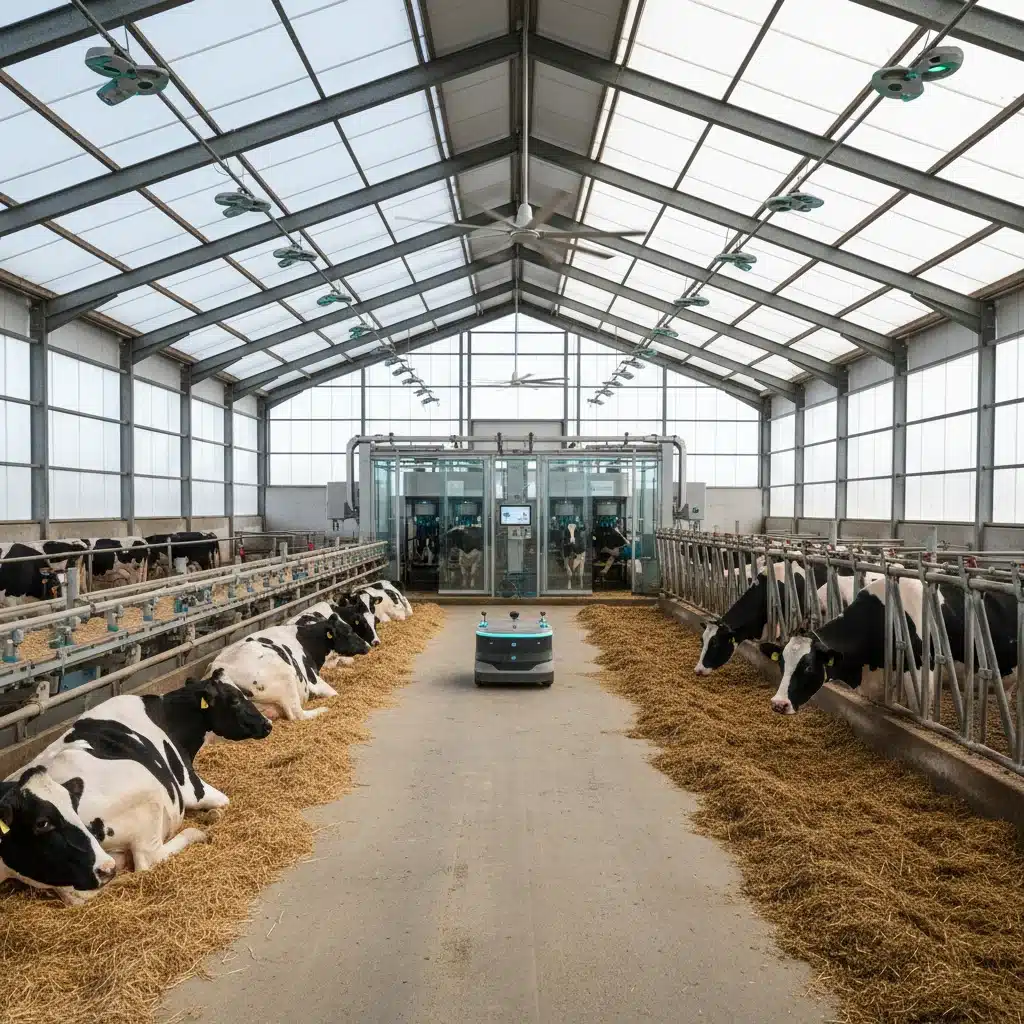
Automated feeding systems are a cornerstone of modern Smart Barn Systems. These systems utilize precise algorithms to deliver customized feed rations to individual animals or groups based on their age, lactation stage, and nutritional needs. Robotic feeders can move autonomously, distributing feed multiple times a day, ensuring fresh feed is always available. This not only minimizes feed waste but also optimizes nutrient intake, directly impacting milk production and animal health. Automated systems can also mix different feed components, ensuring a balanced diet tailored to specific requirements, a level of precision virtually impossible with manual methods.
Robotic Milking Technology
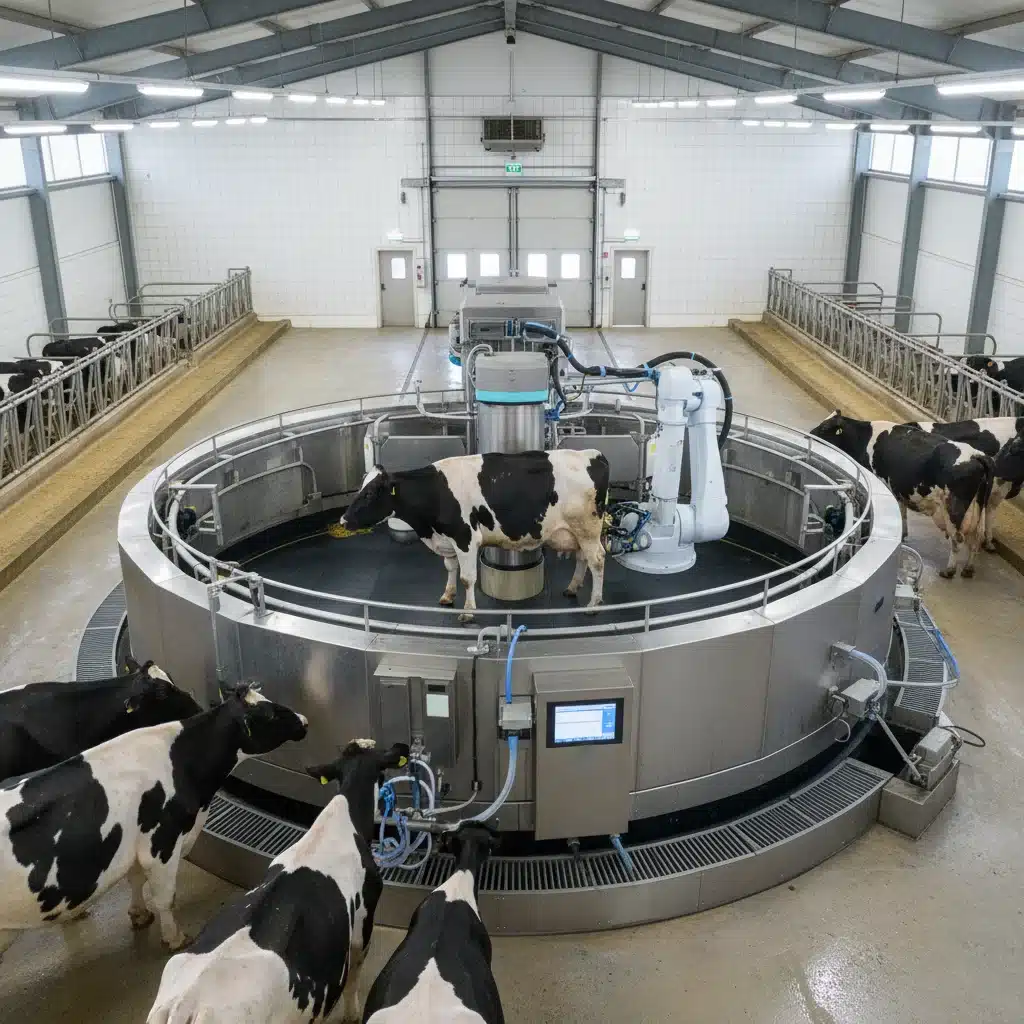
Perhaps one of the most visible and impactful innovations in Smart Barn Systems is robotic milking. These systems allow cows to be milked voluntarily, at their own pace, rather than adhering to a rigid schedule. Each cow is identified by a transponder, and the robot attaches milk cups automatically. Data on milk yield, milking frequency, and milk quality (e.g., fat, protein content, somatic cell count) is collected for each cow, providing valuable insights into individual performance and health. Robotic milking reduces labor costs, alleviates stress on cows, and often leads to more frequent milkings, which can increase overall milk production.
Advanced Ventilation and Climate Control
Maintaining a comfortable and healthy environment is paramount for dairy cattle. Smart Barn Systems incorporate advanced ventilation and climate control technologies that automatically adjust fans, curtains, and cooling systems based on sensor data. This ensures optimal temperature, humidity, and air circulation, preventing heat stress in summer and providing adequate warmth in winter. By proactively managing the barn environment, these systems reduce the risk of respiratory diseases and improve overall animal comfort, directly contributing to higher productivity and better welfare.
Data Analytics and Artificial Intelligence (AI)
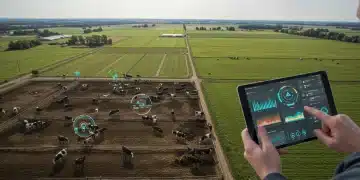
The vast amounts of data collected by sensors and automated systems would be overwhelming without sophisticated data analytics and AI. Smart Barn Systems use AI algorithms to process this data, identify patterns, and generate actionable insights. For example, AI can detect subtle changes in an animal’s behavior or physiological parameters that might indicate early signs of illness, allowing farmers to intervene quickly. It can also optimize feeding schedules, predict heat cycles for breeding, and even forecast milk production. This data-driven approach transforms reactive management into proactive decision-making, leading to better outcomes for both animals and the farm’s bottom line.
Enhancing Animal Welfare with Smart Technology
The core promise of Smart Barn Systems extends beyond mere efficiency; it profoundly impacts animal welfare. By providing a more comfortable, healthier, and less stressful environment, these systems contribute to the overall well-being of dairy cows.
Individualized Health Monitoring and Early Disease Detection
One of the most significant welfare benefits comes from continuous, individualized health monitoring. Wearable sensors and behavioral tracking allow farmers to detect subtle changes in an animal’s vital signs, activity levels, or feeding patterns that may signal the onset of illness. For instance, a sudden drop in rumination activity or a slight increase in body temperature can be flagged by the system, prompting immediate investigation. This early detection capability means farmers can intervene before an illness becomes severe, reducing suffering, minimizing the need for antibiotics, and improving recovery rates. This proactive approach to health management is a cornerstone of enhanced animal welfare.
Optimized Comfort and Stress Reduction
Smart Barn Systems are designed to create an environment that maximizes cow comfort and minimizes stress. Automated climate control ensures consistent optimal temperatures and air quality, preventing heat stress which is a major welfare concern and productivity inhibitor. Robotic milking allows cows to be milked when they choose, reducing the stress associated with forced routines and herd movements. Comfortable bedding, enhanced ventilation, and access to fresh feed and water around the clock all contribute to a less stressful existence. Research consistently shows that comfortable, unstressed cows are healthier, more productive, and have longer productive lives.
Improved Nutrition and Water Access
Precision feeding systems ensure that each cow receives the exact nutrients it needs, preventing both under- and over-feeding. This optimized nutrition supports overall health, reproductive performance, and milk quality. Furthermore, automated water systems ensure a constant supply of fresh, clean water, which is critical for hydration and digestion. The ability of Smart Barn Systems to monitor feed and water intake can also highlight potential health issues, as changes in consumption are often early indicators of illness.
Enhanced Reproductive Management
Accurate heat detection is vital for efficient breeding and herd management. Traditionally, this was a labor-intensive and often imprecise task. Smart Barn Systems utilize activity monitors and other sensors to detect subtle behavioral changes indicative of estrus, achieving much higher accuracy rates. This means cows are bred at the optimal time, leading to higher conception rates, reduced calving intervals, and improved reproductive efficiency, all while minimizing the stress on animals associated with repeated, unsuccessful breeding attempts.
Boosting Productivity and Profitability on US Dairy Farms
While animal welfare is a primary benefit, the economic advantages of Smart Barn Systems are equally compelling, driving significant productivity gains and improving the profitability of US dairy farms.
Increased Milk Production and Quality
The combination of optimized nutrition, reduced stress, and improved health management directly translates to increased milk production. Healthier, happier cows produce more milk, and often, milk of higher quality (e.g., lower somatic cell counts). Robotic milking systems, by allowing more frequent milkings, can also contribute to higher yields per cow. The data collected on milk quality also enables farmers to identify and address issues promptly, maintaining high standards and market value.
Reduced Labor Costs and Improved Efficiency
Labor is a significant cost for dairy farms, and finding skilled labor can be challenging. Smart Barn Systems automate many routine tasks, such as feeding, milking, and environmental control, significantly reducing the need for manual labor. This frees up farmers and their staff to focus on more complex tasks, animal observation, and strategic farm management. The efficiency gains extend to better resource utilization, less feed waste, and optimized energy consumption through smart climate control.
Optimized Resource Management
From feed to water to electricity, Smart Barn Systems allow for highly optimized resource management. Precision feeding minimizes waste and ensures that expensive feed is utilized most effectively. Smart ventilation and lighting systems reduce energy consumption. By providing detailed data on resource usage, farmers can identify areas for further optimization and cost savings, contributing to a more sustainable and economically viable operation.
Better Decision-Making Through Data-Driven Insights
The continuous stream of data and the analytical power of Smart Barn Systems empower farmers to make more informed and proactive decisions. Instead of relying on guesswork or periodic observations, farmers have access to real-time, comprehensive information about their herd and barn conditions. This allows for timely interventions, strategic planning for breeding and nutrition, and accurate forecasting, leading to better overall farm management and profitability.
Case Studies: Real-World Impact of Smart Barn Systems
The theoretical benefits of Smart Barn Systems are impressive, but their real-world impact is even more compelling. Numerous US dairy farms have implemented these technologies and are reporting significant positive outcomes.
The Green Pastures Dairy: A Leap in Productivity
In Wisconsin, Green Pastures Dairy, a medium-sized farm with 300 cows, implemented a comprehensive Smart Barn System two years ago. This included robotic milkers, automated feeding, and individual cow monitoring collars. Before implementation, their average milk production was 80 pounds per cow per day. After two years, they reported an average increase to 95 pounds per cow per day, an 18.75% jump. The farm also noted a 25% reduction in labor hours dedicated to milking and feeding, allowing staff to focus on animal health and facility maintenance. Early disease detection also led to a 30% decrease in antibiotic usage, improving milk quality and reducing veterinary costs.
Maple Ridge Farms: Prioritizing Animal Welfare
Maple Ridge Farms in Vermont, known for its commitment to ethical farming practices, adopted Smart Barn Systems primarily to enhance animal welfare. By installing advanced climate control, comfortable automated bedding systems, and sophisticated activity monitors, they observed a significant reduction in lameness and mastitis cases. The farm manager reported a noticeable improvement in cow comfort, with cows exhibiting more natural behaviors and less stress. While productivity gains were also seen (a 12% increase in milk yield), the primary success was measured in improved herd health scores and positive feedback from consumers regarding their welfare standards.
Valley View Dairy: Overcoming Labor Challenges
Facing persistent labor shortages common in many rural areas, Valley View Dairy in Pennsylvania turned to Smart Barn Systems to maintain their operation. By automating feeding, manure scraping, and implementing robotic milking, they were able to continue operating efficiently with a smaller, more specialized workforce. The system’s data analytics also helped them optimize breeding schedules, leading to a more consistent calving rate and more predictable milk supply, which was crucial for their supply chain commitments. The technology allowed them to sustain and even grow their operation despite the labor constraints.
Challenges and Considerations for Adoption
While the benefits of Smart Barn Systems are clear, their adoption is not without challenges. Farmers considering these investments need to weigh several factors.
Initial Investment Costs
The upfront cost of installing a comprehensive Smart Barn System can be substantial. Robotic milkers, sophisticated sensor networks, and automated feeding systems represent significant capital expenditures. Farmers need to conduct thorough cost-benefit analyses and explore financing options, grants, or subsidies available for agricultural technology.
Technical Expertise and Training
Operating and maintaining these advanced systems requires a certain level of technical expertise. Farmers and their staff need training to understand the data, troubleshoot minor issues, and fully leverage the system’s capabilities. While many systems are designed for user-friendliness, a learning curve is inevitable.
Data Security and Privacy
With vast amounts of data being collected, concerns about data security and privacy arise. Farmers need assurances that their operational data is protected and that they retain ownership and control over it. Choosing reputable vendors with strong data security protocols is paramount.
Integration with Existing Infrastructure
For existing farms, integrating new Smart Barn Systems with current infrastructure can be complex. This might involve modifications to existing barns, electrical systems, and network connectivity. Planning and expert consultation are essential to ensure a smooth transition.
Reliability and Maintenance
Like any complex machinery, Smart Barn Systems require regular maintenance and can experience technical issues. Farmers need access to reliable technical support and readily available spare parts to minimize downtime and ensure continuous operation.
The Future of Dairy Farming with Smart Barn Systems
The trajectory of Smart Barn Systems in dairy farming points towards even greater integration, intelligence, and autonomy. The future promises further advancements that will continue to revolutionize the industry.
Predictive Analytics and AI-Driven Insights
Future systems will likely feature even more sophisticated predictive analytics, moving beyond simply detecting problems to anticipating them. AI will play a larger role in optimizing complex farm operations, from breeding programs and nutritional strategies to environmental impact mitigation. Imagine systems that can predict market demand and adjust production accordingly.
Enhanced Automation and Robotics
The scope of automation will expand beyond current capabilities. We may see more advanced robotic systems for tasks like calf feeding, bedding management, and even health checks. Fully autonomous barns that can manage most routine operations with minimal human intervention are on the horizon, allowing farmers to focus on strategic oversight and specialized care.
Blockchain for Traceability and Transparency
Blockchain technology could be integrated into Smart Barn Systems to provide immutable records of animal welfare, health, and production practices. This would offer unprecedented transparency to consumers, verifying claims of ethical farming and organic production, and building greater trust in the dairy supply chain.
Sustainability and Environmental Stewardship
Future Smart Barn Systems will increasingly focus on environmental sustainability. This includes further optimization of resource use (water, energy, feed), advanced manure management systems that convert waste into energy or fertilizer, and tools to monitor and reduce greenhouse gas emissions. The goal is to make dairy farming not just productive, but also environmentally regenerative.
Interoperability and Open Platforms
As more technologies emerge, there will be a growing need for interoperability between different systems and platforms. Future Smart Barn Systems will likely move towards more open architectures, allowing farmers to mix and match technologies from various vendors to create a customized solution that best fits their specific needs and budget.
Conclusion: A Smarter, More Sustainable Dairy Industry
Smart Barn Systems are not just a trend; they are a fundamental evolution in dairy farming. By integrating advanced technology, these systems offer a powerful combination of enhanced animal welfare and significant productivity gains, as evidenced by the 18% increase across US dairy farms. They address critical challenges facing the industry, from labor shortages and economic pressures to consumer demands for ethical production.
The journey towards a fully digitized and automated dairy farm is ongoing, but the benefits realized so far are undeniable. Farmers investing in these technologies are not only securing their economic future but also contributing to a more humane, efficient, and sustainable agricultural landscape. As technology continues to advance, Smart Barn Systems will undoubtedly play an even more pivotal role in shaping the future of dairy, ensuring that both animals and farmers thrive in a rapidly changing world.
Embracing Smart Barn Systems is not merely about adopting new gadgets; it’s about adopting a new philosophy of farming – one that prioritizes data, precision, and the well-being of every animal. This intelligent approach is paving the way for a dairy industry that is more resilient, more responsible, and ultimately, more rewarding for everyone involved.