Robotic milking systems for dairy farms: the future of efficiency
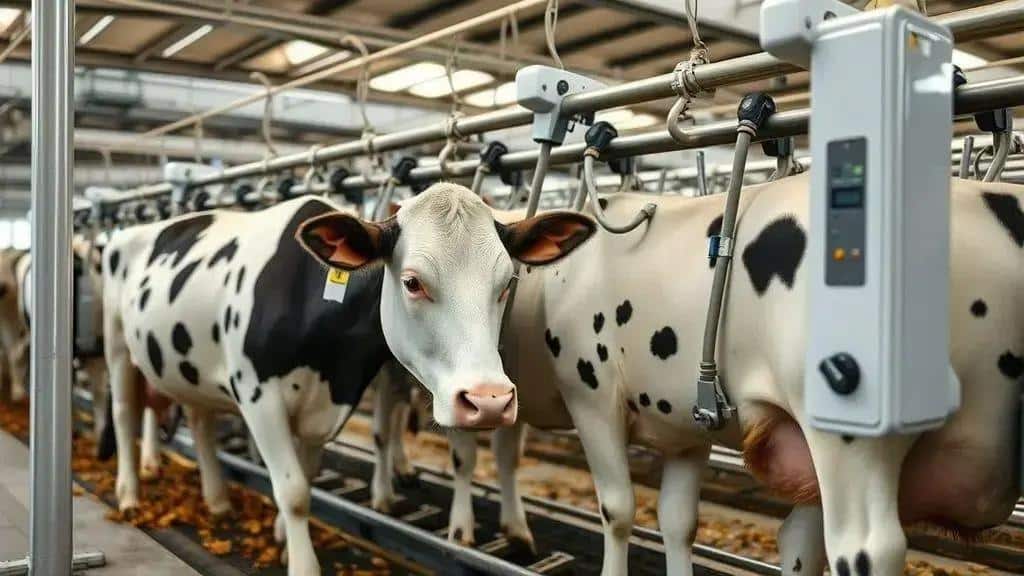
Robotic milking systems for dairy farms automate the milking process, increasing efficiency, reducing labor costs, and enhancing animal welfare while presenting challenges such as high initial investment and the need for proper training.
Robotic milking systems for dairy farms are changing the landscape of animal husbandry. But have you ever wondered how these systems can benefit both farmers and cows? Let’s dive into their advantages and challenges.
Understanding robotic milking systems
Understanding robotic milking systems is essential for modern dairy farming. These innovative technologies streamline the milking process, making it easier and more efficient for farmers.
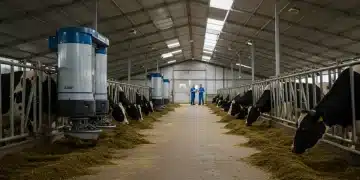
Robotic milking machines can automatically milk cows at any time, which reduces the workload for farmers. This flexibility allows dairy farmers to spend more time on other important tasks.
How Robotic Milking Works
These systems use advanced technology to identify each cow and monitor her milking needs. Sensors determine the best time to milk, ensuring optimal milk yield and quality.
- Automated milking process.
- Real-time monitoring of cow health.
- Customized milking schedules.
- Increased efficiency and productivity.
Moreover, robotic milking systems can help maintain a better relationship between farmers and their animals. Since cows can choose when they want to be milked, they experience less stress and discomfort.
Benefits of Robotic Milking
The adoption of these systems brings numerous advantages. Farmers can monitor their herds more efficiently, leading to improved animal welfare. Additionally, robotic milking systems reduce the need for manual labor and can minimize human error in the milking process.
- Better animal comfort.
- Improved milk quality.
- Reduced labor costs.
- Enhanced data collection for herd management.
Transitioning to robotic milking systems might seem complex, but many farmers report a quick learning curve and impressive returns on investment. With the right approach, any dairy farm can benefit from these technologies.
Benefits of robotic milking systems for dairy farmers
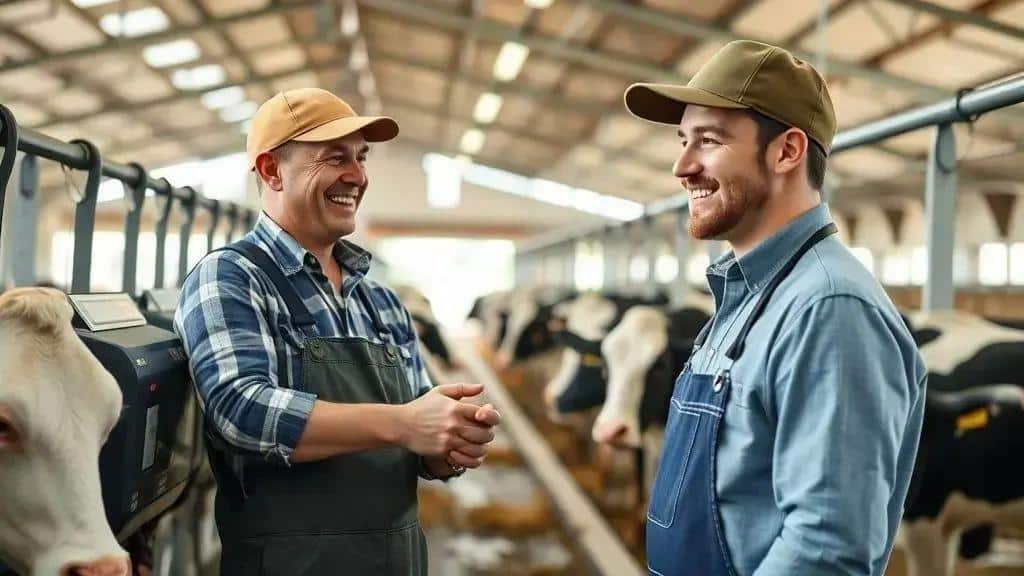
The benefits of robotic milking systems for dairy farmers are significant and multifaceted. These systems not only enhance productivity but also contribute positively to animal welfare.
One major advantage is the reduction in labor costs. Robotic milking can save farmers a substantial amount of time and effort. With machines handling the milking process, farmers can concentrate on other critical responsibilities on the farm.
Improved Efficiency
Efficiency is a cornerstone of modern dairy farming. Automatic milking systems allow cows to be milked on their schedule, leading to increased milk production. These systems can operate 24/7, which is not possible with manual labor.
- Increased milk yield per cow.
- Less time spent on daily milking.
- Reduced waiting time for cows.
- Consistent quality of milk production.
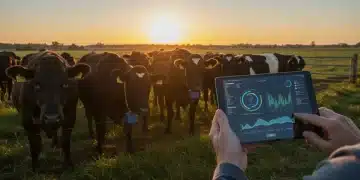
Another key benefit involves the enhanced health monitoring of cows. Robotic milking systems come with sensors that track the health and productivity of each animal. This data helps farmers in managing the herd effectively and proactively addressing health issues.
Better Animal Welfare
Additionally, by allowing cows the choice of when to be milked, these systems promote a more stress-free environment. Less stress leads to more content and healthy animals, which ultimately translates to better milk quality and farm sustainability.
- Reduced stress levels for cows.
- More natural and comfortable milking experience.
- Improved cow health and longevity.
- Higher quality of milk produced.
The integration of robotic milking systems can lead to data-driven decisions that enhance overall farm management. Farmers can analyze data from the systems to improve feeding strategies and breeding programs.
Challenges in adopting robotic milking systems
Adopting robotic milking systems can significantly benefit dairy farms, but it comes with its own set of challenges. Understanding these challenges is crucial for farmers considering this technology.
One of the primary challenges is the initial investment cost. The price of purchasing and installing a robotic milking system can be high, which may deter some farmers. However, considering long-term savings and productivity improvements is essential for making this decision.
Technical Training Requirements
Farmers must also navigate the technical skills needed to operate these systems effectively. Training is necessary to ensure that staff can manage the technology and troubleshoot potential issues.
- Need for ongoing education on system updates.
- Challenges in daily maintenance of the equipment.
- Understanding the software for data analysis.
- Training new employees on the technology.
Transitioning from traditional milking practices to automated systems requires adjustment. Some farmers may find it difficult to let go of their established routines. Adjusting to new workflows can take time and patience.
Animal Adaptation
Moreover, the cows need to adapt to the robotic milking systems as well. Not all cows may take to the technology right away, leading to initial resistance and challenges in milk production. Ensuring a smooth transition for the herd is essential.
- Not all cows adapt quickly to robots.
- Potential for stress during the transition period.
- Close monitoring needed for health and behavior changes.
- Time required for cows to learn the system.
Farmers need to be aware of the possible downtime during the installation and adjustment period, which can affect short-term productivity. Having a plan in place to manage these challenges is vital for a successful implementation.
Future trends in robotic milking technology
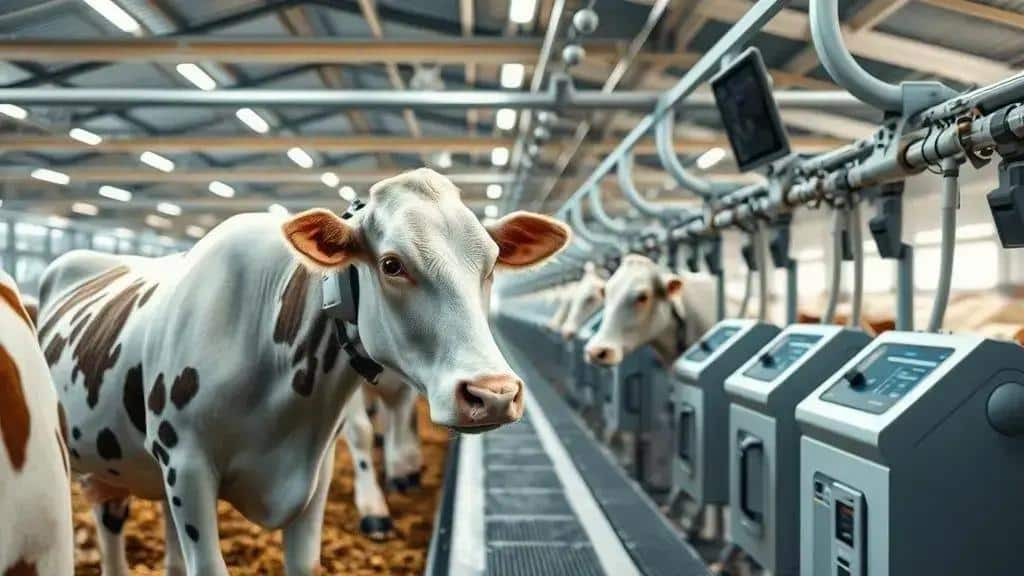
The future trends in robotic milking technology are shaping the landscape of dairy farming in exciting ways. Innovations in automation and data analysis lead the way, promising higher efficiency and better animal care.
One of the most significant developments is the integration of artificial intelligence. AI can analyze data from the milking robots to optimize processes and improve herd management. This means that farmers can make better informed decisions based on real-time information.
Advancements in Automation
As technology advances, robotics will become even more sophisticated. New robotic systems will enhance automation in dairy farms, reducing the need for human intervention. This will lead to improved productivity and fewer errors during the milking process.
- Increased efficiency through better scheduling.
- Improved quality control in milk production.
- Greater customization for individual cow care.
- Lower operational costs over time.
Furthermore, the emergence of cloud-based systems is making it easier for farmers to manage their operations. These systems store data securely, allowing for easy access and analysis from any location, which helps in monitoring and enhancing performance.
Enhancing Animal Welfare
The trend toward enhancing animal welfare is also prominent. Future robotic systems will incorporate features that ensure cows are comfortable and healthy. Technologies that automatically adjust the milking process based on an individual cow’s needs are being developed.
- Real-time health monitoring through sensors.
- Improved stress management for cows.
- Data-driven insights into animal behavior.
- Increased focus on sustainable farming practices.
In addition to technology advancements, the demand for sustainability in farming practices is increasing. Robotic milking systems will adapt to environmentally friendly practices, reducing waste and energy consumption, making farms greener.
FAQ – Frequently Asked Questions about Robotic Milking Systems
What are robotic milking systems?
Robotic milking systems are automated machines that milk cows without the need for human labor, allowing cows to be milked on their own schedule.
What benefits do robotic milking systems provide?
They improve efficiency, reduce labor costs, enhance animal welfare, and provide valuable data insights for better herd management.
What are some challenges of adopting robotic milking systems?
Challenges include high initial costs, the need for technical training, and ensuring that cows adapt to the new system.
How will robotic milking technology evolve in the future?
Future trends include greater integration of AI for data analysis, improved automation, and features that focus on enhancing animal welfare.