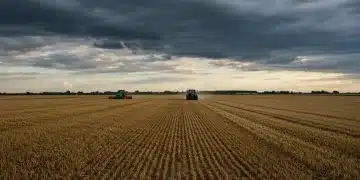
Boost Greenhouse Profits: 25% Energy Savings This Year
Anúncios
In the dynamic world of horticulture, where precision and profitability go hand in hand, the energy consumption of greenhouses stands as a monumental operational cost. For many US greenhouse operators, utility bills represent a significant drain on potential profits, often hindering expansion and innovation. However, a transformative shift is underway: by strategically embracing modern energy-efficient technologies and practices, US greenhouse facilities can realistically aim to reduce their utility bills by a remarkable 25% within the current year. This isn’t just about cutting costs; it’s about fostering a more sustainable, resilient, and profitable agricultural future. Our focus today is on unlocking substantial Greenhouse Energy Savings, providing a comprehensive roadmap for modernization.
The imperative for energy efficiency in greenhouses has never been clearer. Rising energy prices, increasing environmental regulations, and the competitive nature of the market all point towards the need for smarter energy management. This article delves deep into the strategies, technologies, and best practices that can help greenhouse owners achieve this ambitious 25% reduction. From optimizing heating and cooling systems to leveraging advanced lighting and smart controls, we will explore actionable insights that can be implemented to deliver tangible financial and environmental benefits. Prepare to revolutionize your operation and secure a more prosperous future for your greenhouse.
The High Cost of Inefficiency: Why Greenhouse Energy Savings Matter More Than Ever
For decades, greenhouses have been powerhouses of agricultural production, extending growing seasons and enabling the cultivation of diverse crops regardless of external climate conditions. However, this power comes at a price. Maintaining optimal growing environments – precise temperatures, humidity, and light levels – requires substantial energy input. Traditional greenhouse designs and outdated equipment often lead to considerable energy waste, manifesting as exorbitant utility bills.
Anúncios
Consider the average US greenhouse. Heating accounts for a staggering 60-80% of total energy consumption, especially in colder climates. Lighting, particularly supplemental lighting during shorter days or for specific crops, can contribute another 10-20%. Ventilation, cooling, and irrigation systems also add to the energy load. These figures aren’t static; they fluctuate with weather patterns, crop cycles, and energy market volatility, making budget forecasting a constant challenge.
The financial impact of high energy costs is profound. It erodes profit margins, limits investment in other areas of the business, and can even threaten the viability of smaller operations. Beyond the financial aspect, there’s an environmental cost. High energy consumption often translates to a larger carbon footprint, a growing concern for consumers and regulatory bodies alike. Embracing Greenhouse Energy Savings isn’t just a financial decision; it’s a commitment to environmental stewardship and long-term business sustainability.
The good news is that the horticultural industry has seen a rapid evolution in energy-efficient technologies. What was once considered cutting-edge is now becoming standard practice, offering accessible solutions for greenhouses of all sizes. The journey to 25% utility bill reduction starts with a clear understanding of current energy usage, identifying key areas of waste, and then systematically implementing improvements. This proactive approach will not only slash operational costs but also enhance crop quality, improve working conditions, and position your greenhouse as a leader in sustainable agriculture.
Anúncios
Strategic Pillars for Achieving 25% Utility Bill Reduction
Achieving a 25% reduction in utility bills within a year is an ambitious yet entirely attainable goal for many US greenhouses. This requires a multi-faceted approach, focusing on several key areas of energy consumption. By addressing these pillars systematically, operators can unlock significant Greenhouse Energy Savings.
1. Optimizing the Greenhouse Envelope: Sealing in Savings
The physical structure of your greenhouse is the first line of defense against energy loss. Heat escapes through gaps, cracks, and inefficient glazing materials. Air leaks can account for a significant portion of heat loss, making proper sealing paramount. Strategies include:
- Upgrading Glazing Materials: Replacing single-pane glass or older polyethylene films with multi-layered polycarbonate, double-pane glass, or inflated double-layer poly films can dramatically improve insulation. These materials offer higher R-values, reducing heat transfer.
- Sealing Leaks and Gaps: Conduct a thorough inspection of your greenhouse structure, paying close attention to vents, doors, foundations, and where different materials meet. Use weatherstripping, sealants, and appropriate insulation to minimize air infiltration.
- Thermal Screens/Shades: Installing movable thermal screens (also known as energy curtains) within the greenhouse can reduce heat loss at night by 20-50%. These screens act as an additional insulating layer, trapping warm air. During the day, they can also provide shade to reduce cooling loads.
- Foundation Insulation: Insulating the greenhouse foundation, especially in heated areas, prevents heat from escaping into the ground.
2. Advanced Heating and Cooling Systems: Smart Climate Control
Heating and cooling are often the largest energy consumers. Modernizing these systems can yield substantial Greenhouse Energy Savings.
- High-Efficiency Boilers/Heaters: Replace old, inefficient boilers or furnaces with modern, high-efficiency models. Consider condensing boilers that recover latent heat from exhaust gases.
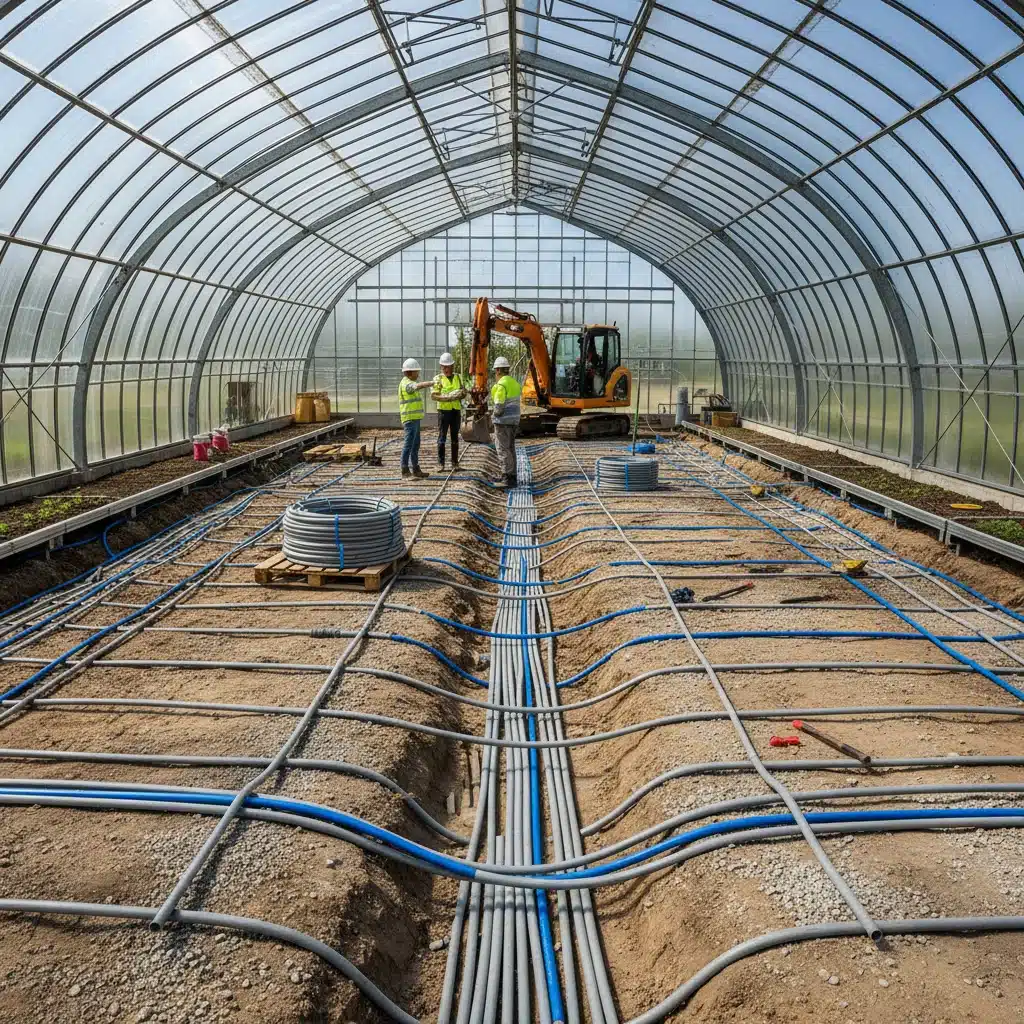
- Unit Heaters and Radiant Heating: Optimize the placement and type of heaters. Radiant heating systems, such as hot water pipes under benches or in the floor, can be more efficient than forced-air systems because they heat the plants directly rather than the air.
- Geothermal Systems: For larger operations, geothermal heating and cooling can offer significant long-term savings. These systems utilize the stable temperature of the earth to provide efficient climate control.
- Evaporative Cooling: In warmer climates, evaporative cooling pads and fans are a highly energy-efficient alternative to traditional air conditioning, using the principle of water evaporation to lower air temperature.
- Zoned Heating/Cooling: Implement zoning to heat or cool specific sections of the greenhouse only when needed, rather than the entire facility.
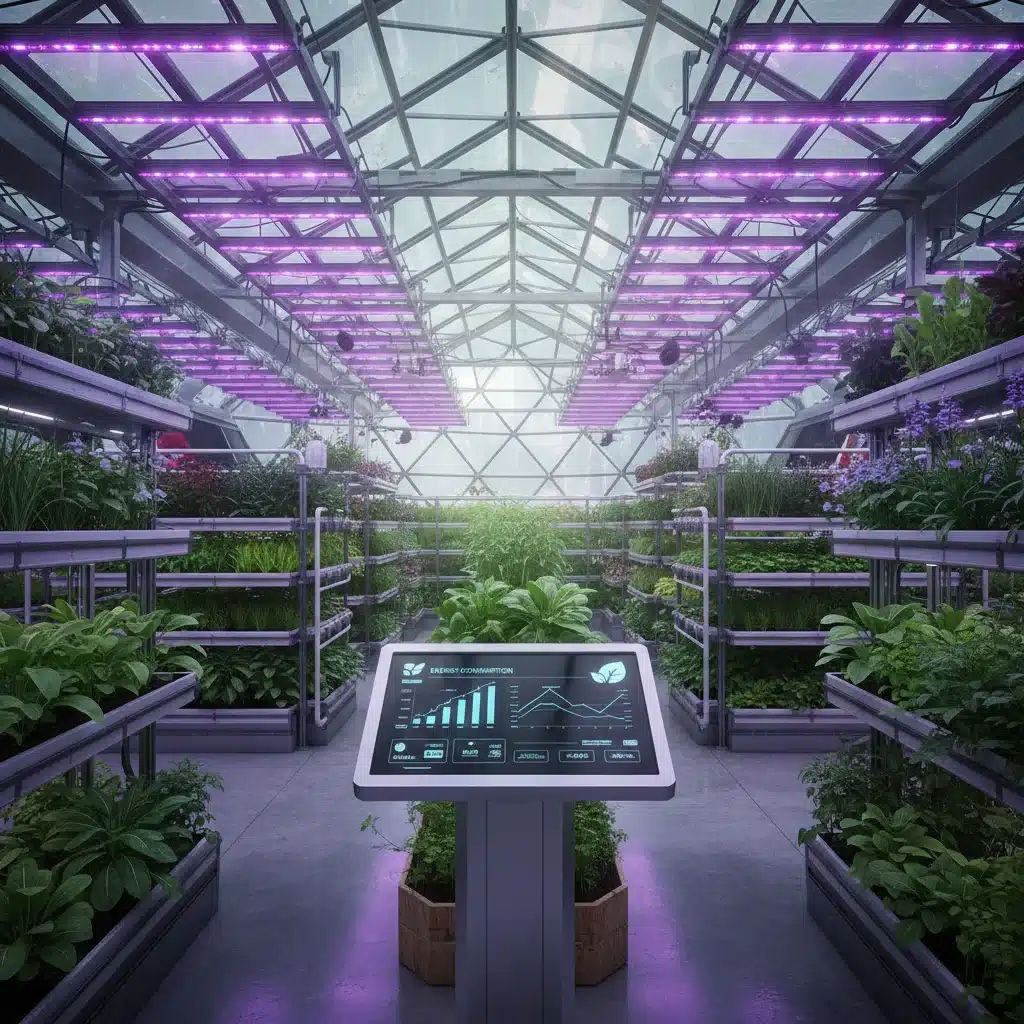
3. Revolutionary Lighting Solutions: LED Technology
Supplemental lighting is crucial for many crops, but traditional high-pressure sodium (HPS) lamps are energy intensive. Light Emitting Diode (LED) technology offers a powerful alternative for Greenhouse Energy Savings.
- Switch to LEDs: LEDs are significantly more energy-efficient than HPS lamps, consuming up to 50% less electricity for the same light output.
- Spectral Tuning: Modern LEDs allow for spectral tuning, meaning you can customize the light spectrum (colors) to match the specific needs of different crops at various growth stages, optimizing photosynthesis and reducing wasted light energy.
- Dimmable and Controllable: LEDs are easily dimmable and can be integrated with smart control systems, allowing for precise light delivery based on natural light levels and crop requirements, further reducing electricity consumption.
- Reduced Heat Output: LEDs produce less radiant heat than HPS lamps, which can significantly reduce the cooling load on the greenhouse, especially in warmer months.
4. Smart Controls and Automation: The Brains of the Operation
Integrating smart controls and automation is perhaps the most impactful step towards maximizing Greenhouse Energy Savings. These systems allow for precise environmental management, minimizing waste and optimizing resource use.
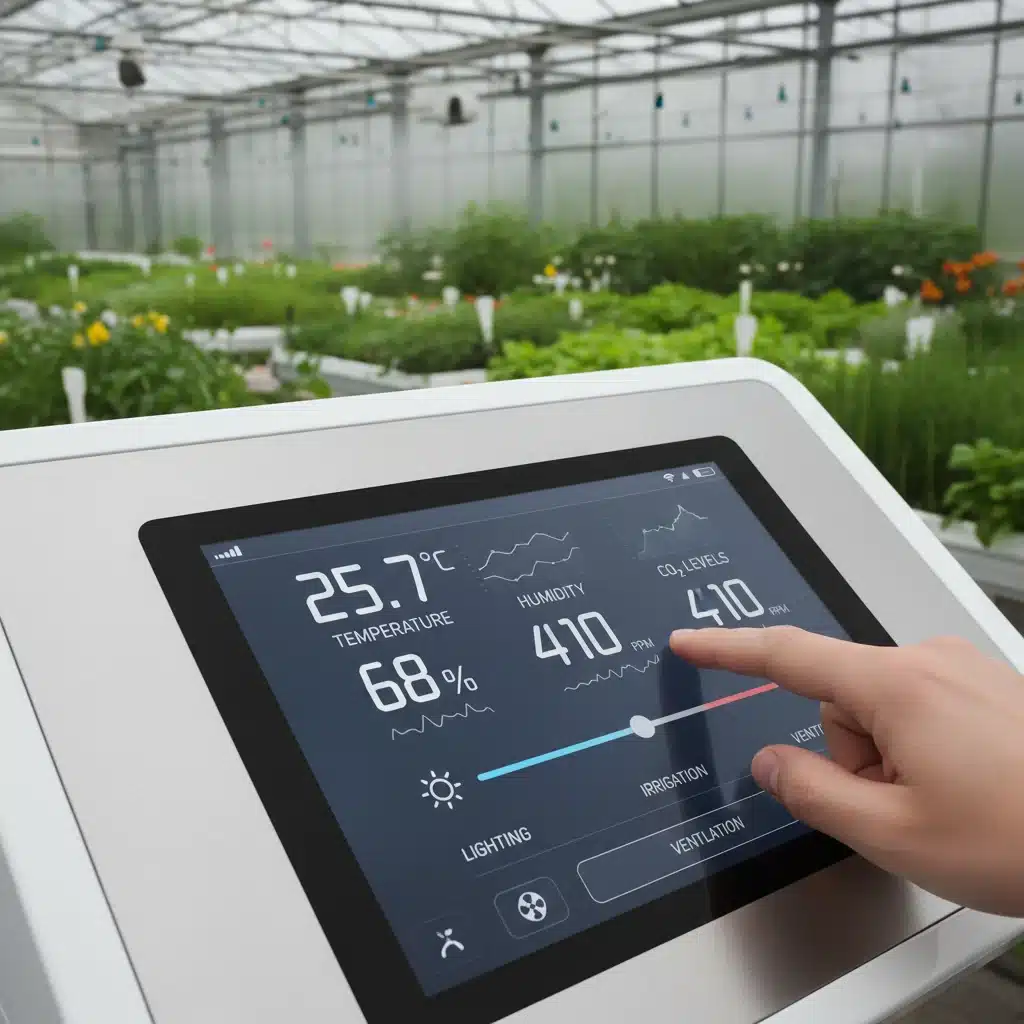
- Environmental Control Computers (ECCs): These sophisticated systems monitor and control all aspects of the greenhouse environment – temperature, humidity, CO2 levels, light, and irrigation – based on predefined set points and real-time data.
- Sensors and Data Analytics: Deploy a network of sensors throughout the greenhouse to collect data on microclimates, plant health, and energy consumption. Use this data to identify inefficiencies and fine-tune control strategies.
- Predictive Control: Advanced systems can integrate weather forecasts to anticipate heating or cooling needs, pre-emptively adjusting systems to maintain optimal conditions with less energy.
- Remote Monitoring and Adjustment: Many modern control systems offer remote access via smartphones or computers, allowing operators to monitor and adjust settings from anywhere, ensuring optimal performance around the clock.
Detailed Strategies for Implementation and Maximizing ROI
While the pillars above outline the key areas for improvement, successful implementation requires a detailed strategy. This section dives deeper into practical steps and considerations for maximizing your Greenhouse Energy Savings and ensuring a strong return on investment (ROI).
Conducting an Energy Audit: Know Before You Grow (Efficiently)
The first and most crucial step is to understand your current energy consumption. An energy audit, conducted by a qualified professional or even internally with the right tools, can pinpoint exactly where energy is being lost and where the biggest opportunities for savings lie. This audit should assess:
- Historical Utility Data: Analyze past electricity, natural gas, and other fuel bills to identify consumption patterns, peak demands, and seasonal variations.
- Building Envelope Performance: Use thermal imaging cameras to detect heat leaks in the greenhouse structure, including walls, roofs, doors, and vents.
- Equipment Efficiency: Evaluate the age, condition, and efficiency ratings of all major energy-consuming equipment, including boilers, chillers, fans, and pumps.
- Operational Practices: Review current climate control set points, lighting schedules, and ventilation strategies to identify areas for optimization.
The audit provides a baseline and helps prioritize investments, ensuring you tackle the most impactful improvements first for maximum Greenhouse Energy Savings.
Leveraging Renewable Energy Sources: Harnessing Nature’s Power
Integrating renewable energy sources can significantly reduce reliance on conventional utilities and contribute to long-term Greenhouse Energy Savings.
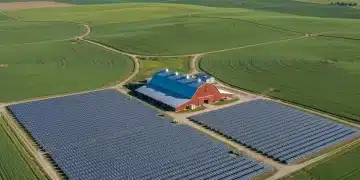
- Solar Photovoltaics (PV): Installing solar panels on the greenhouse roof or adjacent land can generate clean electricity, offsetting grid consumption. Advances in solar technology and government incentives often make this a viable option.
- Biomass Heating: Utilizing biomass boilers that burn agricultural waste, wood chips, or pellets can provide a cost-effective and renewable heating source, especially in areas with abundant biomass resources.
- Geothermal Systems (Revisited): As mentioned earlier, geothermal can be a game-changer for both heating and cooling, offering stable temperatures and reduced operating costs.
Water Management and Energy Nexus: The Hidden Connection
While often overlooked in energy discussions, efficient water management directly impacts energy consumption in greenhouses. Pumping, heating, and cooling water all require energy.
- Recirculating Hydroponic Systems: These systems significantly reduce water usage compared to traditional methods, which in turn reduces the energy needed for pumping and treating water.
- Rainwater Harvesting: Collecting and storing rainwater reduces reliance on municipal water sources, cutting down on pumping and treatment costs.
- Efficient Irrigation: Drip irrigation and other precision irrigation techniques deliver water directly to the plant roots, minimizing waste and the energy required for water delivery.
Maintenance and Calibration: Sustaining Efficiency
Even the most advanced systems will lose efficiency if not properly maintained. Regular maintenance is critical for sustaining Greenhouse Energy Savings.
- HVAC System Checks: Regularly inspect and clean boilers, furnaces, fans, and cooling pads. Ensure all components are operating optimally.
- Sensor Calibration: Calibrate environmental sensors periodically to ensure accurate readings, which are vital for effective climate control.
- Glazing Cleaning: Keep glazing materials clean to maximize light transmission and reduce the need for supplemental lighting.
- Leak Detection: Periodically re-check the greenhouse envelope for new leaks or gaps that may have developed.
The Economic and Environmental Benefits of Modernization
Beyond the direct financial savings on utility bills, modernizing your greenhouse for energy efficiency brings a cascade of other benefits that contribute to overall business success and sustainability. The pursuit of Greenhouse Energy Savings is truly a win-win scenario.
Increased Profitability and Competitive Advantage
A 25% reduction in utility bills directly translates into a healthier bottom line. This increased profitability can be reinvested into the business, funding expansion, research and development, or employee benefits. Furthermore, lower operating costs provide a significant competitive advantage, allowing you to offer more competitive pricing or absorb market fluctuations more easily. In an industry where margins can be tight, every saved dollar is crucial.
Enhanced Crop Quality and Yield
Energy-efficient technologies often come hand-in-hand with better environmental control. Precise temperature regulation, optimized lighting spectrums from LEDs, and consistent humidity levels create ideal growing conditions. This leads to healthier plants, faster growth cycles, reduced pest and disease pressure, and ultimately, higher quality produce and increased yields. The synergy between energy efficiency and horticultural excellence is undeniable.
Reduced Environmental Footprint and Brand Reputation
By consuming less energy, especially from fossil fuels, your greenhouse significantly reduces its carbon footprint. This commitment to sustainability is increasingly important to consumers, who are often willing to pay a premium for eco-friendly products. A ‘green’ certification or a strong sustainability narrative can enhance your brand reputation, attracting new customers and fostering loyalty. It also aligns with corporate social responsibility goals and prepares your operation for future environmental regulations.
Improved Working Conditions
Modern, well-insulated greenhouses with efficient climate control systems often offer more comfortable and consistent working environments for employees. Reduced drafts, more stable temperatures, and better air quality can lead to increased productivity and employee satisfaction, further contributing to the overall success of the operation.
Access to Incentives and Rebates
Many government agencies, utility companies, and agricultural organizations offer incentives, grants, and rebates for businesses that invest in energy-efficient upgrades. These programs can significantly reduce the upfront cost of modernization projects, improving ROI and making the transition to efficiency more accessible. Researching and applying for these opportunities is a critical step in maximizing your Greenhouse Energy Savings efforts.
Overcoming Challenges and Planning for Success
While the benefits are clear, implementing significant energy efficiency upgrades can present challenges. Addressing these proactively is key to successful modernization and achieving your Greenhouse Energy Savings goals.
Initial Investment Costs
The most common hurdle is the upfront capital investment required for new equipment, insulation, or renewable energy systems. However, it’s crucial to view these as investments with clear, measurable returns. Develop a detailed financial plan that outlines the costs, projected savings, and payback period for each upgrade. Explore financing options, such as low-interest loans, green bonds, or specific agricultural lending programs. Remember the incentives and rebates mentioned earlier, as they can substantially offset these costs.
Technical Expertise and Training
Implementing and managing advanced energy-efficient systems often requires specialized technical expertise. This might involve hiring new staff with relevant skills, providing training for existing employees, or partnering with consultants and service providers who specialize in greenhouse energy management. Investing in human capital is as important as investing in technology.
Disruption to Operations
Major renovations or equipment installations can cause temporary disruptions to greenhouse operations. Plan these projects carefully, ideally during off-peak seasons or in phases, to minimize impact on crop cycles and production. Clear communication with staff and customers is also essential during these periods.
Monitoring and Continuous Improvement
Achieving a 25% reduction is not a one-time event but an ongoing process. Once upgrades are implemented, continuous monitoring of energy consumption and system performance is vital. Regularly review data from your environmental control systems, conduct periodic energy audits, and stay informed about new technologies and best practices. This commitment to continuous improvement ensures that Greenhouse Energy Savings are sustained and even enhanced over time.
Regulatory Compliance
Stay informed about local, state, and federal regulations related to energy consumption and environmental standards. Proactive modernization not only ensures compliance but can also position your greenhouse ahead of future requirements, avoiding potential penalties and fostering a reputation as an industry leader.
The Future of Greenhouses: Sustainable and Profitable
The journey towards greater Greenhouse Energy Savings is more than just a trend; it’s a fundamental shift in how modern agriculture operates. The goal of reducing utility bills by 25% this year is a powerful catalyst for change, driving innovation and fostering a more resilient and environmentally responsible industry.
By embracing a holistic approach that includes optimizing the greenhouse envelope, upgrading heating and cooling systems, adopting revolutionary LED lighting, and implementing smart controls, US greenhouse operators can unlock significant financial benefits. These actions not only lower operational costs but also enhance crop quality, reduce environmental impact, and strengthen market position.
The technologies and strategies discussed are not futuristic concepts; they are available and proven today. The key lies in strategic planning, informed investment, and a commitment to continuous improvement. As energy costs continue to fluctuate and environmental concerns grow, the greenhouses that prioritize efficiency will be the ones that thrive and lead the way into a sustainable and profitable future.
Take the first step today. Conduct an energy audit, explore the available technologies, and start planning your path to substantial Greenhouse Energy Savings. The investment you make now will yield dividends for years to come, securing your place at the forefront of modern, sustainable horticulture.