Farm Robotics: 2025 Outlook on Weeding Robots & Herbicide Reduction
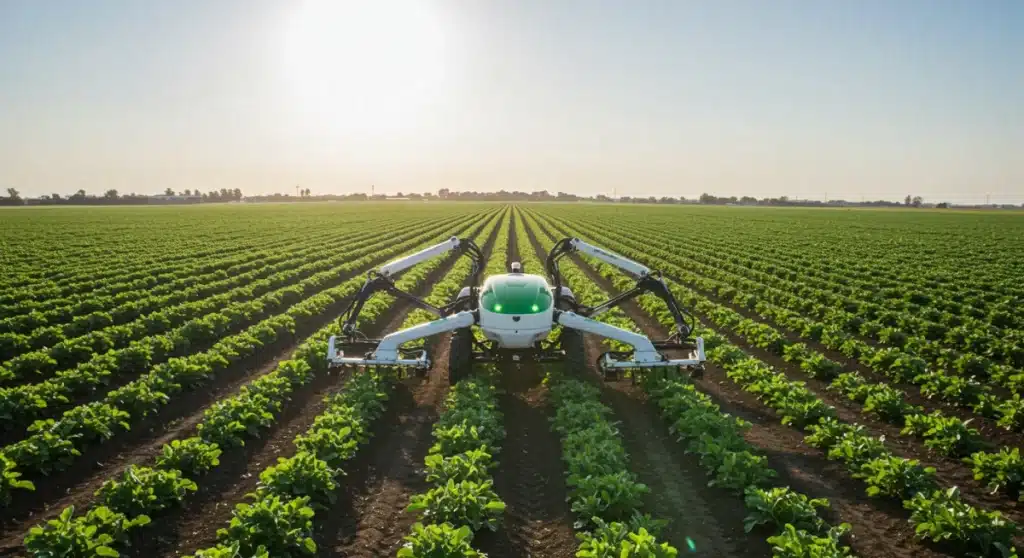
Farm robotics, specifically weeding robots, are projected to achieve a 25% reduction in herbicide use by 2025, significantly advancing sustainable agricultural practices and operational efficiency.
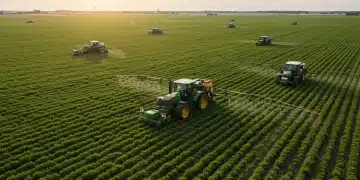
The agricultural landscape is on the cusp of a profound transformation, driven by technological innovations that promise to redefine farming practices. Among these advancements, farm robotics weeding stands out as a game-changer, particularly with its potential to drastically cut down on herbicide use.
The rise of weeding robots in modern agriculture
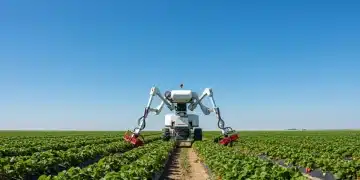
The integration of robotics into agriculture is not a new concept, but the sophistication and widespread adoption of weeding robots are accelerating at an unprecedented pace. These autonomous machines are designed to identify and eliminate weeds with remarkable precision, moving beyond the traditional broad-spectrum application of chemicals.
This shift represents a significant leap forward, offering solutions to environmental concerns, labor shortages, and the increasing demand for sustainable food production. Farmers in the United States are increasingly exploring these technologies to optimize their operations and enhance crop health.
Technological advancements driving adoption
Several key technological breakthroughs are making weeding robots more viable and effective than ever before. These include enhanced AI, improved sensor technology, and more robust mechanical designs.
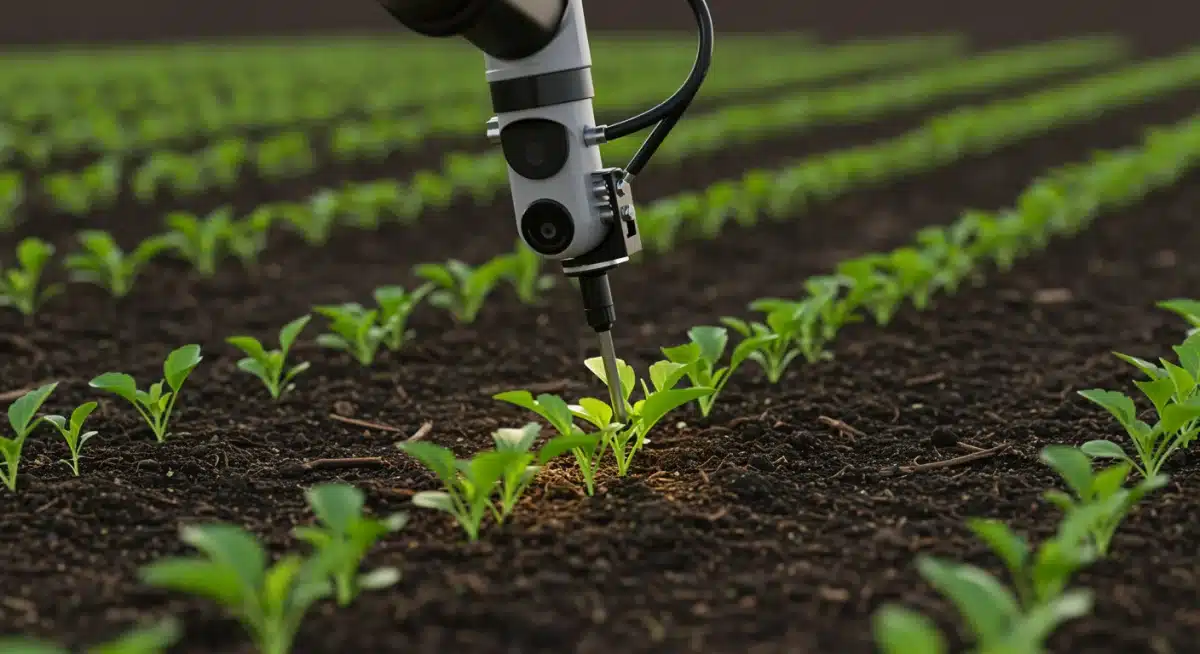
- Artificial Intelligence (AI): Advanced AI algorithms enable robots to differentiate between crops and weeds with high accuracy, even in varied field conditions.
- Sensor Technology: High-resolution cameras, LiDAR, and other sensors provide real-time data, allowing robots to navigate fields and target weeds precisely.
- Mechanical Precision: Sophisticated robotic arms and tools can physically remove or destroy weeds without harming nearby crops, offering a non-chemical alternative.
The convergence of these technologies allows weeding robots to operate independently, making real-time decisions, and adapting to dynamic agricultural environments. This autonomy is crucial for achieving efficiency on a large scale.
In essence, weeding robots are evolving from experimental prototypes to indispensable tools. Their ability to perform repetitive, precise tasks tirelessly offers a compelling alternative to manual labor and chemical-intensive methods, paving the way for a more sustainable future in farming.
Reducing herbicide use: a 25% target by 2025
The ambitious goal of reducing herbicide use by 25% by 2025 is a direct response to growing environmental and health concerns associated with chemical applications. Weeding robots are central to achieving this target, offering a viable and effective alternative.
Herbicides, while effective in controlling weeds, can have detrimental effects on soil health, water quality, and biodiversity. They also pose potential risks to human health. The agricultural community, driven by consumer demand and regulatory pressures, is actively seeking greener solutions.
How robots achieve herbicide reduction
Weeding robots employ various methods to eliminate weeds, all of which bypass or significantly reduce the need for chemical herbicides. This precise approach minimizes the environmental footprint of farming.
- Mechanical Weeding: Robots can use small hoes, cultivators, or other tools to physically uproot or bury weeds.
- Thermal Weeding: Some robots employ targeted heat or lasers to destroy weeds without affecting the surrounding soil or crops.
- Precision Spraying: For situations where a minimal amount of herbicide is still necessary, robots can apply it with surgical precision, only to the weed, dramatically reducing overall volume.
This targeted approach not only conserves resources but also prevents the development of herbicide-resistant weeds, a growing problem in conventional farming. By focusing on individual weeds, robots ensure that chemicals are not indiscriminately spread across fields.
The 25% reduction target is not merely an aspiration; it is a measurable objective that these robotic systems are designed to deliver. The economic benefits, coupled with environmental stewardship, make a strong case for their widespread adoption.
Economic benefits and enhanced farm efficiency
Beyond environmental advantages, the deployment of weeding robots offers substantial economic benefits for farmers, leading to enhanced overall farm efficiency. These benefits extend from reduced input costs to improved crop yields.
The initial investment in robotic technology can be significant, but the long-term savings and productivity gains often outweigh these upfront costs. Farmers are realizing that these machines are not just replacements for labor but strategic assets that transform their operational models.
Cost savings and return on investment
The most immediate economic impact comes from the reduction in herbicide expenses. With fewer chemicals purchased and applied, farmers can reallocate those funds to other areas of their operation.
- Reduced Herbicide Costs: A 25% reduction in herbicide use directly translates to significant savings on chemical purchases.
- Lower Labor Costs: Robots can perform weeding tasks autonomously, reducing the need for manual labor, which is often scarce and expensive.
- Improved Crop Health: Precision weeding minimizes crop damage and stress, leading to healthier plants and potentially higher yields.
Furthermore, the ability of robots to work around the clock, in various weather conditions, and with consistent precision, means tasks are completed more efficiently. This leads to better resource utilization and fewer missed opportunities for optimal growth.
The long-term return on investment (ROI) for weeding robots becomes increasingly clear as farms scale their operations and embrace these technologies. The compounding effect of reduced costs and increased output creates a powerful economic incentive for adoption.
Challenges and barriers to widespread adoption
Despite the undeniable advantages, the path to widespread adoption of weeding robots is not without its challenges. Farmers and manufacturers must navigate a series of technical, economic, and operational hurdles.
Understanding these barriers is crucial for developing effective strategies to overcome them and ensure that the promise of robotic agriculture is fully realized. These challenges require collaborative efforts from researchers, industry, and policymakers.
Key obstacles facing farmers
- High Initial Cost: The upfront investment for advanced robotic systems can be prohibitive for many small and medium-sized farms.
- Technical Expertise: Operating and maintaining these sophisticated machines requires a certain level of technical knowledge and training, which may not be readily available in all agricultural communities.
- Field Adaptability: While improving, robots still face challenges in highly varied terrains, very dense weed infestations, or fields with unusual crop layouts.
- Connectivity and Infrastructure: Reliable internet access and charging infrastructure in remote farm locations are essential for autonomous operations.
Addressing these challenges involves developing more affordable and user-friendly technologies, providing comprehensive training and support, and investing in rural infrastructure. Partnerships between technology providers and agricultural institutions can play a vital role in bridging these gaps.
Overcoming these hurdles will unlock the full potential of weeding robots, making them accessible and beneficial to a broader spectrum of agricultural enterprises. The industry is actively working on solutions to make these technologies more robust and integrated.
The future of precision agriculture: beyond weeding
While weeding robots are a significant focus for 2025, their development is part of a broader trend towards precision agriculture. This involves using technology to observe, measure, and respond to variability in crops and fields, optimizing inputs and maximizing outputs.
The capabilities honed in weeding robotics are laying the groundwork for an even more integrated and intelligent farming system. The future envisions a farm where every aspect is monitored and managed with unprecedented accuracy, leading to a truly sustainable and efficient food production model.
The principles of precision, autonomy, and data-driven decision-making that define weeding robots are being applied to a multitude of other agricultural tasks. This expansion promises a holistic transformation of farming.
Emerging robotic applications in farming
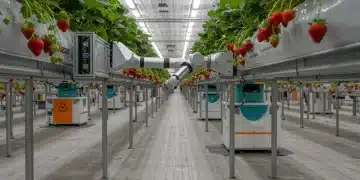
- Harvesting Robots: Autonomous robots designed to pick delicate fruits and vegetables, reducing labor and minimizing waste.
- Planting Robots: Precision planters that optimize seed placement, depth, and spacing for ideal growing conditions.
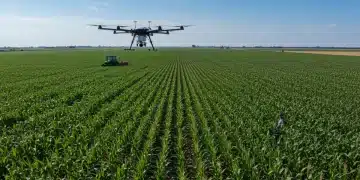
- Scouting and Monitoring Drones/Robots: Systems that collect data on crop health, soil conditions, and pest infestations, providing actionable insights for farmers.
- Spraying Robots: Beyond weeding, robots can apply fertilizers, pesticides, or water with extreme precision, further reducing input waste.
This interconnected web of robotic systems will create highly efficient and resilient farms, capable of responding dynamically to environmental changes and market demands. The data collected by these robots will also feed into sophisticated analytics platforms, offering farmers unprecedented insights into their operations.
The evolution of farm robotics beyond weeding is a testament to the transformative power of technology in agriculture. It promises a future where farming is not only more productive but also significantly more sustainable and environmentally friendly.
Policy, research, and collaborative efforts for adoption
The successful integration of farm robotics, particularly weeding robots, on a large scale requires more than just technological innovation. It demands a concerted effort from policymakers, researchers, and various stakeholders within the agricultural sector.
Creating an enabling environment for the adoption of these technologies is crucial. This involves addressing regulatory frameworks, funding research and development, and fostering collaboration among different entities.
Driving forces for future growth
Several initiatives and partnerships are vital to accelerate the adoption and impact of weeding robots and other agricultural technologies. These efforts aim to make robotic solutions more accessible and effective for farmers.
- Government Incentives: Policies that offer subsidies, tax breaks, or grants for farmers investing in robotic equipment can significantly reduce the financial burden.
- Research and Development (R&D): Continued investment in R&D is essential for improving robot capabilities, reducing costs, and expanding their applicability to diverse farming scenarios.
- Educational Programs: Training programs for farmers and agricultural workers are necessary to equip them with the skills to operate and maintain these advanced systems.
- Industry Collaboration: Partnerships between technology companies, agricultural equipment manufacturers, and farming cooperatives can accelerate innovation and market penetration.
Furthermore, establishing clear regulatory guidelines for autonomous agricultural machinery will build trust and ensure safe operation. This includes standards for data privacy, cybersecurity, and interoperability between different robotic systems.
The collective efforts of these groups will pave the way for a future where farm robotics is not just an innovative concept but a fundamental component of sustainable agriculture, helping to meet the 25% herbicide reduction target and beyond.
| Key Point | Brief Description |
|---|---|
| Herbicide Reduction Goal | Weeding robots aim to cut herbicide use by 25% by 2025, promoting sustainability. |
| Economic Benefits | Robots lower input costs, reduce labor, and improve crop yields for farmers. |
| Adoption Challenges | High costs, technical expertise, and field adaptability are current barriers. |
| Future of Precision Ag | Weeding robots pave the way for broader robotic applications in farming. |
Frequently asked questions about weeding robots
The primary benefit of weeding robots is their ability to reduce herbicide use significantly, targeting individual weeds with precision. This minimizes environmental impact, promotes healthier soil, and reduces chemical costs for farmers, fostering more sustainable agricultural practices.
Weeding robots utilize advanced AI and sensor technologies, including high-resolution cameras and machine learning algorithms. These systems are trained to recognize specific crop patterns and distinguish them from weeds based on shape, color, and size, enabling precise targeting.
Weeding robots primarily use mechanical methods, such as small cultivators or hoes, to physically remove weeds. Some also employ thermal methods, like targeted heat or lasers, to destroy weeds. Precision spraying of minimal herbicide is also an option for certain applications.
While the initial cost can be substantial, the long-term economic benefits often justify the investment. Farmers save on herbicide purchases, reduce labor costs, and potentially achieve higher crop yields due to improved plant health and reduced stress from chemical exposure and competition.
Beyond weeding, farm robotics are expected to expand into various applications, including autonomous planting, precision harvesting of delicate crops, and advanced field monitoring using drones and ground robots. This will lead to a more integrated and efficient precision agriculture system.
Conclusion
The 2025 outlook for farm robotics, particularly in the realm of weeding robots, paints a promising picture for sustainable agriculture. The ambitious target of reducing herbicide use by 25% is not just an environmental goal but an economic imperative that these intelligent machines are uniquely positioned to address. By offering unparalleled precision, efficiency, and a reduced reliance on chemical inputs, weeding robots are set to revolutionize farming practices across the United States. While challenges remain in terms of cost and technical accessibility, ongoing research, supportive policies, and collaborative efforts are steadily paving the way for a future where robotic farming is the norm, contributing to a healthier planet and more prosperous agricultural sector.