Telematics for Farm Equipment: Boosting Efficiency & Reducing Downtime by 10%
Anúncios
In the rapidly evolving landscape of modern agriculture, efficiency and productivity are paramount. Farmers today face numerous challenges, from unpredictable weather patterns to rising operational costs. To navigate these complexities and maintain a competitive edge, the adoption of advanced technologies has become not just an advantage, but a necessity. Among these innovations, farm equipment telematics stands out as a game-changer, offering unprecedented insights into fleet performance and operational health. By integrating sophisticated data collection and transmission systems into agricultural machinery, telematics empowers farmers to optimize their operations, leading to significant reductions in downtime and a boost in overall efficiency. This comprehensive guide delves into how telematics can help achieve a remarkable 10% reduction in downtime, transforming the way modern farms operate.
The Dawn of Smart Farming: Understanding Farm Equipment Telematics
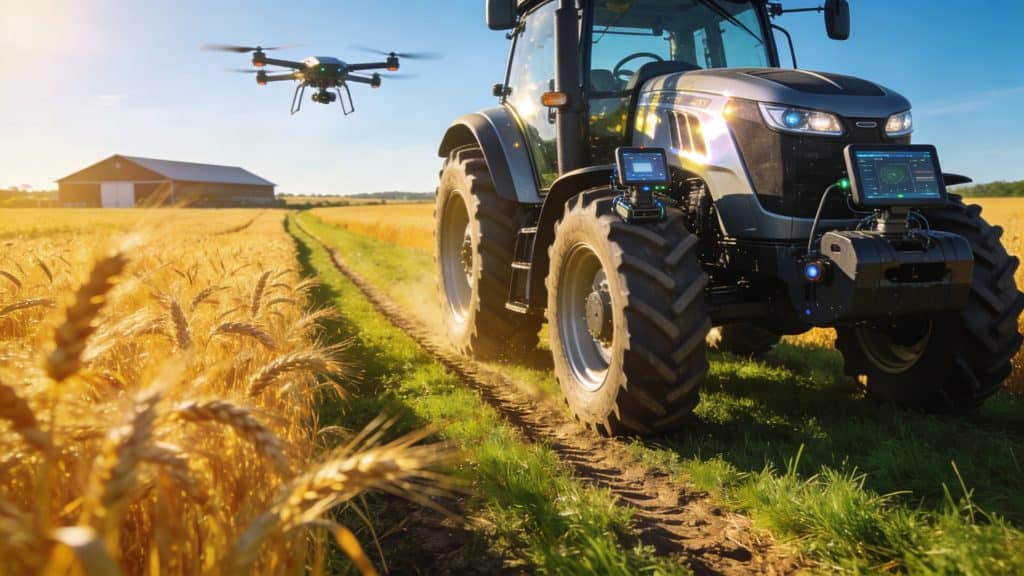
At its core, farm equipment telematics refers to the integrated use of telecommunications and informatics for sending, receiving, and storing information via telecommunication devices in conjunction with vehicular technology. In the context of agriculture, this means outfitting tractors, harvesters, sprayers, and other farm machinery with sensors, GPS, and communication modules that collect and transmit a wealth of operational data in real-time. This data can range from location and speed to fuel consumption, engine diagnostics, and even implement performance.
The concept isn’t new; telematics has been widely adopted in logistics and transportation for years. However, its application in agriculture presents unique opportunities due to the specialized nature of farm work and the high capital investment in machinery. The primary goal is to gain a holistic view of the entire fleet, enabling proactive decision-making and a shift from reactive problem-solving to predictive management. This proactive approach is exactly what drives the potential for a 10% reduction in downtime, a critical factor for successful farming operations where every hour counts during peak seasons.
Anúncios
Key Components of a Telematics System for Farm Equipment
- GPS Tracking: Provides precise location data, enabling route optimization, geofencing, and accurate field mapping.
- Onboard Diagnostics (OBD) Sensors: Monitor engine performance, fuel levels, oil pressure, temperature, and other critical parameters.
- Telemetry Units: Collect and transmit data wirelessly (cellular, satellite) to a central server or cloud platform.
- Data Analytics Platform: Processes raw data into actionable insights, often presented through user-friendly dashboards and reports.
- Communication Modules: Facilitate two-way communication between the equipment and the farm manager or technician.
These components work in synergy to create a powerful ecosystem that not only tracks equipment but also provides diagnostic information, performance metrics, and security features. The ability to access this information from anywhere, at any time, empowers farmers to make informed decisions that directly impact their bottom line and operational efficiency.
The Cost of Downtime: Why a 10% Reduction Matters
Downtime in agriculture is more than just an inconvenience; it’s a significant financial drain. When a piece of essential farm equipment breaks down, it can halt critical operations like planting, spraying, or harvesting. The consequences are far-reaching and can include:
- Lost Productivity: Every hour a machine is idle translates directly to lost work, potentially impacting planting windows or harvest yields.
- Increased Labor Costs: Workers may be idle or forced to work overtime to catch up, incurring additional expenses.
- Missed Opportunities: Optimal planting or harvesting times are often narrow. Delays can lead to reduced crop quality or quantity.
- Spoilage: For certain crops, delays can lead to spoilage or degradation if not harvested within a specific timeframe.
- Repair Expenses: Emergency repairs are often more costly than planned maintenance.
- Rental Costs: If a machine is down for an extended period, farmers might have to rent replacement equipment, adding to costs.
Consider a scenario during harvest season: a combine harvester breaks down. The financial impact can be staggering. Depending on the farm size and crop value, a single day of downtime can cost thousands, if not tens of thousands, of dollars in lost yield and additional expenses. A 10% reduction in this downtime, therefore, represents a substantial saving and a significant boost to profitability. This is where farm equipment telematics truly shines, offering the tools to mitigate these risks effectively.
Anúncios
How Farm Equipment Telematics Achieves a 10% Downtime Reduction
The promise of a 10% reduction in downtime isn’t an exaggeration; it’s a realistic goal achievable through several key functionalities offered by telematics systems. These functionalities transform maintenance, operational planning, and overall fleet management.
1. Predictive Maintenance and Proactive Servicing
One of the most impactful benefits of farm equipment telematics is its ability to enable predictive maintenance. Instead of waiting for a machine to break down (reactive maintenance) or adhering to rigid, calendar-based schedules (preventive maintenance), telematics allows for maintenance based on actual machine condition and usage.
- Real-time Diagnostics: Sensors continuously monitor critical components like engines, transmissions, and hydraulic systems. Any anomalies, such as unusual vibrations, temperature spikes, or pressure drops, are immediately detected and reported.
- Fault Code Alerts: When a diagnostic trouble code (DTC) is generated, the telematics system instantly transmits it to the farm manager or service provider. This allows for early diagnosis and repair before a minor issue escalates into a major breakdown.
- Usage-Based Maintenance: Maintenance schedules can be dynamically adjusted based on actual engine hours, mileage, or workload, rather than arbitrary time intervals. This ensures that maintenance is performed precisely when needed, preventing unnecessary servicing or catastrophic failures due to neglected components.
By identifying potential issues before they cause a breakdown, farmers can schedule repairs during off-peak hours or when the machine is less critical to operations, minimizing disruption and significantly reducing unforeseen downtime. This proactive approach directly contributes to the 10% reduction target.
2. Optimized Fleet Utilization and Resource Allocation
Telematics provides a comprehensive overview of your entire fleet, allowing for smarter allocation of resources and improved utilization of each machine.
- GPS Tracking and Geofencing: Knowing the exact location of every piece of equipment helps in optimizing routes for field operations, minimizing fuel consumption, and ensuring machines are where they need to be. Geofencing can alert managers if equipment leaves designated areas, enhancing security and preventing unauthorized use.
- Performance Monitoring: Data on speed, idle time, fuel consumption, and implement engagement helps identify inefficiencies. For instance, excessive idling wastes fuel and adds unnecessary wear and tear. Telematics can highlight these issues, prompting operators to adopt more efficient practices.
- Workload Balancing: By understanding the real-time status and workload of each machine, managers can distribute tasks more effectively, preventing over-utilization of some machines while others sit idle. This balanced approach extends equipment lifespan and reduces the likelihood of breakdowns due to overwork.
Improved utilization means less stress on individual machines, fewer unexpected failures, and a more streamlined operation, all contributing to that crucial 10% downtime reduction.
3. Enhanced Operator Performance and Training
The human element plays a significant role in equipment longevity and operational efficiency. Farm equipment telematics can also provide insights into operator behavior.
- Driving Behavior Analysis: Telematics can monitor factors like harsh braking, rapid acceleration, and excessive speeding, which can contribute to premature wear and tear on machinery and increase fuel consumption.
- Operational Efficiency Metrics: Data on implement usage, engine load, and field coverage rates can highlight areas where operators might need additional training or adjustments to their techniques.
- Accountability: By providing objective data, telematics fosters a culture of accountability among operators, encouraging them to operate machinery safely and efficiently.
By identifying and addressing suboptimal operating practices, farms can reduce the risk of operator-induced damage and extend the life of their equipment, further contributing to a reduction in unexpected downtime.
4. Improved Security and Loss Prevention
High-value farm equipment is a target for theft. Telematics systems offer robust security features that can prevent loss and recover stolen assets, thus preventing downtime associated with missing machinery.
- Real-time Location Tracking: In case of theft, GPS tracking allows authorities to quickly locate and recover stolen equipment.
- Geofencing Alerts: If a machine moves outside predefined boundaries without authorization, an alert is triggered, allowing for immediate action.
- Ignition On/Off Alerts: Notifications can be sent when equipment is started or shut down, providing an audit trail and alerting to unauthorized usage.
Preventing theft or quickly recovering stolen assets means less disruption to farm operations and avoids the significant downtime and financial cost associated with replacing essential machinery.
Implementing Farm Equipment Telematics: Best Practices
To fully leverage the benefits of farm equipment telematics and achieve that 10% downtime reduction, a strategic implementation approach is crucial. It’s not just about installing devices; it’s about integrating the data into your daily operations and decision-making processes.
1. Define Clear Objectives
Before investing, clearly define what you want to achieve. Is it solely downtime reduction, or also fuel efficiency, improved yields, or better asset utilization? Having clear goals will guide your choice of system and help measure ROI.
2. Choose the Right Telematics Provider
Not all telematics systems are created equal. Look for providers with a strong track record in agriculture, offering:
- Robust Hardware: Devices that can withstand harsh agricultural environments.
- Comprehensive Data: Systems that capture the specific metrics most relevant to farm equipment (e.g., PTO usage, implement hours, engine load).
- User-Friendly Software: Intuitive dashboards and reporting tools that make data actionable.
- Integration Capabilities: Ability to integrate with existing farm management software or precision agriculture platforms.
- Reliable Support: Excellent customer service and technical support.
3. Phased Implementation
Start with a pilot program on a few key pieces of equipment. This allows you to understand the system, identify potential challenges, and train your team before a full-scale rollout. Learning from a smaller deployment can save significant time and resources in the long run.
4. Train Your Team
The success of any technology adoption hinges on user acceptance and proficiency. Ensure that farm managers, operators, and maintenance staff are thoroughly trained on how to use the telematics system, interpret data, and act on insights. Encourage a culture where data-driven decision-making is valued.
5. Integrate Data into Daily Workflows
Don’t let the data sit in a dashboard. Integrate telematics insights into your daily operational planning, maintenance scheduling, and performance reviews. For example, use real-time alerts to schedule immediate inspections or leverage historical data to optimize future planting routes.
6. Regularly Review and Optimize
The agricultural landscape is dynamic. Regularly review your telematics data and system performance. Are you seeing the expected reduction in downtime? Are there new insights that can further improve efficiency? Continuously optimize your use of the system to maximize its benefits.
Real-World Impact: Beyond the 10% Downtime Reduction
While a 10% reduction in downtime is a significant achievement, the benefits of farm equipment telematics extend far beyond this single metric. It contributes to a more sustainable, profitable, and technologically advanced agricultural operation:
- Fuel Efficiency: By monitoring fuel consumption, identifying idle times, and optimizing routes, farms can significantly reduce fuel costs, a major operational expense.
- Enhanced Asset Lifespan: Proactive maintenance and optimized usage reduce wear and tear, extending the operational life of expensive machinery.
- Better Record Keeping: Automated data collection provides accurate records for compliance, warranty claims, and historical performance analysis.
- Improved Insurance Rates: Some insurance providers may offer reduced premiums for farms utilizing telematics due to enhanced security and reduced risk of breakdowns.
- Environmental Benefits: Optimized routes and reduced idle times contribute to lower carbon emissions, aligning with sustainable farming practices.
- Data-Driven Decision Making: Farmers can move from guesswork to precise, data-backed decisions regarding equipment purchases, field planning, and operational strategies.
- Increased Resale Value: Well-maintained equipment with comprehensive service records, often generated through telematics, can command a higher resale value.
These cumulative benefits paint a picture of a farming operation that is not only more efficient but also more resilient and adaptable to future challenges. The initial investment in telematics pays dividends through multiple avenues, making it a wise strategic choice for modern farms.
Challenges and Considerations
While the advantages are clear, implementing farm equipment telematics also comes with its own set of challenges that need to be addressed:
- Initial Investment: The cost of telematics hardware, software subscriptions, and installation can be substantial, especially for large fleets. However, the ROI from reduced downtime and increased efficiency often justifies this expense.
- Connectivity: Reliable cellular or satellite connectivity is essential for real-time data transmission. Remote agricultural areas can sometimes have patchy network coverage, which needs to be considered.
- Data Overload: Telematics systems can generate vast amounts of data. Without proper analytics tools and trained personnel, this data can become overwhelming rather than insightful.
- Integration Issues: Integrating new telematics systems with existing farm management software or legacy equipment can sometimes be complex.
- Data Security and Privacy: Protecting sensitive operational data from cyber threats and ensuring data privacy is crucial. Farmers must choose reputable providers with strong security protocols.
- Training and Adoption: As mentioned, ensuring that all staff are comfortable and proficient with the new technology is vital for successful adoption. Resistance to change can be a significant hurdle.
Addressing these challenges proactively, perhaps through pilot programs, careful vendor selection, and ongoing training, will pave the way for a smoother and more successful telematics implementation on the farm.
The Future of Farm Equipment Telematics
The evolution of farm equipment telematics is far from over. As technology advances, we can expect even more sophisticated features and integrations:
- AI and Machine Learning: Advanced algorithms will further enhance predictive maintenance capabilities, identifying subtle patterns in data that indicate impending failures with even greater accuracy.
- Autonomous Equipment Integration: Telematics will be integral to managing and monitoring fleets of autonomous farm machinery, ensuring their safe and efficient operation.
- Enhanced Sensor Technology: New sensors will capture even more granular data, from soil conditions in real-time to precise crop health metrics, allowing for hyper-localized decision-making.
- Blockchain for Traceability: Telematics data could be integrated with blockchain technology to provide immutable records of farming practices, enhancing food traceability and consumer trust.
- Real-time Weather Integration: Combining telematics data with hyper-local weather forecasts to make immediate operational adjustments, such as pausing spraying before a heavy downpour.
These future developments promise to further solidify telematics as a cornerstone of precision agriculture, driving efficiency, sustainability, and profitability to new heights.
Conclusion: Embracing the Telematics Revolution for a More Efficient Farm
The agricultural sector stands at the precipice of a technological revolution, and farm equipment telematics is leading the charge. By providing unparalleled visibility into fleet operations, enabling predictive maintenance, optimizing resource allocation, and enhancing security, telematics offers a clear pathway to significantly reduce operational downtime. The target of a 10% reduction in downtime is not merely aspirational; it is a tangible, achievable outcome that directly translates into substantial cost savings and increased productivity.
For farmers looking to future-proof their operations, improve their bottom line, and embrace the principles of smart farming, investing in telematics is no longer an option but a strategic imperative. It empowers them with the data and insights needed to make proactive decisions, ensuring that their valuable equipment remains operational when it matters most. As the world population grows and the demand for food increases, the efficiency gains brought by telematics will be crucial in meeting these challenges, cultivating a more productive and sustainable agricultural future.
Embrace farm equipment telematics today, and unlock the full potential of your agricultural machinery, ensuring that your farm operates at peak performance, season after season.