Automated irrigation control systems: optimize your garden effortlessly
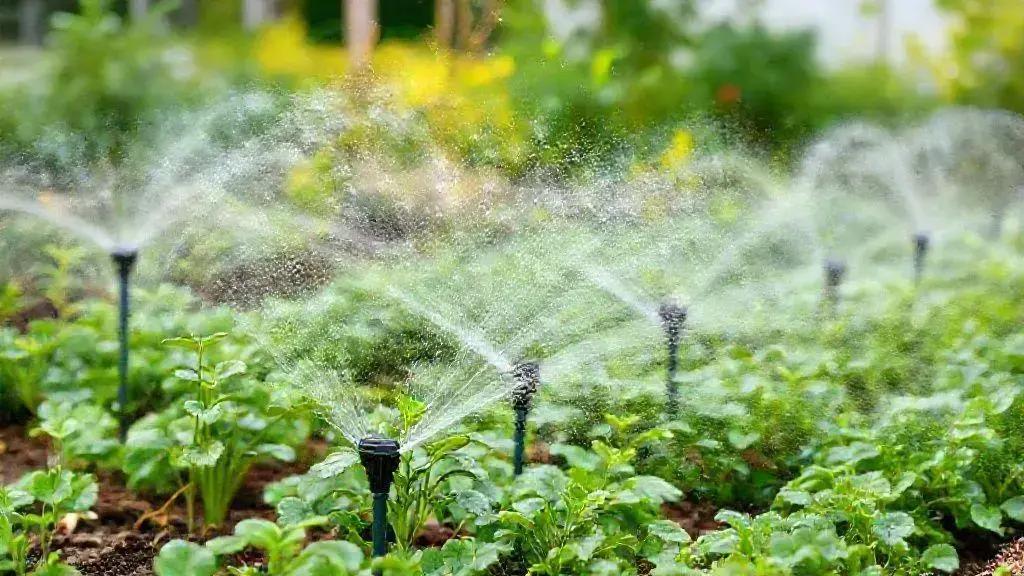
Automated irrigation control systems optimize water usage and enhance plant care by using technology to monitor soil moisture and manage watering schedules efficiently.
Automated irrigation control systems have become crucial for modern gardening. Have you ever struggled with maintaining your plants’ watering schedules? This technology not only simplifies the process but also enhances the overall health of your garden.
Understanding automated irrigation control systems
When you think about automated irrigation control systems, imagine how they can completely change the way you care for your garden. These systems allow you to manage watering schedules efficiently and effectively, ensuring your plants receive exactly what they need.
What Are Automated Irrigation Control Systems?
At their core, these systems use technology to control the watering of your plants. They can be programmed to water at specific times or based on soil moisture levels. This means less guesswork and more time enjoying your garden.
Key Features of Automated Irrigation Systems
Many of these systems come with features that enhance their functionality:
- Soil moisture sensors: These sensors determine when to water based on the dampness of the soil.
- Weather integration: Some systems link to weather forecasts to avoid watering during rain.
- Mobile app control: Many modern systems allow you to control everything from your smartphone.
Additionally, automated irrigation control systems can save water, reduce labor, and promote healthier plants. By monitoring the needs of your garden more precisely, you help ensure that your plants thrive. Some systems also provide reports on water usage, making it easy to track your conservation efforts.
Choosing the Right System for Your Needs
When looking for the perfect automated irrigation system, consider several factors:
- Size of your garden: Ensure the system can cover your entire area.
- Type of plants: Different plants have different water needs.
- Budget: There are options across a wide price range.
Moreover, you may find systems that offer easy installation, which could save you time and potential hassle. Reading user reviews can also provide valuable insights before making your decision.
Overall, with the right automated irrigation control system, you can enhance not only the beauty of your garden but also the efficiency of your resources. This technology represents a step forward in sustainable gardening practices, making life easier for both novice and experienced gardeners alike.
Key benefits of implementing these systems
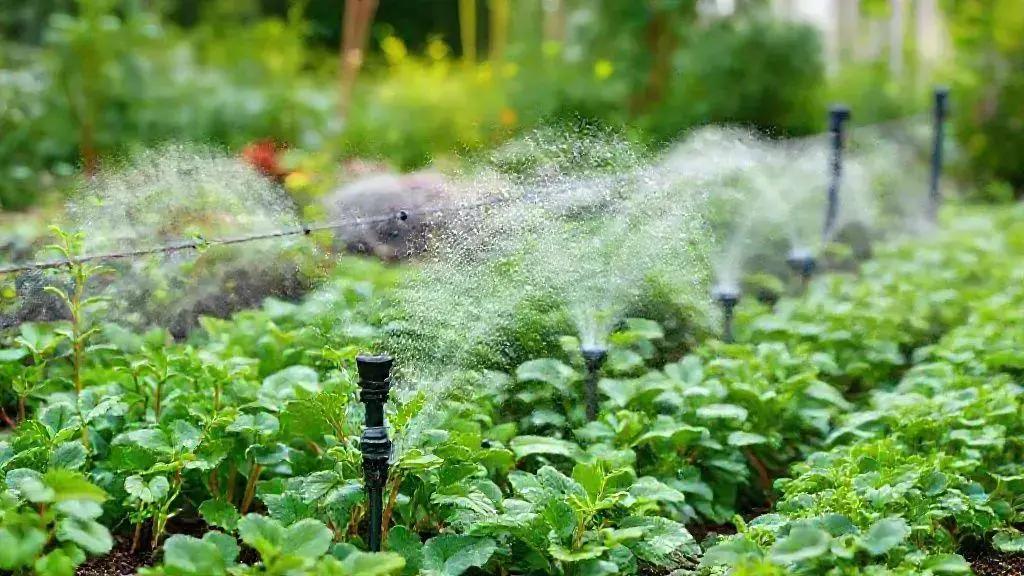
Implementing automated irrigation control systems comes with a wide range of benefits that can transform any gardening or farming experience. These systems not only save time but also provide precise control over water usage.
Water Conservation
One of the most significant advantages is the ability to conserve water. By using sensors that monitor soil moisture, these systems can determine exactly when and how much to water. This targeted approach reduces water waste, ensuring that every drop counts.
Time Savings
With automated irrigation, you can spend less time worrying about watering schedules. Many systems can be programmed to operate on their own, allowing you to focus on other tasks or simply enjoy your leisure time. Hence, the automation significantly lightens the burden of garden maintenance.
Healthier Plants
When plants receive the right amount of water consistently, they tend to thrive. Automated systems help prevent overwatering and underwatering, which can lead to healthier growth overall. By precisely managing irrigation, these systems promote stronger root systems and vibrant foliage.
- Customizable settings: Most systems can be adjusted to fit different plants’ needs, ensuring optimal care.
- Reduced labor costs: Automated systems minimize the need for manual watering, lowering labor expenses.
- Data insights: Advanced systems provide insights into water usage and soil conditions, helping you to make informed decisions.
Moreover, the ability to integrate weather forecasts with watering schedules can prevent unnecessary watering during rainy days. This adaptability makes automated irrigation control systems an excellent choice for sustainable gardening and farming practices. In essence, these systems promote an efficient, hassle-free way to maintain landscapes.
Tips for selecting the right system for your needs
Selecting the right automated irrigation control system is crucial for the success of your gardening or farming experience. With a wide variety of options available, it’s essential to consider several factors to ensure you make the best choice.
Assess Your Garden Size
The first step is to evaluate the size of your garden. Larger areas may require more extensive systems or multiple zones for optimal coverage. Smaller gardens can often use simpler systems that are easier to install and manage.
Understand the Water Requirements
Different plants have distinct water needs. Before choosing a system, take some time to research the specific requirements of your plants. Some automated systems come with customizable settings that allow you to adjust the watering based on plant types.
- Vegetable gardens: These typically need more frequent watering.
- Flower beds: They may require less water compared to vegetables.
- Lawns: This area often needs a separate irrigation schedule.
Another factor to consider is the availability of water sources. Ensure that your automated system is compatible with the water supply at your location.
Evaluate System Features
Look for features that can enhance your watering experience. Systems with moisture sensors automatically adjust to the moisture level in the soil, making them highly efficient. Additionally, mobile app controls allow you to manage your irrigation from anywhere.
- Weather integration: Some systems will adjust based on weather forecasts.
- Programmable schedules: These allow setting specific watering times and durations.
- Easy installation: Choose systems that are user-friendly for a hassle-free setup.
Finally, consider your budget. While some systems may offer advanced features, there are more affordable options that still provide the basics needed for effective irrigation. Finding a balance between features and cost is essential for making a wise investment.
Common challenges and solutions in automated irrigation
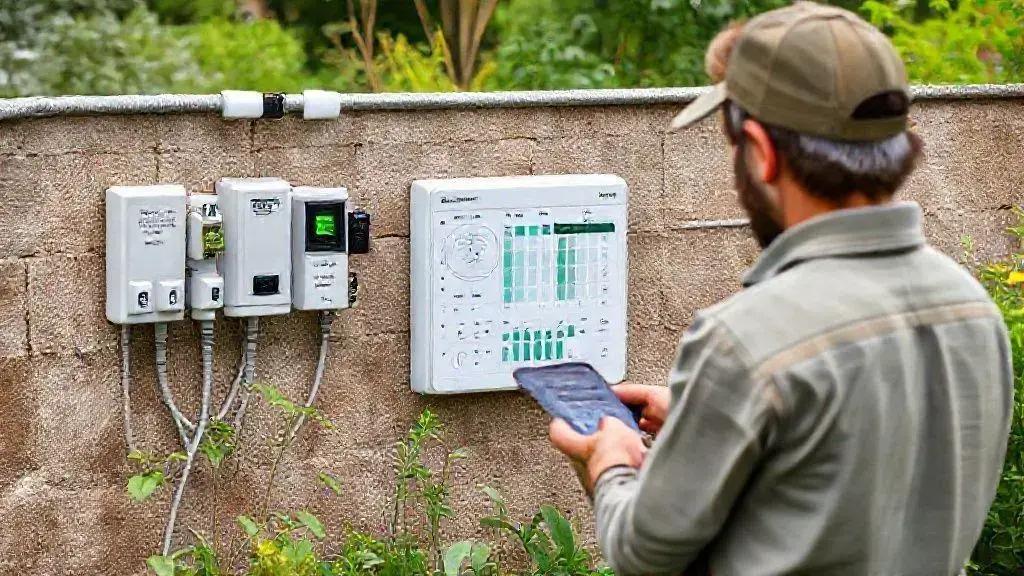
When using automated irrigation control systems, gardeners and farmers may face several common challenges. However, understanding these issues can help you find effective solutions.
System Installation Issues
One frequent challenge occurs during the installation process. Many users may find the setup complicated or fail to connect the system to the water supply properly. To mitigate this, it is essential to read the installation manual thoroughly and watch tutorial videos. These resources provide helpful tips, making the process smoother and easier.
Sensor Malfunctions
Another common problem involves sensor malfunctions. When moisture sensors fail, it can lead to over or underwatering. Regular maintenance and testing of sensors will help ensure they function correctly. Replacing batteries or recalibrating the sensors can often resolve these issues.
Scheduling Conflicts
Users may struggle with scheduling conflicts, especially if the system is not set correctly. To avoid this, it is important to establish a clear watering schedule that meets the needs of your garden. Many systems allow you to customize settings for different zones, ensuring each area receives the right amount of water at the right time.
- Check for compatibility: Ensure the system is compatible with your existing water source.
- Monitor weather conditions: Adjust schedules based on rain forecasts to avoid overwatering.
- Regularly review plant needs: Different plants may require adjustments in their watering schedule.
Moreover, users might face issues with connectivity when systems are connected to mobile apps or online controls. Keeping the app updated and ensuring a strong Wi-Fi signal in the garden area can prevent these issues. By staying informed and proactive, you can effectively tackle challenges that come with automated irrigation systems.
FAQ – Common Questions about Automated Irrigation Control Systems
What are automated irrigation control systems?
Automated irrigation control systems use technology to manage watering schedules and amounts, enhancing plant care and conserving water.
How do these systems save water?
By using sensors to monitor soil moisture levels, they ensure plants receive the right amount of water only when needed.
Can I control my irrigation system remotely?
Yes, many modern systems offer mobile app control, allowing you to manage your watering schedule from anywhere.
What should I consider when choosing an irrigation system?
Consider factors like garden size, plant water requirements, available features, and your budget to find the best system for your needs.