Automated Grain Storage Solutions: Preserving Quality and Reducing Spoilage by 8% Post-Harvest
In the expansive world of agriculture, the journey of grain doesn’t end at harvest. In fact, what happens post-harvest is just as critical, if not more so, to ensuring food security, market stability, and farmer profitability. For centuries, grain storage has been a battle against elements, pests, and time. However, with the advent of automated grain storage solutions, this battle is being won with unprecedented efficiency and precision. This comprehensive guide will explore how these innovative systems are revolutionizing the agricultural landscape, focusing on their ability to preserve quality and significantly reduce spoilage, often by an impressive 8% or more, transforming challenges into opportunities.
The global demand for food continues to escalate, placing immense pressure on agricultural systems to not only produce more but also to minimize waste. Post-harvest losses represent a staggering drain on resources, with estimates suggesting that a significant portion of harvested crops is lost before reaching consumers. For grain, these losses can stem from a variety of factors, including inadequate storage facilities, fluctuating environmental conditions, and pest infestations. Traditional storage methods, while foundational, often lack the dynamic control necessary to combat these threats effectively. This is where automated grain storage technology steps in, offering a sophisticated and proactive approach to grain preservation.
The Critical Need for Enhanced Grain Storage
Before diving into the specifics of automation, it’s essential to understand the magnitude of post-harvest grain loss. Across the globe, millions of tons of grain are lost annually due to poor storage. This isn’t just an economic issue; it’s a humanitarian one, impacting food availability and exacerbating food insecurity in vulnerable regions. Spoilage can occur due to moisture migration, temperature fluctuations, insect infestations, and fungal growth. Each of these factors can degrade grain quality, reduce its nutritional value, and render it unfit for consumption or sale. The economic implications for farmers are severe, directly impacting their livelihoods and investment returns. Therefore, investing in advanced automated grain storage systems is not merely an upgrade; it’s a necessity for sustainable agriculture.
Moreover, the quality of grain directly influences its market value. Grain that has been properly stored maintains its optimal characteristics, commanding higher prices and opening up more market opportunities. Conversely, compromised grain might be sold at a discount or rejected entirely, leading to further financial losses. The push for quality assurance throughout the supply chain, from farm to fork, means that effective post-harvest management is no longer an option but a mandatory component of modern farming. This societal and economic pressure underscores the urgent need for innovative solutions like smart grain storage to safeguard this invaluable resource.
What Defines Automated Grain Storage?
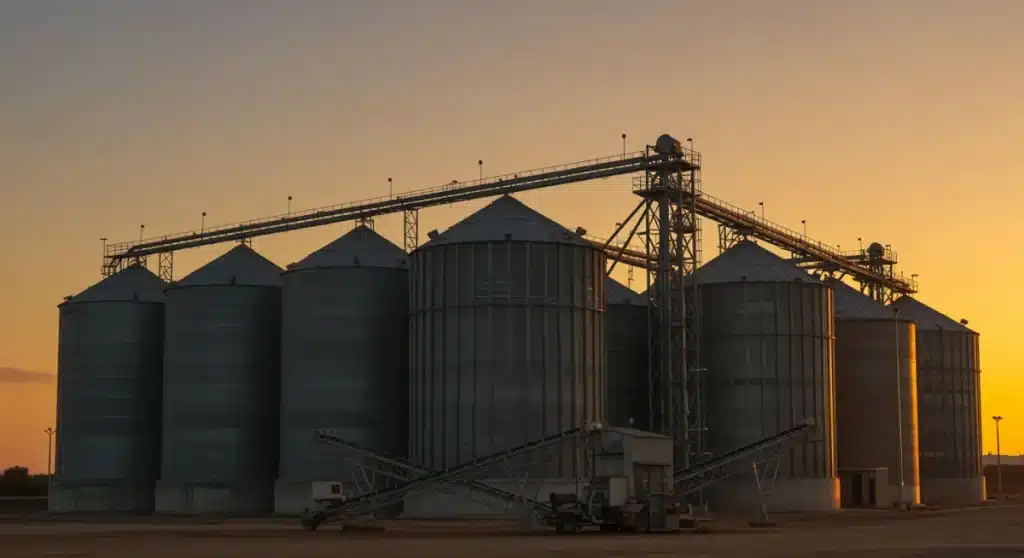
At its core, automated grain storage refers to the integration of advanced technologies and systems to monitor, control, and manage grain conditions within storage facilities with minimal human intervention. These systems leverage sensors, data analytics, artificial intelligence (AI), and robotics to create an optimal environment for grain preservation. Unlike traditional methods that rely on periodic manual checks, automated systems provide continuous, real-time insights and adjustments, ensuring that grain remains in prime condition for extended periods.
Key Components of Automated Grain Storage Systems:
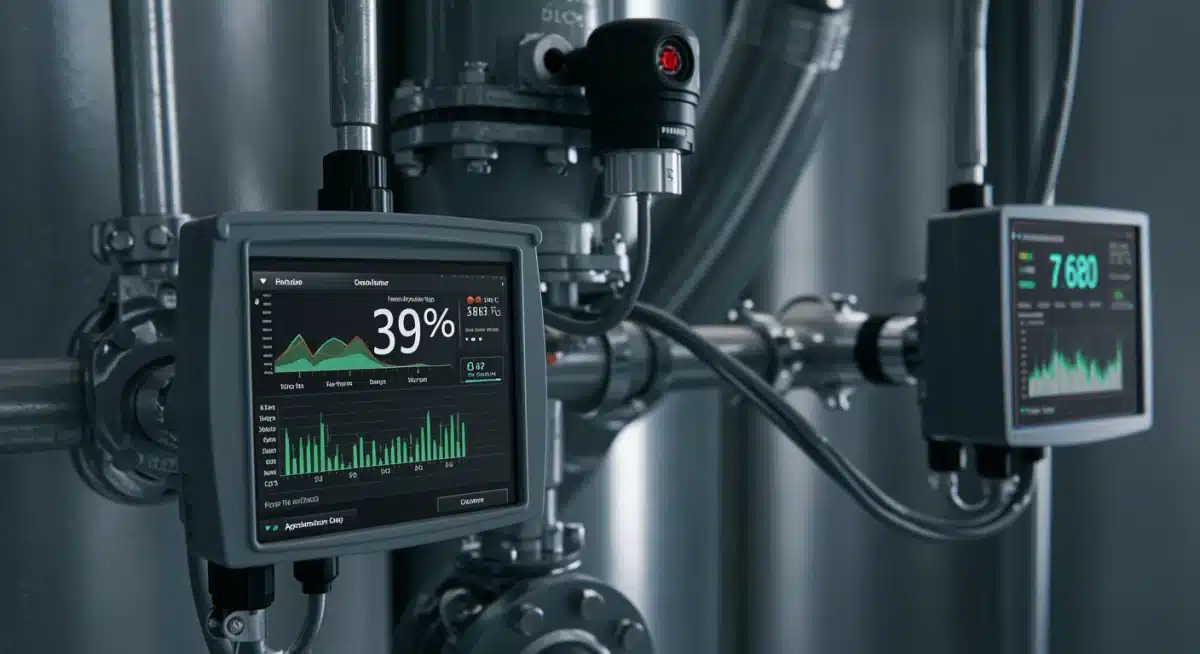
- Sensors: These are the eyes and ears of an automated system, continuously monitoring critical parameters such as temperature, humidity, and moisture content within the grain mass.
- Actuators and Control Systems: Based on sensor data, these systems automatically adjust ventilation, aeration, and even heating/cooling units to maintain optimal conditions.
- Data Analytics and AI: Sophisticated software processes the vast amounts of data collected, identifies patterns, predicts potential problems (e.g., hot spots developing), and provides actionable insights. AI algorithms can even learn and refine control strategies over time.
- Remote Monitoring and Control: Farmers and facility managers can access real-time data and control systems remotely via mobile apps or web platforms, allowing for immediate intervention from anywhere.
- Automated Handling Equipment: This includes conveyor belts, elevators, and other machinery that can automatically move grain in and out of storage, reducing labor costs and minimizing physical damage to the grain.
- Integrated Pest Management: Some advanced systems incorporate automated pest detection and control mechanisms, further safeguarding the stored grain.
The synergy of these components creates a dynamic and responsive storage environment, a significant departure from static, passive storage. This proactive management is what enables the impressive reduction in spoilage and preservation of grain quality that advanced grain storage solutions offer.
The Tangible Benefits: Reducing Spoilage by 8% and Beyond
The promise of automated grain storage is not just theoretical; it’s backed by tangible results. Studies and real-world implementations have consistently shown that these systems can reduce post-harvest grain spoilage by an average of 8%, with some reports indicating even higher reductions depending on the initial conditions and specific technologies deployed. This 8% reduction translates into substantial economic gains and a significant contribution to global food security.
How Automated Systems Achieve Spoilage Reduction:
- Precision Environmental Control: Automated systems ensure that the grain is stored at optimal temperature and humidity levels, preventing the conditions conducive to mold growth, insect proliferation, and moisture migration. For example, maintaining a consistent low temperature can dramatically slow down metabolic processes in grain, extending its shelf life.
- Early Detection of Issues: Continuous monitoring allows for the immediate detection of anomalies, such as rising temperatures in a specific part of a silo (indicating a ‘hot spot’). This early warning enables prompt intervention, preventing localized issues from escalating into widespread spoilage.
- Optimized Aeration: Aeration is crucial for maintaining grain quality, but over-aeration can dry out grain unnecessarily, while under-aeration can lead to moisture buildup. Automated systems use sensors to determine precisely when and how much aeration is needed, conserving energy and maximizing effectiveness.
- Pest and Fungal Prevention: By controlling environmental factors, automated systems create an inhospitable environment for pests and fungi. Some systems even integrate CO2 sensors to detect insect respiration early, allowing for targeted treatment without widespread chemical application.
- Reduced Human Error: Manual monitoring is prone to human error, inconsistencies, and delays. Automation removes this variable, ensuring consistent and reliable management of storage conditions.
The cumulative effect of these features is a robust defense against the primary causes of grain spoilage. For farmers, this means more sellable grain, higher quality produce, and ultimately, greater profitability. For consumers, it means a more reliable and stable food supply.
Beyond Spoilage: Preserving Grain Quality and Nutritional Value
While spoilage reduction is a primary benefit, automated grain storage also plays a pivotal role in preserving the intrinsic quality and nutritional value of grain. Grain is a living organism, and its quality can degrade even without outright spoilage if not stored correctly.
Aspects of Quality Preservation:
- Maintaining Germination Rate: For grain intended for seed, maintaining a high germination rate is paramount. Automated systems prevent conditions that can reduce viability, ensuring that the seed remains strong and productive.
- Preventing Mycotoxin Contamination: Fungal growth, often caused by high moisture and temperature, can lead to the production of mycotoxins – harmful substances that can render grain unsafe for consumption. Automated control of environmental conditions is the most effective way to prevent mycotoxin development.
- Preserving Physical Integrity: Automated handling systems are designed to minimize physical damage to kernels during loading, unloading, and transfer. Cracked or broken kernels are more susceptible to pest infestation and spoilage.
- Retaining Nutritional Content: By preventing degradation, automated storage helps in retaining essential nutrients, proteins, and vitamins in the grain, ensuring it remains highly nutritious for its intended use, whether for human consumption or animal feed.
- Odor and Flavor Preservation: Proper storage prevents the development of off-odors and flavors that can occur due to mold or insect activity, ensuring the grain remains palatable and appealing.
The comprehensive approach of grain storage automation ensures that the grain not only survives storage but thrives, emerging in a condition that meets the highest standards of quality and safety.
Implementation Challenges and Considerations
While the benefits are clear, implementing automated grain storage solutions comes with its own set of challenges and considerations that farmers and agricultural businesses need to address.
Initial Investment:
The upfront cost of installing automated systems can be substantial. This includes the cost of sensors, control units, software, and potentially new or upgraded storage structures. However, it’s crucial to view this as an investment rather than an expense, given the significant returns from spoilage reduction and quality preservation. Financing options and government incentives can help mitigate these initial costs.
Technical Expertise:
Operating and maintaining sophisticated automated systems requires a certain level of technical expertise. Farmers may need training or access to skilled technicians to ensure the systems are used effectively. Providers of smart grain storage systems often offer comprehensive support and training programs.
Connectivity and Infrastructure:
Many automated systems rely on internet connectivity for data transfer and remote control. In rural areas with limited internet access, this can be a hurdle. Investing in robust and reliable connectivity solutions is often a prerequisite.
Integration with Existing Infrastructure:
For farms with existing storage facilities, integrating new automated systems can be complex. Compatibility issues and the need for structural modifications can add to the project’s scope. Modular and scalable solutions are often preferred to allow for phased implementation.
Despite these challenges, the long-term benefits of reduced losses, improved grain quality, and enhanced operational efficiency far outweigh the initial hurdles, making automated grain storage a wise investment for the future of agriculture.
The Future of Grain Storage: AI, IoT, and Robotics
The evolution of automated grain storage is far from over. The integration of cutting-edge technologies like Artificial Intelligence (AI), the Internet of Things (IoT), and advanced robotics is set to push the boundaries of efficiency and precision even further.
AI-Powered Predictive Analytics:
AI algorithms are becoming increasingly sophisticated, capable of analyzing vast datasets from multiple sensors to predict potential spoilage risks even before they manifest. This allows for hyper-proactive intervention, moving beyond reactive adjustments to truly preventative management. AI can learn from historical data and adapt its strategies to specific grain types, local climates, and storage conditions.
IoT for Seamless Integration:
The Internet of Things (IoT) facilitates seamless communication between all components of the storage system, from individual sensors to central control units and remote monitoring devices. This interconnectedness creates a holistic view of the storage environment, enabling more coordinated and efficient responses. IoT also allows for integration with other farm management systems, creating a truly smart farm ecosystem.
Robotics for Enhanced Handling:
Robotics is already playing a role in automated handling, but future advancements will see more sophisticated robots performing tasks like automated sampling, precise grain conditioning, and even autonomous pest detection and localized treatment. This will further reduce manual labor requirements and increase the precision of grain management.
Blockchain for Traceability:
While not directly related to environmental control, blockchain technology can be integrated with automated storage systems to provide an immutable record of grain conditions throughout its storage life. This enhances traceability, transparency, and trust in the supply chain, adding another layer of value to well-preserved grain.
These emerging technologies promise to make automated grain storage even more intelligent, efficient, and resilient, ensuring that the world’s grain supply is safeguarded against all odds.
Case Studies and Success Stories
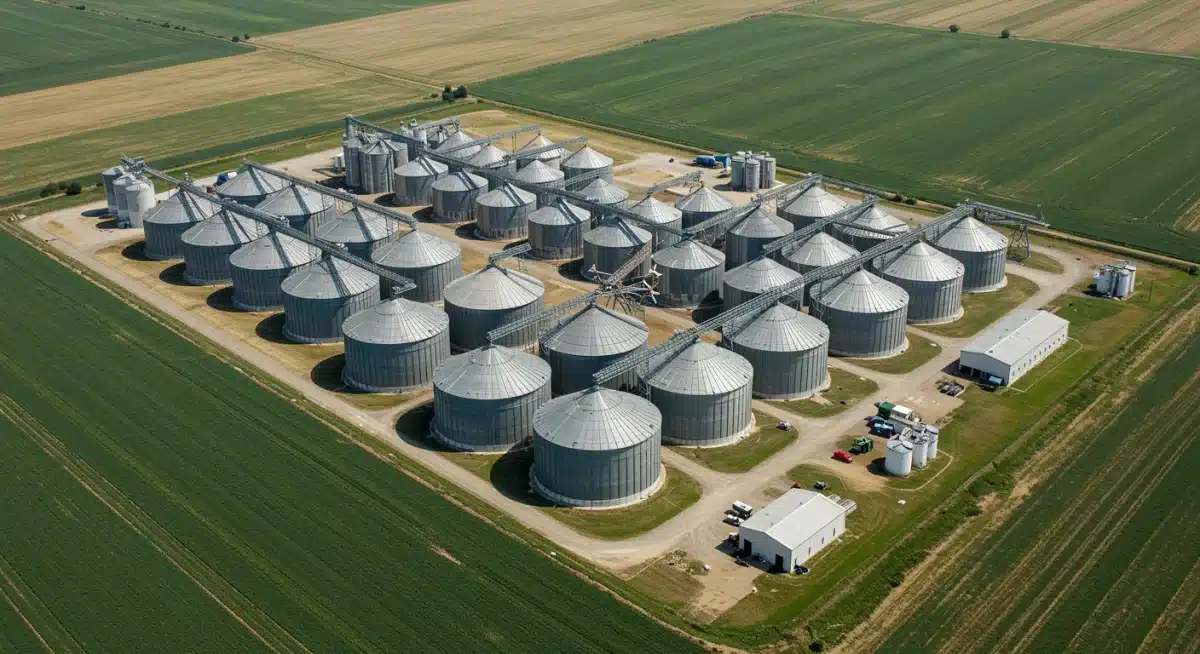
Numerous agricultural enterprises worldwide have already embraced automated grain storage solutions and are reaping the rewards. For instance, a large cooperative in the Midwest, facing consistent post-harvest losses due to fluctuating temperatures, implemented a fully automated aeration and monitoring system. Within the first year, they reported a 9% reduction in spoilage, saving hundreds of thousands of dollars and significantly improving the quality of their corn and soybean output.
Another example comes from a grain exporter in Australia, where hot and humid conditions traditionally posed a major challenge for long-term wheat storage. By installing advanced sensor networks and AI-driven climate control, they were able to extend the safe storage period of their wheat by several months, opening up new export markets and increasing their competitive edge. Their documented spoilage reduction was approximately 7.5%, directly attributable to the automated system.
These success stories highlight the practical and economic viability of investing in smart storage solutions. They demonstrate that the initial investment, while significant, yields substantial returns through prevented losses and enhanced market value.
Choosing the Right Automated Grain Storage System
Selecting the appropriate automated grain storage system requires careful consideration of several factors:
- Scale of Operation: The size of your farm and the volume of grain stored will dictate the capacity and complexity of the system needed.
- Grain Types: Different grains have varying storage requirements. Ensure the system can be customized to handle the specific needs of your crops.
- Budget: Evaluate the upfront costs versus the long-term savings and return on investment. Explore financing options and potential grants.
- Integration with Existing Infrastructure: Consider how easily the new system can be integrated with your current storage facilities and farm management software.
- Supplier Reputation and Support: Choose a reputable supplier that offers comprehensive installation, training, and ongoing technical support.
- Scalability: Opt for systems that can be expanded or upgraded as your needs evolve.
- Energy Efficiency: Look for systems that are designed to be energy-efficient, minimizing operational costs.
A thorough assessment of these factors will help ensure that the chosen automated grain storage automation solution is well-suited to your specific needs and maximizes its benefits.
Conclusion: The Indispensable Role of Automated Grain Storage
The agricultural sector stands at a pivotal moment, facing the dual challenges of feeding a growing global population and grappling with the impacts of climate change. In this context, minimizing post-harvest losses is not just an efficiency goal; it’s a critical component of global food security and sustainable farming. Automated grain storage solutions offer a powerful and proven pathway to achieve this. By leveraging advanced sensors, data analytics, AI, and robotics, these systems provide unparalleled control over storage environments, leading to significant reductions in spoilage – often by 8% or more – and exceptional preservation of grain quality.
The transition to automated systems represents an investment in the future, safeguarding farmers’ livelihoods, enhancing food quality, and contributing to a more resilient food supply chain. As technology continues to advance, the capabilities of automated grain storage will only grow, solidifying its indispensable role in modern agriculture. For any agricultural operation serious about maximizing profitability, ensuring quality, and contributing to a sustainable future, embracing automated grain storage is no longer a luxury but a strategic imperative.