Automated Feeding Systems: Boost US Livestock Efficiency by 10% by 2026
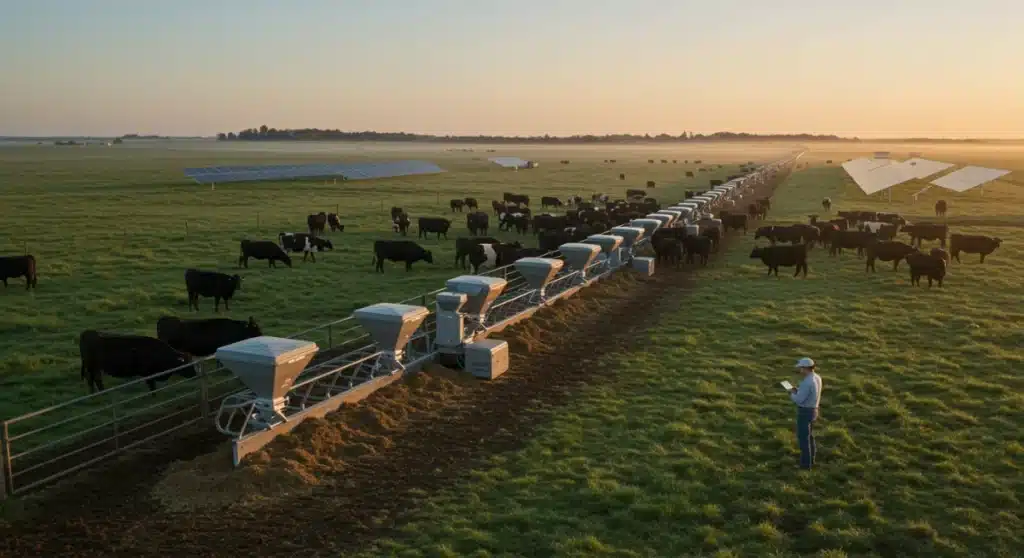
Automated feeding systems are set to revolutionize US ranches, aiming to boost livestock efficiency by 10% by 2026 through precision nutrition, reduced waste, and optimized animal welfare.
The landscape of US ranching is undergoing a significant transformation, driven by technological advancements aimed at maximizing productivity and sustainability. Among these innovations, automated feeding systems stand out as a game-changer, promising to elevate livestock efficiency by a remarkable 10% by 2026. This shift towards smart feeding solutions is not merely an upgrade; it’s a fundamental reimagining of how ranchers manage their herds, ensuring healthier animals and more profitable operations.
The rise of automated feeding in US livestock
The traditional methods of livestock feeding, often labor-intensive and prone to inconsistencies, are steadily giving way to sophisticated automated solutions across US ranches. This evolution is driven by a critical need to enhance operational efficiency, reduce costs, and improve animal welfare in an increasingly competitive market. Automated systems offer unparalleled precision in feed delivery, ensuring each animal receives the optimal nutritional intake tailored to its specific needs.
Ranchers are recognizing that these systems do more than just save time; they provide invaluable data that can inform critical management decisions. From monitoring individual animal consumption patterns to identifying potential health issues early, the insights gained are transforming reactive management into proactive strategies. This proactive approach is essential for achieving the ambitious 10% efficiency increase projected for US livestock by 2026, setting a new standard for ranching operations nationwide.
Precision nutrition for optimal growth
- Customized Rations: Automated systems can dispense different feed formulations to various groups or even individual animals based on age, weight, and production goals.
- Consistent Delivery: Eliminates human error in portioning and timing, ensuring animals receive their feed consistently throughout the day.
- Nutrient Optimization: Data integration allows for dynamic adjustments to feed compositions, optimizing nutrient intake for peak performance.
The integration of these systems represents a significant leap forward in agricultural technology. It’s about moving beyond guesswork and embracing a data-driven approach to livestock management. By providing animals with exactly what they need, when they need it, ranchers can achieve superior growth rates, better feed conversion ratios, and overall healthier herds, directly contributing to the ambitious efficiency targets.
In essence, automated feeding systems are redefining the economic viability and environmental footprint of US ranches. They represent a strategic investment that pays dividends in productivity, sustainability, and animal well-being, positioning the industry for a more prosperous future.
Technological advancements driving efficiency gains
The projected 10% efficiency boost in US livestock by 2026 is not a mere aspiration but a tangible goal underpinned by rapid technological advancements in automated feeding systems. These systems are no longer simple dispensers; they are complex networks integrating sensors, artificial intelligence (AI), and robust data analytics to optimize every aspect of feeding operations. The convergence of these technologies creates a synergistic effect, leading to unprecedented levels of precision and control.
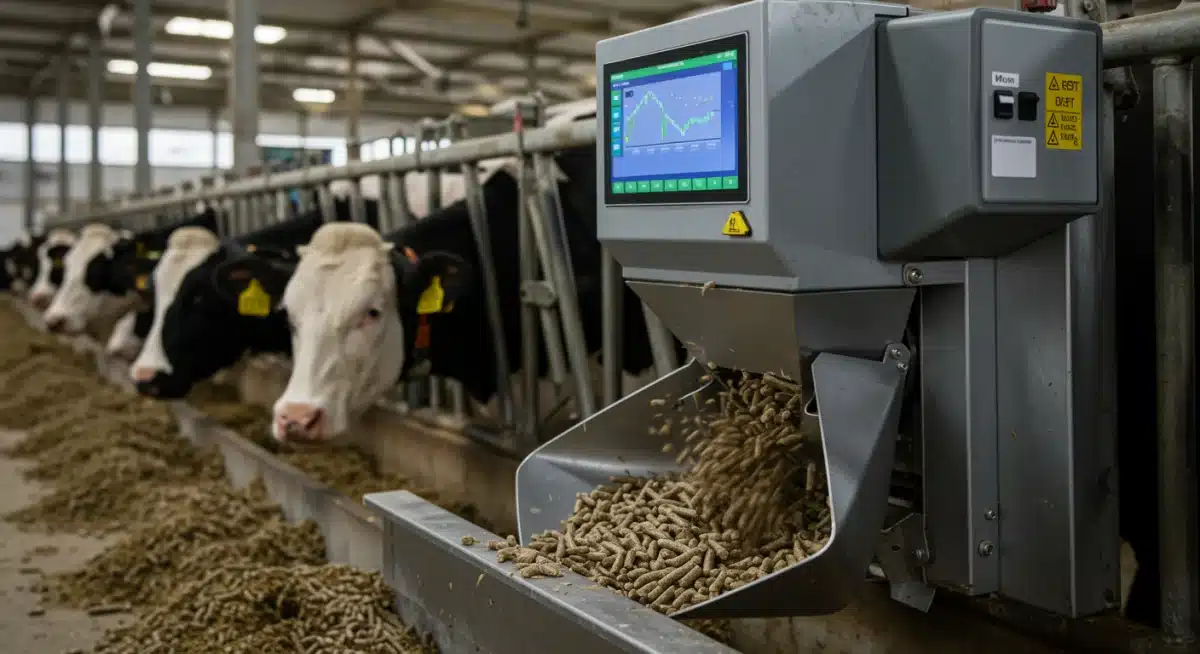
One of the most significant advancements lies in the development of sophisticated sensors capable of monitoring feed levels, animal presence, and even individual animal health indicators. These sensors feed real-time data into central processing units, which then utilize AI algorithms to make instantaneous adjustments to feeding schedules and quantities. This dynamic responsiveness minimizes waste and maximizes nutrient absorption, directly translating into improved animal performance and reduced operational overhead.
AI and machine learning in feed management
AI algorithms are at the heart of modern automated feeding systems, learning from vast datasets to predict optimal feeding patterns and identify anomalies. Machine learning models analyze historical data alongside current conditions, such as weather patterns or market prices, to fine-tune feed delivery strategies. This predictive capability allows ranchers to preemptively address potential issues, ranging from feed shortages to digestive problems in animals, before they escalate.
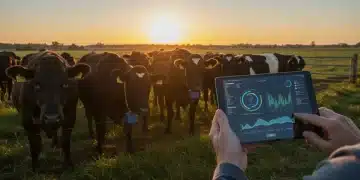
Connectivity also plays a crucial role. Internet of Things (IoT) devices embedded within feeding equipment enable seamless communication across the ranch, allowing ranchers to monitor and control systems remotely via smartphones or tablets. This level of remote management provides flexibility and efficiency, freeing up valuable time that can be reallocated to other critical aspects of ranch management. The continuous flow of data from these interconnected devices builds a comprehensive picture of the ranch’s operations, making data-driven decisions more accessible than ever before.
These technological strides are fundamentally reshaping the operational blueprint of US ranches. By leveraging AI, IoT, and advanced sensor technology, automated feeding systems are not just improving efficiency; they are creating more resilient, responsive, and profitable livestock operations, making the 10% efficiency target a realistic and achievable benchmark for the coming years.
Economic benefits for US ranchers
The adoption of automated feeding systems offers a compelling economic proposition for US ranchers, directly contributing to the projected 10% increase in livestock efficiency by 2026. These systems translate into tangible financial advantages through several key avenues, making them an increasingly attractive investment for farms looking to optimize their bottom line.
Primarily, automated feeding significantly reduces labor costs. The manual labor associated with feed preparation, transport, and distribution is a substantial expense for many ranches. By automating these tasks, ranchers can reallocate their workforce to other essential duties or reduce overall labor requirements, leading to considerable savings. This efficiency gain is particularly impactful in an era of rising labor costs and potential shortages.
Reduced feed waste and optimized consumption
- Precision Delivery: Minimizes spillage and overfeeding, ensuring that feed is consumed rather than wasted.
- Improved Feed Conversion: Consistent and balanced nutrition leads to better feed conversion ratios, meaning animals gain more weight per unit of feed.
- Inventory Management: Advanced systems track feed usage, allowing for more accurate procurement and reducing spoilage of stored feed.
Beyond labor, the optimization of feed usage represents another major economic benefit. Feed is often the largest operational expense for livestock producers. Automated systems, with their ability to precisely measure and distribute rations, drastically reduce waste. This precision ensures that every dollar spent on feed contributes directly to animal growth and health, rather than being lost to spoilage, overfeeding, or inefficient distribution.
Furthermore, healthier animals translate into fewer veterinary costs and improved market value. By providing consistent, tailored nutrition, automated systems contribute to stronger immune systems and reduced susceptibility to disease. This leads to higher survival rates, better reproductive performance, and ultimately, a more valuable product at market. The cumulative effect of these economic advantages positions automated feeding systems as a critical tool for enhancing profitability and ensuring the long-term sustainability of US ranching operations.
Improved animal health and welfare
Beyond the undeniable economic advantages, automated feeding systems are playing a pivotal role in significantly improving animal health and welfare on US ranches, directly supporting the goal of boosting livestock efficiency by 10% by 2026. A healthy animal is a productive animal, and these systems are designed to foster optimal conditions for livestock well-being, leading to better overall performance.
One of the primary contributions to animal health is the provision of consistent and balanced nutrition. Automated systems eliminate the inconsistencies often associated with manual feeding, such as irregular feeding times or varied portion sizes. This consistency reduces stress on animals, improves digestion, and ensures a steady supply of essential nutrients, which are crucial for growth, reproduction, and disease resistance.
Reduced stress and disease prevention
The ability of automated systems to deliver feed at specific intervals and in controlled environments also minimizes competition among animals, a common stressor in traditional feeding setups. Reduced competition means less aggression, fewer injuries, and a more peaceful environment for the herd. This calmer atmosphere directly contributes to better feed intake and nutrient absorption, as animals are not expending energy on competitive behaviors.
- Consistent Schedules: Regular feeding times reduce anticipation stress and promote stable metabolic rates.
- Individualized Care: Some advanced systems can identify individual animals and adjust feed based on their specific needs, isolating those requiring special attention.
- Early Detection: Changes in feed intake patterns, easily tracked by automated systems, can signal the onset of illness, allowing for prompt intervention.
Moreover, the data collected by automated systems can serve as an early warning system for health issues. Any sudden changes in an animal’s feed consumption or behavior, detected by sensors, can alert ranchers to potential problems, enabling swift intervention. This proactive approach to health management can prevent widespread outbreaks of disease and reduce the need for costly treatments, ensuring the herd remains healthy and productive.
Ultimately, by creating a feeding environment that is precise, consistent, and low-stress, automated feeding systems significantly elevate the standard of animal welfare. This commitment to animal well-being is not only ethically sound but also a strategic move that underpins the projected efficiency gains, leading to more robust, healthier livestock and more sustainable ranching practices across the United States.
Challenges and considerations for adoption
While the benefits of automated feeding systems are clear, promising a significant 10% boost in US livestock efficiency by 2026, their widespread adoption is not without its challenges and crucial considerations. Ranchers contemplating this technological leap must weigh several factors to ensure a successful integration and a positive return on investment.
The initial capital investment is often the most significant hurdle. Automated feeding systems, especially those incorporating advanced AI and IoT capabilities, can represent a substantial upfront cost. This investment requires careful financial planning and a clear understanding of the long-term economic benefits to justify the expenditure. Securing financing or exploring grant opportunities designed for agricultural technology can help mitigate this initial barrier.
Integration and technical expertise
- System Compatibility: Ensuring new automated systems integrate seamlessly with existing ranch infrastructure and management software.
- Technical Skills: Ranch staff require training to operate, monitor, and troubleshoot the sophisticated technology, necessitating an investment in human capital.
- Maintenance Needs: Like any advanced machinery, these systems require regular maintenance and occasional repairs, which can incur additional costs and downtime if not managed properly.
Another key consideration is the technical expertise required to operate and maintain these sophisticated systems. Ranchers and their staff need to be comfortable with new software interfaces, data analysis, and basic troubleshooting. This often necessitates training programs and potentially hiring personnel with specialized skills. The learning curve, though manageable, is a factor that needs to be accounted for during the transition.
Furthermore, connectivity and infrastructure can pose challenges, particularly in remote ranching areas. Reliable internet access is crucial for the efficient operation of IoT-enabled systems and for transmitting data to the cloud for analysis. Ranchers in areas with limited broadband access may need to invest in satellite internet or other connectivity solutions, adding another layer of complexity and cost.
Addressing these challenges proactively through thorough planning, staff training, and strategic partnerships is essential for successful adoption. Despite these considerations, the long-term benefits in efficiency, profitability, and animal welfare make automated feeding systems a worthwhile endeavor for the future of US ranching.
The future outlook: 2026 and beyond
Looking towards 2026 and beyond, the trajectory for automated feeding systems on US ranches is one of continued innovation and increasingly widespread adoption. The projected 10% increase in livestock efficiency is just a stepping stone, as ongoing research and development promise even more sophisticated and integrated solutions. The future of ranching will be characterized by an unprecedented level of precision, sustainability, and data-driven decision-making.
We can anticipate further refinement of AI algorithms, making feeding systems even more adept at predicting individual animal needs and responding to subtle changes in health or environment. This will move beyond group-based feeding to truly individualized nutrition, maximizing the potential of every animal. Imagine systems that can not only dispense feed but also identify animals that are stressed, sick, or underperforming, and automatically adjust their care plan.
Emerging trends and impact
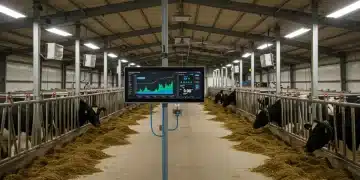
The integration of automated feeding with other smart ranch technologies will also become more seamless. This includes linking feeding data with genetic information, weather forecasts, and market trends to create a holistic management ecosystem. Such integration will provide ranchers with a comprehensive dashboard, allowing them to make highly informed decisions that optimize everything from breeding programs to market timing.
- Enhanced Integration: Seamless connectivity with other farm management systems like health monitoring, breeding, and environmental controls.
- Sustainability Focus: Development of systems that further reduce environmental impact through optimized resource use and waste reduction.
- Predictive Analytics: More advanced AI for forecasting health issues, growth rates, and market readiness with greater accuracy.
Furthermore, the focus on sustainability will intensify. Future automated feeding systems will likely incorporate even more advanced features for reducing their environmental footprint, such as optimizing energy consumption, minimizing water usage, and further reducing feed waste. This aligns with broader agricultural goals of producing more with less, ensuring the long-term viability of the industry.
The educational infrastructure supporting these technologies will also expand, making it easier for new generations of ranchers to acquire the necessary skills. As these systems become more intuitive and user-friendly, the barrier to entry will lower, accelerating adoption. The vision for 2026 and beyond is a US ranching industry that is more efficient, humane, and sustainable, with automated feeding systems at the core of this transformative evolution.
| Key Aspect | Brief Description |
|---|---|
| Efficiency Boost | Automated systems aim for a 10% increase in US livestock efficiency by 2026. |
| Economic Benefits | Reduces labor costs, minimizes feed waste, and improves overall profitability. |
| Animal Welfare | Ensures consistent nutrition, reduces stress, and aids in early disease detection. |
| Technological Core | Leverages AI, IoT, and advanced sensors for precise and adaptive feeding. |
Frequently asked questions about automated feeding systems
Automated feeding systems are advanced technological solutions designed to precisely deliver feed to livestock without manual intervention. They often incorporate sensors, software, and robotics to manage feeding schedules, quantities, and nutritional content, optimizing animal intake and reducing labor costs on ranches.
Efficiency is boosted through precision nutrition, which ensures animals receive optimal feed for growth and health, reducing waste. They also cut down on labor expenses, improve feed conversion ratios, and contribute to better animal health, leading to higher productivity and better market outcomes for ranchers.
Modern automated feeders integrate various technologies, including Internet of Things (IoT) sensors for real-time monitoring, artificial intelligence (AI) and machine learning for data analysis and predictive feeding, and robotic mechanisms for precise feed delivery. Cloud connectivity often allows for remote control and data access.
While highly beneficial, suitability depends on factors like herd size, infrastructure, and budget. Smaller ranches might find the initial investment challenging, though scalable options are emerging. Larger operations often see a faster return on investment due to significant labor and feed savings. Adaptability to different livestock types is also a key consideration.
The long-term impact includes enhanced profitability, improved sustainability through reduced resource consumption, and elevated animal welfare standards. These systems prepare ranches for future market demands by fostering data-driven management, making them more resilient, productive, and environmentally responsible operations in the long run.
Conclusion
The journey towards a 10% increase in US livestock efficiency by 2026, spearheaded by the adoption of automated feeding systems, marks a pivotal moment in agricultural innovation. These systems are not just about mechanizing a task; they represent a holistic approach to ranch management that integrates precision nutrition, advanced technology, and a deep commitment to animal welfare. While challenges such as initial investment and technical adaptation exist, the long-term economic and operational benefits are undeniable. As technology continues to evolve, automated feeding systems will undoubtedly remain at the forefront of sustainable and profitable ranching, reshaping the industry for generations to come and solidifying the US’s position as a leader in agricultural technology.