AI-Powered Weed Detection: 20% Herbicide Reduction by 2026
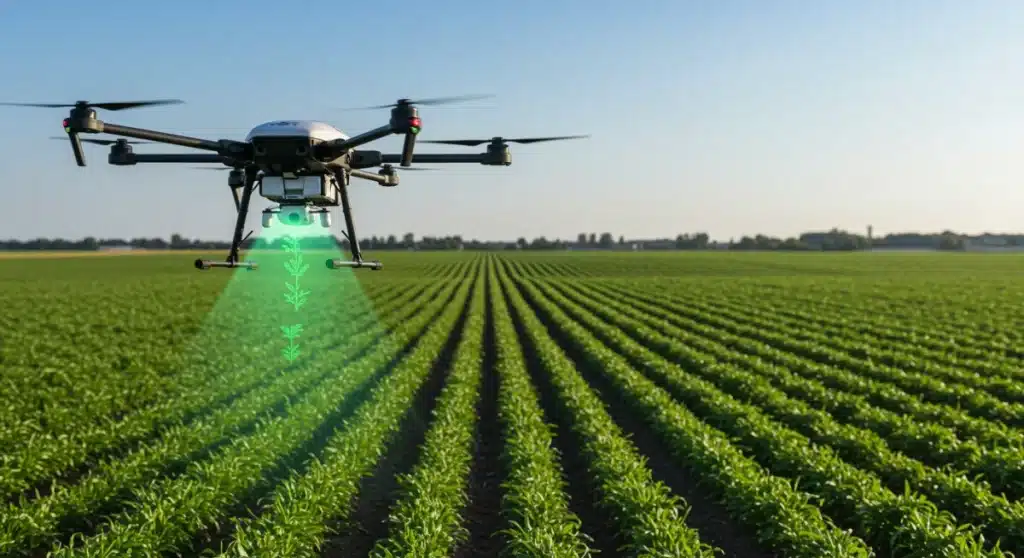
AI-powered weed detection is rapidly advancing, promising a significant 20% reduction in herbicide use by 2026 through precise application, leading to more sustainable and cost-effective agricultural practices.
The agricultural landscape is undergoing a profound transformation, driven by innovations that promise not only increased efficiency but also greater environmental stewardship. Among the most impactful advancements, the latest in AI-powered weed detection: reducing herbicide use by 20% for 2026 cultivation stands out as a beacon of progress. This technology is not just an incremental improvement; it represents a paradigm shift in how we approach weed management, offering a precise, sustainable, and economically viable solution for farmers across the United States.
The Dawn of Precision Weed Management with AI
The traditional approach to weed control, often involving broadcast spraying of herbicides, has long been a necessary evil in agriculture. While effective, it leads to significant chemical use, potential environmental impact, and increased costs. However, the emergence of AI-powered weed detection systems is fundamentally changing this narrative, ushering in an era of unprecedented precision.
These sophisticated systems leverage advanced computer vision and machine learning algorithms to identify weeds with remarkable accuracy, distinguishing them from crops and even different weed species. This capability allows for highly targeted treatment, applying herbicides only where and when needed, thereby minimizing chemical input.
How AI Transforms Weed Identification
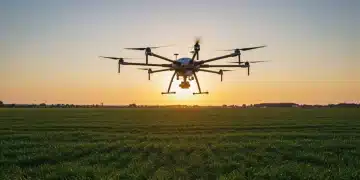
- High-Resolution Imaging: Drones and ground-based robots equipped with high-resolution cameras capture detailed images of fields.
- Machine Learning Models: AI models, trained on vast datasets of crop and weed images, analyze these visuals in real-time.
- Species Differentiation: Advanced algorithms can differentiate between various weed types and crop plants, optimizing treatment strategies.
- Early Detection: AI can identify weeds at very early growth stages, making them easier to control with less herbicide.
The integration of AI into weed management is not merely about identifying unwanted plants; it’s about creating a dynamic, responsive system that learns and adapts. This continuous learning process allows the technology to become more accurate and efficient over time, offering a bespoke solution for each field’s unique challenges. This precision is critical for achieving the ambitious goal of a 20% reduction in herbicide use by 2026.
Technological Advancements Driving Herbicide Reduction
The aspiration to reduce herbicide use by 20% by 2026 is not a distant dream but a tangible goal, propelled by significant technological breakthroughs. These advancements are making AI-powered weed detection more accessible, robust, and effective than ever before. From enhanced sensor technology to more powerful processing units, every component plays a crucial role in delivering precise herbicide application.
One of the key drivers is the miniaturization and cost-effectiveness of high-performance computing. This allows for complex AI models to run directly on agricultural machinery, enabling real-time decision-making without constant reliance on cloud connectivity. Such on-device processing capabilities are vital for operations in remote farming areas where internet access can be unreliable.
Key Technologies Enabling Precision Spraying
- Hyperspectral and Multispectral Sensors: These sensors capture light beyond the visible spectrum, revealing subtle differences in plant health and composition that AI uses to distinguish weeds.
- Edge Computing: AI processing occurs directly on the equipment, reducing latency and enabling immediate action in the field.
- Robotics and Automation: Autonomous ground vehicles (AGVs) and drones carry out detection and spraying tasks with unparalleled accuracy, even in challenging terrain.
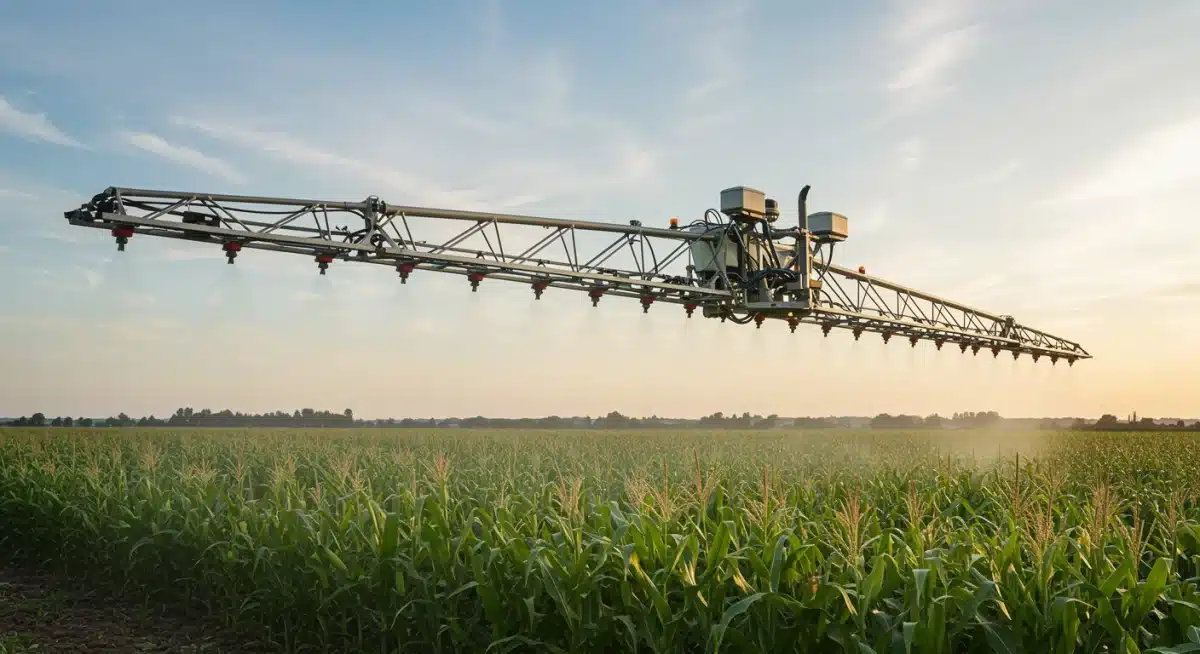
- GPS and RTK Systems: Highly accurate positioning systems ensure that every spray is delivered precisely to the target weed, avoiding crops and minimizing overspray.
These interwoven technologies create a synergistic effect, enhancing the overall capability of AI-powered weed detection systems. The ability to identify, locate, and treat weeds with pinpoint accuracy is the cornerstone of reducing chemical dependency in agriculture. Farmers are increasingly adopting these systems, recognizing their potential to streamline operations and foster more sustainable practices.
Economic and Environmental Benefits for 2026 Cultivation
The push for AI-powered weed detection: reducing herbicide use by 20% for 2026 cultivation is not solely an environmental initiative; it also presents compelling economic advantages for farmers. Reducing herbicide use directly translates into significant cost savings on chemical inputs, which can be a substantial portion of a farm’s operational budget. Beyond direct savings, the ripple effects are equally impactful, contributing to improved soil health and crop yields.
Environmentally, the benefits are profound. Less herbicide in the soil and water systems means reduced pollution, better biodiversity, and a healthier ecosystem overall. This aligns perfectly with the growing consumer demand for sustainably produced food and offers farmers a competitive edge in the market.
Tangible Benefits of Reduced Herbicide Use
- Lower Input Costs: Farmers save money on purchasing and applying expensive herbicides.
- Improved Soil Health: Reduced chemical load fosters a healthier soil microbiome, crucial for long-term productivity.
- Enhanced Crop Health: Minimizing exposure to herbicides can reduce stress on crops, leading to stronger plants and potentially higher yields.
- Reduced Environmental Impact: Less chemical runoff protects water sources, wildlife, and surrounding ecosystems.
Moreover, the precision offered by AI systems can lead to more effective weed control over time. By targeting weeds before they establish or spread seeds, farmers can break the weed cycle more efficiently, potentially reducing the need for intensive chemical treatments in subsequent seasons. This long-term perspective on sustainability and profitability is a key driver for adoption.
Challenges and Future Outlook for AI in Agriculture
While the promise of AI-powered weed detection is immense, its widespread adoption is not without challenges. These include the initial investment costs, the need for specialized training for farmers, and the continuous evolution of AI models to adapt to new weed species and environmental conditions. Overcoming these hurdles is crucial for realizing the full potential of this transformative technology by 2026 and beyond.
The development of more affordable and user-friendly systems will be key to broader accessibility. Furthermore, robust data infrastructure and reliable connectivity in rural areas are essential for optimizing the performance of cloud-connected AI systems. Collaborative efforts between technology providers, agricultural researchers, and farming communities are vital to address these challenges effectively.
Overcoming Adoption Barriers
- Cost-Effectiveness: Reducing the initial investment through subsidies or financing options.
- User Training: Developing intuitive interfaces and comprehensive training programs for farmers.
- Data Privacy: Ensuring secure and ethical handling of agricultural data collected by AI systems.
- System Integration: Seamlessly integrating AI solutions with existing farm management systems.
Looking ahead, the future of AI in agriculture is bright. Continuous advancements in machine learning, robotics, and sensor technology will further refine weed detection capabilities, leading to even greater precision and efficiency. We can anticipate AI systems that not only detect weeds but also predict their emergence based on environmental factors, allowing for proactive, rather than reactive, management strategies. The journey towards a 20% reduction in herbicide use by 2026 is just the beginning of a more intelligent and sustainable agricultural future.
Case Studies: Real-World Impact and Success Stories
The theoretical benefits of AI-powered weed detection are being consistently validated by real-world applications across farms in the United States. Numerous pilot programs and commercial implementations have showcased significant reductions in herbicide use, coupled with improved operational efficiencies and environmental outcomes. These success stories provide tangible evidence that the goal of a 20% reduction in herbicide use by 2026 is not only achievable but already being realized in many sectors.
One notable example comes from a large-scale corn and soybean operation in Iowa, where the integration of AI-driven precision spraying reduced herbicide consumption by an average of 25% over two growing seasons. This led to substantial cost savings and a noticeable improvement in soil health metrics, as reported by the farm managers. Such outcomes are inspiring other farmers to explore and adopt these advanced technologies.
Examples of AI Weed Detection in Action
- Midwestern Grain Farms: Achieved 25-30% herbicide reduction on corn and soybean fields using AI-equipped sprayers.
- California Specialty Crops: Implemented robotic weeders with AI vision, eliminating manual weeding and significantly cutting chemical use in high-value crops like lettuce.
- Pacific Northwest Vineyards: Utilized drone-based AI mapping for targeted spot treatments, reducing herbicide application in sensitive perennial crops.
- Southeastern Cotton Growers: Employed AI systems for early weed detection and variable-rate spraying, optimizing chemical inputs and improving yield consistency.
These diverse applications demonstrate the versatility and adaptability of AI weed detection across various crop types and farming environments. The consistent theme across these successes is the ability of AI to provide intelligence and precision that human observation alone cannot match. These case studies serve as powerful testimonials to the transformative potential of AI in achieving a more sustainable and profitable agricultural sector.
Policy and Industry Support for Sustainable Agriculture
The ambitious target of AI-powered weed detection: reducing herbicide use by 20% for 2026 cultivation is not being pursued in isolation. It is actively supported by evolving agricultural policies and a growing commitment from the industry. Governments and agricultural organizations are recognizing the critical role of technology in fostering sustainable practices, leading to initiatives that encourage the adoption of AI-driven solutions.
Policy frameworks are being updated to incentivize precision agriculture technologies, including grants, subsidies, and educational programs that help farmers integrate these systems into their operations. Simultaneously, agricultural technology companies are investing heavily in research and development, striving to make AI solutions more efficient, affordable, and accessible to a broader range of farmers. This collaborative ecosystem is vital for accelerating the transition towards reduced chemical dependency.
Support Mechanisms and Trends
- Government Incentives: Financial aid and tax credits for adopting precision agriculture equipment.
- Research Funding: Increased investment in academic and private sector research for AI in agriculture.
- Industry Partnerships: Collaborations between tech companies and agricultural equipment manufacturers to integrate AI seamlessly.
- Extension Programs: Educational initiatives by universities and agricultural extension services to train farmers on new technologies.
The collective effort from policymaking bodies, industry leaders, and academic institutions creates a fertile ground for the successful implementation of AI-powered weed detection. This synergy ensures that farmers have the necessary resources, knowledge, and technological support to meet the 2026 herbicide reduction goals and continue advancing towards a future of highly sustainable and productive agriculture. The momentum is clearly building, indicating a strong future for these innovative practices.
| Key Point | Brief Description |
|---|---|
| AI Precision | AI systems accurately identify weeds, enabling targeted herbicide application. |
| Herbicide Reduction Goal | Aiming for a 20% decrease in herbicide use by 2026 for sustainable farming. |
| Economic Benefits | Lower input costs and potentially higher yields for farmers. |
| Environmental Impact | Reduced chemical runoff, improved soil health, and biodiversity protection. |
Frequently Asked Questions About AI Weed Detection
AI-powered weed detection uses artificial intelligence, primarily computer vision and machine learning, to identify and differentiate weeds from crops in agricultural fields. This technology enables highly targeted application of herbicides, significantly reducing overall chemical use and improving precision in weed management.
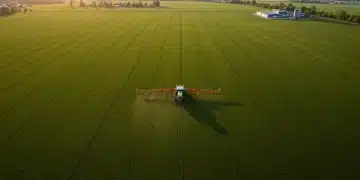
By accurately identifying individual weeds, AI systems allow for spot-spraying rather than broadcast application. This means herbicides are applied only to the unwanted plants, avoiding healthy crops and bare soil. This precision greatly minimizes the volume of chemicals needed, leading to substantial reductions in herbicide consumption.
The agricultural industry, driven by technological advancements and sustainability goals, aims to achieve a 20% reduction in herbicide use by 2026. This target is considered attainable through the widespread adoption and continuous improvement of AI-powered weed detection and precision spraying technologies across various farming operations.
Farmers benefit from significant cost savings on herbicide purchases, improved crop health due to less chemical exposure, and enhanced environmental stewardship. Additionally, the efficiency of AI systems can lead to better weed control outcomes and potentially higher yields, contributing to overall farm profitability and sustainability.
Yes, challenges include the initial investment cost of AI-powered equipment, the need for farmer training on new systems, and ensuring reliable data connectivity in rural areas. However, ongoing technological advancements and supportive policies are working to mitigate these barriers, making the technology more accessible and user-friendly over time.
Conclusion
The journey towards AI-powered weed detection: reducing herbicide use by 20% for 2026 cultivation marks a pivotal moment in agricultural innovation. This technology is not just an advancement; it is a fundamental shift towards more intelligent, sustainable, and economically sound farming practices. By harnessing the power of artificial intelligence, farmers are equipped with unprecedented precision in weed management, leading to significant reductions in chemical inputs, enhanced environmental protection, and improved profitability. As we approach 2026, the widespread adoption and continuous evolution of these AI solutions promise to redefine the future of agriculture, fostering a resilient and productive food system for generations to come.