IoT Sensors for Soil Health: 3-Month Nutrient Management Guide 2026
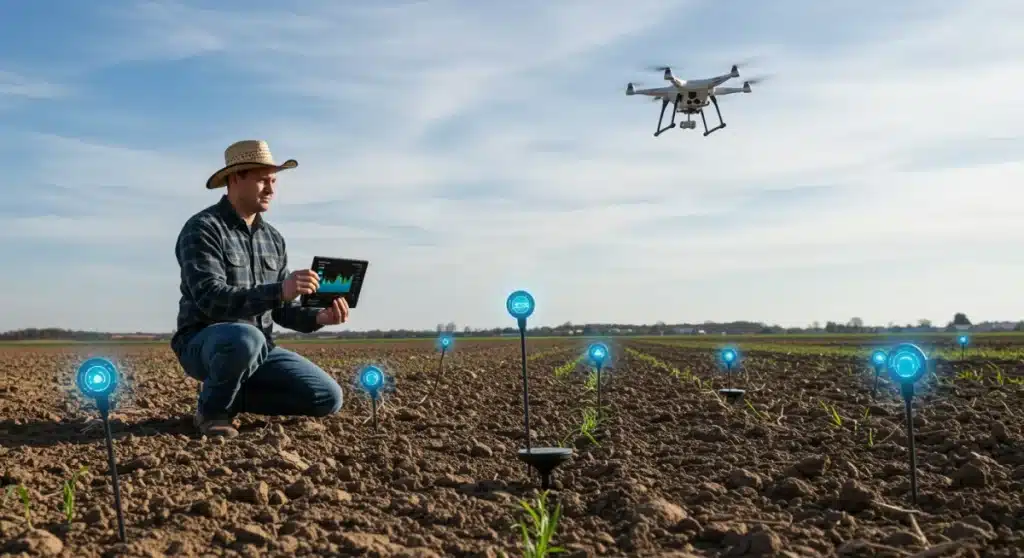
Implementing IoT Sensors for Soil Health: A 3-Month Guide to Optimizing Nutrient Management in 2026 (PRACTICAL SOLUTIONS) provides a strategic framework for farmers to leverage advanced technology for enhanced agricultural productivity and sustainability.
The future of agriculture is undeniably intertwined with technology, and in 2026, the strategic adoption of IoT sensors is no longer a luxury but a necessity for competitive and sustainable farming. This guide focuses on Implementing IoT Sensors for Soil Health: A 3-Month Guide to Optimizing Nutrient Management in 2026 (PRACTICAL SOLUTIONS), offering a clear, actionable roadmap for integrating these powerful tools into your operations. Discover how to transform your approach to soil management, boost crop yields, and ensure long-term environmental stewardship through smart, data-driven decisions.
The global agricultural landscape faces increasing demands for efficiency and sustainability. Traditional methods of soil analysis can be time-consuming and often provide only a snapshot of conditions. IoT sensors, conversely, offer continuous, real-time data, enabling proactive and precise nutrient management. This shift not only saves resources but also significantly enhances crop health and overall farm profitability.
Understanding the Landscape: IoT in Agriculture 2026
Before diving into implementation, it’s crucial to grasp the current state and future trajectory of IoT in agriculture. By 2026, IoT sensor technology has advanced significantly, offering greater accuracy, durability, and connectivity options than ever before. These advancements directly impact soil health monitoring, making it more accessible and effective for farms of all sizes.
The integration of artificial intelligence (AI) and machine learning (ML) with IoT data streams has also matured. This means that raw sensor data can now be processed into actionable insights, helping farmers predict issues before they arise and automate responses. Understanding these capabilities is the first step toward successful implementation.
Key IoT Sensor Technologies for Soil Health
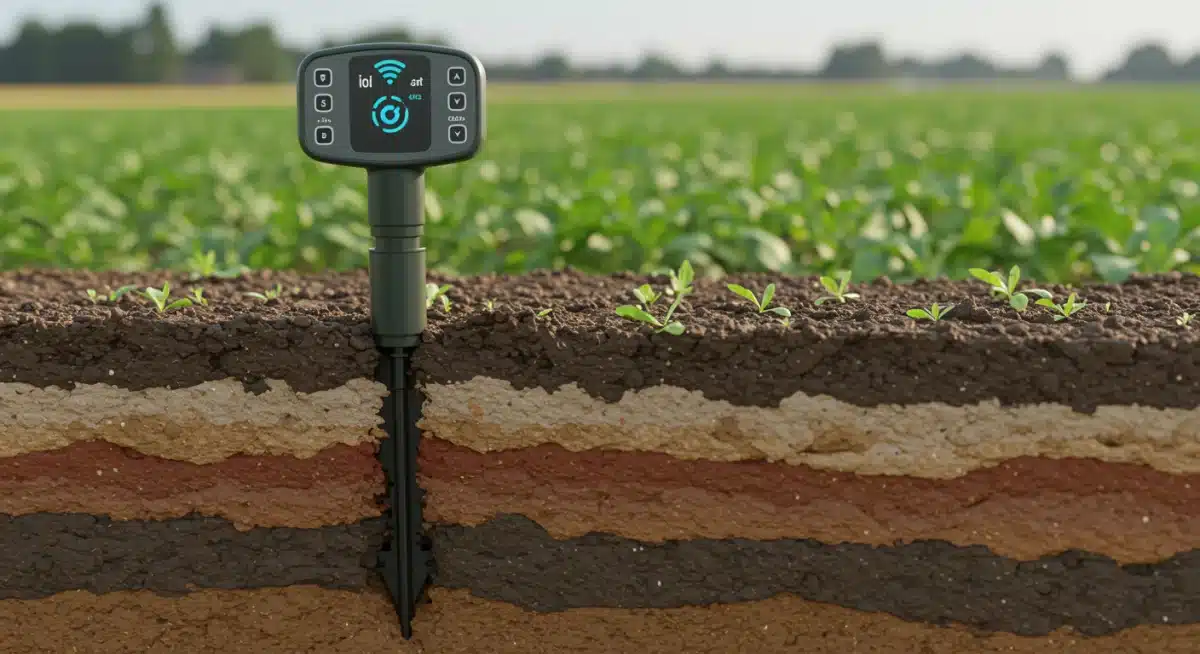
- Moisture Sensors: Essential for precise irrigation, preventing over or under-watering.
- Nutrient Sensors: Measure levels of nitrogen, phosphorus, and potassium (NPK), guiding fertilization.
- pH Sensors: Crucial for understanding soil acidity/alkalinity, impacting nutrient availability.
- Temperature Sensors: Monitor soil temperature, affecting biological activity and seed germination.
These fundamental sensor types form the backbone of any robust soil health monitoring system. Their combined data provides a holistic view, enabling farmers to make informed decisions that optimize plant growth and minimize waste. The choice of sensors will depend on specific crop needs and soil types.
The data collected by these sensors is transmitted wirelessly, often via LoRaWAN, cellular, or satellite networks, to a central platform. This platform then visualizes the data, applies analytical models, and provides recommendations. This ecosystem of interconnected devices and analytical tools defines modern precision agriculture, offering unprecedented control over environmental factors affecting crops.
Month 1: Planning and Initial Setup for Soil Health Monitoring
The first month of your IoT sensor implementation journey is dedicated to thorough planning and the initial setup. This foundational stage is critical for ensuring the accuracy and effectiveness of your nutrient management strategy. Without careful consideration of your farm’s unique characteristics, even the most advanced technology can fall short.
Start by conducting a comprehensive assessment of your farm. Identify different soil types, historical yield data, and areas with known nutrient deficiencies or excesses. This information will guide your sensor placement and help establish baseline data for future comparisons. Engaging with agricultural extension services or soil science experts during this phase can provide invaluable insights.
Site Assessment and Sensor Placement Strategy
Effective sensor placement is more art than science, requiring a strategic approach. Consider factors such as topography, irrigation zones, and variations in soil composition. Random placement will yield inconsistent data, undermining the entire system’s utility. A grid-based approach, combined with targeted placement in problematic areas, often proves most effective.
- Grid Sampling: Divide your fields into manageable grids for systematic sensor distribution.
- Problem Area Focus: Prioritize placement in areas with historical issues or diverse soil characteristics.
- Depth Consideration: Install sensors at varying depths to capture data from different root zones.
- Connectivity Check: Ensure reliable wireless signal strength at all sensor locations.
Once placement strategies are defined, focus on acquiring the right equipment. Research reputable IoT sensor providers known for accuracy and durability in agricultural settings. Consider factors like battery life, data transmission protocols, and integration capabilities with existing farm management software. Investing in quality sensors upfront will prevent headaches and ensure reliable data collection in the long run.
The initial setup also involves configuring the communication network. Whether it’s a LoRaWAN gateway, cellular modems, or satellite links, ensuring robust connectivity across your farm is paramount. Test signal strength and data transmission from all planned sensor locations to avoid blind spots. This preparation ensures that once sensors are deployed, data flows seamlessly to your central monitoring platform.
Month 2: Deployment, Data Collection, and Initial Analysis
With planning complete, month two focuses on the physical deployment of your IoT sensors and the commencement of data collection. This is where the theoretical framework begins to manifest in tangible results, providing the first real-time insights into your soil’s condition. The initial weeks of data collection are crucial for calibrating your system and understanding data patterns.
Begin by carefully installing each sensor according to manufacturer guidelines and your predetermined placement strategy. Proper installation ensures accurate readings and longevity of the devices. Document each sensor’s location meticulously, perhaps using GPS coordinates, to facilitate maintenance and data correlation. This detailed record-keeping is vital for future analysis.
Establishing Baseline Data and Calibration
Once sensors are active and transmitting data, the immediate priority is to establish a baseline. For the first few weeks, focus on observing trends and verifying data accuracy against traditional soil tests, if possible. This calibration phase helps build confidence in your IoT system and fine-tunes any discrepancies.
- Cross-Reference with Lab Tests: Compare sensor readings with laboratory soil analyses for initial validation.
- Observe Diurnal and Seasonal Changes: Understand natural fluctuations in soil parameters.
- Identify Outliers: Investigate unusual readings to detect potential sensor malfunctions or environmental anomalies.
- Adjust Thresholds: Set appropriate alert thresholds based on observed baseline data and crop requirements.
Simultaneously, begin integrating the incoming data into your chosen farm management software. This platform should offer robust visualization tools, allowing you to interpret complex datasets easily. Look for features such as historical data tracking, customizable dashboards, and real-time alerts. The ability to see your soil’s health evolve over time is transformative.
The initial analysis will likely reveal patterns you hadn’t observed before. Perhaps certain areas retain moisture longer, or nutrient levels deplete faster in others. These early insights are invaluable for refining your nutrient management strategies. Remember, this is an iterative process; continuous monitoring and adjustment are key to maximizing the benefits of IoT sensors.
Month 3: Optimization, Actionable Insights, and Nutrient Management
By the third month, your IoT sensor system should be fully operational, providing a steady stream of reliable data. This phase is about transitioning from data collection to data-driven decision-making, translating raw information into actionable strategies for optimizing nutrient management and improving overall soil health. This is where the true value of your investment begins to shine.
The focus shifts to analyzing the accumulated data to identify long-term trends and correlations. How do irrigation practices affect nutrient leaching? What is the optimal fertilization schedule based on real-time NPK levels? These are the types of questions your data can now answer, enabling you to move beyond generalized farming practices to highly precise interventions.
Developing Precision Nutrient Application Strategies
With a clear understanding of your soil’s dynamic needs, you can develop highly targeted nutrient application strategies. This means applying the right amount of fertilizer, at the right time, in the right place, significantly reducing waste and environmental impact while boosting crop productivity.
- Variable Rate Application (VRA): Utilize data to create prescription maps for precise fertilizer application.
- Targeted Irrigation: Adjust watering schedules based on real-time soil moisture data, conserving water.
- Nutrient Scouting: Identify specific areas needing nutrient adjustments, rather than blanket applications.
- Environmental Impact Reduction: Minimize runoff and leaching of excess nutrients into waterways.
Beyond nutrient application, the data can also inform other critical farm operations. For example, understanding soil temperature can guide optimal planting times, while pH levels can indicate the need for lime or sulfur amendments. The interconnectedness of these data points allows for a holistic approach to farm management, fostering healthier soil ecosystems.
Regularly review performance metrics and adjust your strategies as needed. The agricultural environment is constantly changing, and your IoT system provides the flexibility to adapt quickly. This continuous feedback loop of data collection, analysis, and action is the hallmark of successful precision agriculture in 2026 and beyond.
Integrating IoT Data with Other Farm Technologies
The true power of IoT sensors for soil health is unleashed when their data is integrated with other agricultural technologies. In 2026, farms are increasingly becoming interconnected ecosystems, where data from various sources converges to create a comprehensive picture of operations. This integration enhances decision-making and automates processes, leading to unprecedented efficiencies.
Consider how soil moisture data from IoT sensors can directly inform your smart irrigation systems. Instead of relying on timers or manual checks, irrigation can be automatically triggered when soil moisture drops below a predetermined threshold, ensuring optimal water usage and reducing labor. This level of automation is a game-changer for water-stressed regions.
Synergies with Drones, AI, and Automation
The combination of IoT soil data with imagery from drones and AI-driven analytics creates powerful synergies. Drones can provide aerial views of crop health, while AI can analyze these images alongside soil data to identify stress factors, pest infestations, or nutrient deficiencies that might not be immediately apparent from ground-level sensors alone.
- Drone Imagery: Correlate visual crop health with underlying soil conditions reported by sensors.
- AI-Powered Analytics: Utilize machine learning to predict yield, identify disease risks, and optimize resource allocation.
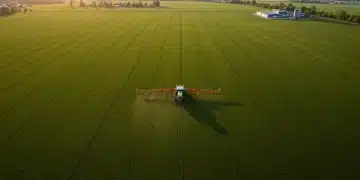
- Automated Equipment: Link sensor data to autonomous tractors or sprayers for precise, on-the-go adjustments.
- Weather Integration: Combine soil data with hyper-local weather forecasts for proactive planning.
Furthermore, integrating IoT soil data with farm management software platforms allows for centralized control and analysis. These platforms can merge data from various sources – including weather stations, livestock monitoring, and market trends – providing a holistic dashboard for farm operations. This single-pane-of-glass approach simplifies complex decision-making.
The future of farming is about creating a truly smart farm where every component communicates and collaborates. By integrating IoT soil sensors into this broader technological framework, farmers can achieve higher levels of precision, efficiency, and sustainability, positioning themselves for success in a rapidly evolving agricultural landscape.
Overcoming Challenges and Ensuring Long-Term Success
While the benefits of implementing IoT sensors are substantial, farmers should be prepared to address potential challenges to ensure long-term success. Technology adoption always comes with a learning curve, and proactive problem-solving is key to maximizing your return on investment. Identifying these hurdles early allows for strategic mitigation.
One common challenge is data overload. With continuous streams of information, it’s easy to get overwhelmed. The solution lies in robust farm management software that can filter, prioritize, and present data in an easily digestible format, highlighting only the most critical insights. Training staff to interpret this data is also paramount.
Maintenance, Data Security, and Scalability
Maintaining your IoT sensor network is crucial for its longevity and accuracy. Regular checks, battery replacements, and cleaning of sensor probes are essential tasks. Just like any farm equipment, sensors require attention to perform optimally. Establishing a routine maintenance schedule will prevent unexpected downtime.
- Routine Calibration: Periodically re-calibrate sensors to maintain accuracy over time.
- Physical Inspection: Check for damage, blockages, or wear and tear on sensor units.
- Data Backup: Implement secure data backup protocols to prevent loss of valuable historical information.
- Cybersecurity Measures: Protect your farm’s data from unauthorized access and cyber threats.
Data security and privacy are growing concerns in the digital age. Ensure that your chosen IoT platform and data storage solutions comply with industry best practices for cybersecurity. Understanding who owns your data and how it is used is also vital, especially when working with third-party service providers. This due diligence protects your operational integrity.
Finally, consider the scalability of your IoT system. As your farm grows or as you decide to expand sensor coverage, can your current infrastructure support it? Choose solutions that offer flexibility and can adapt to future needs without requiring a complete overhaul. Planning for scalability from the outset saves time and resources in the long run, ensuring your investment continues to yield returns.
The Future of Nutrient Management: 2026 and Beyond
As we look beyond 2026, the evolution of IoT sensors and their role in nutrient management will continue to accelerate. The trajectory points towards even more integrated, intelligent, and autonomous farming systems. Anticipating these advancements allows farmers to stay ahead of the curve and maintain a competitive edge in a dynamic industry.
Expect to see a greater proliferation of multi-parameter sensors that can measure an even broader array of soil characteristics, from microbial activity to heavy metal concentrations. These advanced sensors will provide an even more nuanced understanding of soil health, enabling hyper-personalized nutrient strategies that were once unimaginable. The data granularity will increase exponentially.
Emerging Technologies and Predictive Analytics
The convergence of IoT with advanced AI, quantum computing, and even biotechnology will unlock new frontiers in agricultural intelligence. Predictive analytics will become even more sophisticated, not just anticipating nutrient needs but also foreseeing potential crop diseases or environmental stressors with remarkable accuracy.
- Autonomous Nutrient Delivery: Robots and drones will deliver precise nutrient doses based on real-time sensor data.
- Biometric Soil Analysis: Sensors capable of analyzing soil microbial DNA for enhanced biological insights.
- Decentralized Data Networks: Blockchain technology potentially used for secure and transparent data sharing.
- Carbon Sequestration Monitoring: New sensors tracking soil carbon levels to aid in sustainable farming practices.
Furthermore, the development of more energy-efficient sensors and self-sustaining power sources will reduce maintenance requirements and broaden deployment possibilities, even in the most remote agricultural areas. The goal is to create systems that are not only intelligent but also robust and environmentally friendly, aligning with global sustainability goals.
The future of nutrient management is not just about efficiency; it’s about resilience. By embracing these evolving IoT technologies, farmers can build more robust, productive, and environmentally responsible agricultural operations, ensuring food security and profitability for generations to come. The journey of continuous innovation in agriculture is truly boundless.
| Key Phase | Focus Area |
|---|---|
| Month 1: Planning | Site assessment, sensor selection, and strategic placement. |
| Month 2: Deployment | Sensor installation, data collection, and initial system calibration. |
| Month 3: Optimization | Data analysis, precision nutrient application, and strategy refinement. |
| Long-Term Success | Integration with other tech, maintenance, and scalability planning. |
Frequently Asked Questions About IoT Soil Sensors
IoT sensors provide real-time, continuous data on soil moisture, nutrients, and pH, enabling precise nutrient management. This leads to optimized resource use, reduced waste, increased crop yields, and improved environmental sustainability, making farming more efficient and profitable.
Sensor selection depends on your specific crop needs, soil types, and budget. Prioritize sensors for moisture, NPK, and pH. Research reputable manufacturers known for accuracy and durability. Consider battery life, data transmission methods, and compatibility with your existing farm management software for seamless integration.
While initial data collection begins immediately, significant actionable insights typically emerge within 2-3 months. The first month is for planning and setup, the second for deployment and baseline data, and the third for optimization and developing precision strategies. Continuous monitoring yields long-term benefits.
Absolutely. IoT soil data is most powerful when integrated. It can inform smart irrigation systems, guide variable rate application equipment, and be combined with drone imagery and AI analytics for a comprehensive view of farm health. This integration enhances automation and overall operational efficiency.
Challenges include data overload, initial investment costs, and maintaining sensor accuracy. Overcome these by choosing robust farm management software for data interpretation, budgeting strategically, and implementing regular sensor calibration and maintenance routines. Prioritize data security and plan for system scalability.
Conclusion: Cultivating a Smarter Future with IoT
The journey of Implementing IoT Sensors for Soil Health: A 3-Month Guide to Optimizing Nutrient Management in 2026 (PRACTICAL SOLUTIONS) is not merely about adopting new technology; it’s about embracing a paradigm shift in agricultural practices. By systematically planning, deploying, and optimizing these intelligent tools, farmers can unlock unprecedented levels of precision, efficiency, and sustainability. The real-time insights gained from IoT sensors empower proactive decision-making, leading to healthier soils, higher yields, and a more resilient farming operation. As the agricultural landscape continues to evolve, the strategic integration of IoT will remain a cornerstone of success, driving profitability and environmental stewardship for generations to come.