Comparing Autonomous Tractors: 2026 Models for US Agriculture
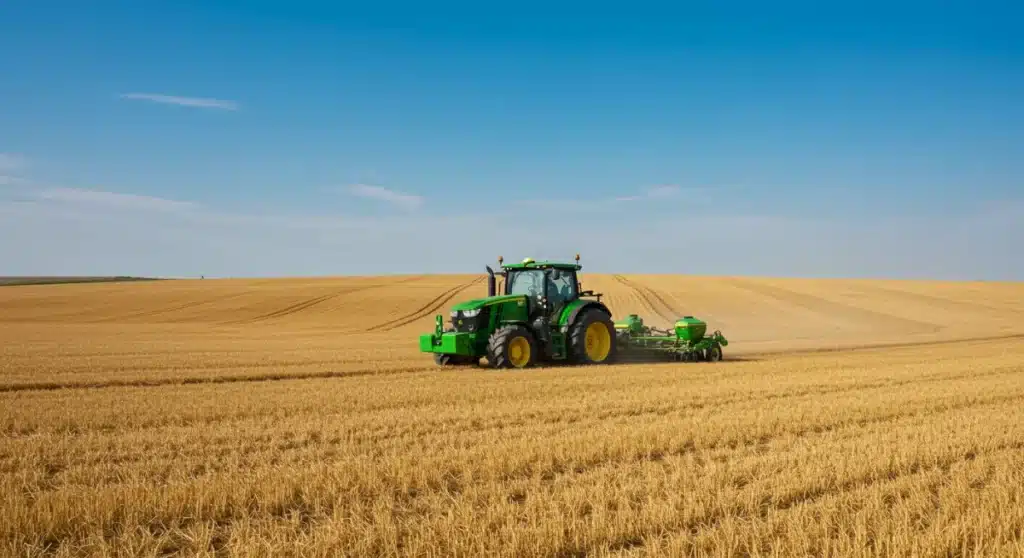
This analysis provides a detailed comparison of the most prominent autonomous tractors 2026 models, evaluating their capabilities, efficiency, and suitability for diverse agricultural operations across the United States.
The agricultural landscape is undergoing a profound transformation, with automation at its forefront. Farmers across the United States are increasingly looking towards advanced solutions to boost productivity, reduce labor costs, and enhance sustainability. In this evolving environment, comparing autonomous tractors: a 2026 analysis of leading models for US agricultural operations becomes not just helpful, but essential for making informed decisions.
The Rise of Autonomous Farm Equipment
Autonomous farm equipment has evolved from a futuristic concept to a tangible reality, reshaping how growers manage their fields. The integration of advanced AI, GPS, and sensor technologies allows these machines to perform tasks with unprecedented precision and efficiency. This shift represents a pivotal moment for agriculture, promising solutions to long-standing challenges like labor shortages and the need for optimized resource use.
This technological leap is driven by ongoing innovations from major manufacturers and specialized tech companies. These advancements are not just about automating existing tasks; they are about redefining the potential of agricultural operations. Farmers are now able to leverage data-driven insights to make more strategic decisions, moving beyond traditional methods into a new era of smart farming.
Key Drivers of Autonomous Adoption
- Labor Shortages: A persistent challenge in agriculture, autonomous tractors can perform tasks around the clock, reducing reliance on human labor.
- Precision Agriculture: Enhanced accuracy in planting, spraying, and harvesting leads to reduced waste and optimized yields.
- Operational Efficiency: Autonomous systems can operate continuously, even in challenging conditions, maximizing uptime and productivity.
- Data-Driven Decisions: Integrated sensors and AI provide valuable data for better farm management and resource allocation.
The widespread adoption of autonomous farm equipment is set to revolutionize every aspect of agricultural production. From preparing the soil to harvesting crops, these machines offer a level of consistency and control that was previously unattainable. Understanding the core technologies and benefits is crucial for any farmer considering this investment.
John Deere’s Autonomous Offerings: The 8R Series
John Deere continues to be a dominant force in agricultural machinery, and their foray into autonomous technology with the 8R series is particularly noteworthy. The 2026 iteration of the John Deere 8R autonomous tractor builds upon a foundation of robust engineering and integrates cutting-edge AI for enhanced field performance. This model is designed for large-scale operations, offering significant horsepower and the ability to handle a wide range of implements.
The 8R autonomous system utilizes a combination of GPS, cameras, and advanced perception systems to navigate fields with remarkable accuracy. Its ability to detect obstacles and adjust its path autonomously ensures safety and prevents potential damage. Farmers can monitor and control the tractor remotely via a mobile application, receiving real-time data and alerts, which provides peace of mind and operational flexibility.
Technological Advancements in the 8R
- Advanced Vision Systems: Multiple cameras provide 360-degree awareness, enhancing obstacle detection and field navigation.
- Integrated AI for Optimization: Machine learning algorithms continuously improve operational efficiency, fuel consumption, and task performance.
- Seamless Data Integration: Connects with John Deere Operations Center for comprehensive farm management, planning, and analysis.
- Robust Power and Durability: Engineered for demanding agricultural tasks, maintaining John Deere’s reputation for reliability.
The John Deere 8R series represents a significant investment for many farmers, but its potential for increased productivity and reduced operational costs makes a compelling case. The seamless integration into existing John Deere ecosystems further solidifies its appeal, offering a holistic solution for modern farming operations.
Case IH and Raven Industries: A Synergistic Approach
The partnership between Case IH and Raven Industries has positioned them as a formidable contender in the autonomous tractor market. Their collaborative approach leverages Case IH’s heavy machinery expertise with Raven’s pioneering autonomous technology. For 2026, their autonomous tractor solutions, often integrated into existing Case IH models, focus on scalability and adaptability for diverse farm sizes and operations.
Their autonomous system emphasizes retrofittable solutions, allowing farmers to convert their current Case IH tractors into autonomous units. This approach reduces the initial investment barrier, making autonomous technology more accessible. The system is characterized by intuitive controls and robust performance, capable of executing complex field tasks with minimal human intervention.
Raven Autonomy Features
- Retrofit Capabilities: Transforms existing Case IH tractors into autonomous vehicles, extending equipment lifespan and reducing capital expenditure.
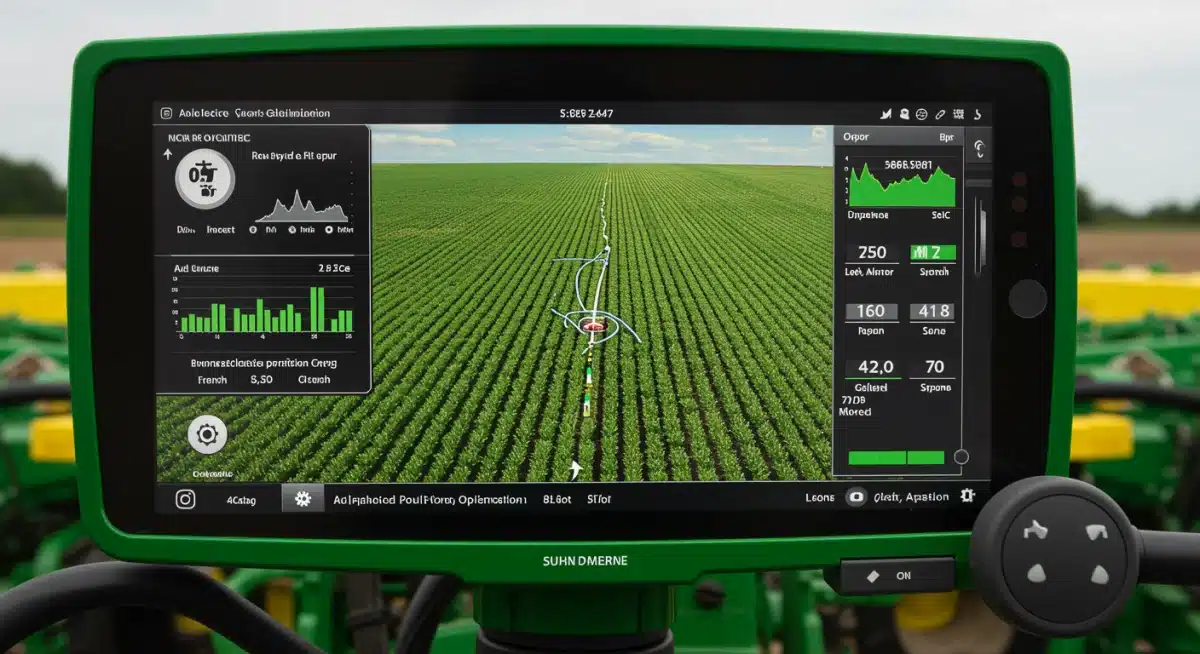
- Viper 4+ Control System: Provides a user-friendly interface for planning, executing, and monitoring autonomous operations.
- Advanced Perception and Safety: Utilizes radar, lidar, and camera systems for comprehensive environmental awareness and collision avoidance.
- Operational Flexibility: Supports various implements and tasks, from tillage to planting and spraying, adapting to specific farm needs.
The combined strengths of Case IH and Raven Industries offer a compelling option for farmers seeking to embrace autonomy without completely overhauling their existing fleet. Their focus on practical, adaptable solutions makes them a strong competitor in the US agricultural market.
Fendt’s Xaver and the Future of Swarm Robotics
Fendt’s approach to autonomous agriculture often stands out with its innovative Xaver concept, focusing on smaller, electric, autonomous units working in a swarm. While not a traditional tractor in the sense of large, single units, the Xaver system represents a distinct vision for the future of precision planting and field management. For 2026, Fendt continues to refine this concept, aiming for highly efficient, environmentally friendly operations.
The Xaver system involves multiple compact, lightweight robots that can work simultaneously across a field. This distributed approach offers several advantages, including reduced soil compaction, increased precision at the individual plant level, and redundancy in operation. If one unit encounters an issue, others can continue the task, ensuring continuity.
Benefits of Swarm Robotics
- Reduced Soil Compaction: Lighter individual units minimize pressure on the soil, preserving soil health and structure.
- Enhanced Precision: Each unit can plant or apply inputs with extreme accuracy, optimizing resource use for every seed.
- Scalability and Redundancy: The system can be scaled by adding more units, and operations continue even if one unit goes offline.
- Electric Power: Environmentally friendly operation with zero direct emissions, aligning with sustainable farming practices.
Fendt’s Xaver system, though different from conventional autonomous tractors, presents a powerful alternative for precision farming, especially for tasks like planting. Its focus on sustainability and granular control offers a glimpse into a potentially transformative future for agricultural practices.
Monarch Tractor: Electric and Operator-Optional
Monarch Tractor has made a significant impact by introducing the world’s first fully electric, driver-optional smart tractor. For 2026, Monarch continues to refine its flagship MK-V model, emphasizing sustainability, versatility, and advanced data capabilities. This tractor is designed to address the environmental concerns of modern agriculture while offering the benefits of automation to a broader range of farmers, particularly those with smaller to medium-sized operations.
The Monarch MK-V stands out for its zero-emission operation, contributing to a cleaner agricultural footprint. It can operate autonomously or be driven by an operator, providing flexibility based on the task and farm requirements. Its advanced sensor fusion, including 360-degree cameras and AI, enables precise navigation, implement control, and detailed data collection on crop health and field conditions.
MK-V Key Features
- 100% Electric: Zero tailpipe emissions, reducing carbon footprint and fuel costs.
- Operator-Optional: Can be driven manually or operate autonomously, offering maximum versatility.
- Computer Vision and AI: Provides real-time data on crop health, enabling targeted interventions and improved yields.
- Integrated Safety Features: Designed with advanced safety protocols, including human detection and automatic shutdown.
Monarch Tractor’s focus on electric propulsion combined with autonomous capabilities positions it as a leader in sustainable farm technology. Its appeal lies in its ability to offer environmental benefits alongside enhanced operational efficiency, making it a strong choice for forward-thinking farmers.
Challenges and Future Outlook for Autonomous Tractors in the US
While the promise of autonomous tractors is immense, several challenges need to be addressed for widespread adoption across the US agricultural sector. Infrastructure, regulatory frameworks, and farmers’ comfort levels with new technology are crucial considerations. The 2026 landscape shows progress, but hurdles remain in fully realizing the potential of these advanced machines.
One significant challenge is connectivity. Reliable, high-speed internet access is not universally available in rural areas, which is essential for real-time data transmission and remote monitoring of autonomous fleets. Furthermore, developing consistent regulatory guidelines for autonomous vehicle operation in varied agricultural environments is an ongoing process. Farmers also need comprehensive training and support to integrate these complex systems effectively into their operations.
Overcoming Adoption Hurdles
- Improved Rural Connectivity: Expansion of 5G and satellite internet services is critical for seamless operation.
- Standardized Regulations: Clear guidelines for safety, operation, and liability will build trust and facilitate adoption.
- Education and Training: Farmers require robust training programs to effectively utilize and troubleshoot autonomous systems.
- Cost-Benefit Analysis: Demonstrating clear ROI through data and case studies will encourage investment.
Despite these challenges, the future of autonomous tractors in the US looks bright. Continued technological advancements, coupled with increasing demand for efficiency and sustainability, will drive further innovation and adoption. The collaborative efforts between tech companies, manufacturers, and agricultural institutions are paving the way for a more automated and productive farming future.
| Key Aspect | Description |
|---|---|
| John Deere 8R | High-horsepower, AI-driven, suitable for large-scale operations with integrated ecosystem. |
| Case IH & Raven | Focus on retrofittable autonomy, making technology accessible for existing fleets. |
| Fendt Xaver | Swarm robotics concept with small, electric units for ultra-precision and reduced compaction. |
| Monarch MK-V | Fully electric, operator-optional, zero-emission smart tractor for diverse farm sizes. |
Frequently Asked Questions About Autonomous Tractors
Autonomous tractors significantly reduce labor costs, increase operational efficiency by working extended hours, and enhance precision in tasks like planting and spraying. This leads to optimized resource use, higher yields, and improved overall farm profitability.
Modern autonomous tractors employ sophisticated sensor arrays, including cameras, radar, and lidar, to detect obstacles and humans. They are programmed with advanced AI to make real-time decisions, ensuring safe operation and often featuring automatic shutdown protocols in emergencies.
Yes, some manufacturers, like the Case IH and Raven Industries partnership, offer retrofit kits and systems that can transform certain existing tractor models into autonomous units. This allows farmers to upgrade their current machinery without purchasing entirely new equipment.
Autonomous tractors collect vast amounts of data on field conditions, crop health, soil composition, and operational efficiency. This data is used for precision farming, optimizing future planting and application strategies, and providing insights for better farm management decisions.
Key challenges include ensuring robust rural internet connectivity for remote operation, establishing clear regulatory frameworks, and providing adequate training for farmers. Initial investment costs and farmer acceptance of new technologies also play significant roles.
Conclusion
The 2026 landscape for autonomous tractors in US agricultural operations reveals a dynamic and rapidly advancing sector. From the high-power capabilities of John Deere’s 8R series to the flexible retrofit solutions by Case IH and Raven, the innovative swarm robotics of Fendt’s Xaver, and the sustainable electric power of Monarch Tractor, farmers have an increasingly diverse array of options. These technologies promise not only to address pressing issues like labor shortages and efficiency but also to drive agriculture towards a more sustainable and data-driven future. While challenges related to infrastructure and regulation persist, the trajectory of autonomous farming is undeniably upward, offering transformative potential for productivity and environmental stewardship across American farmlands.