Blockchain in Agriculture: Farm-to-Fork Transparency by 2026
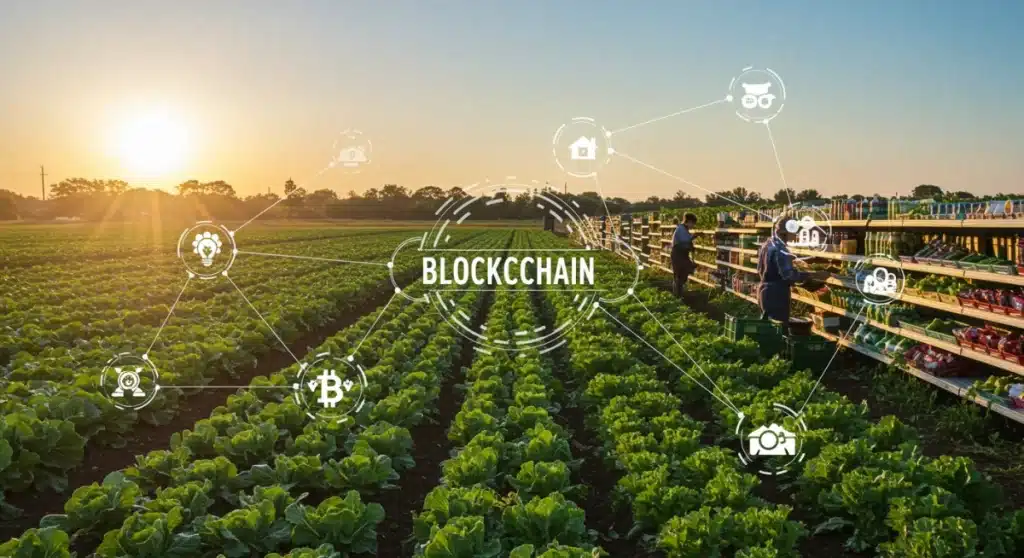
Blockchain in Agriculture: Ensuring 100% Transparency from Farm to Fork by 2026
The global food system is undergoing a profound transformation, driven by an increasing demand for transparency, safety, and sustainability. Consumers are no longer content with simply knowing where their food comes from; they want to understand its entire journey, from its humble origins on the farm to its arrival on their plate. This desire for comprehensive insight has propelled Blockchain Agri Traceability into the spotlight as a pivotal technology poised to revolutionize the agricultural sector. By 2026, we anticipate that blockchain will be instrumental in achieving 100% transparency, creating an immutable and verifiable record for every single food product.
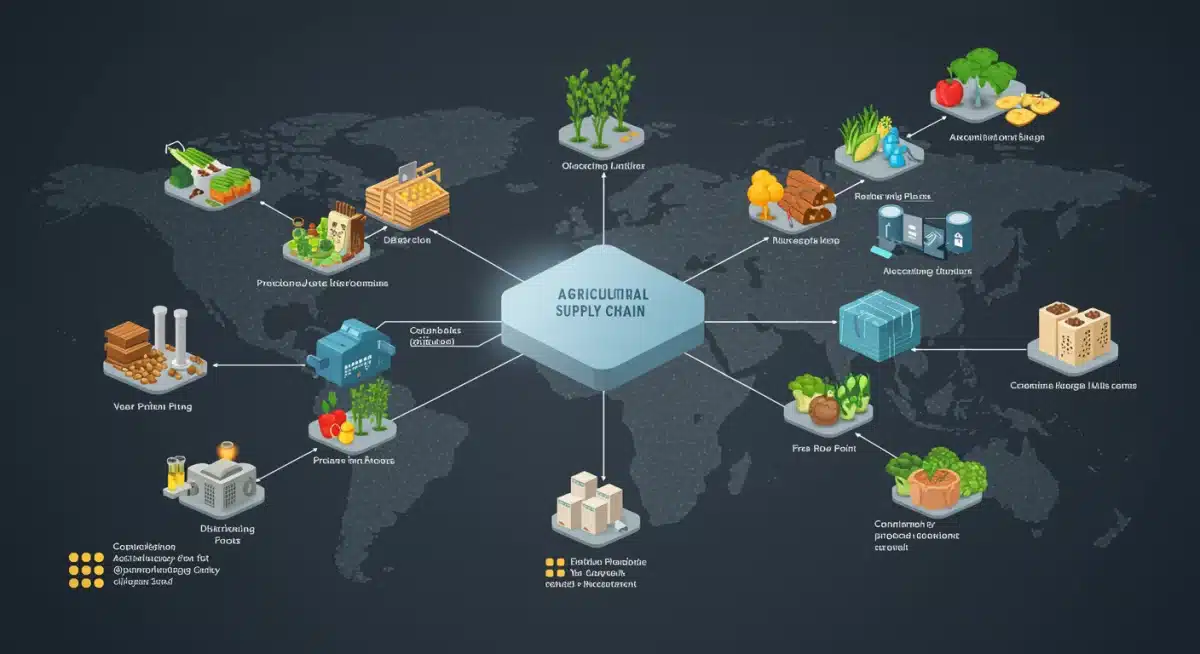
The journey from farm to fork is often intricate, involving numerous intermediaries, complex logistics, and varied regulatory landscapes. This complexity presents challenges in ensuring accountability, preventing fraud, and swiftly responding to food safety crises. Traditional traceability systems often rely on fragmented data and manual processes, which are prone to errors and inefficiencies. This is where Blockchain Agri Traceability steps in, offering a decentralized, secure, and transparent ledger that can record every transaction and movement of a product, creating an unparalleled level of trust and confidence across the entire supply chain.
The Current Landscape of Agricultural Traceability: Challenges and Limitations
Before delving into the promise of Blockchain Agri Traceability, it’s essential to understand the existing challenges within agricultural supply chains. The current system, while functional, faces several significant hurdles:
- Lack of Centralized Data: Information about a product’s origin, processing, and transportation is often siloed within different companies. This makes it difficult to compile a complete and consistent history of a food item.
- Vulnerability to Fraud: The absence of a tamper-proof record-keeping system makes agricultural products susceptible to mislabeling, counterfeiting, and origin fraud, impacting both consumer trust and producer reputation.
- Slow Recall Processes: In the event of a foodborne illness outbreak or contamination, identifying the source and executing a targeted recall can be a lengthy and costly process, leading to widespread consumer panic and significant economic losses.
- Limited Consumer Information: Consumers often have minimal information about the ethical sourcing, environmental impact, or labor practices associated with their food, hindering their ability to make informed purchasing decisions.
- Inefficient Auditing: Verifying compliance with various certifications (organic, fair trade, etc.) is a time-consuming and labor-intensive process, often involving extensive paperwork and on-site inspections.
These limitations highlight the urgent need for a more robust, efficient, and trustworthy system – a need that Blockchain Agri Traceability is uniquely positioned to address. The fragmented nature of the current system not only impacts consumer confidence but also hinders the ability of farmers and producers to receive fair value for their goods and demonstrate their commitment to quality and sustainability.
What is Blockchain and How Does it Apply to Agriculture?
At its core, blockchain is a distributed, immutable ledger that records transactions in a secure and transparent manner. Each ‘block’ in the chain contains a timestamped list of transactions, and once a block is added, it cannot be altered or removed. This inherent security and transparency make it an ideal solution for tracking products through complex supply chains.
In the context of agriculture, Blockchain Agri Traceability involves recording key data points at every stage of a product’s journey. This could include:
- Farm Level: Planting dates, fertilizer use, pesticide application, harvest dates, soil conditions, water usage, and certifications (e.g., organic, non-GMO).
- Processing & Packaging: Processing facility details, ingredients added, packaging information, quality control checks, and batch numbers.
- Logistics & Distribution: Transportation routes, temperatures during transit, storage conditions, and delivery timestamps.
- Retail: Arrival dates, shelf life, and final sale information.
Each of these data points, often accompanied by unique identifiers like QR codes or RFID tags, is recorded as a transaction on the blockchain. This creates an unbroken, verifiable digital trail that can be accessed by authorized participants, from farmers to consumers. This comprehensive and secure data repository is the cornerstone of achieving unprecedented transparency in the agricultural sector, moving us closer to the 2026 goal of 100% farm-to-fork visibility through robust Blockchain Agri Traceability systems.
The Unprecedented Benefits of Blockchain Agri Traceability
The integration of blockchain technology into agricultural supply chains offers a multitude of benefits that extend beyond mere transparency:
Enhanced Food Safety and Recalls
One of the most critical advantages of Blockchain Agri Traceability is its ability to drastically improve food safety. When a contamination incident occurs, the immutable record on the blockchain allows for rapid identification of the affected batch and its origin. This precision enables targeted product recalls, minimizing waste, reducing economic impact, and most importantly, protecting public health. Consumers can quickly verify the safety of their food, leading to greater trust in brands and the food system as a whole.
Increased Consumer Trust and Brand Loyalty
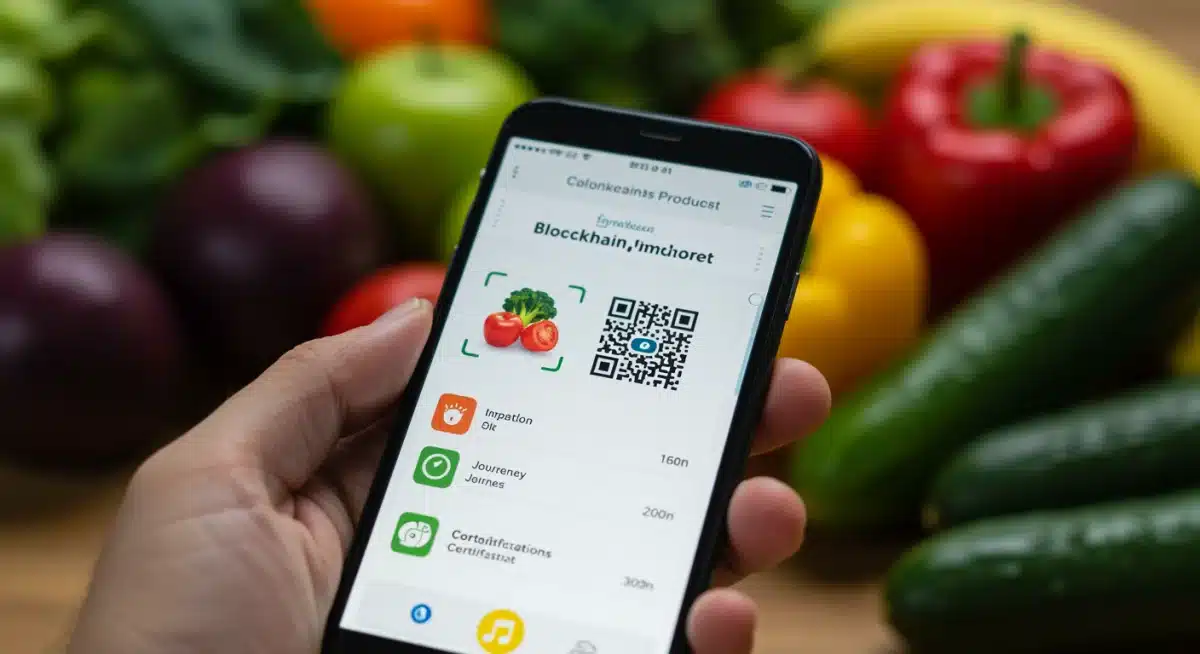
Modern consumers are increasingly discerning, prioritizing ethical sourcing, sustainability, and verifiable claims. Blockchain Agri Traceability provides the tools for brands to deliver on these expectations. By scanning a QR code on a product, consumers can access a wealth of information about its journey, including the farm where it was grown, the conditions under which it was processed, and its environmental footprint. This level of transparency builds unparalleled trust and fosters strong brand loyalty, as consumers feel more connected to the products they purchase.
Improved Efficiency and Reduced Costs
Traditional record-keeping and auditing processes are often manual, time-consuming, and prone to errors. Blockchain automates much of this, streamlining data collection and verification. This leads to reduced administrative overheads, faster compliance checks, and a more efficient overall supply chain. The ability to quickly resolve disputes and identify bottlenecks also contributes to significant cost savings for all stakeholders involved in the Blockchain Agri Traceability network.
Fairer Compensation for Farmers
Farmers often operate at the bottom of the supply chain, with limited visibility into how their produce is valued and sold further down the line. Blockchain Agri Traceability can empower farmers by providing them with transparent data on pricing, demand, and consumer feedback. This information can help them make better decisions about crops, improve their bargaining power, and potentially access premium markets for ethically or sustainably produced goods, ensuring fairer compensation for their hard work.
Combating Food Fraud and Counterfeiting
Food fraud, including mislabeling and counterfeiting, costs the industry billions annually and poses significant health risks. The immutable nature of blockchain records makes it incredibly difficult to tamper with product information. Each product’s unique digital identity, tracked via Blockchain Agri Traceability, ensures authenticity and prevents illicit activities, safeguarding both consumers and legitimate producers.
Implementing Blockchain Agri Traceability: Key Considerations and Challenges
While the benefits are clear, the widespread adoption of Blockchain Agri Traceability is not without its challenges. Successful implementation requires careful planning and collaboration among various stakeholders:
Interoperability and Standardization
For blockchain systems to be truly effective, they need to be interoperable across different platforms and organizations. Establishing common standards for data collection, formatting, and sharing is crucial to ensure seamless information flow throughout the global agricultural supply chain. This involves developing industry-wide protocols that allow different blockchain networks to communicate and exchange data efficiently, a key step towards universal Blockchain Agri Traceability.
Data Privacy and Security
While blockchain offers inherent security, managing sensitive data still requires robust privacy protocols. Farmers and businesses need assurances that their proprietary information (e.g., farming techniques, customer lists) is protected. Permissioned blockchains, where access to data is controlled, can address these concerns, ensuring that only authorized parties can view specific information, maintaining trust in the Blockchain Agri Traceability ecosystem.
Cost of Implementation and Scalability
The initial investment in blockchain technology, including hardware, software, and training, can be substantial, especially for small and medium-sized farms. Solutions need to be scalable and cost-effective to encourage widespread adoption. Cloud-based blockchain-as-a-service (BaaS) platforms are emerging as a viable option to reduce barriers to entry and facilitate broader integration of Blockchain Agri Traceability.
Education and Training
Many participants in the agricultural supply chain, particularly farmers, may lack familiarity with blockchain technology. Extensive education and training programs are necessary to ensure that all stakeholders understand the benefits, functionalities, and operational requirements of the new system. This includes demonstrating how Blockchain Agri Traceability simplifies processes rather than complicating them.
Regulatory Frameworks
Existing regulatory frameworks may need to be updated or adapted to accommodate blockchain-based traceability systems. Governments and regulatory bodies play a crucial role in fostering an environment that supports innovation while ensuring compliance and consumer protection. Clear guidelines on data ownership, liability, and dispute resolution are essential for the successful deployment of Blockchain Agri Traceability.
Case Studies: Early Adopters and Success Stories in Blockchain Agri Traceability
Several pioneering companies and consortia have already begun to leverage Blockchain Agri Traceability, demonstrating its immense potential:
- IBM Food Trust: One of the most prominent examples, IBM Food Trust uses blockchain to connect growers, processors, wholesalers, distributors, and retailers through a permissioned network. Members can trace food products in seconds, significantly reducing the time it takes to identify and contain foodborne illness outbreaks.
- Walmart: A key participant in IBM Food Trust, Walmart has successfully implemented blockchain for tracking leafy greens, dramatically cutting down the traceability time from days or weeks to mere seconds. This has set a new benchmark for efficiency in Blockchain Agri Traceability.
- Provenience: This platform focuses on seafood traceability, providing consumers with information about where their fish was caught, by whom, and using what methods, promoting sustainable fishing practices through transparent Blockchain Agri Traceability.
- Nestlé: The global food giant has piloted blockchain for various products, including infant formula and coffee, to enhance transparency and build consumer trust in its supply chains, showcasing the versatility of Blockchain Agri Traceability.
These early successes underscore the viability and transformative power of Blockchain Agri Traceability. They serve as compelling evidence that the vision of 100% transparency from farm to fork by 2026 is not just aspirational but achievable.
The Road Ahead: Achieving 100% Transparency by 2026 with Blockchain Agri Traceability
The ambition to achieve complete farm-to-fork transparency by 2026 through Blockchain Agri Traceability is bold, yet increasingly within reach. This future will be characterized by:
- Ubiquitous Data Capture: Sensors, IoT devices, and automated data entry systems will be seamlessly integrated into farming practices, processing plants, and logistics, ensuring every relevant data point is captured and recorded on the blockchain.
- Intelligent Supply Chains: AI and machine learning will analyze the vast datasets generated by Blockchain Agri Traceability systems, predicting demand, optimizing logistics, and identifying potential risks before they materialize.
- Empowered Consumers: Consumers will have instant, reliable access to comprehensive information about their food, enabling them to make highly informed choices based on factors like origin, sustainability, ethical practices, and nutritional content.
- Global Collaboration: The establishment of international standards and collaborative frameworks will facilitate cross-border traceability, ensuring that even the most complex global supply chains are transparent and accountable through unified Blockchain Agri Traceability efforts.
- Sustainable Agriculture: With greater transparency, producers will be incentivized to adopt more sustainable and environmentally friendly practices, as their efforts can be verified and rewarded by consumers and retailers.
The journey to 2026 will require continued innovation, investment, and a collective commitment from all stakeholders – farmers, processors, distributors, retailers, technology providers, and governments. However, the benefits in terms of food safety, consumer trust, economic efficiency, and environmental sustainability are too significant to ignore. Blockchain Agri Traceability is not merely a technological upgrade; it’s a fundamental shift towards a more honest, equitable, and resilient global food system.
Conclusion: The Transparent Future is Now with Blockchain Agri Traceability
The vision of a fully transparent agricultural supply chain, where every food item’s journey from farm to fork is meticulously recorded and verifiable, is rapidly becoming a reality. Blockchain Agri Traceability stands as the cornerstone of this transformation, offering a robust, secure, and decentralized solution to the long-standing challenges of food safety, fraud, and lack of consumer trust. By 2026, we can expect to see widespread adoption of these technologies, fundamentally altering how we perceive and interact with our food.
This paradigm shift will empower consumers with unprecedented information, reward ethical producers, streamline supply chain operations, and significantly enhance global food safety. The path forward involves overcoming technological, financial, and regulatory hurdles, but the momentum is clear. The future of food is transparent, and Blockchain Agri Traceability is leading the charge, promising a more secure, sustainable, and trustworthy food ecosystem for everyone.