Soil Health Audits: Boost Farm Productivity by 15% in 12 Months
Anúncios
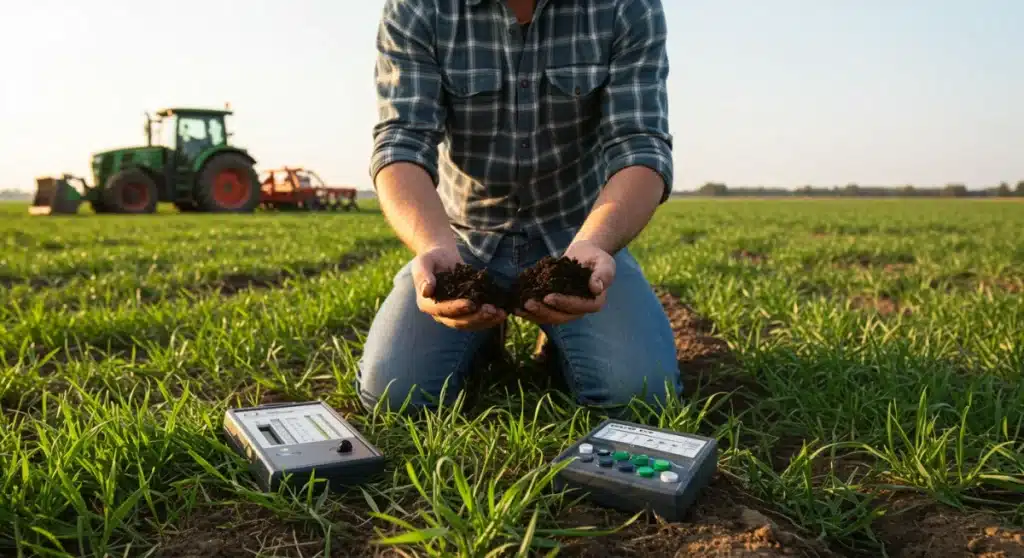
Soil health audits are essential for farmers aiming to increase productivity by 15% within 12 months, providing a data-driven, step-by-step approach to optimize soil fertility and implement sustainable farming practices.
Anúncios
Are you looking to significantly enhance your farm’s output and ensure long-term sustainability? Implementing comprehensive soil health audits offers a clear pathway to achieving a remarkable 15% increase in farm productivity within just 12 months, transforming your operations for the better.
understanding the foundation: what is soil health?
Soil health goes beyond simple nutrient levels; it encompasses the living ecosystem beneath our feet. Healthy soil is a dynamic, complex system filled with microorganisms, organic matter, and essential minerals that work in harmony to support plant growth, filter water, and cycle nutrients. Recognizing this complexity is the first step toward unlocking your farm’s full potential.
Anúncios
It’s not just about what you add to the soil, but how you foster its natural biological processes. A truly healthy soil structure resists erosion, retains moisture efficiently, and provides a robust environment for roots to thrive, translating directly into higher yields and reduced input costs.
the pillars of soil health
Understanding the key components is crucial for any effective soil management strategy. These pillars interact to create a resilient and productive agricultural system.
- Physical structure: Good aggregation, porosity, and water infiltration.
- Chemical balance: Optimal pH, nutrient availability, and low contaminant levels.
- Biological activity: Abundant and diverse microbial communities, earthworms, and other beneficial organisms.
- Organic matter content: The backbone of soil health, providing nutrients and improving structure.
By focusing on these interconnected elements, farmers can develop a holistic understanding of their soil’s condition. This foundational knowledge is indispensable for designing interventions that genuinely improve productivity and sustainability.
the step-by-step audit process: from sampling to analysis
Embarking on a soil health audit requires a systematic approach to ensure accurate data and actionable insights. This process begins with careful planning and extends through detailed laboratory analysis, providing a comprehensive picture of your soil’s current state.
Proper sampling techniques are paramount, as an unrepresentative sample can lead to misleading results and ineffective management decisions. It’s about gathering data that truly reflects the variability across your fields.
collecting representative samples
The accuracy of your audit hinges on how well your samples represent your entire field. Different areas of a field can have vastly different soil characteristics, necessitating a strategic sampling plan.
- Grid sampling: Dividing fields into uniform grids for precise, geo-referenced samples.
- Zone sampling: Delineating management zones based on historical data, topography, or yield maps.
- Consistent depth: Ensuring all samples are taken at the same depth to maintain comparability.
Once collected, samples must be properly labeled and stored to prevent contamination or degradation before they reach the laboratory. This meticulous attention to detail ensures the integrity of your data.
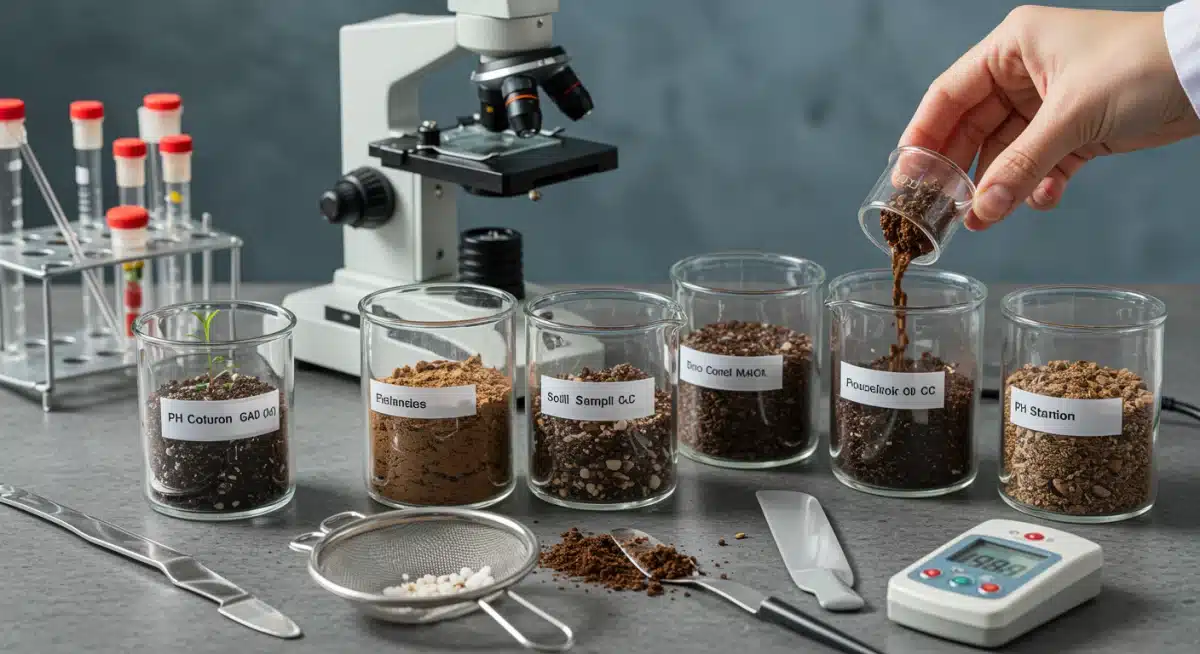
Following collection, samples are sent to specialized laboratories for a battery of tests. These analyses go beyond basic nutrient levels, delving into the biological and physical properties of the soil. Understanding these results is key to forming effective management plans.
interpreting audit results: translating data into action
Receiving your soil health audit report is just the beginning. The real value lies in interpreting the data and translating it into practical, farm-specific strategies. This step requires an understanding of what each metric signifies for your particular crops and local conditions.
Don’t just look at the numbers in isolation; consider how they interact. For instance, low organic matter might exacerbate nutrient deficiencies, even if basic fertilizer levels seem adequate. A holistic interpretation reveals underlying issues.
key metrics and their implications
Several critical indicators provide insights into your soil’s health and potential productivity constraints. Focusing on these can guide your management decisions effectively.
- Organic matter: Directly impacts water retention, nutrient cycling, and microbial activity.
- pH levels: Influences nutrient availability and microbial community composition.
- Aggregate stability: Indicates soil structure, erosion resistance, and aeration.
- Microbial respiration: Measures the activity of soil microorganisms, a proxy for biological health.
Consulting with an agronomist or soil health specialist can be invaluable during this phase. Their expertise can help you understand complex interactions and prioritize interventions that will yield the greatest return on investment for your farm.
Ultimately, interpreting the audit results is about connecting the dots between soil conditions and field performance. This informed perspective allows for targeted adjustments to your farming practices, moving away from a one-size-fits-all approach to precision agriculture.
implementing targeted soil improvement strategies
With a clear understanding of your soil’s needs, the next critical step is to implement tailored improvement strategies. These interventions are designed to address specific deficiencies or imbalances identified in the audit, paving the way for increased productivity and resilience.
Generic solutions often fall short. A targeted approach, informed by precise data, ensures that resources are allocated efficiently, maximizing impact while minimizing waste. This is where the audit truly begins to pay off.
proven practices for enhanced soil health
A range of agricultural practices can significantly boost soil health. Integrating several of these can create a synergistic effect, accelerating improvements.
- Cover cropping: Protects soil from erosion, adds organic matter, and suppresses weeds.
- No-till or reduced tillage: Preserves soil structure, organic matter, and microbial life.
- Crop rotation: Breaks pest and disease cycles, improves nutrient use efficiency, and diversifies root systems.
- Compost and manure application: Enriches soil with organic matter and essential nutrients.
Each of these practices contributes to a healthier soil ecosystem, which in turn supports stronger, more productive crops. The selection of practices should align with your farm’s specific audit findings and overall operational goals.
Successful implementation requires careful planning and a willingness to adapt. Monitoring the effects of these strategies over time through subsequent audits will allow for continuous refinement and optimization, ensuring sustained improvements in soil health and productivity.
monitoring progress and measuring productivity gains
Implementing soil improvement strategies is an ongoing process, not a one-time fix. Continuous monitoring allows farmers to track the effectiveness of their interventions and quantify the productivity gains. This feedback loop is essential for adaptive management and long-term success.
Without regular monitoring, it’s impossible to know if your strategies are working as intended or if adjustments are needed. This data-driven approach removes guesswork from farm management.
tracking key performance indicators
Several indicators can help measure the impact of your soil health initiatives on both soil quality and farm productivity. These metrics provide tangible evidence of progress.
- Yield increases: Direct measurement of crop output per acre.
- Input reduction: Decreased need for fertilizers, pesticides, and irrigation water.
- Soil organic matter trends: Regular testing to observe increases over time.
- Water infiltration rates: Improved soil structure leads to better water absorption.
Utilizing precision agriculture technologies, such as yield monitoring and remote sensing, can greatly facilitate this tracking. These tools provide granular data that helps correlate soil health improvements with specific productivity gains.
Measuring productivity gains isn’t just about yield; it also encompasses economic benefits like reduced costs and improved resilience to environmental stressors. Documenting these changes provides a compelling case for continued investment in soil health.
economic benefits and long-term sustainability
Investing in soil health audits and subsequent improvement strategies offers significant economic benefits that extend far beyond initial productivity boosts. These practices lay the groundwork for a more resilient, profitable, and sustainable farming operation for generations to come.
The financial returns are often multi-faceted, encompassing both increased revenue from higher yields and reduced operational costs. This dual impact makes soil health a powerful driver of farm profitability.
maximizing return on investment
The initial investment in soil testing and new practices can seem daunting, but the long-term returns consistently outweigh the costs. Farmers often see a rapid payback through various pathways.
- Reduced fertilizer expenses: Healthier soil cycles nutrients more efficiently.
- Lower irrigation costs: Improved water retention means less need for supplemental watering.
- Decreased pest and disease pressure: Resilient plants are less susceptible to damage.
- Enhanced crop quality: Healthier soil produces higher-quality, more marketable crops.
Furthermore, sustainable practices often make farms more attractive to consumers and can open doors to premium markets or certification programs. This provides additional revenue streams and strengthens market position.
Ultimately, a commitment to soil health ensures the long-term viability of your farm by building a foundation that can withstand environmental challenges and market fluctuations. It’s an investment in the future of your land and your livelihood.
| Key Aspect | Brief Description |
|---|---|
| Audit Process | Systematic sampling and laboratory analysis to assess soil’s physical, chemical, and biological properties. |
| Data Interpretation | Translating audit results into actionable, farm-specific strategies for improvement. |
| Targeted Strategies | Implementing practices like cover cropping, no-till, and crop rotation to enhance soil health. |
| Productivity Gains | Monitoring yield increases, input reductions, and long-term economic benefits for sustainability. |
frequently asked questions about soil health audits
A soil health audit is a comprehensive assessment of your soil’s physical, chemical, and biological properties. It’s crucial because it provides data-driven insights into soil deficiencies and strengths, enabling tailored management decisions that boost productivity and sustainability.
For initial assessment, an annual audit is recommended. Once you establish a baseline and implement improvement strategies, you might transition to biennial or triennial audits, depending on your specific goals and soil type, to monitor progress effectively.
Costs vary depending on the lab and the array of tests performed. Basic nutrient tests might be inexpensive, but comprehensive soil health audits, including biological indicators, can range from $100 to $300 per sample. Consider it an investment with significant returns.
Yes, by identifying specific limiting factors and guiding targeted interventions, soil health audits can lead to substantial productivity gains. Many farms report 10-20% increases within the first year as soil conditions optimize for plant growth and nutrient uptake.
Organic matter is fundamental to soil health, acting as a reservoir for nutrients, improving water retention, enhancing soil structure, and supporting diverse microbial life. Increasing organic matter is a primary goal for almost any soil improvement strategy.
conclusion
Embracing soil health audits is more than just a passing trend; it’s a strategic imperative for modern agriculture. By adopting a systematic, data-driven approach to understanding and nurturing your soil, you can unlock significant productivity gains, reduce operational costs, and build a more resilient and sustainable farming enterprise. The path to a 15% increase in farm productivity within 12 months is clear, grounded in the health of your soil, ensuring a prosperous future for your operations.