Variable rate fertilizer application systems: maximize your yield
Anúncios
Variable rate fertilizer application systems optimize nutrient use by applying fertilizers precisely based on soil conditions, improving crop yields while reducing costs and environmental impact.
Variable rate fertilizer application systems are changing the way farmers manage their crops. Imagine applying just the right amount of nutrients exactly where needed—it’s not just feasible, it’s beneficial. Let’s dive into how this technology can enhance your agricultural practices.
Anúncios
Understanding variable rate fertilizer application
Understanding variable rate fertilizer application is essential for modern farming. This method allows farmers to apply fertilizers more efficiently. By utilizing technology, farmers can customize their fertilizer application based on specific field conditions.
The process starts with gathering data about soil nutrient levels and crop needs. Technologies like soil sensors and satellite images help create a detailed map. This map indicates where nutrients are needed most. In turn, it optimizes yield and reduces waste.
How It Works
Variable rate application works through different stages. First, data collection is vital. After analyzing the soil, the next steps include:
Anúncios
- Mapping nutrient levels with precision.
- Determining crop requirements.
- Applying the correct amount of fertilizer.
This ensures that each plant gets what it needs for optimal growth. Additionally, farmers can save money by avoiding over-fertilization which can lead to pollution. By using less fertilizer, the environment benefits as well.
Advantages of Variable Rate Application
The benefits of using variable rate fertilizer application are numerous. Some key advantages include:
- Improved nutrient efficiency.
- Higher crop yields.
- Cost savings on fertilizers.
Farmers can reap the rewards of healthier crops while also being environmentally responsible. Adopting this method isn’t just beneficial; it’s becoming essential as farming practices evolve.
Many farmers are transitioning to these systems. They find it leads to better management of resources and enhanced productivity. This method represents a significant step forward in sustainable agriculture.
Advantages of using variable rate systems
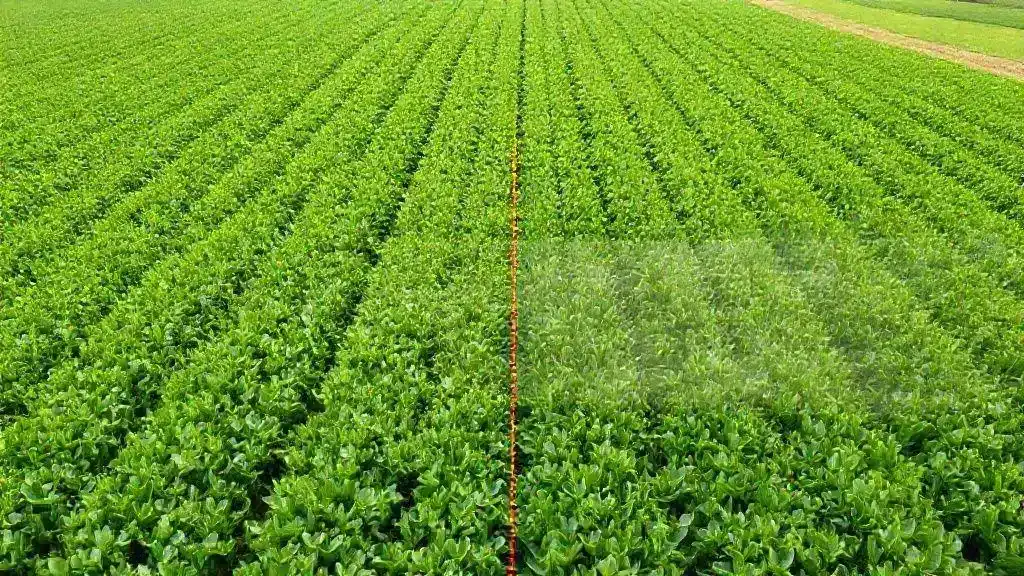
The advantages of using variable rate systems are significant for modern agriculture. This technology brings many benefits by optimizing the use of fertilizers and enhancing crop production. By applying the right amount of nutrients where they are needed, farmers can improve both efficiency and yield.
One major advantage is the reduction of costs associated with fertilizers. When farmers use variable rate technology, they can apply fertilizers more precisely. This means less waste and lower costs overtime. It allows farmers to focus resources on areas that require more nutrients.
Environmental Benefits
Another key point is the positive impact on the environment. With variable rate application, farmers can minimize runoff and reduce pollution. Fertilizers that enter waterways can harm natural ecosystems. By only applying what is necessary, the risk of harming the environment decreases.
- Less chemical runoff into streams and rivers.
- Reduced impact on local wildlife.
- Promotes healthier soil and crop health.
As farmers adopt these systems, they contribute to sustainability in agriculture. Healthier soil leads to better crops and a more productive farming system. Therefore, the technology is beneficial not just for the farmer but for the planet as well.
Improved Crop Health
Farmers often notice that crops are healthier when using variable rate systems. By supplying nutrients tailored to specific needs, plants grow stronger and more resilient. This practice leads to increased yields, making it a win-win for both growers and consumers.
Additionally, variable rate systems help farmers manage their fields better. They can identify which areas need more attention and adjust their strategies accordingly. This targeted approach ensures every plant receives the proper care it deserves.
How to implement variable rate application
Implementing variable rate application can seem challenging, but it is a manageable process. It involves several steps that help farmers adapt to this advanced technology effectively. Understanding the necessary stages will aid in achieving the best results in your farming practices.
The first step is to collect data about the field. This involves analyzing soil types, nutrient levels, and moisture content. Tools such as soil sensors and GPS technology are helpful in gathering accurate information about specific areas in the field.
Data Analysis
Next, after collecting the data, it needs to be compiled and analyzed. Farmers can use software programs designed for precision agriculture to create nutrient maps. These maps show variations in the field and help identify areas that need more or fewer nutrients.
- Identify high and low nutrient areas.
- Understand soil health and moisture levels.
- Plan nutrient applications based on crop requirements.
This analysis is crucial for making informed decisions about fertilizer application. Once the data is analyzed, farmers can develop a customized plan tailored to the specific needs of their crops.
Equipment and Application
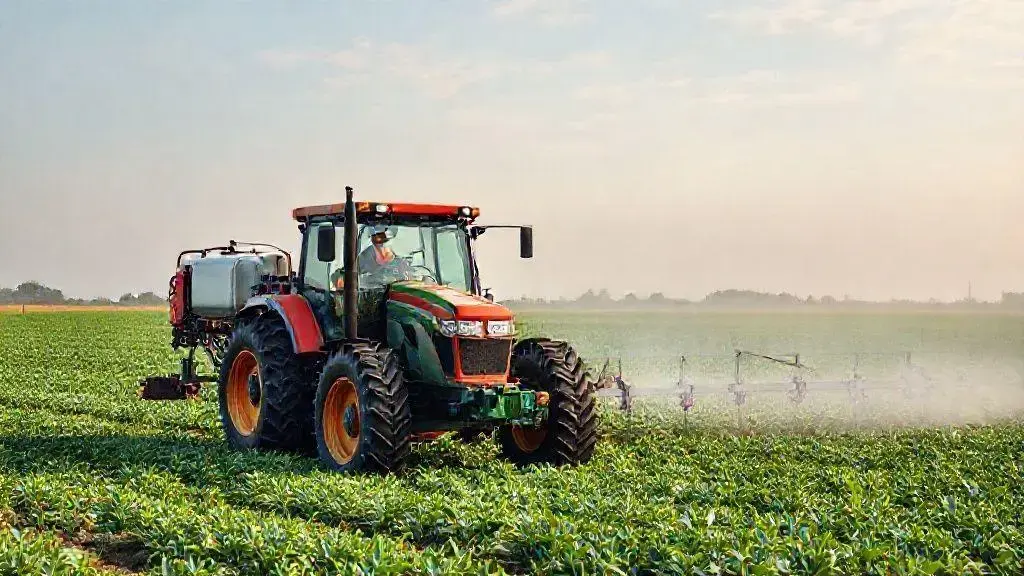
After creating a nutrient management plan, the next step is to choose the right equipment. Farmers need machinery that can perform variable rate application. Many modern tractors and spreaders are equipped to handle this technology. They can automatically adjust the amount of fertilizer applied based on real-time data.
Training is also essential for operators. They must understand how to set up and operate the equipment correctly. Awareness of the specific software used for mapping and application can enhance efficiency and productivity.
Once everything is in place, farmers can start the application process. Monitoring results after each application allows adjustments to be made as needed. This iterative approach ensures that nutrient management continually improves throughout the growing season.
Best practices for maximizing results
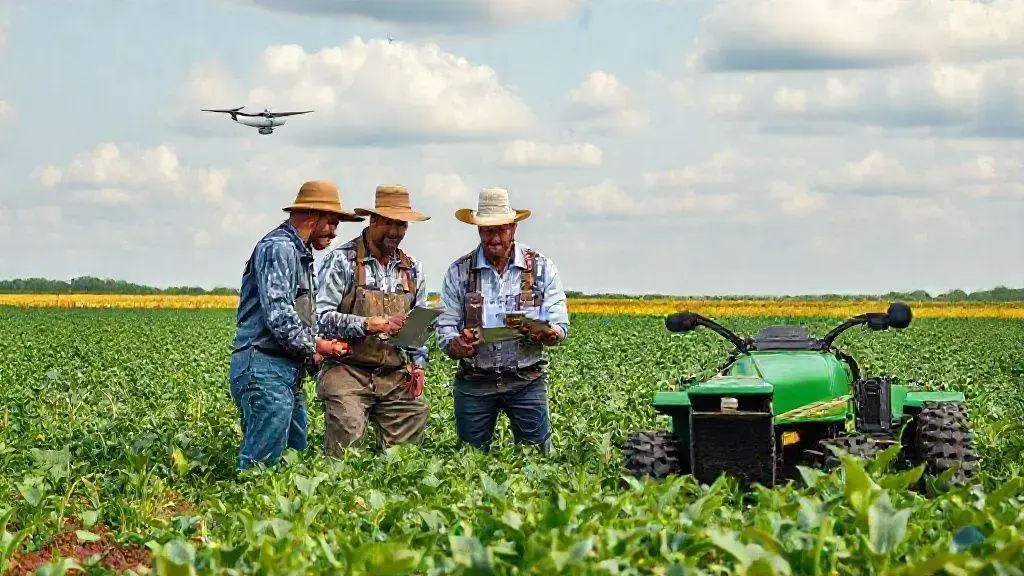
To achieve the best results with variable rate fertilizer application systems, following best practices is essential. These practices enhance efficiency and increase crop yields while protecting the environment. Knowing how to implement these strategies can lead to better farming outcomes.
First, regular soil testing is crucial. This helps farmers understand nutrient levels and pH balance. By knowing what their soil needs, they can make informed decisions about fertilizer types and amounts. Implementing these tests at least once a year provides valuable insights into field management.
Utilize Technology
Integrating the right technology into your farming practices also plays a vital role. Farmers should invest in equipment that supports variable rate application. This includes GPS-guided tractors and software for mapping nutrient needs. Using drones for aerial imaging can also provide up-to-date information on crop health.
- Choose software that is user-friendly and efficient.
- Keep equipment well-maintained for maximum performance.
- Train staff on how to use technologies effectively.
Moreover, data collection should be consistent throughout the growing season. Continuous monitoring of crop performance allows farmers to adjust their strategies as needed. This adaptability can significantly improve results.
Implement Sustainable Practices
Another best practice is to combine variable rate application with sustainable farming methods. Employing crop rotation and cover crops can enhance soil health. These practices not only enrich the soil but also support the overall ecosystem. When plants thrive in healthy soil, they require less fertilizer.
Additionally, be mindful of weather conditions. Applying fertilizers before heavy rain can lead to runoff, causing environmental issues. Plan applications when the weather is optimal to maximize nutrient uptake.
Lastly, sharing knowledge and experiences with other farmers can lead to improved practices. Collaborations and open discussions about challenges and successes help the farming community grow collectively.
FAQ – Frequently Asked Questions about Variable Rate Fertilizer Application Systems
What is variable rate fertilizer application?
Variable rate fertilizer application is a farming technique that allows for the precise application of fertilizers based on specific field conditions, improving nutrient efficiency.
How can I implement variable rate systems?
To implement variable rate systems, start by collecting data on soil nutrients, analyze it using precision agriculture software, and invest in the right equipment.
What are the benefits of using variable rate applications?
Benefits include reduced fertilizer costs, increased crop yields, and minimized environmental impact due to more efficient nutrient management.
How can I maximize the results of variable rate systems?
Maximize results by conducting regular soil tests, utilizing advanced technology, adopting sustainable practices, and sharing knowledge with other farmers.