GPS-guided tractor steering technology enhances precision
Anúncios
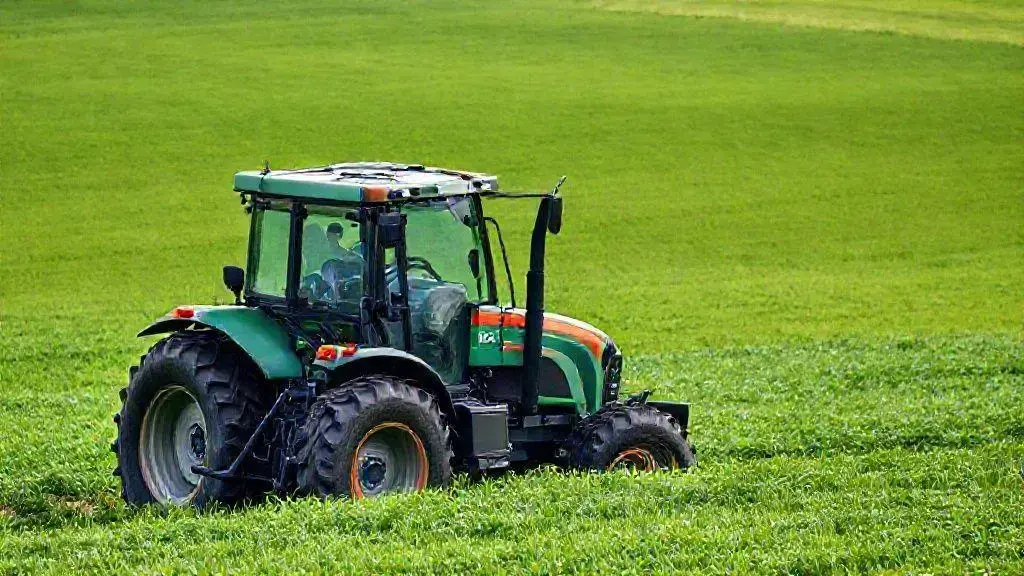
GPS-guided tractor steering technology enhances farming efficiency by improving accuracy, reducing costs, and enabling data-driven decision-making through advanced automation and analytics.
GPS-guided tractor steering technology is reshaping the agricultural landscape, offering farmers unmatched precision while navigating their fields. Ever wondered how this innovation could simplify your farming operations?
Anúncios
Understanding GPS-guided steering technology
GPS-guided steering technology allows tractors to operate more accurately and efficiently. This is crucial in modern farming where precision can significantly affect yield. Understanding how this technology works can help farmers make better decisions and improve their operations.
How It Works
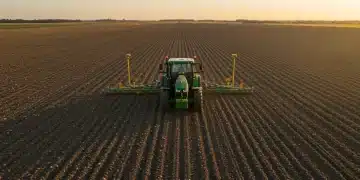
At its core, GPS-guided steering uses signals from satellites to determine the precise location of a tractor. This information is then used to guide the tractor along pre-set paths in the field. With this technology, farmers can achieve consistent and repeatable results.
Benefits of GPS-Guided Steering
- Increased accuracy in field operations
- Reduced overlap of equipment, saving time and resources
- Better seed and fertilizer placement
- Enhanced productivity and reduced labor costs
Farmers can also customize the software to suit their specific needs. This flexibility allows them to optimize planting, harvesting, and other tasks. Additionally, GPS-guided steering technology enhances data collection, giving farmers insights into their fields.
Anúncios
As technology progresses, we can expect more advancements in GPS systems. These will likely include improved sensors and data analytics tools, making GPS-guided steering technology even more valuable for agricultural practices. Keeping up-to-date with these changes will help farmers stay competitive in a challenging market.
Benefits for modern agriculture
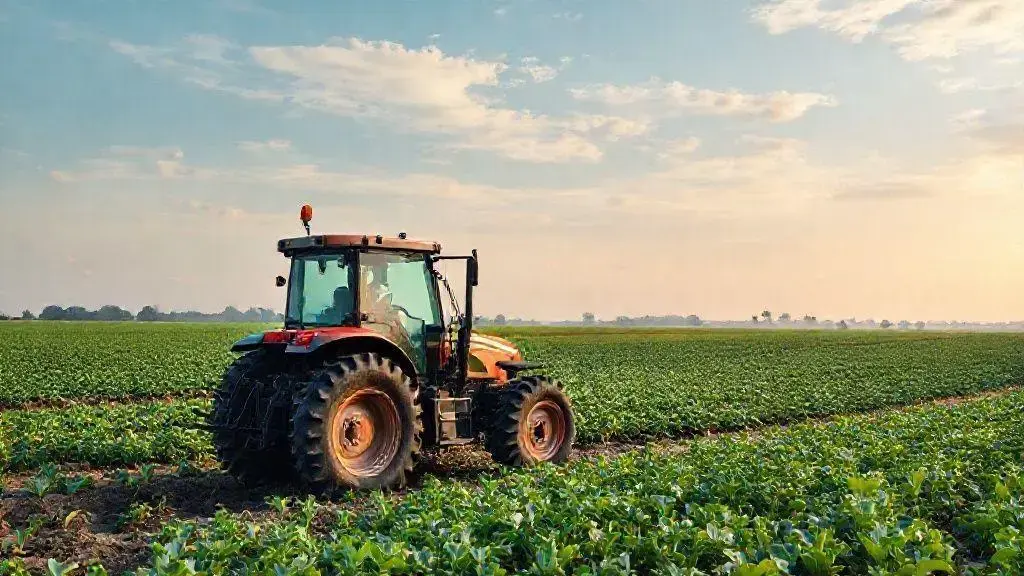
The benefits of GPS-guided tractor steering technology are transforming modern agriculture. With precision farming, farmers can achieve higher efficiency and better crop yields.
Enhanced Precision
One of the major advantages of this technology is its ability to improve accuracy in fieldwork. Farmers can navigate their tractors with pinpoint precision, ensuring that seeds and fertilizers are placed exactly where they are needed. This level of control minimizes waste and maximizes productivity.
Cost Savings
Cost savings are another significant benefit. By reducing overlaps during planting or fertilizing, farmers save on seeds and inputs. This is especially important in large fields where small overlaps can lead to wasted materials.
- Reduced labor costs
- Lower fuel consumption
- Minimal overlap in fieldwork
- Targeted fertilizer application
Additionally, the technology can help conserve resources, both in terms of material costs and environmental impact. This aligns with sustainable farming practices that many agricultural producers are eager to adopt as the demand for food grows.
Furthermore, data collection through GPS technology allows farmers to make informed decisions based on accurate data. This helps in optimizing their operations and improving overall farm management.
As farmers continue to embrace this technology, they can look forward to enhanced productivity and sustainability in their agricultural practices. Understanding the benefits of GPS-guided steering is essential for adapting to the future of farming.
How to implement GPS technology in farming
Implementing GPS technology in farming is essential for farmers looking to enhance their operations. This process may seem daunting, but with a few steps, anyone can start benefiting from this advanced technology.
Step 1: Assess Your Needs
Before you dive into the technology, it’s important to evaluate your farming operations. Determine what you want to improve. Are you looking to save on costs, minimize waste, or enhance accuracy? Defining your goals will help guide your implementation process.
Step 2: Choose the Right Equipment
There are various options for GPS-guided steering systems. Consider factors such as compatibility with your existing machinery and the specific features that will help you achieve your goals. Consult with equipment dealers to find the best systems available.
- Look for systems with accurate satellite positioning
- Select user-friendly interfaces
- Consider models that offer data logging capabilities
- Check for integration with other farm management tools
Once you’ve chosen your equipment, it’s time to install it on your tractors and other farming machines. Professional installation may be beneficial to ensure everything is set up correctly.
Step 3: Training and Education
Training is key to successfully using GPS technology. Invest time in learning how to operate the system effectively. Many manufacturers offer training sessions or user manuals. Take advantage of these resources to familiarize yourself with the technology.
In addition to operational training, make sure to explore how to analyze the data generated by the system. Understanding this data can make a significant difference in your farming decisions.
As you implement GPS technology in farming, start small. Test the system on a limited section of your field, gather data, and refine your approach before expanding its use across your entire farm. This gradual integration will help you adjust to the changes and maximize the benefits you can gain.
Future trends in tractor technology
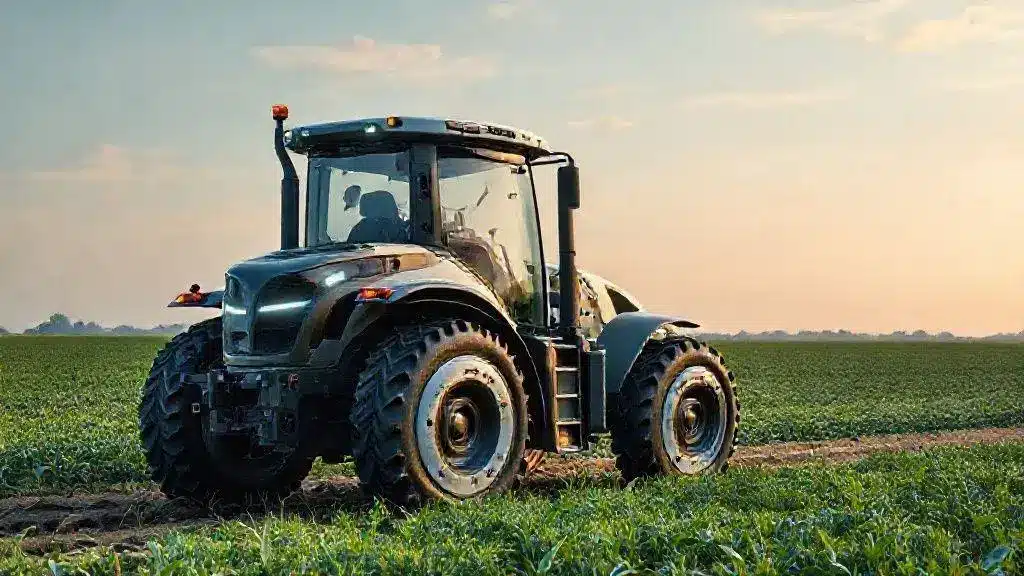
The future of tractor technology is looking bright, especially with advancements in GPS-guided systems and automation. As farmers face new challenges, innovative technologies are emerging to enhance efficiency and productivity.
Autonomous Tractors
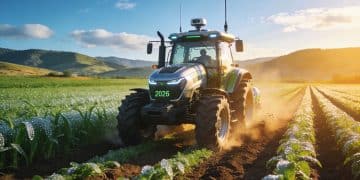
One of the most exciting trends is the development of autonomous tractors. These machines can operate without a driver, using sensors and GPS technology to navigate fields. Autonomous tractors can work long hours, reducing labor costs and increasing productivity.
Data-Driven Decision Making
Another key trend is the use of data analytics in farming. Farmers can now collect vast amounts of data from their equipment, including GPS systems. This data helps them make informed decisions, leading to better crop management and resource allocation. By analyzing this information, farmers can identify patterns that significantly increase yield.
- Predictive analytics to forecast crop performance
- Real-time monitoring of soil conditions
- Efficient resource management based on data insights
As technology continues to evolve, expect to see improved GPS accuracy and more intuitive interfaces. These advancements can help farmers implement precision farming techniques with ease. Enhanced connectivity between farm equipment will also play a significant role in streamlining operations.
Farmers will likely adopt technologies such as artificial intelligence to analyze data and optimize their farming practices. This includes software that can automatically adjust tractor settings based on environmental factors, resulting in a more efficient workflow.
Overall, the future of tractor technology will revolve around innovation, efficiency, and sustainability. Keeping up with these trends can help farmers remain competitive in the industry.
FAQ – Frequently Asked Questions about GPS-guided Tractor Technology
What are the main benefits of using GPS-guided steering technology in farming?
The main benefits include increased accuracy in field operations, reduced overlaps during planting, cost savings on seeds and inputs, and improved data collection for better decision-making.
How can farmers implement GPS technology in their operations?
Farmers can implement GPS technology by assessing their needs, selecting compatible equipment, installing it on machinery, and receiving training to maximize its use.
What is the role of autonomous tractors in modern agriculture?
Autonomous tractors operate without a driver, allowing for longer working hours, reduced labor costs, and increased efficiency in farming operations.
How does data-driven decision-making improve farming practices?
Data-driven decision-making allows farmers to analyze field data, resulting in optimized resource allocation, better crop management, and enhanced overall productivity.