AI-driven crop health monitoring: revolutionizing agriculture

Anúncios
AI-driven crop health monitoring enhances agricultural practices by providing real-time insights, early detection of issues, and optimizing resource usage, ultimately leading to improved yields and sustainable farming.
AI-driven crop health monitoring is transforming the agricultural landscape. Imagine having a tool that helps farmers identify crop diseases before they spread, ensuring healthier harvests. Curious about how this technology can change farming practices? Let’s dive in!
Anúncios
Understanding AI-driven crop health monitoring
Understanding AI-driven crop health monitoring is fundamental to recognizing how this technology enhances agriculture. This innovative method employs artificial intelligence to provide farmers with precise data about their crops. Imagine having a tool that can analyze fields and identify diseases, nutrient deficiencies, and pest infestations in real-time.
With AI, farmers can detect issues that might go unnoticed with traditional methods. Such advancements lead to timely interventions, resulting in healthier plants and better yields. Let’s look deeper into how this technology works and its benefits.
Key Features of AI-driven Crop Monitoring
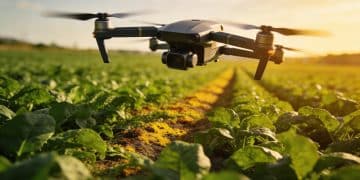
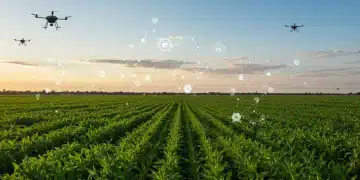
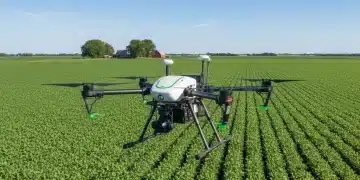
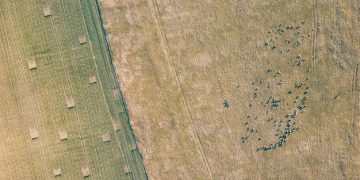
AI-driven crop health monitoring systems typically use satellite imagery, drones, and various sensors to gather data. This information is analyzed using machine learning algorithms, which offer accurate assessments of crop conditions.
Anúncios
- Real-time data collection ensures immediate attention to issues.
- Predictive analytics offer forecasts of crop health trends.
- Customizable alerts help farmers take proactive measures.
- Data visualization tools simplify analysis for better understanding.
This technology not only provides insights but also saves time and resources for farmers. Traditional farming methods often require long hours spent walking fields to check for problems. But with AI, critical data is delivered quickly, allowing farmers to focus on solutions.
Benefits of Implementing AI in Crop Monitoring
Implementing AI in crop monitoring helps optimize production. With accurate assessments, farmers can apply fertilizers and pesticides more efficiently, reducing waste.
- Increased yields due to improved crop health.
- Cost savings through targeted treatment applications.
- Better resource management leads to sustainable farming.
- Enhanced decision-making based on data-driven insights.
Moreover, using AI technologies can contribute to a more sustainable agricultural system. By monitoring crop health closely, farmers are less likely to resort to broad-spectrum pesticides, promoting environmental health.
Benefits of AI in agriculture
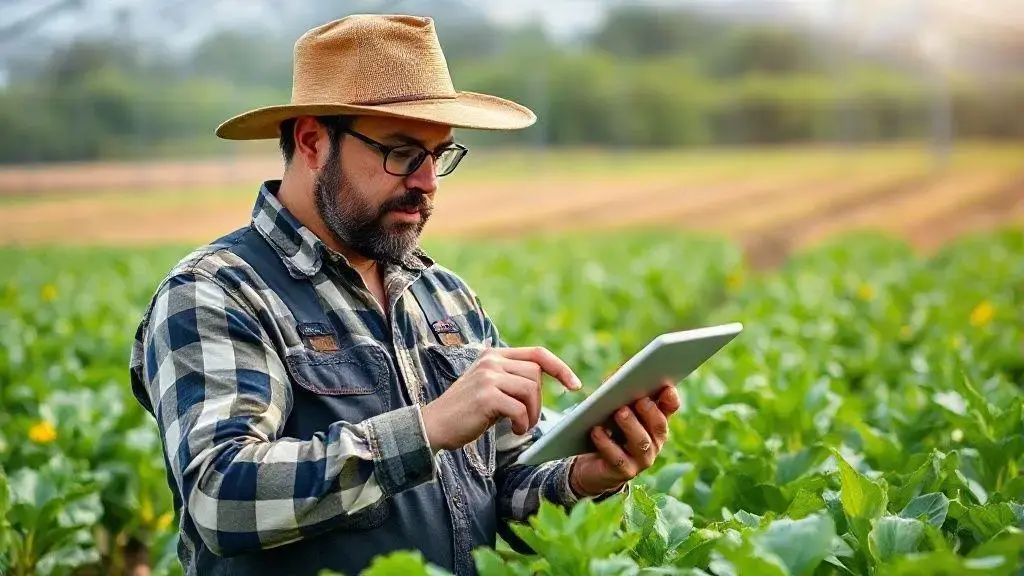
Benefits of AI in agriculture extend far beyond simple automation. By harnessing advanced technologies, farmers can enhance productivity and ensure sustainable practices. From precision farming to livestock management, AI is transforming the agricultural landscape.
One significant advantage of AI in agriculture is the ability to analyze large data sets instantly. This analysis leads to smarter decision-making that helps farmers optimize their operations. With AI, farmers can track crop health, manage resources efficiently, and predict market trends.
Improved Efficiency and Yield
AI technologies enable farmers to monitor their fields in real-time. They can identify problems like pests or diseases early, allowing for quick intervention. This not only protects crops but also boosts yields.
- Reduced labor costs through automation.
- Data-driven insights improve crop management.
- Smarter irrigation techniques save water.
- Enhanced pest control reduces chemical usage.
Moreover, AI-driven tools help farmers use fertilizers and other inputs more effectively. This targeted approach minimizes waste, promoting both economic and environmental sustainability. By doing so, farmers are not just focused on profits but also on protecting the planet.
Economic Benefits of AI
Investing in AI technology can lead to significant economic gains for farmers. As they improve their outputs, they often see lower operational costs.
- Higher profits due to increased crop productivity.
- Better resource allocation reduces expenses.
- Access to global markets boosts sales opportunities.
- Long-term sustainability attracts investment.
Ultimately, the integration of AI in agriculture is about creating a resilient food system. By leveraging data and technology, farmers can prepare for the challenges of the future while ensuring food security for all.
How AI detects crop issues early
How AI detects crop issues early is a crucial aspect of improving agricultural practices. By using advanced technologies, AI can analyze various data points to identify potential problems before they escalate. This proactive approach ensures that farmers can take timely action to protect their crops.
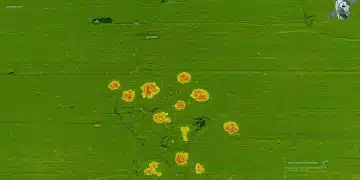
One of the main tools AI employs is imagery from drones and satellites. These devices can collect high-resolution images of fields, allowing for detailed analysis of crop health. By examining color variations and plant structures, AI algorithms can pinpoint areas that may need attention.
Techniques Used in Early Detection
AI systems utilize several techniques to detect crop issues early. These include:
- Remote sensing: Collects data from a distance, providing insights without disturbing the crops.
- Machine learning: Analyzes historical data to predict future crop conditions and identify patterns.
- Computer vision: Processes images to recognize signs of disease or pest infestations.
- Data integration: Combines information from multiple sources for a holistic view of the farm.
This early detection means that farmers can address issues like nutrient deficiencies, pests, and diseases before they cause significant damage. With timely interventions, the overall health of the crops improves, leading to higher yields.
Real-Time Monitoring Advantages
Another advantage of AI in detecting crop issues is real-time monitoring. With constant data collection, farmers can receive alerts on potential problems as soon as they arise. This constant vigilance is invaluable for maintaining optimal crop health.
Additionally, AI systems can generate predictive analytics, forecasting how issues may develop over time. This kind of insight is essential for effective resource management and ensuring that crops receive the care they need when they need it.
Ultimately, the role of AI in early detection signifies a transformative shift in agriculture, allowing for a more sustainable and efficient approach to farming.
Future trends in AI crop monitoring
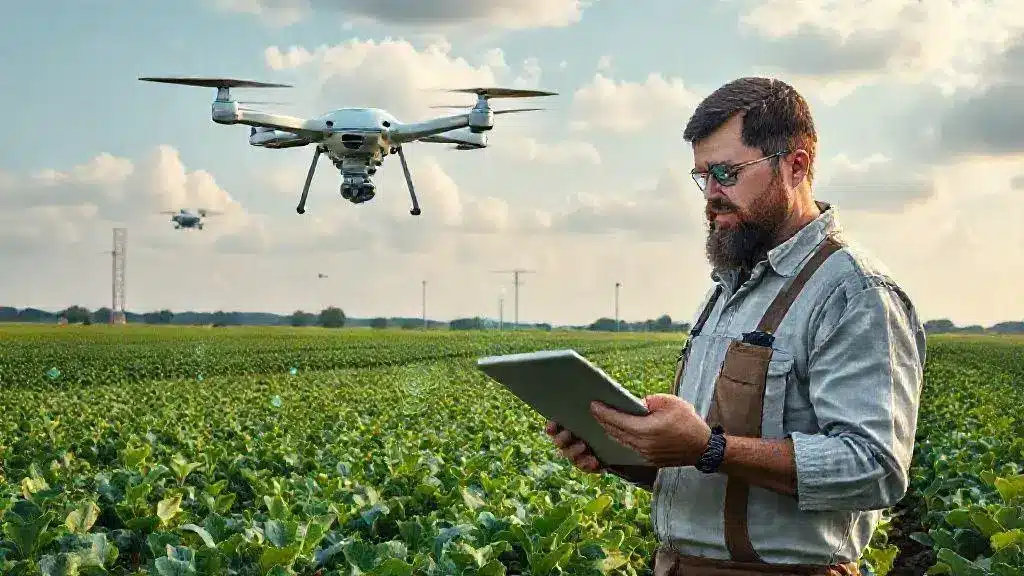
Future trends in AI crop monitoring are shaping the way agriculture operates. As technology continues to evolve, farmers will have access to more sophisticated tools that improve efficiency and sustainability. This shift will help meet the growing demands for food and environmental conservation.
One key trend is the increased use of precision agriculture. Farmers are adopting technologies that allow for data-driven decisions. These tools collect information on soil health, weather patterns, and crop performance, enabling farmers to tailor their practices to specific conditions.
Advancements in Sensor Technology
New sensor technologies will play a major role in the future of crop monitoring. With sensors placed throughout the fields, farmers can gather real-time data about plant health. These sensors can detect moisture levels, nutrient deficiencies, and disease symptoms.
- Wearable sensors: Devices for livestock that monitor health and location.
- Irrigation sensors: To optimize water use based on plant needs.
- Soil sensors: That analyze nutrient content and inform fertilization schedules.
These advancements mean that farmers will become more proactive in their crop management. Having immediate access to information allows for quicker responses to potential problems.
Integration of Artificial Intelligence and Blockchain
Another emerging trend is the integration of AI with blockchain technology. This combination can enhance traceability in the food supply chain. By ensuring that all products are tracked from farm to table, consumers can have greater confidence in the quality of their food.
Blockchain can provide proof of origin and certify that crops were grown sustainably. This transparency is crucial in attracting environmentally conscious consumers who prioritize ethical sourcing.
Moreover, AI systems will continue to improve in accuracy and efficiency, allowing farmers to make better predictions about crop yields and market demands. As the technology advances, farmers who embrace these systems will likely have a competitive advantage.
FAQ – Frequently Asked Questions about AI-driven Crop Health Monitoring
What are the main benefits of AI in agriculture?
AI helps farmers improve efficiency, increase yields, and practice sustainable farming by providing real-time insights into crop health.
How does AI detect crop issues early?
AI uses data from drones, sensors, and machine learning to identify problems such as pests and diseases before they escalate.
What future trends should farmers watch for in AI crop monitoring?
Farmers should look out for advancements in sensor technology, precision agriculture, and the integration of AI with blockchain for better traceability.
How can AI contribute to sustainable farming practices?
By optimizing resource usage and reducing chemical application, AI promotes practices that are better for the environment and improve overall farm health.