The ROI of Robotic Harvesters: A 5-Year Projection for Small to Medium-Sized US Farms
The agricultural landscape is undergoing a profound transformation, driven by technological advancements aimed at increasing efficiency, reducing labor costs, and enhancing sustainability. Among these innovations, robotic harvesters ROI stands out as a game-changer, particularly for small to medium-sized farms in the United States. While the initial investment might seem daunting, a closer look at the long-term financial implications reveals a compelling case for adoption. This comprehensive analysis will delve into a 5-year projection, examining the costs, benefits, and critical factors influencing the return on investment for robotic harvesters on US farms.
For generations, harvesting has been one of the most labor-intensive and costly aspects of farming. The reliance on seasonal labor, coupled with rising wages and increasing regulatory complexities, has put immense pressure on farm profitability. Robotic harvesters offer a potential solution, promising to automate this critical process, improve consistency, and open new avenues for growth. But what does this mean for the bottom line? Is the promise of advanced automation a viable reality for the backbone of American agriculture – its small and medium-sized farms?
Anúncios
Understanding the Initial Investment in Robotic Harvesters
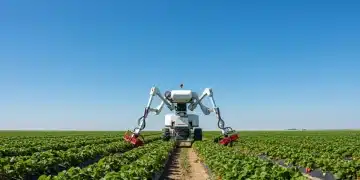
The first step in calculating the robotic harvesters ROI is to understand the upfront costs. These machines are sophisticated pieces of engineering, and their price tags reflect that. For small to medium-sized farms, the cost of a single robotic harvester can range from $150,000 to over $500,000, depending on the crop it’s designed to harvest, its capabilities (e.g., fruit recognition, delicate handling, speed), and the manufacturer. This figure often includes the base unit, specialized attachments, software licenses, and initial training for farm staff.
Factors Influencing Initial Cost:
- Crop Type: Harvesters for delicate crops like strawberries or tomatoes often cost more due to the precision required.
- Automation Level: Fully autonomous systems with advanced AI for decision-making will be pricier than semi-autonomous models.
- Brand and Features: Different manufacturers offer varying levels of technology and support, impacting the price.
- Ancillary Equipment: This might include charging stations, specialized transport vehicles, or data integration systems.
Beyond the sticker price, farms must also consider installation costs, which can involve preparing fields for optimal robot operation (e.g., ensuring consistent row spacing, leveling terrain). While these initial costs are substantial, it’s crucial to view them as a long-term investment rather than a short-term expense. Government grants, agricultural loans, and leasing options can help mitigate the immediate financial burden, making these technologies more accessible to a wider range of farms. Understanding these initial capital outlays is foundational to accurately projecting the robotic harvesters ROI over a five-year period.
Anúncios
Operational Costs and Savings: A Detailed Breakdown
Once the initial investment is made, the focus shifts to operational costs and, more importantly, the savings generated by robotic harvesters. These savings are the primary drivers of a positive robotic harvesters ROI.
Labor Cost Reduction: The Most Significant Impact
This is arguably the most compelling advantage. Manual harvesting is incredibly labor-intensive, and labor costs can account for a significant portion of a farm’s operating budget. Robotic harvesters can operate for extended periods, often 24/7, with minimal human supervision. This reduces the need for large seasonal workforces, lowering wages, benefits, housing, and recruitment expenses.
- Direct Labor Savings: Eliminating or significantly reducing the number of human pickers.
- Reduced Overtime: Robots don’t require overtime pay for extended shifts.
- Lower Recruitment and Training Costs: Less need to find and train seasonal workers.
- Improved Labor Management: Fewer human resources issues and administrative overhead.
While some human oversight and maintenance are still required, the overall reduction in labor expenditure is substantial. For a small to medium-sized farm, this can translate to savings of tens of thousands, or even hundreds of thousands, of dollars annually, directly influencing the speed at which the robotic harvesters ROI is realized.
Maintenance and Energy Costs: New Considerations
Of course, robots aren’t entirely free to operate. They require maintenance, spare parts, and energy. However, these costs are often predictable and, in many cases, lower than the equivalent costs of a human workforce.
- Energy Consumption: Most robotic harvesters are electric, requiring charging. The cost depends on electricity rates and hours of operation.
- Preventative Maintenance: Regular servicing is crucial to ensure longevity and optimal performance. This can involve software updates, sensor calibration, and mechanical checks.
- Parts Replacement: Wear and tear will necessitate replacing components over time.
- Specialized Technicians: Farms may need to invest in training existing staff or hiring specialized technicians for complex repairs, though many manufacturers offer service contracts.
Compared to the unpredictable nature of human labor availability and its associated costs, the operational expenses of robotic harvesters are often more stable and easier to budget for, contributing positively to the overall robotic harvesters ROI calculation.
Enhanced Productivity and Yield: Boosting Revenue
The financial benefits of robotic harvesters extend beyond cost savings. They also significantly impact revenue generation through increased productivity and improved yield quality. These factors are crucial for a robust robotic harvesters ROI.
Consistent and Faster Harvesting
Robots don’t tire. They can work continuously, day and night, in conditions that might be unsuitable for human workers (e.g., extreme heat). This allows for faster harvesting cycles, ensuring that crops are picked at their optimal ripeness, which can lead to higher market prices and reduced spoilage.
- 24/7 Operation: Maximizes harvest windows and reduces reliance on daylight hours.
- Consistent Speed: Maintains a steady pace, unlike human workers whose efficiency can fluctuate.
- Timely Harvest: Ensures crops are picked at peak ripeness, improving quality and market value.
Reduced Crop Damage and Increased Quality
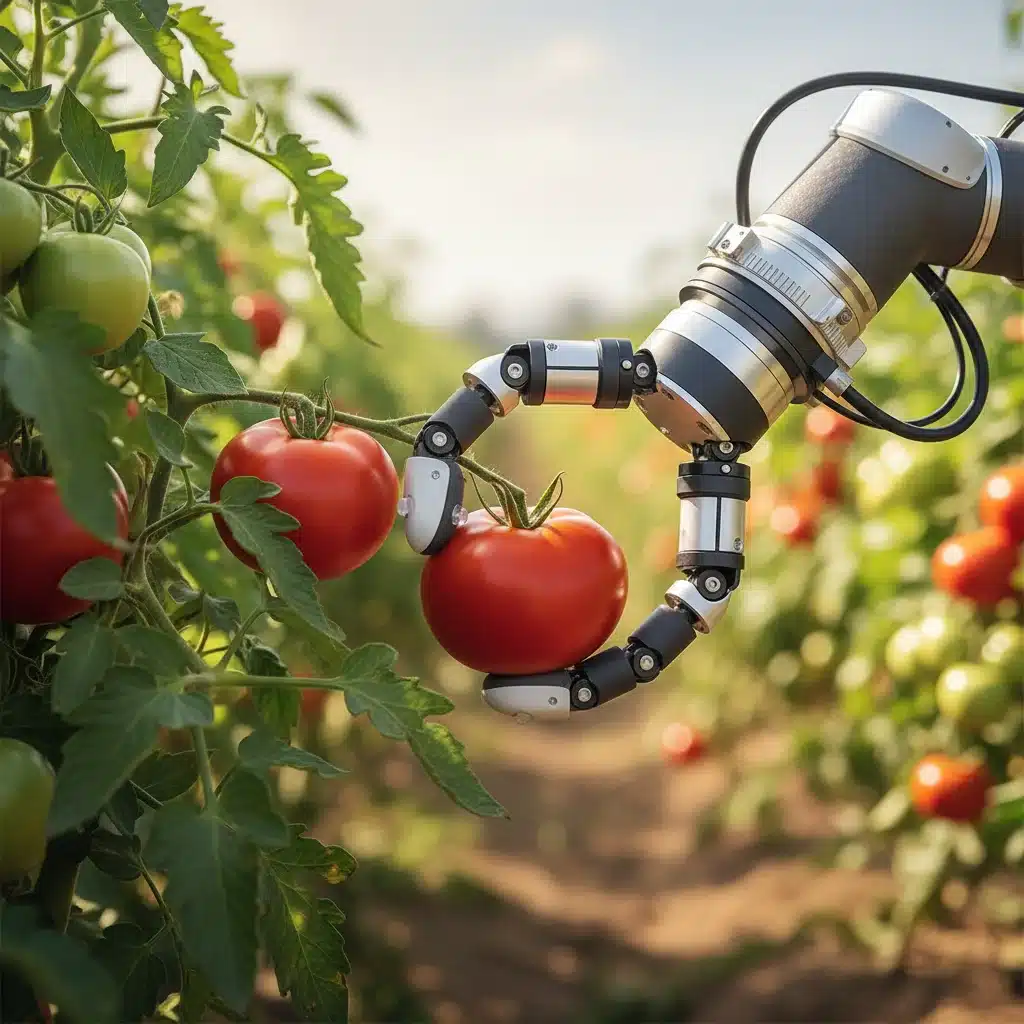
Modern robotic harvesters are equipped with advanced sensors and AI-driven vision systems that allow them to identify ripe produce with remarkable accuracy and handle it with extreme delicacy. This precision minimizes crop damage during harvesting, a common issue with manual labor, especially with inexperienced workers. Less damage means a higher percentage of marketable produce and potentially premium pricing.
- Precision Picking: Reduces bruising and damage to delicate fruits and vegetables.
- Selective Harvesting: Robots can identify and pick only ripe produce, leaving unripe items to mature.
- Improved Grade-Out: Higher quality produce leads to better prices and less waste.
Data Collection and Optimization
Many robotic harvesters are integrated with data collection systems, providing valuable insights into field conditions, yield patterns, and crop health. This data can be used for precision agriculture, optimizing future planting, irrigation, and fertilization strategies, further enhancing overall farm efficiency and profitability. This data-driven approach significantly contributes to maximizing the robotic harvesters ROI by enabling continuous improvement.
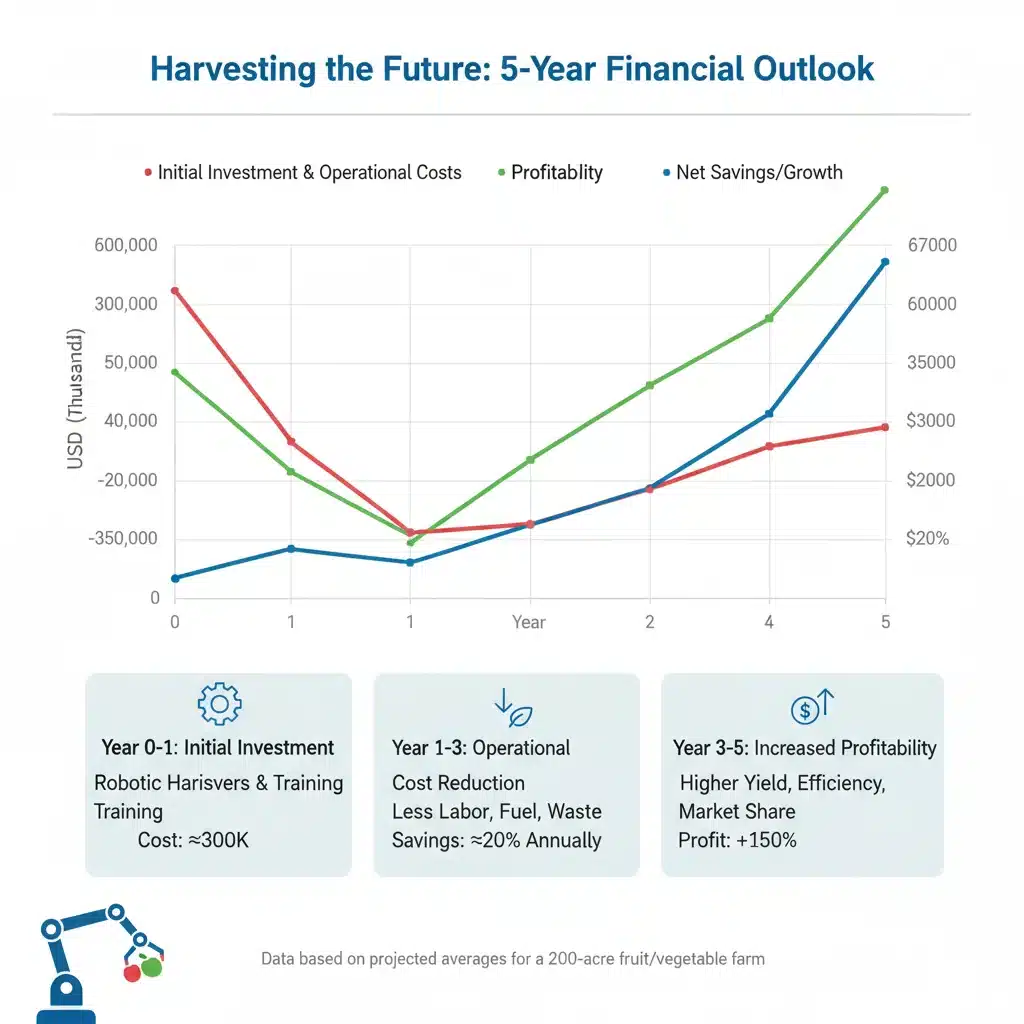
The 5-Year ROI Projection: A Scenario Analysis
Let’s construct a hypothetical 5-year projection for a small to medium-sized US farm, focusing on a high-value crop like berries or specialty vegetables, to illustrate the potential robotic harvesters ROI.
Assumptions for Our Scenario:
- Farm Size: 50 acres dedicated to a high-value crop.
- Initial Investment: $300,000 for one robotic harvester, including setup and training.
- Annual Labor Cost (Manual): $150,000 (for picking only, assuming 10-15 seasonal workers).
- Annual Operational Cost (Robot): $25,000 (energy, maintenance, software, technician oversight).
- Yield Increase/Quality Improvement: 10% increase in marketable yield due to reduced damage and optimal picking.
- Average Crop Price: $2.00 per pound.
- Annual Production (Manual): 200,000 pounds.
- Depreciation: Straight-line over 10 years.
Year 1: Initial Investment and Early Savings
In the first year, the farm incurs the full capital expenditure. However, labor savings begin immediately.
- Capital Outlay: -$300,000
- Labor Savings: +$125,000 (reducing $150k manual labor to $25k for human oversight/support)
- Operational Costs (Robot): -$25,000
- Increased Revenue (Yield/Quality): +$40,000 (10% of 200,000 lbs * $2.00/lb)
- Net Impact Year 1: -$160,000
As expected, Year 1 shows a negative net impact due to the significant upfront cost. The payback period for robotic harvesters ROI typically extends beyond the first year.
Year 2: Continued Savings and Growing Benefits
With the initial investment behind, the positive cash flow from savings and increased revenue becomes more apparent.
- Labor Savings: +$125,000
- Operational Costs (Robot): -$25,000
- Increased Revenue: +$40,000
- Net Impact Year 2: +$140,000
- Cumulative Net Impact: -$160,000 + $140,000 = -$20,000
By the end of Year 2, the farm is nearing its break-even point, indicating a strong trajectory for robotic harvesters ROI.
Year 3: Break-Even Point and Positive ROI
This is often the year where the investment begins to pay off significantly.
- Labor Savings: +$125,000
- Operational Costs (Robot): -$25,000
- Increased Revenue: +$40,000
- Net Impact Year 3: +$140,000
- Cumulative Net Impact: -$20,000 + $140,000 = +$120,000
At the end of Year 3, the farm has not only recouped its initial investment but is now generating a positive return. This demonstrates the power of consistent savings and revenue growth in achieving a strong robotic harvesters ROI.
Year 4 & 5: Accelerating Profitability
Subsequent years continue the trend of increasing profitability, with the initial investment fully amortized and the benefits compounding.
- Net Impact Year 4: +$140,000
- Cumulative Net Impact: +$120,000 + $140,000 = +$260,000
- Net Impact Year 5: +$140,000
- Cumulative Net Impact: +$260,000 + $140,000 = +$400,000
Within five years, this hypothetical farm has seen a cumulative net positive impact of $400,000 from its $300,000 investment, representing a substantial robotic harvesters ROI. This projection does not even include potential further benefits like reduced insurance costs, improved worker safety, or the intangible value of being at the forefront of agricultural innovation.
Beyond the Numbers: Intangible Benefits and Risks
While the financial projection for robotic harvesters ROI is compelling, it’s essential to consider the qualitative benefits and potential risks associated with this technology.
Intangible Benefits:
- Reduced Reliance on Seasonal Labor: Provides stability and predictability in operations.
- Improved Worker Safety: Removes humans from repetitive, strenuous, or hazardous tasks.
- Attracting a New Generation of Farmers: Modern technology can make farming more appealing to younger, tech-savvy individuals.
- Enhanced Sustainability: Precision harvesting can reduce waste and optimize resource use.
- Market Differentiation: Farms using advanced tech can market their produce as sustainably and precisely harvested.
- Resilience to External Shocks: Less vulnerable to labor shortages caused by pandemics, immigration policy changes, or other unforeseen events.
Potential Risks and Challenges:
- High Initial Capital Outlay: A significant barrier for many small farms, despite potential ROI.
- Technological Obsolescence: Rapid advancements mean today’s cutting-edge tech could be outdated in a few years.
- Maintenance Expertise: Requires specialized technical skills that might not be readily available in rural areas.
- Adaptation to Farm Conditions: Robots need specific field conditions (e.g., flat terrain, consistent row spacing) that might require farm modifications.
- Software Glitches and Downtime: Any technical malfunction can lead to significant harvest delays.
- Integration with Existing Systems: Compatibility with current farm management software and equipment can be a challenge.
Mitigating these risks involves thorough research, choosing reputable manufacturers with strong support networks, investing in staff training, and potentially starting with smaller-scale adoption to gain experience. A comprehensive understanding of both the tangible and intangible aspects is vital for a realistic assessment of robotic harvesters ROI.
Government Support and Future Outlook
The adoption of robotic harvesters is not just a private farm initiative; it’s increasingly supported by government programs and agricultural organizations. Recognizing the strategic importance of agricultural automation for food security and economic competitiveness, various grants, subsidies, and low-interest loan programs are emerging to help farms overcome the initial financial hurdles.
Support Mechanisms:
- USDA Grants: Programs focused on innovation and sustainable agriculture can provide funding for technology adoption.
- State-Level Incentives: Many states offer tax credits or grants for agricultural technology investments.
- Research and Development Partnerships: Collaborations between farms, universities, and tech companies can drive down costs and improve technology.
The future outlook for robotic harvesters is incredibly promising. As technology continues to evolve, robots will become even more versatile, efficient, and affordable. We can expect to see:
- Increased Versatility: Robots capable of harvesting a wider range of crops.
- Enhanced AI and Machine Learning: Improving decision-making, fault detection, and predictive maintenance.
- Modular Designs: Allowing farms to customize and upgrade components more easily.
- Robotics-as-a-Service (RaaS): A potential business model where farms lease robots, reducing the upfront capital burden.
- Improved Energy Efficiency: Longer battery life and faster charging.
These advancements will only strengthen the case for robotic harvesters ROI, making them an increasingly indispensable tool for modern agriculture. Small and medium-sized farms, often the innovators and early adopters in niche markets, stand to gain significantly from these developments, securing their future in a competitive global market.
Conclusion: A Strategic Investment for the Future of Farming
The decision to invest in robotic harvesters is a significant one for any small to medium-sized US farm. However, as our 5-year projection illustrates, the financial benefits, primarily driven by substantial labor cost reductions and enhanced productivity, can lead to a compelling and positive robotic harvesters ROI. While the initial capital outlay is considerable, the cumulative net positive impact over half a decade demonstrates that these machines are not merely an expense but a strategic investment in the long-term viability and profitability of the farm.
Beyond the direct financial returns, the intangible benefits – such as reduced reliance on unpredictable labor, improved crop quality, increased operational consistency, and a stronger position against market fluctuations – add significant value that is difficult to quantify but crucial for sustainable growth. As technology advances and support mechanisms expand, the accessibility and effectiveness of robotic harvesters will only improve, solidifying their role as a cornerstone of modern, efficient, and resilient agricultural practices.
For US farms looking to thrive in the 21st century, embracing automation through robotic harvesters is not just about keeping up; it’s about leading the way towards a more productive, sustainable, and financially secure future. Evaluating the robotic harvesters ROI is no longer a theoretical exercise but a practical necessity for forward-thinking farm owners.