Boosting Soil Health: US Agriculture’s Carbon Sequestration Drive 2026
Anúncios
US Agriculture’s Transformative Journey: New Policy Incentives and Best Practices for Carbon Sequestration in 2026
The imperative to address climate change has never been more urgent, and agriculture, often seen as a significant contributor to greenhouse gas emissions, is now poised to become a powerful solution. In the United States, the agricultural sector is undergoing a profound transformation, driven by innovative policies and a growing understanding of the critical role soil plays in mitigating climate change. This article delves into the exciting landscape of agricultural carbon sequestration in 2026, exploring the new policy incentives, cutting-edge best practices, and the ambitious goal of boosting soil health by 15% across the nation.
Anúncios
For too long, the narrative around agriculture and climate has focused on its footprint. However, a paradigm shift is underway, recognizing the immense potential of agricultural lands to draw down and store atmospheric carbon dioxide. This process, known as carbon sequestration, is not just an environmental benefit; it’s a cornerstone of enhanced soil health, increased farm resilience, and long-term sustainability. The year 2026 marks a pivotal moment, with a concerted national effort to accelerate these practices and realize their full potential.
Understanding Agricultural Carbon Sequestration: The Foundation of a Greener Future
At its core, agricultural carbon sequestration is the process by which atmospheric carbon dioxide is absorbed by plants through photosynthesis and stored in the soil as organic matter. This natural process is amplified through specific farming practices that encourage greater carbon uptake and retention. The benefits extend far beyond climate mitigation, encompassing improved water retention, enhanced nutrient cycling, reduced erosion, and increased biodiversity. For farmers, this translates to more productive and resilient land, often leading to better yields and reduced input costs.
The Science Behind Soil Carbon
Soil organic carbon (SOC) is a vital component of healthy soil. It acts as a sponge, holding water and nutrients, and provides the energy source for a thriving microbial community. When plants photosynthesize, they convert atmospheric CO2 into organic compounds. A significant portion of these compounds is then transferred to the soil through root exudates and the decomposition of plant residues. Practices that minimize soil disturbance and maximize plant growth tend to increase SOC levels. The goal of boosting soil health by 15% by 2026 is directly tied to increasing these critical carbon stores, leading to a cascade of positive environmental and economic outcomes.
Anúncios
New Policy Incentives for Agricultural Carbon Sequestration in 2026
The year 2026 is characterized by a robust framework of federal and state-level incentives designed to encourage widespread adoption of carbon-sequestering practices. These policies recognize that transitioning to more sustainable farming methods often requires initial investment and a learning curve. Therefore, a multi-pronged approach is being implemented to support farmers through this transition.
Federal Programs and Funding Initiatives
The U.S. Department of Agriculture (USDA) is at the forefront of these efforts, expanding existing programs and introducing new ones. Key initiatives include:
- Conservation Reserve Program (CRP) Enhancements: While CRP traditionally focuses on setting aside environmentally sensitive land, new provisions in 2026 specifically incentivize practices that maximize carbon sequestration on enrolled lands, such as permanent vegetative cover and tree planting.
- Environmental Quality Incentives Program (EQIP) and Conservation Stewardship Program (CSP) Restructuring: EQIP and CSP, long-standing pillars of conservation, are being reoriented to prioritize and provide higher payment rates for practices with demonstrable carbon sequestration benefits. This includes practices like no-till farming, cover cropping, and agroforestry.
- Carbon Credit Market Facilitation: The federal government is actively working to standardize and streamline access to voluntary carbon markets for farmers. This involves developing robust measurement, reporting, and verification (MRV) protocols, reducing transaction costs, and ensuring fair compensation for sequestered carbon. New digital platforms are emerging to connect farmers directly with buyers of carbon credits.
- Research and Development Grants: Significant federal funding is being allocated to research institutions and agricultural universities to further refine carbon sequestration techniques, develop new crop varieties optimized for carbon capture, and improve monitoring technologies.
- Tax Credits for Sustainable Equipment: To encourage the adoption of equipment that supports carbon-friendly practices (e.g., no-till planters, precision agriculture tools), new tax credits are available for farmers investing in these technologies.
State and Local Initiatives
Complementing federal efforts, many states are implementing their own programs, often tailored to regional agricultural landscapes and specific environmental challenges. These can include:
- State-level Cost-Share Programs: Many states offer financial assistance to farmers for implementing practices like cover cropping, riparian buffers, and nutrient management plans that enhance agricultural carbon sequestration.
- Technical Assistance and Extension Services: State extension offices are receiving increased funding to provide hands-on training, workshops, and individualized consultation to farmers interested in adopting carbon farming practices.
- Soil Health Districts: The creation of specialized soil health districts or conservation districts with a strong focus on carbon sequestration is becoming more prevalent, fostering local communities of practice and resource sharing.
- Public-Private Partnerships: Innovative partnerships between state governments, environmental organizations, and private industry are emerging to pool resources and expertise, accelerating the adoption of sustainable practices.
Best Practices for Boosting Soil Health and Agricultural Carbon Sequestration
Achieving the 15% increase in soil health by 2026 requires widespread adoption of proven best practices. These methods are not new but are gaining renewed emphasis and scientific backing for their carbon sequestration potential. Farmers are increasingly integrating these practices into holistic regenerative agricultural systems.
1. No-Till and Reduced Tillage Farming
Perhaps one of the most impactful practices for agricultural carbon sequestration is minimizing soil disturbance. Conventional tillage breaks up soil aggregates, exposing organic matter to oxygen and accelerating its decomposition, releasing CO2 into the atmosphere. No-till farming, where crops are planted directly into undisturbed soil, preserves soil structure, increases organic matter, and significantly reduces carbon emissions. Reduced tillage offers a compromise, still disturbing the soil less than traditional methods.
- Benefits: Increased soil organic carbon, improved water infiltration, reduced erosion, lower fuel consumption, enhanced microbial activity.
- Challenges: Requires specialized equipment, potential for initial weed management adjustments.
2. Cover Cropping
Planting non-cash crops (cover crops) between main cash crops is a powerful strategy for year-round carbon capture. Cover crops keep living roots in the ground, continuously photosynthesizing and transferring carbon to the soil. They also suppress weeds, prevent erosion, improve nutrient cycling, and add biomass to the soil when terminated.

- Benefits: Significant increase in soil organic carbon, reduced nutrient leaching, improved soil structure, enhanced biodiversity.
- Challenges: Seed costs, timing of planting and termination, potential for competition with cash crops if not managed properly.
3. Diversified Crop Rotations
Moving beyond monoculture to include a greater diversity of crops in rotation can profoundly impact soil health and carbon sequestration. Different crops have varying root structures and nutrient demands, contributing to a more robust and resilient soil ecosystem. Incorporating legumes, for example, can add nitrogen to the soil, reducing the need for synthetic fertilizers, which have a high carbon footprint.
- Benefits: Improved soil fertility, reduced pest and disease pressure, enhanced microbial diversity, increased carbon input from diverse biomass.
- Challenges: Requires careful planning and market considerations for diverse crops.
4. Optimized Nutrient Management
Synthetic nitrogen fertilizers are a major source of nitrous oxide (N2O), a potent greenhouse gas. Precision nutrient management, including soil testing, variable-rate application, and the use of organic amendments like compost and manure, can significantly reduce N2O emissions while maintaining or improving yields. This also contributes to increased soil organic matter, further enhancing agricultural carbon sequestration.
- Benefits: Reduced greenhouse gas emissions, improved water quality, lower input costs, enhanced soil fertility.
- Challenges: Requires accurate soil testing and sometimes specialized application equipment.
5. Agroforestry and Silvopasture
Integrating trees and shrubs into agricultural landscapes (agroforestry) or pastures (silvopasture) offers immense potential for long-term carbon storage. Trees sequester large amounts of carbon both above and below ground, provide shade for livestock, reduce wind erosion, and can offer additional income streams (e.g., fruit, nuts, timber).
- Benefits: Substantial long-term carbon sequestration, increased biodiversity, improved animal welfare, reduced erosion.
- Challenges: Long-term planning, initial establishment costs, management of tree-crop/forage interactions.
6. Enhanced Grazing Management
For livestock operations, implementing rotational or adaptive multi-paddock grazing can dramatically improve pasture health and soil carbon. By allowing pastures to fully recover between grazing periods, plants develop deeper root systems, leading to greater carbon sequestration and increased forage production. This also improves soil structure and water infiltration.
- Benefits: Increased soil organic carbon, improved pasture productivity, enhanced biodiversity, better water retention.
- Challenges: Requires careful planning and management of livestock movement.
Measuring and Verifying Carbon Sequestration
A critical component of the 2026 strategy is the development of robust and accessible methods for measuring, reporting, and verifying (MRV) carbon sequestration. This is essential for building trust in carbon markets and demonstrating tangible progress towards soil health goals. Advances in technology are playing a crucial role.
Technological Advancements in MRV
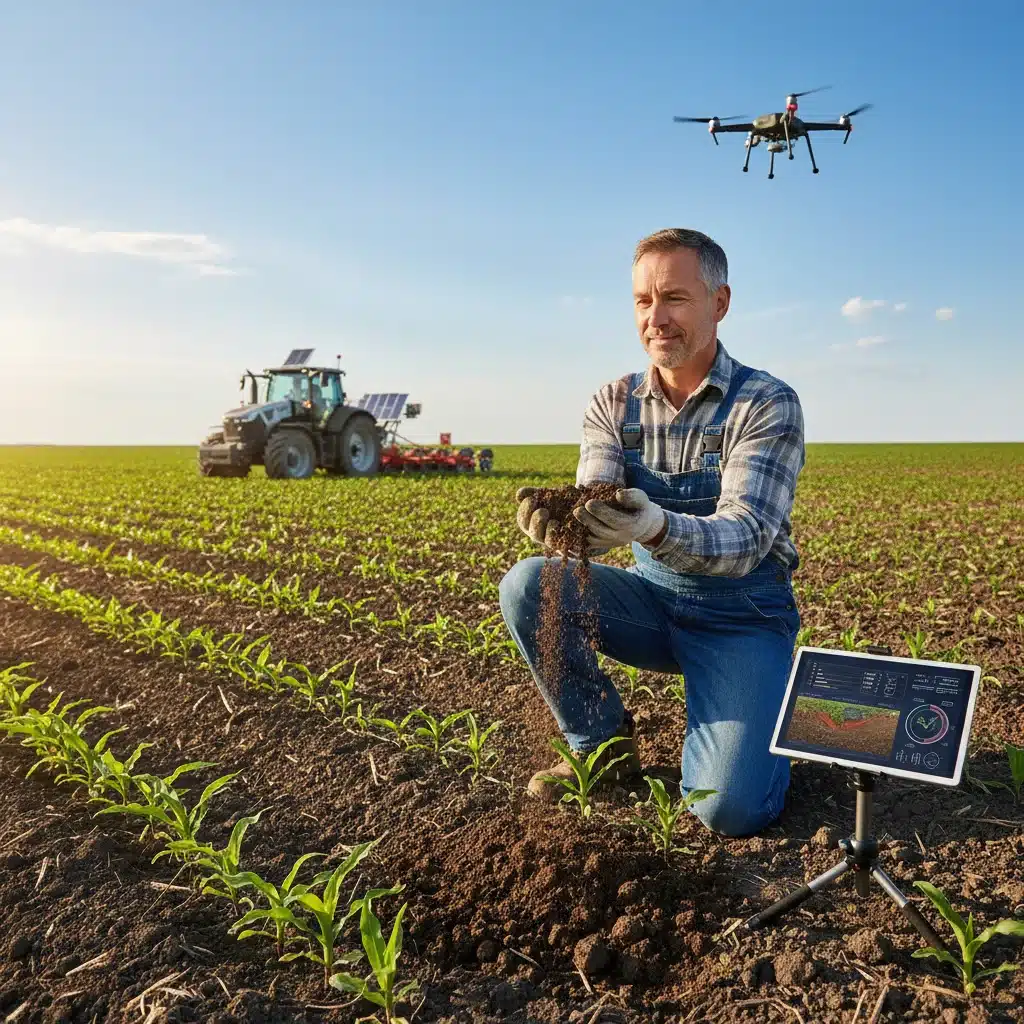
- Remote Sensing and Satellite Imagery: High-resolution satellite data and drone technology are being used to monitor changes in vegetation cover, biomass, and even infer soil organic carbon levels over large areas.
- Soil Sampling and Analysis: While traditional soil sampling remains foundational, new analytical techniques are making it more cost-effective and accurate to measure soil carbon.
- AI and Machine Learning: Artificial intelligence is being deployed to process vast datasets from remote sensing, soil samples, and farm management records to predict and quantify carbon sequestration more precisely.
- Blockchain Technology: Some carbon market platforms are exploring blockchain to ensure transparency and traceability of carbon credits, building confidence among buyers and sellers.
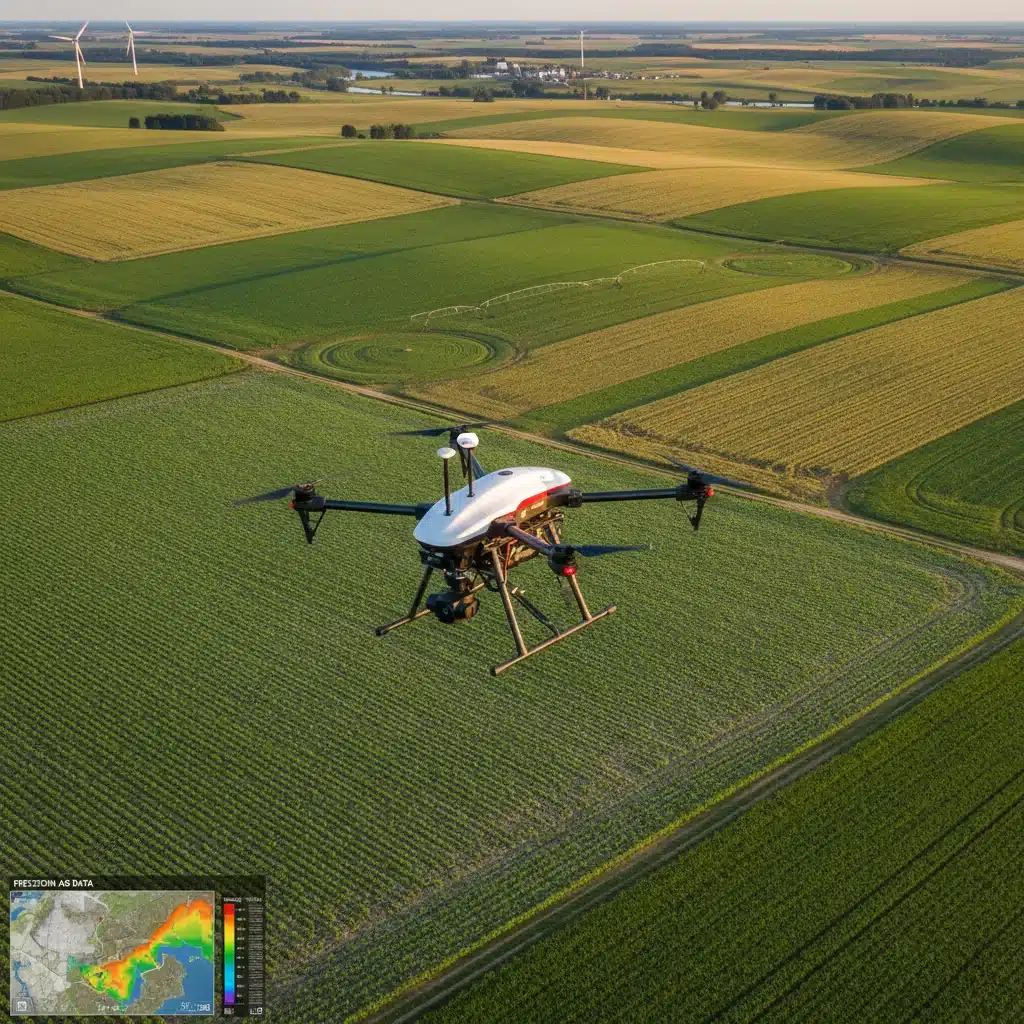
Farmer-Friendly MRV Tools
Recognizing the need for practical solutions, efforts are underway to provide farmers with user-friendly tools that integrate with existing farm management software. These tools can help farmers track their practices, estimate carbon benefits, and prepare for participation in carbon markets. The goal is to make MRV less burdensome and more integrated into daily farm operations, fostering greater participation in agricultural carbon sequestration initiatives.
The Economic and Environmental Impact of Boosting Soil Health by 15%
The target of increasing soil health by 15% by 2026 is not an arbitrary number; it represents a significant step towards a more resilient and sustainable agricultural system. The ripple effects of this achievement will be profound, benefiting both farmers and the wider society.
Benefits for Farmers
- Increased Yield Stability: Healthier soils are more resilient to extreme weather events, such as droughts and heavy rainfall, leading to more stable and predictable yields.
- Reduced Input Costs: Improved nutrient cycling and water retention can significantly reduce the need for synthetic fertilizers and irrigation, lowering operational expenses.
- New Revenue Streams: Participation in carbon markets offers a direct financial incentive for sequestering carbon, providing farmers with an additional income source.
- Enhanced Land Value: Land with high soil organic matter and demonstrated sustainable practices may command higher value in the market.
- Improved Farm Resilience: A biodiverse and healthy soil ecosystem is better equipped to resist pests and diseases, reducing reliance on chemical interventions.
Wider Environmental Benefits
- Significant Climate Change Mitigation: Widespread agricultural carbon sequestration can play a crucial role in reducing atmospheric CO2 concentrations, helping the US meet its climate targets.
- Improved Water Quality: Reduced erosion and nutrient runoff protect waterways from pollution, benefiting aquatic ecosystems and human health.
- Enhanced Biodiversity: Healthy soils support a diverse array of microbial life, insects, and other organisms, contributing to overall ecosystem health.
- Better Water Resource Management: Soils with higher organic matter act as natural sponges, improving water infiltration and reducing the need for irrigation, especially in drought-prone regions.
- Reduced Air Pollution: Less reliance on synthetic fertilizers and reduced tillage can lead to fewer emissions of greenhouse gases and particulate matter associated with agricultural operations.
Challenges and Future Outlook for Agricultural Carbon Sequestration
While the momentum for agricultural carbon sequestration is strong, challenges remain. These include the variability of soil types and climates across the US, the need for continuous farmer education and technical support, and ensuring the long-term permanence of sequestered carbon.
Overcoming Hurdles
- Education and Outreach: Continued investment in farmer education and extension services is crucial to disseminate best practices and address individual farm-specific challenges.
- Long-Term Commitment: Carbon sequestration is a long-term endeavor. Policies and incentives need to be stable and predictable to encourage sustained adoption of practices.
- Scientific Research: Ongoing research is vital to refine measurement techniques, understand regional variations in carbon sequestration potential, and develop new, more effective practices.
- Market Development: Further development of robust, transparent, and equitable carbon markets is essential to provide consistent financial incentives for farmers.
Looking ahead to 2026 and beyond, the future of US agriculture is inextricably linked to its role in climate solutions. The concerted effort to incentivize and implement agricultural carbon sequestration practices represents a transformative shift, moving towards a system that not only feeds the nation but also heals the planet. The target of a 15% increase in soil health is an ambitious yet achievable goal, setting a precedent for global agricultural sustainability.
Conclusion: A New Era for US Agriculture
The year 2026 stands as a landmark in the journey towards sustainable agriculture in the United States. With a robust suite of new policy incentives, a growing body of best practices, and significant advancements in measurement technologies, the stage is set for widespread adoption of agricultural carbon sequestration. Farmers are increasingly recognized as key stewards of the land, with the power to sequester carbon, enhance soil health, and build a more resilient food system. This shift is not merely about environmental compliance; it’s about fostering economic prosperity, safeguarding natural resources, and ensuring the long-term viability of agriculture for generations to come. The collective commitment to boosting soil health by 15% is a testament to a shared vision for a greener, more sustainable future, proving that what’s good for the soil is good for us all.
Embracing these practices means investing in the very foundation of our food security and ecological well-being. As the science evolves and policies adapt, the agricultural sector will continue to innovate, demonstrating its profound capacity to be a leading force in the global fight against climate change. The journey of agricultural carbon sequestration is a journey of hope, resilience, and a renewed commitment to the earth.