Alternative Protein Market: 10% US Growth by 2026 – A Deep Dive

Anúncios
The global food landscape is undergoing a profound transformation, driven by an increasing awareness of health, environmental sustainability, and ethical concerns surrounding traditional animal agriculture. At the forefront of this revolution is the burgeoning alternative protein market, a sector that is not only growing at an unprecedented pace but is also poised to fundamentally reshape our dietary habits. Recent projections indicate a remarkable trajectory for alternative proteins, with forecasts suggesting a substantial 10% increase in market share within the United States alone by 2026. This isn’t merely a trend; it’s a paradigm shift, signaling a future where diverse and innovative protein sources play an increasingly vital role in our food systems.
This comprehensive article will delve into the multifaceted dynamics of the alternative protein market, exploring the key factors propelling its rapid expansion, the innovative technologies driving its evolution, and the inherent challenges that must be navigated for sustained growth. We will examine the various categories of alternative proteins, from the familiar plant-based options to the cutting-edge advancements in cultivated meat and precision fermentation. Furthermore, we will analyze consumer behavior, investment trends, and regulatory landscapes that are collectively shaping this exciting industry. Understanding these intricate details is crucial for anyone interested in the future of food, from consumers seeking healthier and more sustainable options to investors looking for the next big opportunity.
Anúncios
Understanding the Alternative Protein Market Phenomenon
The term “alternative protein” encompasses a broad spectrum of food products designed to replace or complement traditional animal-derived proteins. This includes plant-based proteins (such as those derived from soy, peas, wheat, and oats), cultivated meat (also known as lab-grown or cell-based meat), and fermentation-derived proteins (utilizing microorganisms to produce protein or other food ingredients). The collective growth of these segments is creating a formidable force in the food industry, challenging established norms and offering novel solutions to global food security and sustainability challenges.
The Driving Forces Behind the Growth
Several interconnected factors are fueling the impressive expansion of the alternative protein market:
Anúncios
- Environmental Concerns: Traditional animal agriculture is a significant contributor to greenhouse gas emissions, deforestation, and water usage. As climate change becomes a more pressing global issue, consumers and industries are actively seeking more sustainable food options. Alternative proteins offer a path to significantly reduce the environmental footprint of protein production.
- Health and Wellness Trends: There’s a growing consumer demand for healthier diets, often involving reduced red meat consumption and an increased intake of plant-based foods. Many alternative protein products are perceived as healthier, offering benefits such as lower saturated fat, no cholesterol, and higher fiber content.
- Ethical Considerations: Animal welfare concerns are a powerful motivator for many consumers to reduce or eliminate their consumption of animal products. Alternative proteins provide a cruelty-free option that aligns with these ethical values.
- Technological Advancements: Breakthroughs in food science, biotechnology, and culinary innovation have enabled the creation of alternative protein products that are increasingly sophisticated in taste, texture, and nutritional profile. These advancements are crucial for overcoming initial consumer skepticism and driving widespread adoption.
- Investment and Innovation: The alternative protein sector has attracted substantial investment from venture capitalists, food industry giants, and even governments. This influx of capital is accelerating research and development, scaling up production, and bringing a wider array of products to market.
- Demographic Shifts: Younger generations, particularly Gen Z and Millennials, are more likely to embrace plant-based and sustainable lifestyles, acting as early adopters and influential drivers of the alternative protein market.
Categorizing the Alternative Protein Landscape
To fully appreciate the scope of the alternative protein market, it’s essential to understand its diverse categories:
Plant-Based Proteins: The Established Players
Plant-based proteins form the largest and most mature segment of the alternative protein market. These products are derived directly from plants and include:
- Legumes: Soy (tofu, tempeh, edamame), peas (pea protein isolate), lentils, and chickpeas are versatile and widely used.
- Grains: Wheat (seitan), oats, and rice provide protein and texture.
- Nuts and Seeds: Almonds, walnuts, hemp seeds, and chia seeds are used in various forms, from milk alternatives to protein powders.
- Other Vegetables: Potatoes, mushrooms, and even algae are being explored for their protein potential.
The innovation in this category has been remarkable, moving beyond basic tofu to highly sophisticated meat and dairy alternatives that mimic the sensory experiences of their animal counterparts. Plant-based burgers, sausages, chicken nuggets, milk, cheese, and yogurt are now commonplace in supermarkets and restaurants, significantly contributing to the expansion of the alternative protein market.
Cultivated Meat: The Future on a Plate
Cultivated meat, also known as lab-grown or cell-based meat, represents a revolutionary approach to protein production. It involves harvesting animal cells and growing them in a controlled environment, essentially bypassing the need to raise and slaughter animals. This technology promises to deliver real meat without the environmental and ethical drawbacks of traditional livestock farming. While still in its nascent stages of commercialization, with regulatory approvals slowly emerging in various countries, cultivated meat holds immense potential to disrupt the entire meat industry and capture a significant share of the future alternative protein market.

The process typically involves:
- Cell Biopsy: A small sample of cells is taken from a living animal (without harm).
- Cell Culture: These cells are then placed in bioreactors and fed a nutrient-rich medium, allowing them to multiply and differentiate into muscle and fat cells.
- Scaffolding and Maturation: For structured meat products, cells are often grown on edible scaffolds to achieve the desired texture and form.
The primary challenges for cultivated meat lie in scaling production to achieve price parity with conventional meat and gaining widespread consumer acceptance. However, the rapid advancements in biotechnology suggest that these hurdles are increasingly surmountable, positioning cultivated meat as a powerful future force in the alternative protein market.
Fermentation-Derived Proteins: Microbes as Mini-Factories
Precision fermentation and biomass fermentation are two advanced techniques harnessing the power of microorganisms to produce proteins and other functional ingredients. This category is rapidly gaining traction due to its efficiency and versatility:
- Biomass Fermentation: Involves growing fast-replicating microorganisms (like fungi or microalgae) in bioreactors to produce a large quantity of protein-rich biomass. Products like fungi-based mycoprotein are already on the market, offering excellent nutritional profiles and versatile textures.
- Precision Fermentation: Utilizes microorganisms (yeast, bacteria, fungi) as “cellular factories” to produce specific functional ingredients, such as animal-free dairy proteins (whey and casein), heme (the molecule that gives meat its juicy, bloody flavor), or specific enzymes. These ingredients can then be used to create alternative dairy products, enhance plant-based meats, or develop entirely new food innovations.
Fermentation-derived proteins offer a highly scalable and resource-efficient method of producing high-quality proteins and are expected to play a crucial role in meeting the growing demand within the alternative protein market. They can provide functionalities that plant-based proteins sometimes lack, such as the authentic taste and texture of dairy or the umami notes of meat.
The US Market: A Hotbed for Alternative Protein Growth
The United States is a significant battleground and a leading indicator for the global alternative protein market. With its diverse consumer base, strong innovation ecosystem, and substantial investment capital, the US is projected to see a 10% market share growth by 2026. This growth isn’t uniform across all categories but reflects a broader acceptance and integration of alternative proteins into the American diet.
Consumer Adoption and Preferences
Consumer behavior in the US is a critical determinant of this growth. While a small percentage of the population identifies as vegan or vegetarian, a much larger segment identifies as “flexitarian” – actively reducing meat consumption without fully eliminating it. This flexitarian demographic is the primary driver of the alternative protein market‘s expansion. Factors influencing their choices include:
- Taste and Texture: These remain paramount. As alternative protein products increasingly mimic the sensory attributes of conventional meat and dairy, consumer acceptance grows.
- Price Point: Achieving price parity with conventional products is essential for mass adoption. While some alternative proteins are still premium-priced, economies of scale and technological advancements are steadily driving costs down.
- Availability and Accessibility: The widespread availability of alternative protein products in mainstream supermarkets, fast-food chains, and restaurants makes them more accessible and convenient for consumers.
- Education and Awareness: As consumers become more educated about the health and environmental benefits of alternative proteins, their willingness to try and adopt these products increases.
- Marketing and Branding: Effective marketing campaigns that highlight the benefits and appeal of alternative proteins are crucial for shifting perceptions and building brand loyalty.
Investment and Retail Landscape
The US investment landscape for alternative proteins is robust, with significant capital flowing into startups and established companies alike. This investment fuels research, development, and scaling of production. On the retail front, major grocery chains are dedicating more shelf space to alternative protein products, often creating dedicated plant-based sections. Food service providers, from quick-service restaurants to fine dining establishments, are also integrating alternative proteins into their menus, offering consumers diverse options beyond traditional meat and dairy.
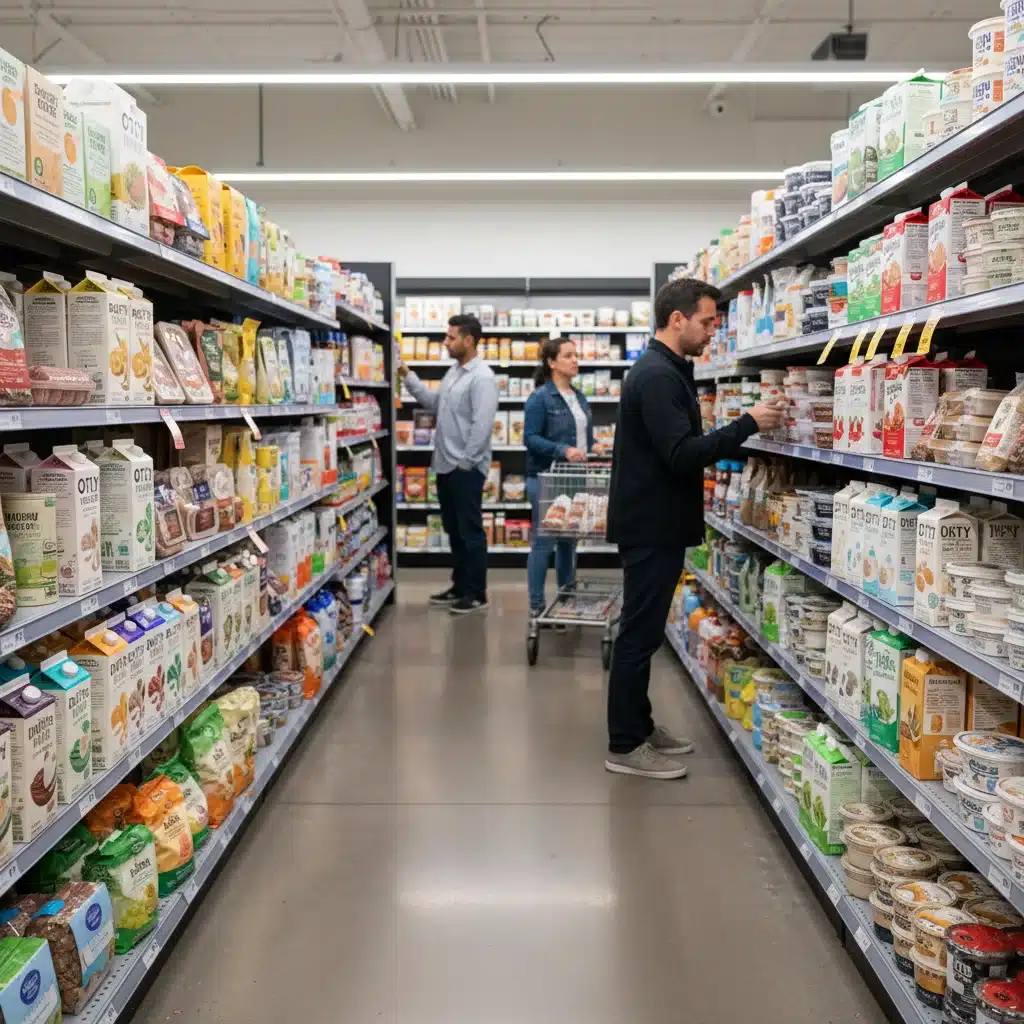
The competitive nature of the US market also drives innovation, as companies strive to differentiate their products through superior taste, nutritional profiles, and sustainable sourcing. This dynamic environment is a key contributor to the projected 10% growth in the alternative protein market share.
Challenges and Opportunities in the Alternative Protein Market
Despite the optimistic projections, the alternative protein market is not without its hurdles. Addressing these challenges will be critical for realizing the full potential of this transformative industry.
Key Challenges:
- Taste and Texture Parity: While significant progress has been made, consistently replicating the complex taste and texture profiles of conventional meat and dairy remains a challenge for some alternative protein products.
- Price Competitiveness: Many alternative protein products still carry a premium price tag compared to their conventional counterparts, which can be a barrier for price-sensitive consumers. Scaling production and optimizing manufacturing processes are essential to achieve price parity.
- Regulatory Landscape: The regulatory environment for novel alternative proteins, particularly cultivated meat and some fermentation-derived ingredients, is still evolving. Clear and consistent regulatory pathways are needed to facilitate market entry and build consumer trust.
- Consumer Acceptance and Education: Overcoming ingrained dietary habits and preconceived notions about alternative proteins requires ongoing consumer education and effective communication about their benefits and safety.
- Ingredient Sourcing and Supply Chains: As the market grows, ensuring sustainable and ethical sourcing of ingredients for plant-based proteins and developing robust supply chains for novel ingredients will be crucial.
- Nutritional Completeness: Ensuring that alternative protein products offer comparable or superior nutritional value to conventional proteins, including essential amino acids and micronutrients, is vital for long-term consumer health.
Significant Opportunities:
- Product Diversification: Beyond basic meat and dairy alternatives, there’s immense potential for innovation in seafood alternatives, whole-cut meats, and hybrid products that combine plant-based and cultivated ingredients.
- Personalized Nutrition: Alternative proteins can be tailored to meet specific dietary needs and preferences, offering opportunities for personalized nutrition solutions.
- Global Expansion: While the US market is a focus, the global demand for sustainable protein is immense, offering significant opportunities for international expansion.
- Technological Convergence: The convergence of AI, biotechnology, and food science will continue to drive rapid innovation in ingredient development, processing techniques, and product formulation, further enhancing the appeal and functionality of alternative proteins.
- Collaboration and Partnerships: Increased collaboration between startups, established food companies, research institutions, and governments can accelerate development and market penetration.
The Road Ahead: What 10% Market Share Growth Means
A 10% market share growth for the alternative protein market in the US by 2026 is a significant milestone. It signifies a tipping point where alternative proteins are no longer niche products but are becoming an integral part of the mainstream diet. This growth will have far-reaching implications:
- Increased Mainstream Acceptance: More consumers will regularly incorporate alternative proteins into their meals, leading to greater familiarity and acceptance.
- Competitive Landscape Shift: Traditional meat and dairy companies will face increasing pressure to innovate or acquire alternative protein brands to remain competitive.
- Environmental Impact: A shift towards alternative proteins will contribute to a measurable reduction in the environmental footprint of the US food system.
- Economic Impact: The growth will create new jobs, foster innovation, and attract further investment, boosting the economy.
- Dietary Evolution: The availability of diverse and appealing alternative protein options will continue to broaden consumer dietary choices and potentially improve public health outcomes.
The journey to 10% market share growth is not just about sales figures; it’s about a fundamental re-evaluation of how we produce and consume food. It’s about building a more resilient, sustainable, and ethical food system for the future.
Conclusion: A Sustainable Future Powered by Alternative Proteins
The projected 10% market share growth of the alternative protein market in the US by 2026 is a testament to the transformative power of innovation and evolving consumer preferences. This sector is rapidly maturing, driven by a confluence of environmental imperatives, health consciousness, ethical concerns, and groundbreaking technological advancements. From the widespread adoption of plant-based foods to the exciting promise of cultivated meat and precision fermentation, alternative proteins are not just an alternative; they are becoming a cornerstone of our future food supply.
While challenges related to taste, price, and regulation persist, the opportunities for growth and positive impact are immense. Continued investment, scientific breakthroughs, and effective consumer engagement will be crucial in solidifying the position of alternative proteins as a mainstream dietary choice. As we move towards 2026 and beyond, the rise of alternative proteins is set to redefine our plates, our planet, and our perception of what constitutes a sustainable and nourishing meal. The future of food is here, and it’s increasingly diverse, delicious, and undeniably alternative.