US Agriculture Workforce 2026: Trends & Future Outlook
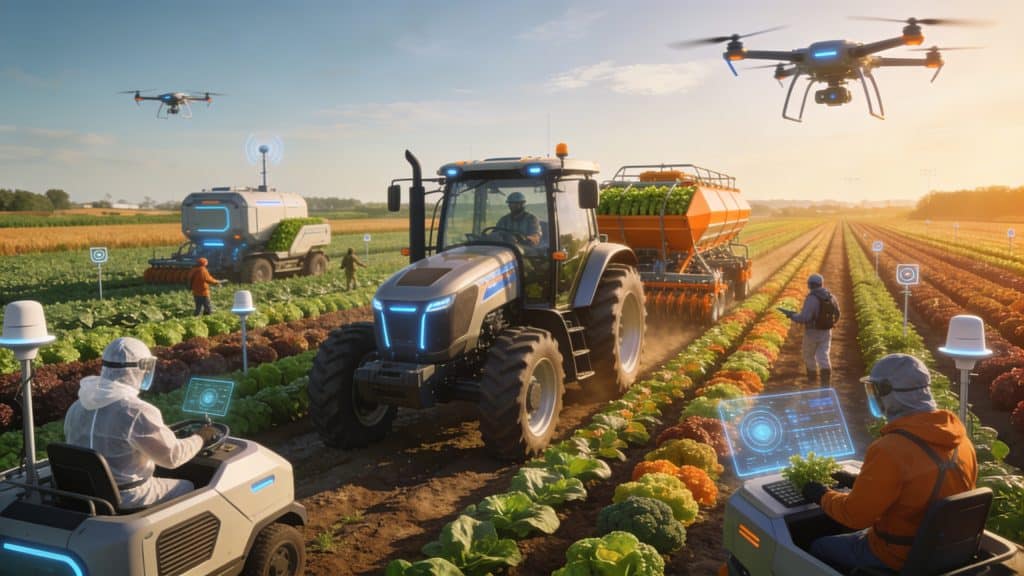
Navigating the Future: Understanding the US Agriculture Workforce 2026
The United States agricultural sector, a cornerstone of the nation’s economy and food security, stands at a pivotal juncture. As we approach 2026, the landscape of the US agriculture workforce is undergoing profound transformations, driven by a confluence of demographic shifts, technological advancements, evolving consumer demands, and dynamic policy environments. For farm operators, policymakers, and stakeholders across the food supply chain, understanding these intricate dynamics is not merely an academic exercise; it is an imperative for ensuring the resilience, productivity, and sustainability of American agriculture.
This comprehensive analysis delves into the critical trends shaping the US agriculture workforce by 2026. We will explore the challenges posed by labor shortages and an aging workforce, the transformative potential of automation and artificial intelligence, the impact of immigration policies, and the growing importance of skills development and worker well-being. By dissecting these multifaceted elements, we aim to provide actionable insights and strategic recommendations for navigating the complexities and harnessing the opportunities that lie ahead for the US agriculture workforce.
The Current State: A Snapshot of the US Agriculture Workforce
Before peering into the future, it’s crucial to establish a baseline understanding of the current US agriculture workforce. Historically, the sector has relied heavily on a combination of family labor, domestic hired workers, and a significant proportion of foreign-born workers, often seasonal or temporary. Data from the U.S. Department of Agriculture (USDA) and the Department of Labor consistently highlight several key characteristics:
- Aging Workforce: The average age of farm operators continues to rise, indicating a challenge in attracting younger generations to agricultural careers. This trend extends to hired farmworkers as well, with many long-term laborers approaching retirement age.
- Labor Shortages: Despite advancements, many labor-intensive agricultural operations, particularly in specialty crops (fruits, vegetables, nuts), face persistent and often severe labor shortages. This has led to crop losses, increased production costs, and a push for mechanization.
- Dependence on Foreign-Born Labor: A substantial portion of the hired US agriculture workforce comprises foreign-born individuals, many of whom are authorized to work through programs like the H-2A visa program, or are unauthorized. This demographic is vital for filling critical labor gaps.
- Challenging Working Conditions: Agricultural work often involves physically demanding tasks, long hours, exposure to the elements, and in some cases, lower wages compared to other sectors. These factors contribute to recruitment and retention difficulties.
- Regional Variations: The composition and challenges of the US agriculture workforce vary significantly by region and commodity. For instance, dairy farms in the Northeast face different labor dynamics than fruit orchards in California or grain farms in the Midwest.
These foundational characteristics set the stage for the transformative changes anticipated by 2026, demanding proactive strategies from all stakeholders to ensure a stable and skilled US agriculture workforce.
Demographic Shifts and Their Impact on Farm Labor
The demographic landscape of the United States is continuously evolving, and these changes inevitably ripple through the agricultural sector. By 2026, several key demographic shifts will exert significant pressure and present unique opportunities for the US agriculture workforce:
1. The Aging Farm Population
The trend of an aging farm operator and hired worker population is expected to continue. As experienced farmers and laborers retire, there’s a critical need for new entrants. This demographic vacuum can lead to:
- Loss of Institutional Knowledge: Decades of farming experience and specialized skills can be lost, impacting efficiency and productivity.
- Succession Challenges: Many family farms struggle to find successors, leading to consolidation or conversion of agricultural land.
- Increased Demand for Skilled Labor: As older workers retire, the demand for younger, often more technologically literate, skilled labor will intensify.
Addressing this requires concerted efforts in youth engagement, agricultural education, and mentorship programs to cultivate the next generation of the US agriculture workforce.
2. Rural Migration Patterns
While some rural areas experience population decline, others, particularly those with amenities or proximity to urban centers, may see an influx. This can affect labor availability and housing costs for farmworkers. The ongoing urbanization trend means fewer individuals are growing up with direct exposure to agriculture, potentially reducing the pool of domestic workers willing to enter the field.
3. Changing Immigration Dynamics
Immigration patterns and policies are perhaps the most volatile and impactful demographic factor for the US agriculture workforce. Changes in immigration laws, enforcement practices, and international relations directly influence the availability of foreign-born labor. A stable and predictable H-2A visa program, coupled with pathways for legal status for long-term farmworkers, is frequently cited as crucial for the sector’s stability. Without such stability, agricultural operations face immense uncertainty in securing their labor needs.
4. Educational Attainment and Skill Gaps
As agriculture becomes more technologically sophisticated, the demand for a more educated and skilled workforce grows. There’s a widening gap between the skills possessed by some segments of the current US agriculture workforce and the skills required for modern farming practices, such as operating advanced machinery, data analysis for precision agriculture, and understanding complex biological systems. Bridging this gap through targeted training and education is paramount.
Technological Revolution: Automation, AI, and the Farm of 2026
Technology is not just an enabler; it’s a disruptor and a re-shaper of the US agriculture workforce. By 2026, the integration of automation, artificial intelligence (AI), and advanced robotics will be even more prevalent, redefining roles and requiring new skill sets.
1. Automation in the Fields
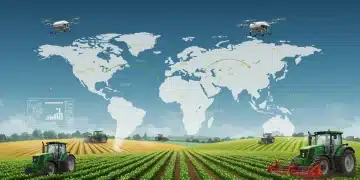
From autonomous tractors and drones for crop monitoring to robotic harvesters for specialty crops, automation is increasingly adopted to address labor shortages and improve efficiency. While these technologies promise to reduce reliance on manual labor for repetitive tasks, they also necessitate a workforce capable of operating, maintaining, and troubleshooting complex machinery. This shift means:
- Reduced Demand for Unskilled Labor: Tasks like weeding, spraying, and certain harvesting activities will increasingly be performed by machines.
- Increased Demand for Skilled Technicians: Farm operations will require employees with mechanical, electrical, and software skills to manage these automated systems.
- Data-Driven Decision Making: Automation generates vast amounts of data, requiring workers who can analyze and interpret this information to optimize yields and resource use.
2. Artificial Intelligence and Precision Agriculture
AI algorithms are being deployed for everything from predicting weather patterns and crop diseases to optimizing irrigation and nutrient application. Precision agriculture, powered by AI, allows for hyper-localized management, leading to greater efficiency and reduced environmental impact. For the US agriculture workforce, this means:
- New Roles in Data Science and Analytics: Farmers and farm managers will increasingly rely on data specialists, either in-house or outsourced, to leverage AI insights.
- Enhanced Decision Support: AI tools will augment human decision-making, allowing for more informed and timely interventions.
- Remote Monitoring and Management: AI-powered systems enable farmers to monitor operations remotely, potentially leading to more flexible work arrangements for some roles.
3. Biotechnology and Genetic Engineering
Advances in biotechnology continue to yield crops with improved resilience, higher nutritional value, and resistance to pests and diseases. While not directly impacting field labor in the same way as automation, these innovations require a scientifically literate workforce in research, development, and seed production. The adoption of these crops also influences cultivation practices, which can indirectly affect labor needs.
Policy & Economic Factors Shaping the US Agriculture Workforce
Beyond demographics and technology, the US agriculture workforce is profoundly influenced by governmental policies and broader economic forces. By 2026, these factors will continue to play a critical role in shaping labor availability, costs, and conditions.
1. Immigration Policy Reforms
The ongoing debate surrounding comprehensive immigration reform in the U.S. has direct implications for agricultural labor. Any changes to guest worker programs like H-2A, or proposals for pathways to legal status for undocumented farmworkers, will significantly alter the labor supply. Farmers advocate for more streamlined, flexible, and affordable guest worker programs to meet their seasonal needs, while labor advocates push for better wages, working conditions, and protections for all farmworkers. The political climate surrounding immigration will undoubtedly dictate the stability of a substantial segment of the US agriculture workforce.
2. Minimum Wage and Labor Regulations
Increases in state and federal minimum wages, along with evolving labor regulations (e.g., overtime rules, housing standards, heat stress protections), directly impact farm labor costs and operational viability. While these measures aim to improve worker welfare, they can also compel farmers to seek greater efficiencies through mechanization or to shift to less labor-intensive crops. Balancing worker protections with economic realities for producers will remain a key policy challenge for the US agriculture workforce.
3. Trade Agreements and Market Access
International trade agreements influence commodity prices and market access, which in turn affect farm profitability and the ability to invest in labor-saving technologies or higher wages. Fluctuations in global demand and competition can lead to periods of expansion or contraction in agricultural production, directly impacting the demand for farm labor.
4. Economic Cycles and Consumer Behavior
Broader economic cycles, such as recessions or periods of growth, affect consumer spending on food, labor availability in competing sectors, and the overall economic health of rural communities. Furthermore, evolving consumer preferences for organic, locally sourced, or sustainably produced foods can create new niches requiring specialized labor or different production methods, influencing the composition of the US agriculture workforce.
Challenges and Opportunities for Farm Operations by 2026
The confluence of these trends presents both formidable challenges and exciting opportunities for farm operations striving to build a resilient US agriculture workforce by 2026.
Challenges:
- Intensified Labor Shortages: Without effective policy changes or significant technological adoption, the existing labor shortages are likely to worsen.
- Rising Labor Costs: Increased wages, benefits, and regulatory compliance will continue to drive up the cost of labor, squeezing profit margins for many farms.
- Skill Gap Widening: The rapid pace of technological change risks leaving a significant portion of the existing workforce behind if adequate training is not provided.
- Recruitment and Retention: Attracting younger generations and retaining experienced workers will remain a significant hurdle due to perceptions of agricultural work and competition from other sectors.
- Regulatory Complexity: Navigating the evolving landscape of labor, environmental, and immigration regulations can be daunting for farm operators.
Opportunities:
- Enhanced Efficiency through Technology: Adoption of automation and AI can lead to significant gains in productivity and resource utilization, making operations more sustainable.
- Higher-Skilled, Higher-Value Jobs: The shift towards technology creates opportunities for more engaging, higher-paying roles in agriculture, potentially attracting a new generation of workers.
- Improved Worker Well-being: Technology can reduce the physical burden of agricultural work, leading to safer and more appealing job environments.
- Diversification and Value-Added Products: Responding to consumer trends can open new markets and create diverse job opportunities within the agricultural sector.
- Strategic Workforce Development: Proactive investment in training and education can create a highly skilled and adaptable US agriculture workforce, capable of meeting future demands.
Strategies for Building a Resilient US Agriculture Workforce by 2026
To thrive amidst these changes, farm operators and agricultural stakeholders must adopt proactive and multifaceted strategies. Building a resilient US agriculture workforce by 2026 requires innovation, collaboration, and a long-term vision.
1. Invest in Technology and Automation Strategically
Farm operators should carefully evaluate and adopt technologies that align with their specific needs and economic realities. This isn’t about replacing all human labor but rather augmenting it and freeing up workers for higher-value tasks. Consider:
- Gradual Adoption: Implement new technologies incrementally, allowing time for workers to adapt and gain new skills.
- Cost-Benefit Analysis: Assess the long-term return on investment, including labor savings, increased yields, and improved efficiency.
- Integration: Look for solutions that integrate seamlessly with existing farm management systems.
This strategic integration is key to evolving the US agriculture workforce.
2. Prioritize Workforce Development and Training
Investing in the skills of both current and prospective farmworkers is paramount. This includes:
- Upskilling Current Employees: Provide training on operating and maintaining new machinery, data analysis, and precision agriculture techniques.
- Partnerships with Educational Institutions: Collaborate with community colleges, vocational schools, and universities to develop agricultural technology programs and apprenticeships.
- On-the-Job Training: Implement structured training programs that allow workers to learn new skills while contributing to farm operations.
- Digital Literacy Programs: Ensure all members of the US agriculture workforce have foundational digital skills.
3. Enhance Recruitment and Retention Efforts
Attracting and keeping skilled workers requires more than just competitive wages. Farms should focus on creating attractive work environments:
- Competitive Compensation and Benefits: Offer attractive wage packages, health insurance, retirement plans, and other benefits to compete with other industries.
- Improved Working Conditions: Invest in worker safety, provide adequate housing (where applicable), and ensure respectful and inclusive work environments.
- Career Pathways: Create opportunities for advancement and professional development within agricultural careers.
- Marketing Agricultural Careers: Promote the evolving nature of agricultural jobs, highlighting the technological sophistication and environmental stewardship involved, to attract younger generations to the US agriculture workforce.
4. Advocate for Sensible Immigration and Labor Policies
Active engagement with policymakers is essential. Agricultural organizations and individual farmers should advocate for:
- Streamlined and Flexible Guest Worker Programs: Push for reforms to the H-2A program that better meet the seasonal and regional labor needs of farms.
- Pathways to Legal Status: Support policies that provide a stable and legal workforce, reducing uncertainty for both employers and employees.
- Balanced Labor Regulations: Advocate for regulations that protect workers while remaining economically viable for farm operations.
5. Foster Collaboration and Knowledge Sharing
No single entity can solve the complex challenges facing the US agriculture workforce. Collaboration is key:
- Industry Associations: Participate in and support industry groups that advocate for agricultural interests and share best practices.
- Research Institutions: Partner with universities and research centers on labor-saving technologies and workforce development studies.
- Cross-Sector Partnerships: Explore collaborations with technology companies, educational providers, and community organizations.
The Role of Sustainability in the Future Workforce
As the world grapples with climate change and resource depletion, sustainable agricultural practices are gaining increasing importance. By 2026, the emphasis on sustainability will not only influence farming methods but also shape the US agriculture workforce. Practices such as organic farming, regenerative agriculture, and water conservation require specialized knowledge and skills. Workers will need to understand ecological principles, integrated pest management, and resource efficiency. This shift presents an opportunity to attract environmentally conscious individuals to agricultural careers, aligning their values with their work. Furthermore, sustainable practices can often lead to less reliance on harsh chemicals, potentially creating healthier working environments for farm employees.
Conclusion: A Proactive Approach to the US Agriculture Workforce 2026
The US agriculture workforce in 2026 will be a dynamic and complex ecosystem, far removed from traditional perceptions of farm labor. It will be characterized by a greater integration of technology, a more diverse skill set, and an ongoing need for adaptable and resilient individuals. The challenges of an aging workforce, labor shortages, and evolving policy environments are significant, but they are not insurmountable.
By embracing strategic technological adoption, prioritizing robust workforce development programs, enhancing recruitment and retention strategies, advocating for sensible policies, and fostering collaborative environments, the American agricultural sector can successfully navigate these transformations. The future of food security and rural prosperity in the U.S. hinges on our collective ability to cultivate not only healthy crops and livestock but also a healthy, skilled, and sustainable US agriculture workforce ready for the demands and opportunities of 2026 and beyond.
The time for proactive engagement and innovative solutions is now. By focusing on these critical areas, we can ensure that the backbone of our nation – our agricultural sector – remains strong, productive, and a source of meaningful employment for generations to come.