US Agribusiness Supply Chain: 2026 Market Shifts & Reshaping
Anúncios
The global economy is a perpetually shifting landscape, and few sectors feel its tremors as profoundly as agribusiness. In the United States, a confluence of environmental pressures, technological advancements, evolving consumer demands, and geopolitical dynamics is rapidly reshaping the US agribusiness supply chain. As we look towards 2026, understanding these monumental market shifts isn’t just beneficial – it’s absolutely critical for survival and prosperity. This comprehensive article delves into the core transformations impacting the US agribusiness supply chain, offering insights into how producers, processors, distributors, and retailers can adapt and thrive in this new era.
Anúncios
The Shifting Sands: Key Drivers of Change in the US Agribusiness Supply Chain
The US agribusiness supply chain is a marvel of efficiency and scale, but its very complexity makes it vulnerable to disruption. Several overarching forces are compelling a fundamental reshaping of how food and agricultural products move from farm to fork. Recognizing these drivers is the first step towards building a resilient and future-proof strategy.
1. Climate Change and Environmental Pressures
The undeniable impacts of climate change are perhaps the most significant long-term disruptor. Extreme weather events – droughts, floods, heatwaves, and unseasonal freezes – are becoming more frequent and intense, directly affecting crop yields, livestock health, and the predictability of agricultural production. This volatility introduces immense risk into the supply chain, demanding more robust risk management strategies, diversification of agricultural practices, and investment in climate-resilient crops and technologies. Furthermore, increasing consumer and regulatory pressure for sustainable practices, reduced carbon footprints, and responsible water usage is forcing agribusinesses to rethink their entire operational model. The push for regenerative agriculture, reduced pesticide use, and sustainable packaging is no longer a niche concern but a mainstream expectation that will define market access and consumer loyalty.
2. Technological Revolution: Data, AI, and Automation
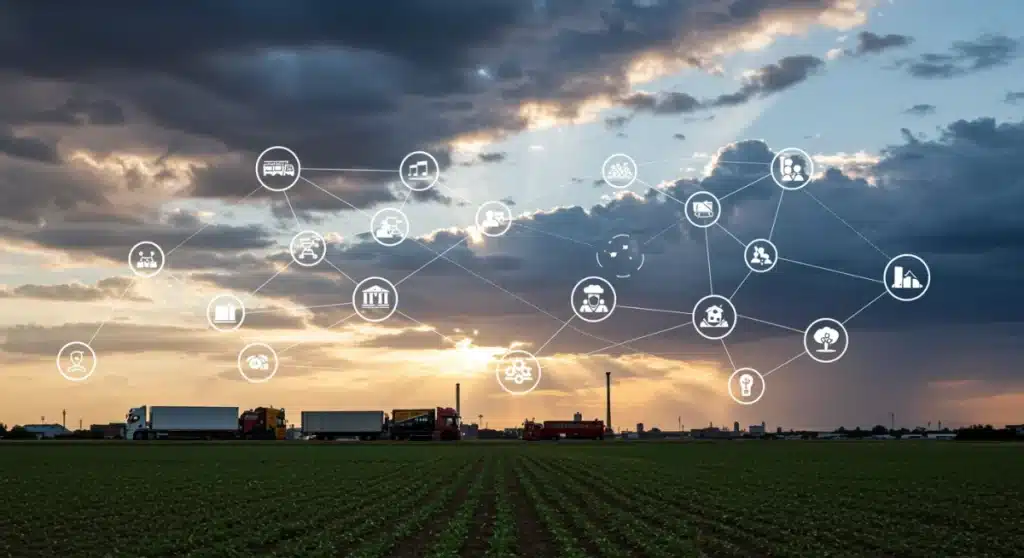
Technology is not merely an enhancer but a transformative force within the US agribusiness supply chain. Precision agriculture, powered by IoT sensors, drones, and AI, allows for optimized resource allocation, from water and fertilizer to pest control, significantly improving efficiency and reducing waste at the farm level. Beyond the farm, automation in processing plants, AI-driven demand forecasting, and blockchain for traceability are revolutionizing logistics and transparency. These technologies offer unprecedented visibility into the supply chain, enabling quicker responses to disruptions, enhancing food safety, and meeting consumer demands for product origin and ethical sourcing. The adoption rate of these technologies will differentiate leaders from laggards by 2026.
Anúncios
3. Evolving Consumer Demands and Dietary Shifts
Consumer preferences are dynamic, and current trends are exerting considerable pressure on the US agribusiness supply chain. There’s a growing demand for transparency regarding food origins, production methods, and ethical sourcing. Health-consciousness is driving increased consumption of plant-based proteins, organic produce, and functional foods. The desire for convenience continues unabated, fueling the growth of meal kits, ready-to-eat options, and robust e-commerce platforms for groceries. Agribusinesses must be agile enough to pivot production and distribution channels to meet these rapidly changing tastes, often requiring closer collaboration with food manufacturers and retailers to shorten lead times and customize offerings.
4. Geopolitical Instability and Trade Dynamics
Global events, from trade disputes and tariffs to regional conflicts and pandemics, have exposed the fragility of deeply interconnected supply chains. The US agribusiness supply chain, heavily reliant on international trade for both exports and imports (e.g., certain fertilizers, machinery parts), is particularly susceptible. By 2026, we can expect a continued emphasis on diversification of sourcing, nearshoring or reshoring of critical inputs, and the building of strategic reserves to mitigate future shocks. The push for greater food sovereignty and national security considerations will influence trade policies and investment decisions, impacting the flow of agricultural goods globally.
5. Labor Shortages and Workforce Challenges
The agribusiness sector, from farm labor to truck drivers and processing plant workers, faces persistent labor shortages. This challenge is exacerbated by an aging workforce, immigration policies, and competition from other sectors. These shortages directly impact production capacity, logistics efficiency, and overall operational costs. Automation and robotics offer partial solutions, but addressing the human capital aspect through improved working conditions, training, and strategic workforce planning will remain a critical challenge for the US agribusiness supply chain.
Reshaping the US Agribusiness Supply Chain: Strategic Responses
In response to these powerful drivers, the US agribusiness supply chain is not merely adapting; it is actively undergoing a fundamental reshaping. Strategic investments and operational shifts are already underway, pointing towards a more resilient, sustainable, and technologically advanced future.
1. Enhanced Resilience Through Diversification and Regionalization
The ‘just-in-time’ inventory model, once lauded for its efficiency, has proven vulnerable to global disruptions. By 2026, the US agribusiness supply chain will lean more towards ‘just-in-case’ strategies. This involves diversifying suppliers, building stronger regional supply networks, and potentially increasing buffer stocks of critical inputs and finished goods. Regionalization not only reduces transportation distances and associated costs and emissions but also strengthens local economies and reduces reliance on potentially unstable international routes. This trend will foster a more distributed and less centralized agricultural production and processing infrastructure.
2. Digital Transformation and Data-Driven Decision Making
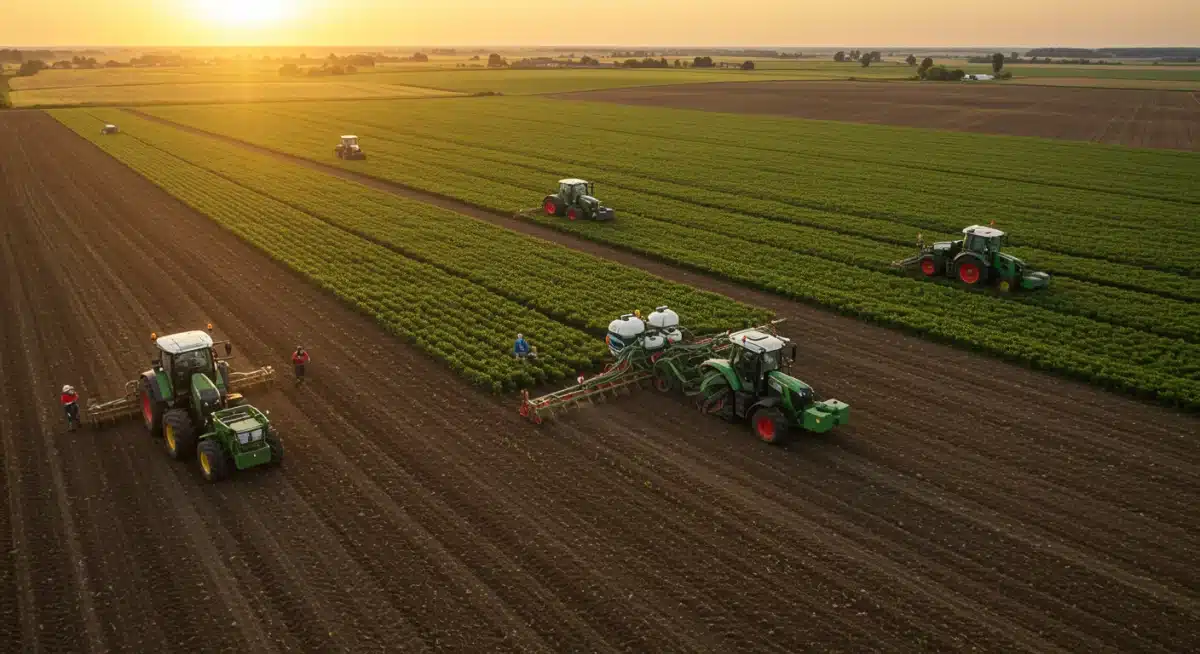
The future of the US agribusiness supply chain is undeniably digital. The integration of artificial intelligence (AI), machine learning (ML), and blockchain technology will move beyond pilot projects to widespread adoption. AI and ML will optimize everything from crop forecasting and yield prediction to logistics routing and inventory management, minimizing waste and maximizing efficiency. Blockchain technology will provide immutable records for traceability, ensuring transparency and trust from farm to consumer. This data-driven approach will enable agribusinesses to make proactive, informed decisions, predict market trends, and respond swiftly to unforeseen events. Investment in robust data infrastructure and cybersecurity will be paramount.
3. Sustainability and Regenerative Practices at the Core
Sustainability is no longer a buzzword but a business imperative. By 2026, the US agribusiness supply chain will see widespread adoption of regenerative agricultural practices aimed at improving soil health, biodiversity, and water quality. This includes reduced tillage, cover cropping, and integrated pest management. Furthermore, efforts to reduce food waste across the entire chain – from farm to retail – will intensify, driven by both economic incentives and environmental concerns. Investment in renewable energy sources for farms and processing facilities, along with innovations in sustainable packaging, will become standard rather than exceptional. Certifications and transparent reporting on environmental, social, and governance (ESG) metrics will be crucial for market access and investor confidence.
4. Vertical Integration and Collaborative Ecosystems
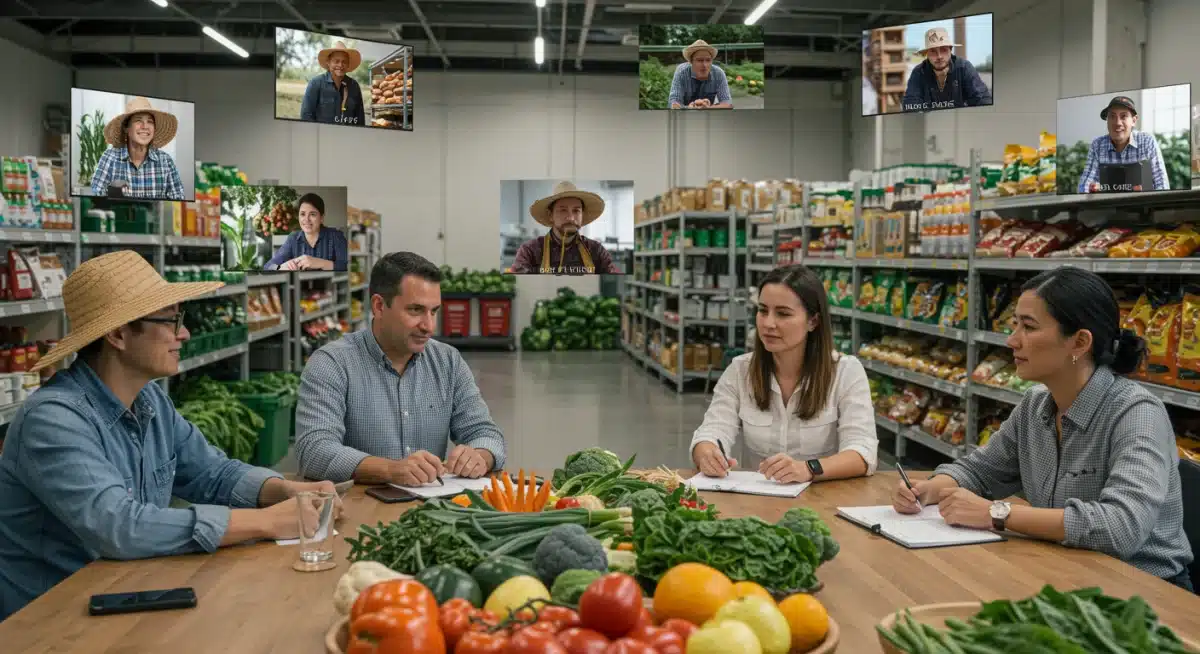
To gain greater control over quality, cost, and supply, some agribusinesses will pursue increased vertical integration, acquiring or partnering with entities across different stages of the supply chain. Simultaneously, there will be a greater emphasis on building collaborative ecosystems. This means closer partnerships between farmers, food processors, logistics providers, retailers, and even technology companies. Shared data platforms, joint innovation initiatives, and coordinated responses to market changes will become more common. This collaborative approach fosters greater transparency, streamlines communication, and allows for collective problem-solving, benefiting the entire US agribusiness supply chain.
5. Agility and Adaptability through Flexible Infrastructure
The ability to pivot quickly in response to disruptions is a hallmark of a resilient supply chain. This means investing in flexible infrastructure, from modular processing facilities that can adapt to different product lines to multi-modal transportation networks that offer alternative routes. The development of ‘smart’ warehouses equipped with automation and real-time inventory tracking will enhance responsiveness. Furthermore, developing a workforce that is cross-trained and adaptable will be essential to manage fluctuating demands and operational changes within the US agribusiness supply chain.
Challenges and Opportunities for 2026 and Beyond
While the reshaping of the US agribusiness supply chain presents significant challenges, it also unlocks unprecedented opportunities for innovation, growth, and sustainable development.
Challenges:
- Capital Investment: The transition to more sustainable and tech-enabled systems requires substantial upfront capital, which can be a barrier for smaller farms and businesses.
- Data Integration and Standardization: Achieving seamless data flow across a highly fragmented supply chain requires robust standards and interoperable technologies.
- Cybersecurity Risks: Increased reliance on digital systems makes the supply chain vulnerable to cyberattacks, necessitating continuous investment in security measures.
- Skill Gap: The new technologies and practices demand a highly skilled workforce, highlighting the need for continuous education and training programs.
- Regulatory Landscape: Evolving regulations around sustainability, food safety, and trade can create complexities and compliance challenges.
Opportunities:
- Enhanced Efficiency and Cost Reduction: Digitalization and automation can lead to significant operational efficiencies and reduced waste, boosting profitability.
- New Market Access: Meeting consumer demands for sustainable and traceable products can open doors to premium markets and new customer segments.
- Improved Food Security: A more resilient and diversified supply chain enhances national food security by reducing vulnerability to shocks.
- Innovation and Product Development: Data insights can fuel the development of new products, services, and business models tailored to evolving consumer needs.
- Stronger Brand Reputation: Demonstrating commitment to sustainability, transparency, and ethical practices builds trust and strengthens brand loyalty.
Case Studies and Emerging Trends
Across the US agribusiness supply chain, examples of these shifts are already taking root. Consider the rise of controlled environment agriculture (CEA), such as vertical farms, which are regionalizing fresh produce production and reducing transportation footprints. Companies are investing in AI-powered sorting and grading systems for fruits and vegetables, minimizing spoilage and maximizing market value. Blockchain platforms are being adopted by major food companies to track products from farm to store, offering consumers unprecedented transparency. These early adopters are paving the way for broader transformation.
Another significant trend is the growing emphasis on circular economy principles within the US agribusiness supply chain. This involves finding innovative ways to valorize agricultural by-products and waste streams – transforming them into new products, energy, or nutrient-rich fertilizers. This not only reduces environmental impact but also creates new revenue streams and enhances resource efficiency. For instance, processes that convert food waste into animal feed or bioenergy are becoming more sophisticated and scalable.
Moreover, the integration of financial technology (FinTech) solutions tailored for agriculture is streamlining payment processes, improving access to capital for farmers, and enabling more flexible risk management tools like parametric insurance, which pays out based on predefined weather events rather than actual crop losses. These financial innovations are crucial for supporting the transition to more resilient and sustainable practices within the US agribusiness supply chain.
The Role of Policy and Collaboration
Government policies will play a pivotal role in shaping the future of the US agribusiness supply chain. Incentives for adopting sustainable practices, investment in rural broadband infrastructure to support digital agriculture, and clear regulatory frameworks for new technologies (e.g., gene-edited crops, AI applications) will be essential. Public-private partnerships will be critical for funding research and development, scaling innovative solutions, and providing the necessary training and education for the workforce. Collaboration among industry associations, academic institutions, and technology providers will accelerate the pace of change and ensure that solutions are practical and scalable for all stakeholders.
Preparing for 2026: A Roadmap for Agribusiness Stakeholders
For every player in the US agribusiness supply chain, proactive preparation is key. Farmers need to explore climate-resilient crop varieties, invest in precision agriculture, and consider diversifying income streams. Processors should focus on automation, waste reduction technologies, and robust food safety protocols. Logistics providers must optimize routes using AI, explore alternative fuel sources, and build redundancy into their networks. Retailers need to adapt to evolving consumer preferences, demand greater transparency from suppliers, and strengthen their e-commerce capabilities. Beyond individual actions, fostering a culture of continuous learning, embracing innovation, and prioritizing collaboration across the entire ecosystem will be paramount.
The next few years will see the US agribusiness supply chain undergo a transformation as profound as the agricultural revolutions of the past. The stakes are high, but so are the rewards for those who embrace change, invest wisely, and build a supply chain that is not only efficient but also resilient, sustainable, and responsive to the needs of a changing world.
Conclusion
The reshaping of the US agribusiness supply chain by 2026 is an inevitable and necessary evolution. Driven by climate change, technological innovation, shifting consumer demands, and geopolitical realities, the sector is moving towards greater resilience, sustainability, and digital integration. While challenges such as significant capital investment and skill gaps remain, the opportunities for enhanced efficiency, new market access, and improved food security are immense. Stakeholders who proactively embrace these changes, foster collaboration, and leverage data-driven insights will be best positioned to navigate the complexities and thrive in the future of US agribusiness. The journey ahead demands foresight, adaptability, and a collective commitment to building a more robust and sustainable food system for generations to come.